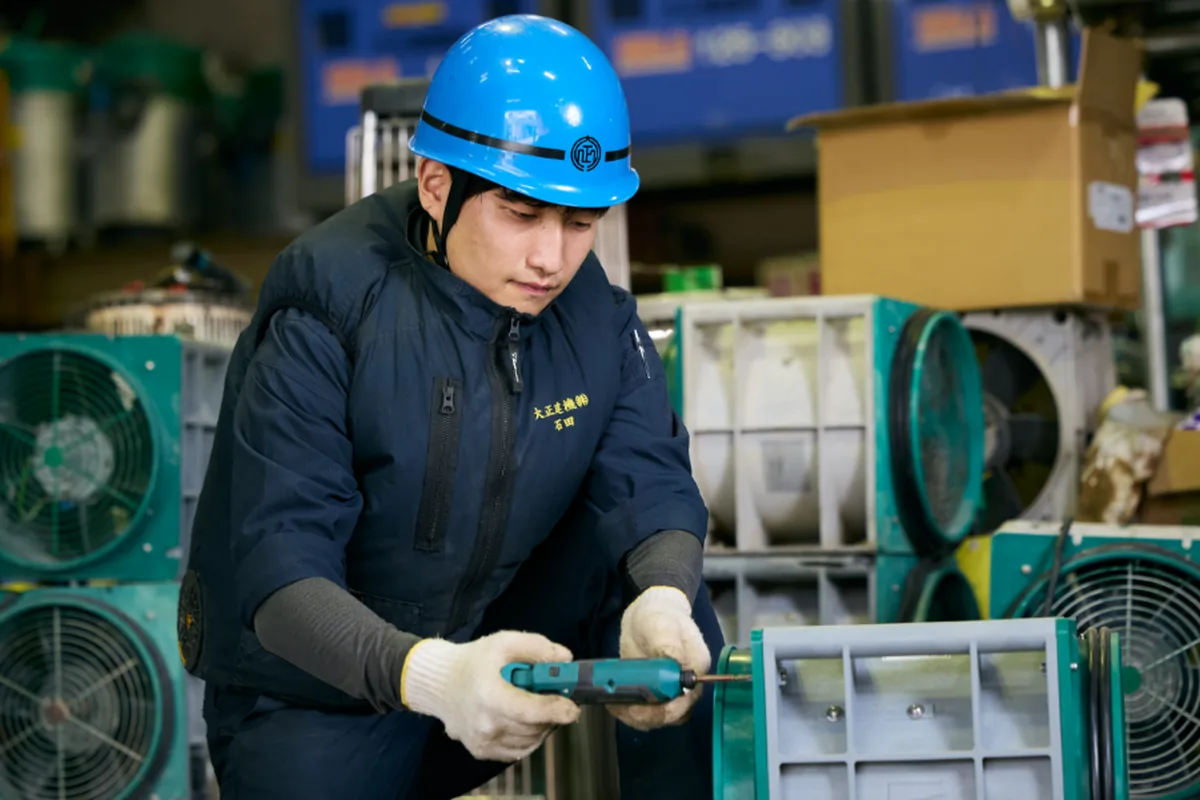
Covering the full equipment value chain: management, maintenance, troubleshooting, precision repair, refurbishment, installation & commissioning, and after-sales. Every plan is tailored, and we are responsible for rolling it out - not just handing over paper, but making it work on the floor.
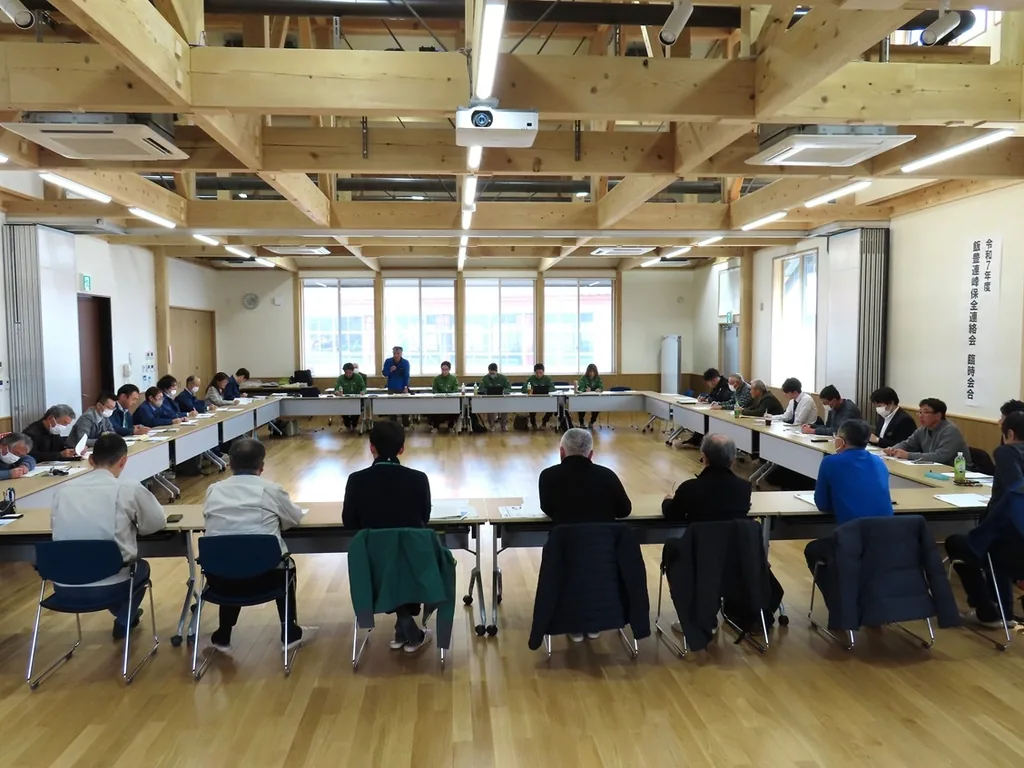 MODULE 01
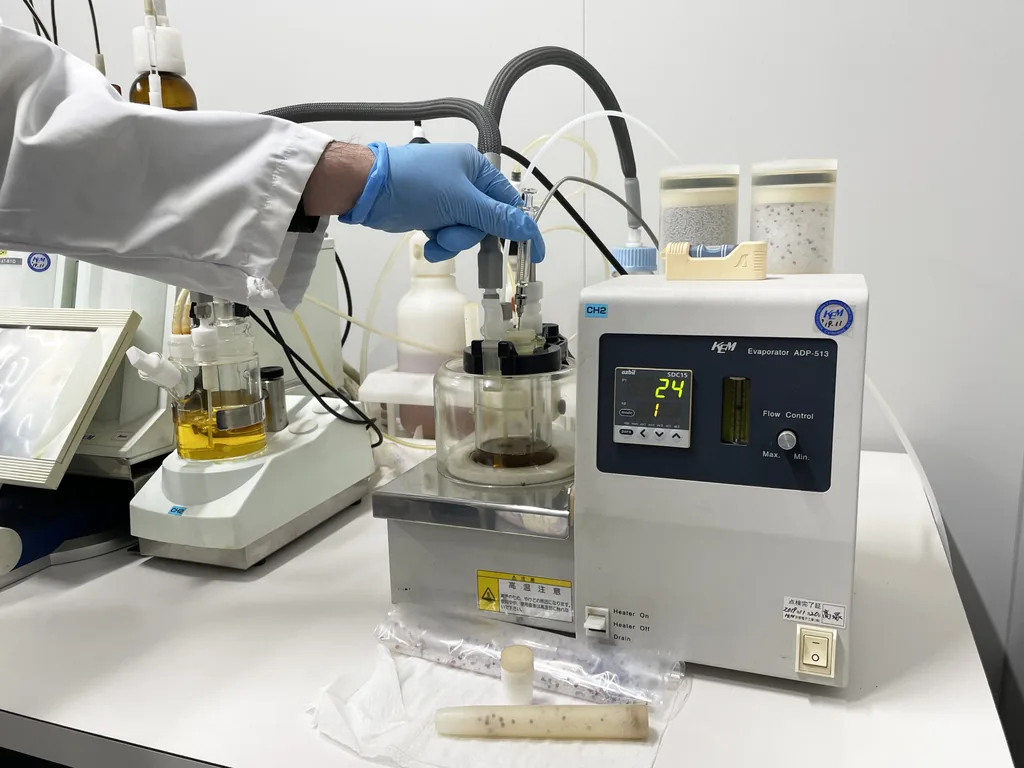 MODULE 02
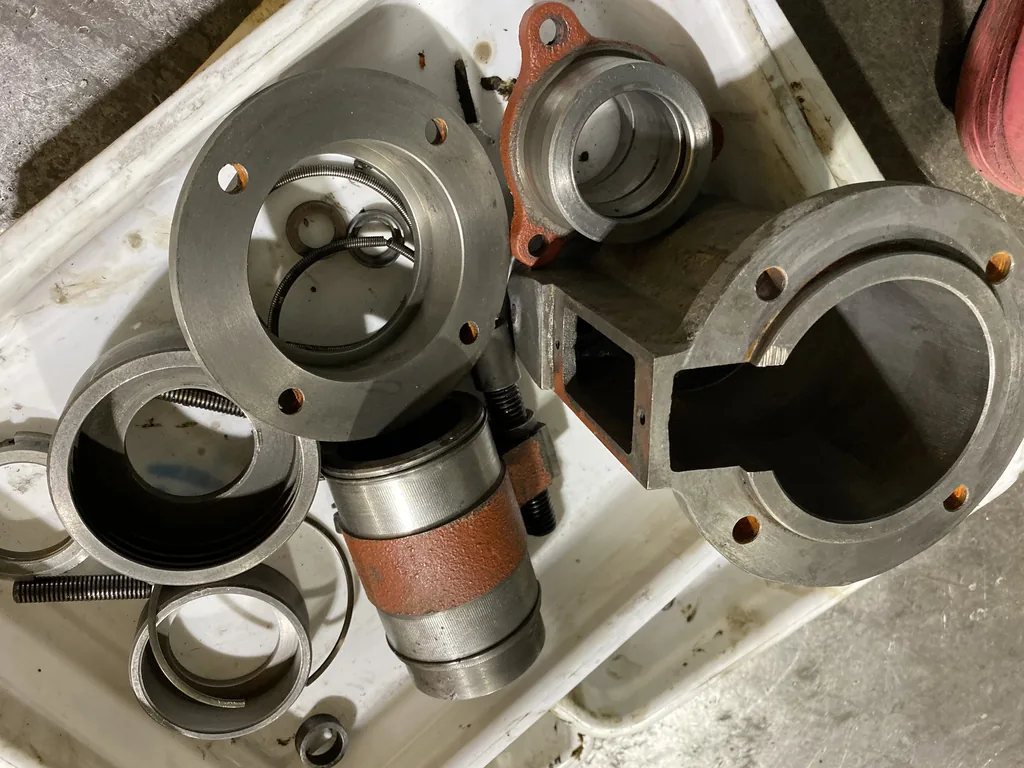 MODULE 03
 MODULE 04
 MODULE 05
 MODULE 06
 MODULE 07
 MODULE 08
Many factories can't say which service they need when they call. Match your current situation against the eight items below and you'll roughly find an entry point; if none fits, that's fine - tell us the situation. Making that judgement is our job in the first place.
 FIELD · SCHH-2026
Modules can be chosen individually or combined. Most long-term clients run a structure of "Module 02 as the base + Module 03 for emergencies + other modules layered on as needed."
Modules are not retail goods - what really works is the combination. Below are the four configurations we run most often in the southwest, for your reference; the actual plan is still tailored to your equipment list and operating conditions.
First set up the management structure, the ledger and the inspection standards; when equipment arrives we handle installation and commissioning on the ground and establish the start-up baseline data, then put periodic maintenance on the calendar. Do this first year's homework well and you can save most of the repair costs over the following three to five years. What a new plant should fear most is not having no system, but being saddled on day one with a copied system that can't actually run.
An established plant's equipment archives are usually incomplete, so we first use on-site surveying to fill in the drawings and reference data, then tackle one by one the faults that most affect current output; for key equipment that still holds residual value we restore accuracy and carry out partial automation retrofits, at a fraction of the cost of replacement. Machining equipment is handled as a separate project - accuracy is the lifeblood of a machining plant.
For continuous or chain-type lines - feed, biomass pellet, building materials, sewage treatment - one stoppage means the whole line stops. The approach is to keep degradation trends under control: regularly monitor the vibration and temperature of chains, belts, drives and bearings, combined with networked equipment collecting current and temperature data and warning thresholds set, so that faults happen at times you can schedule rather than when orders are tightest.
The manufacturer hands warranty-period after-sales and on-the-ground installation to us, regional response speeds up, and customer satisfaction rises with it. The operating data, fault distribution and condition characteristics accumulated during service are reported back to the manufacturer regularly, which is useful for product improvement and spare-parts planning. The model saves effort on both sides.
We set the boundaries out front so you don't hold the wrong expectations. What follows is the plain truth.
Mechanical equipment in plants and its accompanying electrical systems: metal-cutting machine tools, continuous and chain conveyors, rotating machinery such as pumps, fans and compressors, hydraulic and pneumatic systems, cranes and overhead travelling cranes, feed and biomass-pellet lines, sewage-treatment and environmental equipment, plus the associated PLC and electrical control, servo and motion control, safety interlocks and equipment networking.
Our service formats cover the whole equipment life cycle: from system building in a new plant and installation and commissioning as equipment arrives, to preventive maintenance, fault-fighting and overhaul refurbishment in operation, and on to automation retrofits and retirement-and-renewal planning in the later stage.
Special conditions are our strong suit: lubricant selection and oil management, sealing and cooling treatment, and dust explosion-protection work in high-dust, high-humidity and corrosive environments. We have accumulated dedicated on-site experience in these problem types and have worked in feed, biomass-pellet, building-materials, sewage-treatment and bio-fertilizer plants.
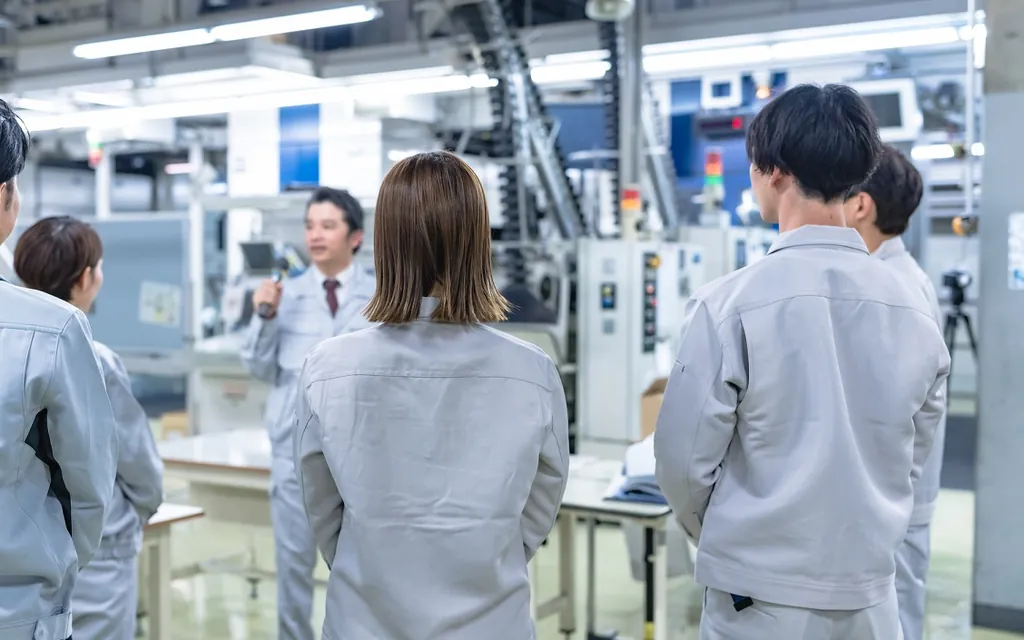 FIELD · SCHH-2026
We make no commitment without a survey.Before we have been on site, seen the equipment and measured the data, we will not give a verbal assurance of "roughly how much and how many days to fix it." A remote preliminary assessment is fine, but a quote must be based on a written plan.
We don't take work beyond our capability.Statutory inspection and certification work for special equipment (boilers, pressure vessels, lifts, etc.), plant structural and civil-engineering work, and pure process-formulation design are outside our scope; where these are involved we say so clearly and recommend a provider with the relevant qualifications.
We don't use spares of unknown origin.Spares are purchased by model and specification, with origin and warranty traceable to the order. If you supply your own spares, we take responsibility for the installation workmanship and commissioning quality, but not for the material or service life of the parts themselves - we say this clearly up front.
We don't win jobs with low prices and then raise them.No mid-job price increases after the plan is confirmed is our rule; equally, we will not quote a price to win a job that we know we cannot deliver at, because the finger-pointing afterwards drains both sides.
The eight modules are not done in isolation: the data built up through maintenance is used during an overhaul, and the problems an overhaul uncovers feed back into the maintenance plan. They interlock.
The management plan is tailored and we own the rollout, so a new plant has structure, documents and standards from day one, and every other module operates within that framework.
Drafting and implementing maintenance and preventive plans, improving recurring faults, and managing lubrication and accuracy catch faults while they are small, directly cutting overhaul frequency and downtime losses.
Focused work on difficult and recurring faults; complementary to preventive maintenance: maintenance slows ageing, overhaul restores performance, and together they extend the equipment life cycle.
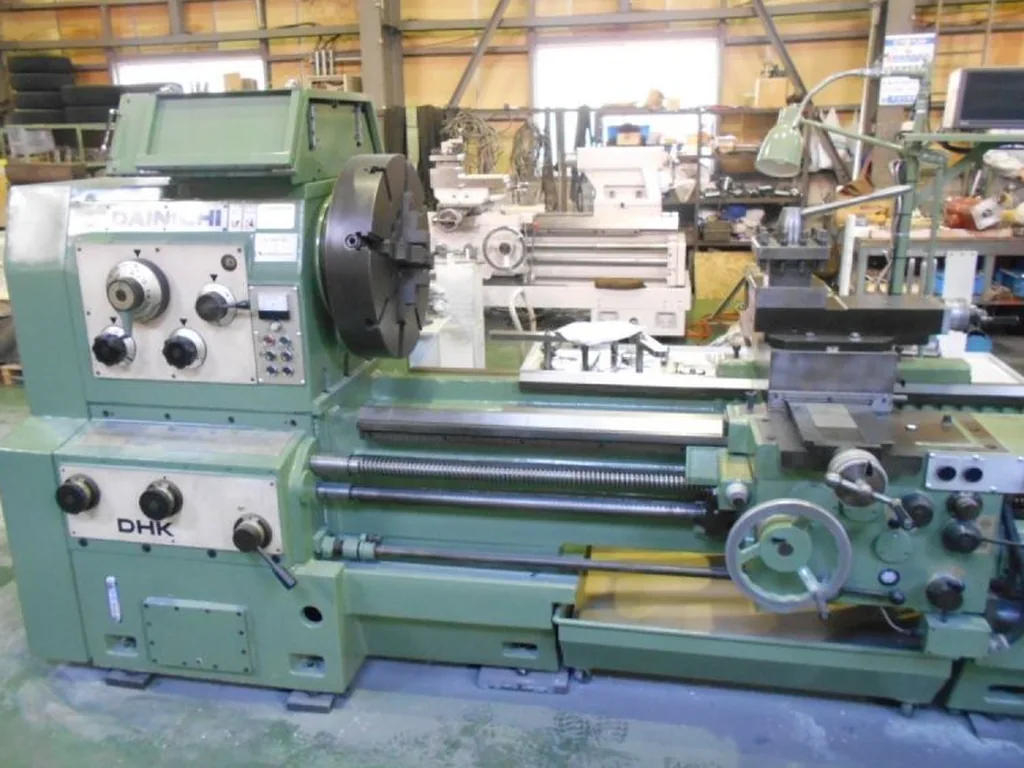
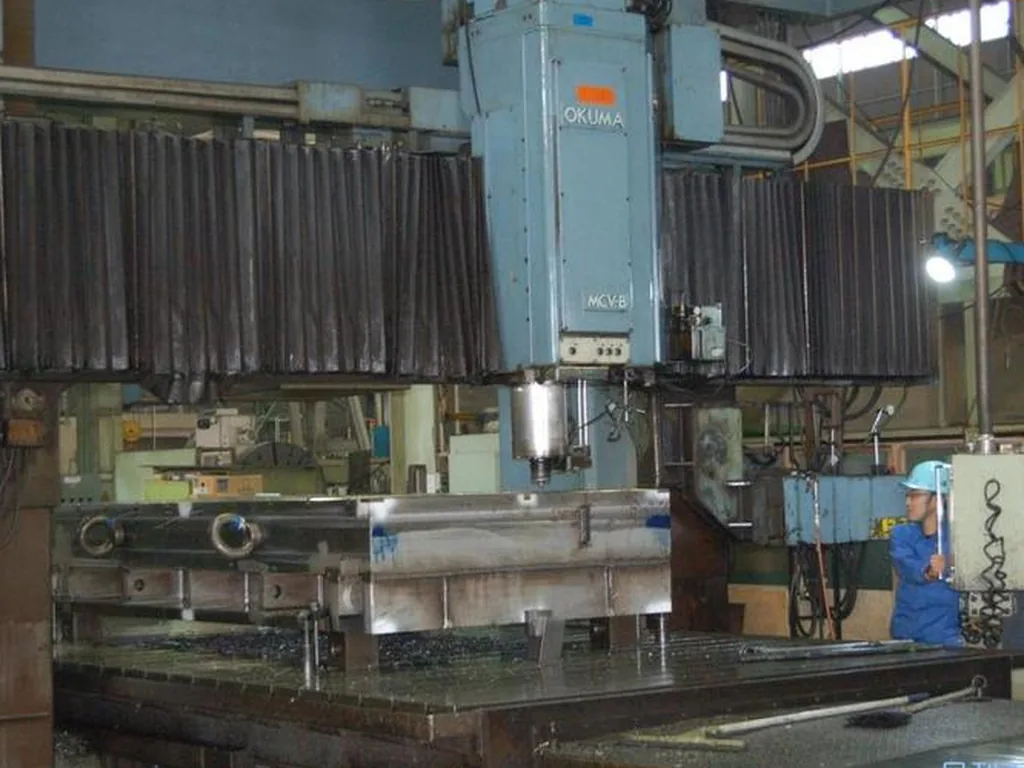
Full cover of electrical control circuits and mechanical repairs, major and minor, keeping accuracy on line across small, medium and large machining equipment and underpinning plant output.
Refurbishing, upgrading and retrofitting aging equipment restores — or exceeds — original performance for less investment, and ties directly into the equipment renewal planning in the management system.
Assembling and on-line commissioning for out-of-province suppliers' equipment coming into Sichuan builds the equipment file and data baseline from day one of operation, giving maintenance, troubleshooting and refurbishment something to work from.
Taking on outsourced warranty-period work for manufacturers, we respond quickly on site while building up equipment operating data that feeds back into preventive strategy and system documents. That closes the loop.
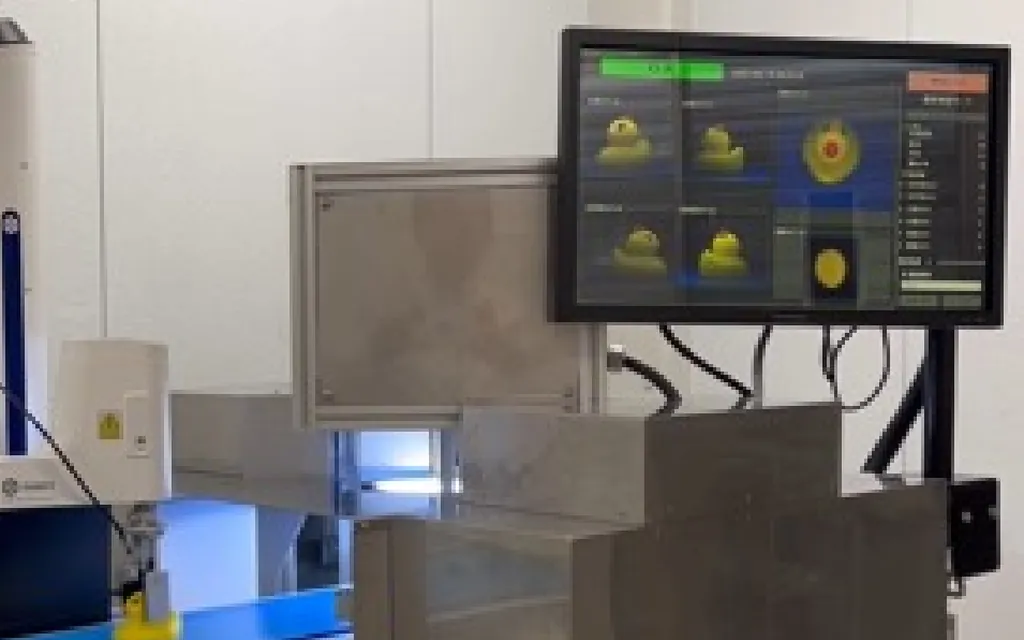
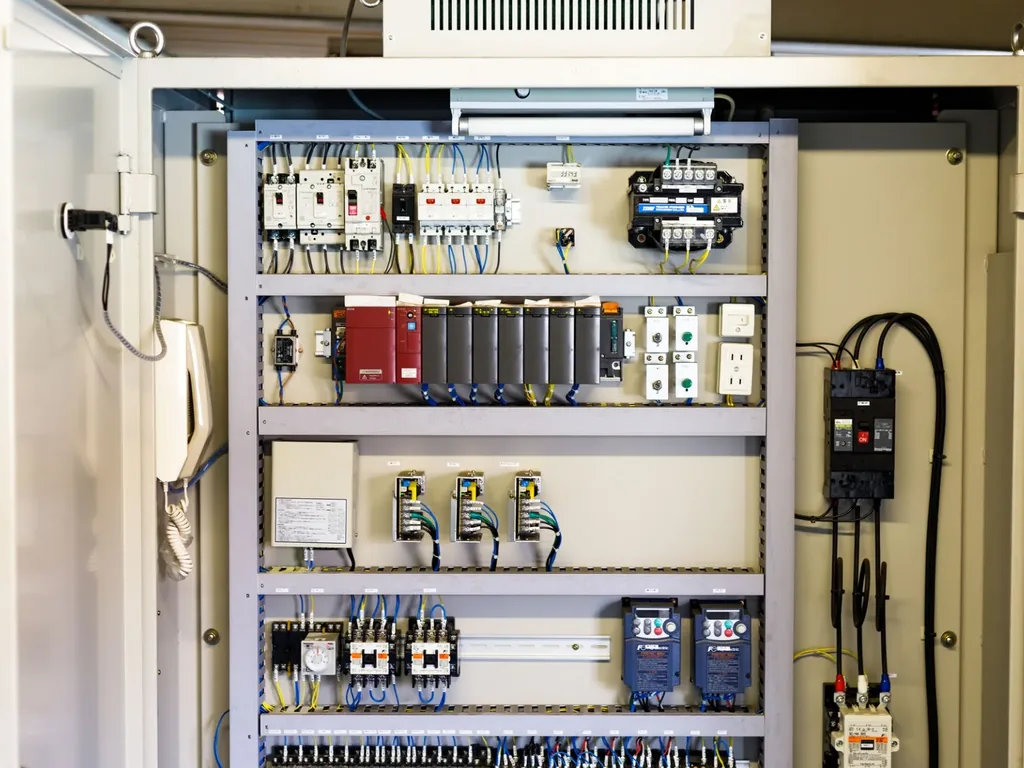
PLC, servo, interlock and networking retrofits raise cycle time and quality while collecting current, temperature and vibration data that feeds back into preventive maintenance strategy and alarm thresholds, adding another link to the loop.
Every step has a standard, a record and a deliverable.
On-site survey or remote discussion to establish the equipment's condition and the management pain points, then issue a diagnostic opinion.
Tailored management, maintenance, overhaul and lubrication plans, with frequencies, standards and deliverables spelled out.
A senior technician team works to the plan, records key checkpoints, and issues a report and file on completion.
Periodic follow-up visits and data analysis keep refining lubrication frequency and maintenance strategy, closing the improvement loop.
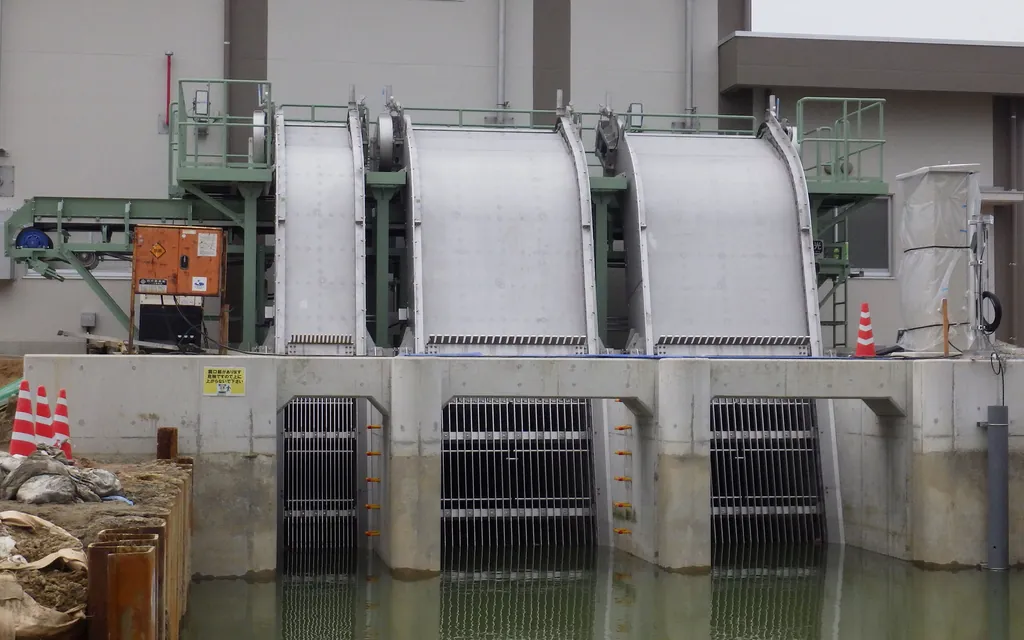 FIELD · SCHH-2026
Tell us about your equipment and we will judge which module is the most cost-effective place to start.
 Scan to add Engineer Man on WeChat
 Guangzhou Yujihang Computer Technology Co., Ltd. · www.accpc.com.cn
 Guangzhou Henghuan Technology Co., Ltd. · www.hhrobotics.cn
 Nanchong Henghuan Robotics Co., Ltd. · www.hhrobots.cn