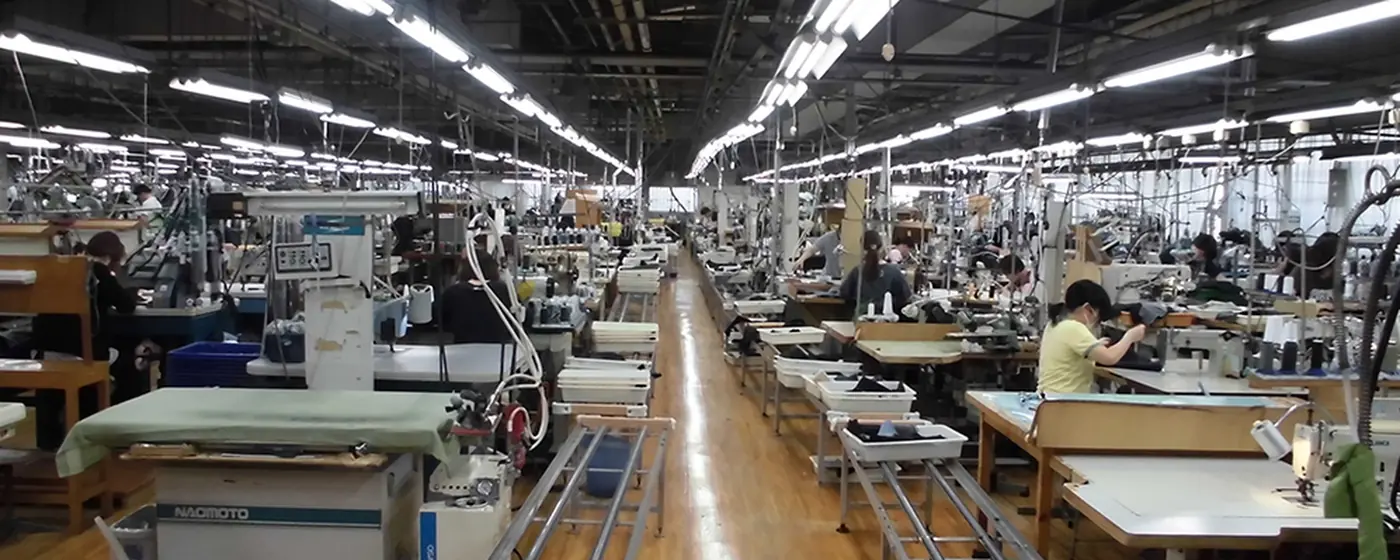
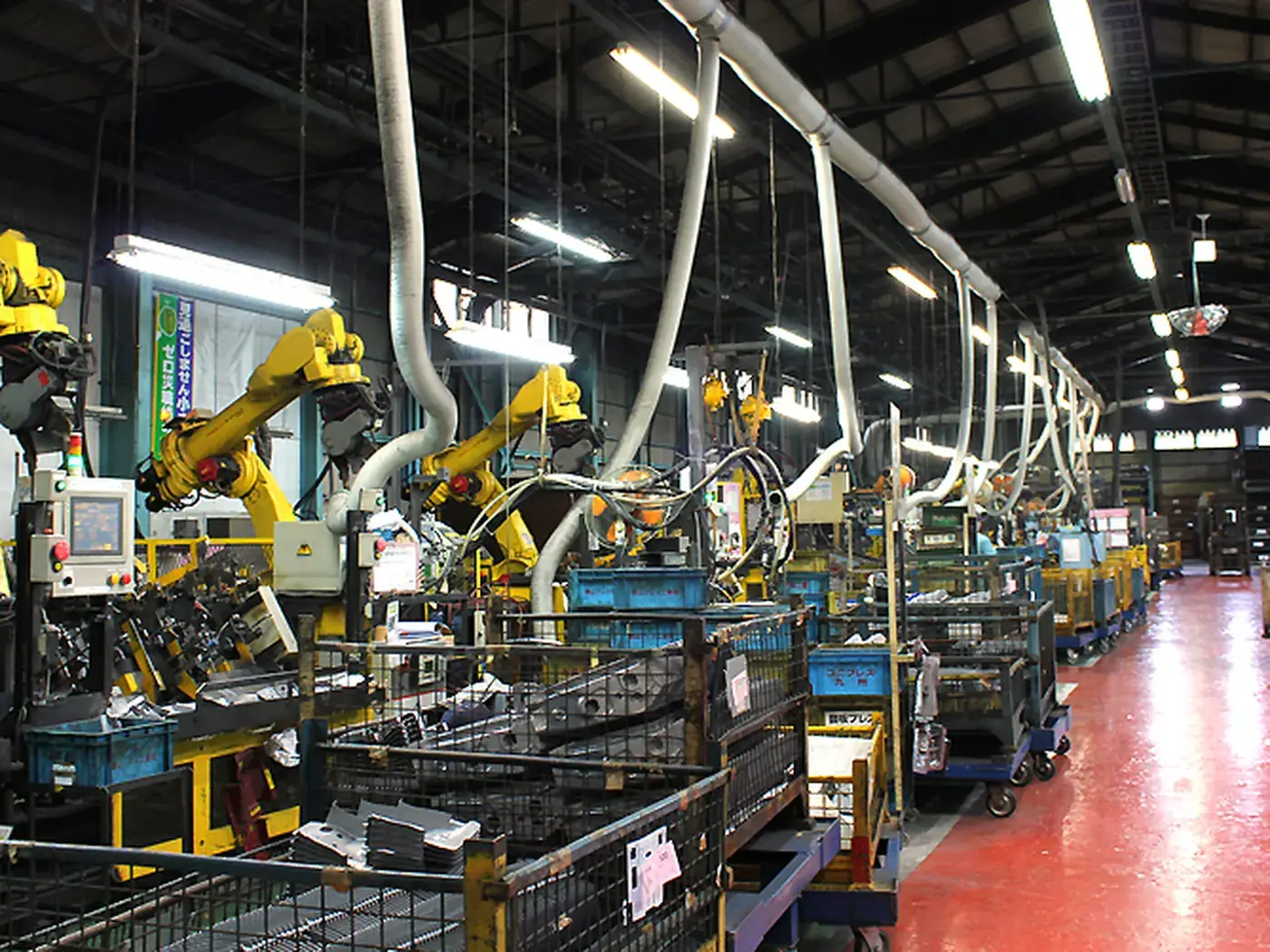
Bringing old equipment into the digital line: PLC and electrical-control retrofits, servo-drive and motion-control upgrades, line automation and safety-interlock retrofits, equipment networking and data collection - raising efficiency while feeding data back into maintenance.
 FIELD · SCHH-2026
 FIELD · SCHH-2026
The key control points and acceptance criteria we hold to on site for this kind of work: standards first, data speaks, and clients can supervise against the list.
A one-off job fixes a one-off problem; systemic problems need the modules working together. This module works directly with:
Automation upgrading is not about following fashion. Before investing, ask one question: what problem does it solve, and how fast does it pay back? In the scenarios below the arithmetic normally works.
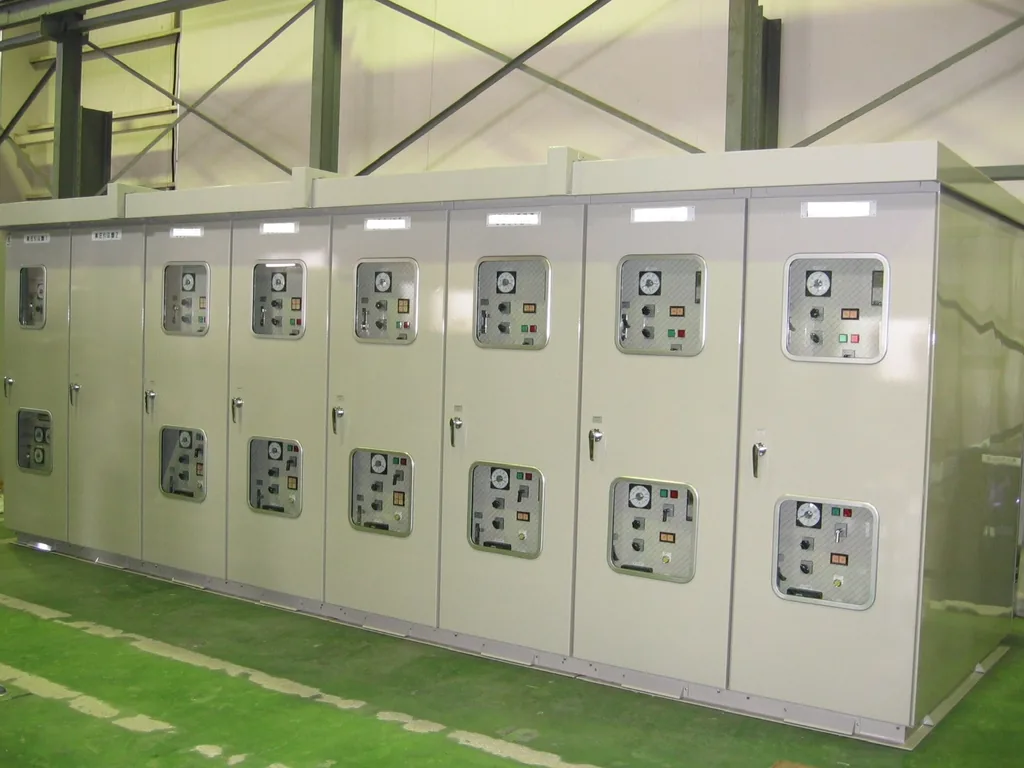
Relay cabinets made messier with every modification, components discontinued, troubleshooting dependent on the veteran's memory. After conversion to PLC the logic is clear, faults are diagnosable and parameters adjustable, and with drawings and I/O schedules delivered maintenance no longer depends on any one person. This is the standard path for the electrical rebirth of old equipment.
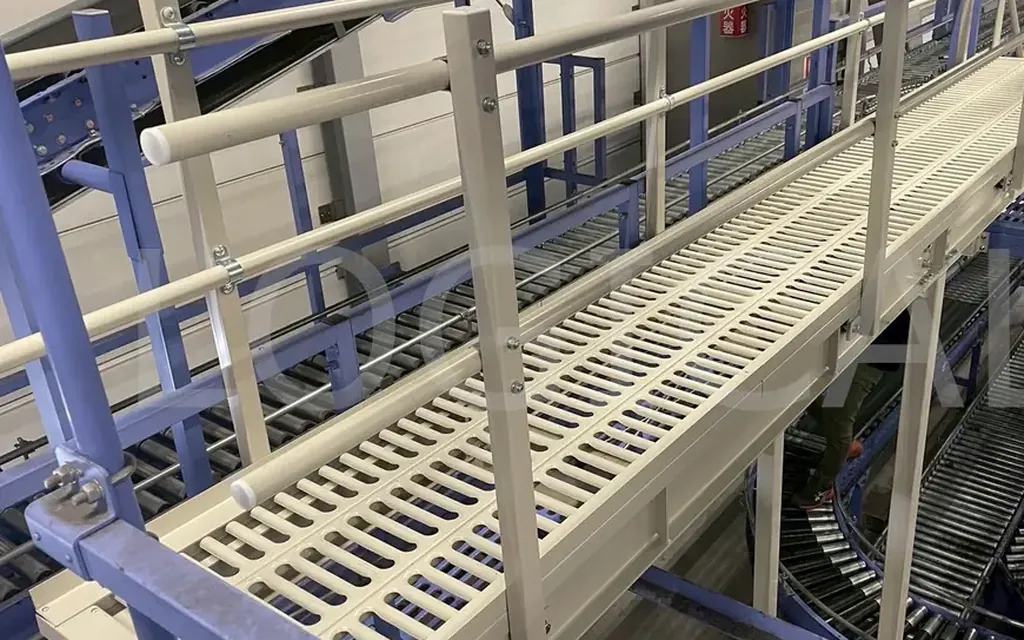
Repetitive load/unload, palletising and transfer jobs are hard to recruit for, have high turnover and carry safety risk. Partial automation with fixture mechanisms, manipulators or conveyor integration moves people out of repetitive labour. Cycle time and payback are calculated before the upgrade - projects whose benefit cannot be stated clearly we do not recommend.
Fans, pumps and conveyor lines run at fixed speed year round, throttled by valves and dampers as the load varies - electricity burned for nothing. A VFD retrofit with closed-loop control optimises energy and cycle time together. These retrofits typically pay back in months and are the best-value automation projects there are.
An E-stop wired in series through ordinary relays, missing light curtains, guard doors with no interlock, non-compliant two-hand control. Interlocks are retrofitted to the safety standards using safety relays or a safety PLC, with fail testing at acceptance. Money spent on safety functions cannot be cut - it is both a compliance requirement and an accident-cost calculation.
Appearance inspection, dimensional sampling and presence checks relying on people, with a high miss rate and inconsistent standards. Vision inspection with automatic rejection turns quality judgement from human eyes into data. A hard-won lesson: lighting selection matters more than the camera - we have had a case where the most expensive camera in the first design failed, and the right lighting made it pass.
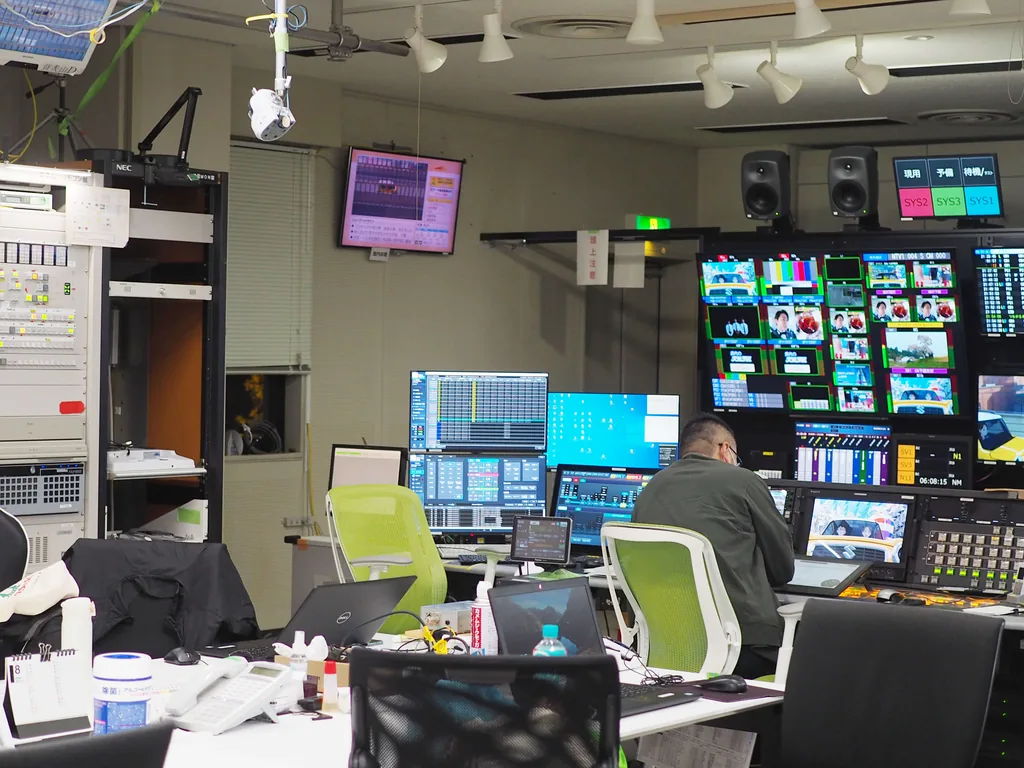
Whether a machine ran, how much it produced, where it stopped and why - all of it relies on someone writing it down. Networking the equipment with data acquisition puts an OEE dashboard in front of you in real time, with warning thresholds calling ahead. Data is not just reporting; it is the basis of preventive maintenance, turning the maintenance strategy from guesswork into trend reading.
Most automation projects that fail do so not from weak technology but from an uncontrolled process. These four disciplines are the constraints we place on ourselves.
Automation does not mean robots and whole-line conversion. For a small plant the best value is usually three kinds: VFD energy retrofits (payback in months), safety interlock completion (a compliance necessity), and partial mechanisation of a critical process (solving the bottleneck). Investment ranges from tens of thousands to a few hundred thousand yuan, and fixing the single most painful point first is steadier than trying to do everything at once.
Production impact is minimised from the design stage: cabinets and mechanisms that can be prefabricated offline are built first, with only interface work done on site; shutdown windows are placed in overhaul periods or the work is staged. The plan states the downtime for every milestone, with overrun risk and contingency explained alongside.
No brand tie-in. Selection follows three principles: the mainstream brand already in your plant (unified maintenance), a match to project complexity (no high-end hardware on a simple machine), and reliable supply and after-sales channels. If you specify a brand, we build to it - programme and commissioning quality is our responsibility either way.
Local deployment by default: data stays on an in-plant server or the edge gateways, with dashboards accessed from the shop floor and the office network - nothing goes to a public cloud. Where you need remote viewing, an encrypted channel can be configured. Ownership of the equipment and production data is yours, and we use it for no other purpose.
We do. Upgrade projects carry a warranty period, with faults inside it handled free of charge; afterwards they can move onto annual maintenance. The upgraded points are written into the equipment file and inspection standards, and programme and parameter changes go through the recording process. What we do is long-term service, not a one-off deal.
 FIELD · SCHH-2026
Tell us about your equipment and we will issue a diagnostic opinion and a cooperation plan.
 Scan to add Engineer Man on WeChat
 Guangzhou Yujihang Computer Technology Co., Ltd. · www.accpc.com.cn
 Guangzhou Henghuan Technology Co., Ltd. · www.hhrobotics.cn
 Nanchong Henghuan Robotics Co., Ltd. · www.hhrobots.cn