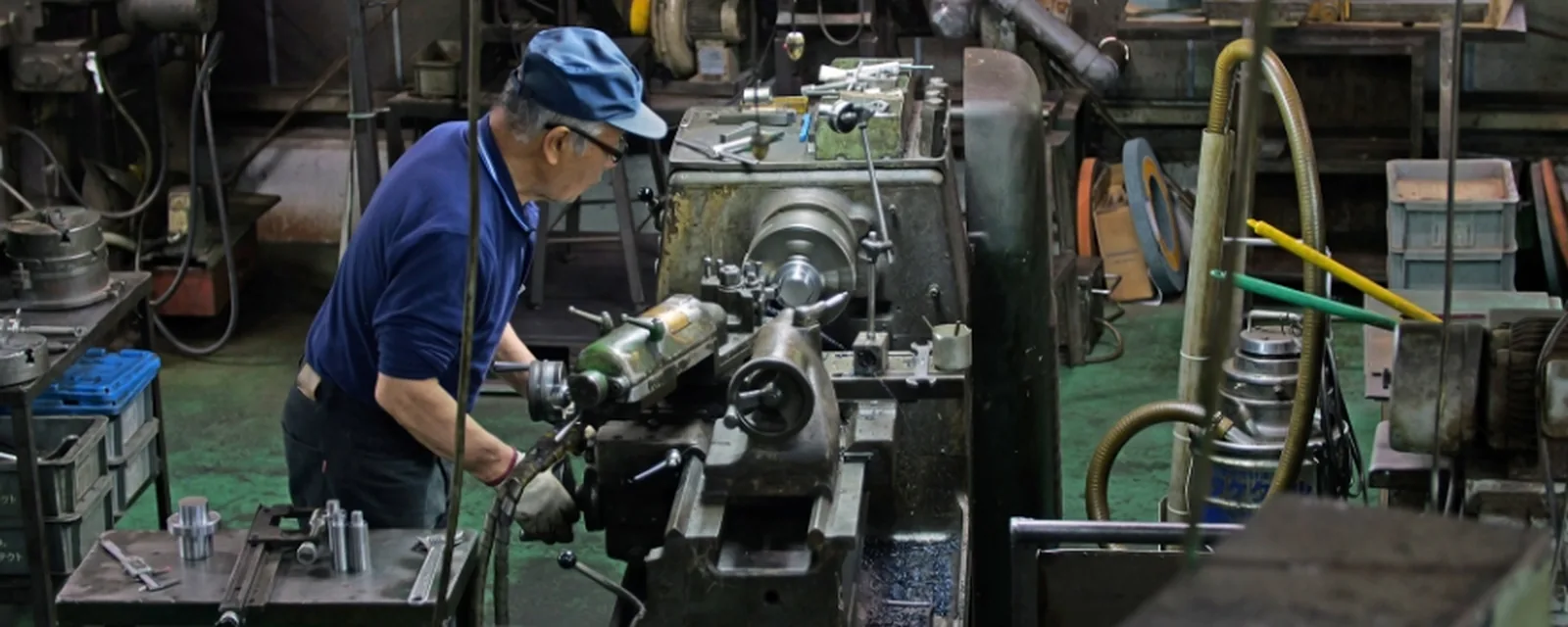
Real cases and technical experience from typical industries, recorded from the shop-floor viewpoint of a senior equipment management and maintenance engineer and master electrician — every article comes from the production line and sets out the problem, the diagnosis, the fix and the lesson.
Covers complete production lines (6), automation (5), machine tools (2), electrics (4), equipment management (4), special conditions (3). Complete industrial plant and automation come first; more notes are added over time.
 Complete production lines
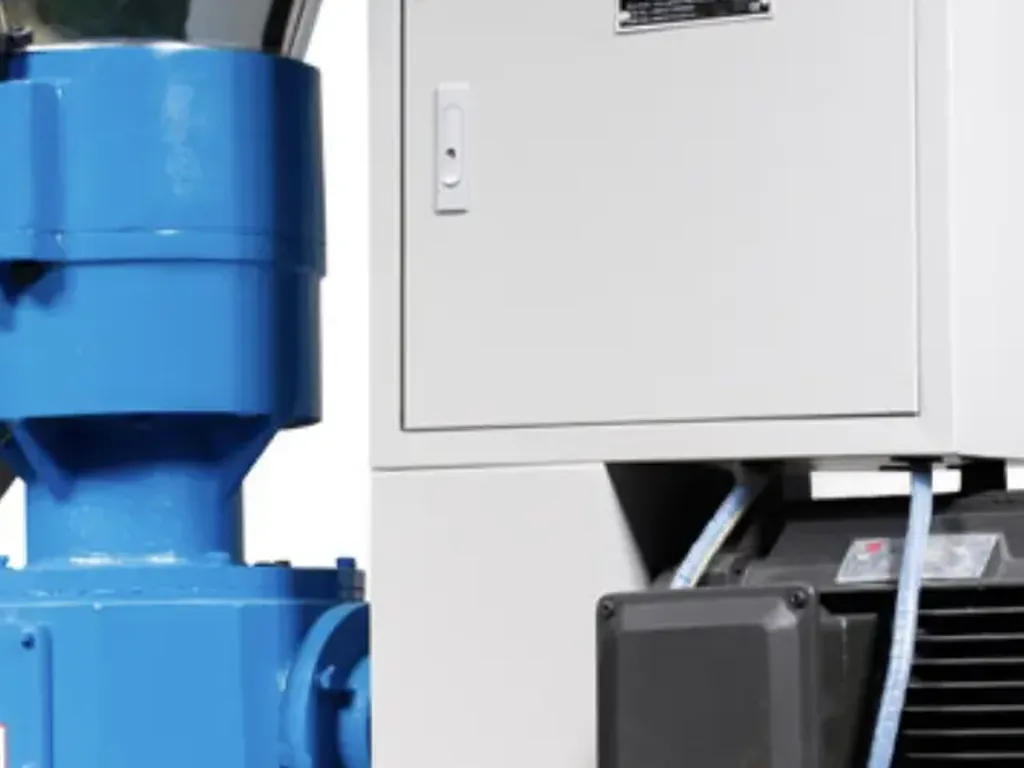
For the first three months after start-up the owner winced every time the pellet mill came on: blocked die, tripped breaker, constant die changes. In six weeks we pulled the line out of firefighting mode and back to steady production.
 Complete production lines
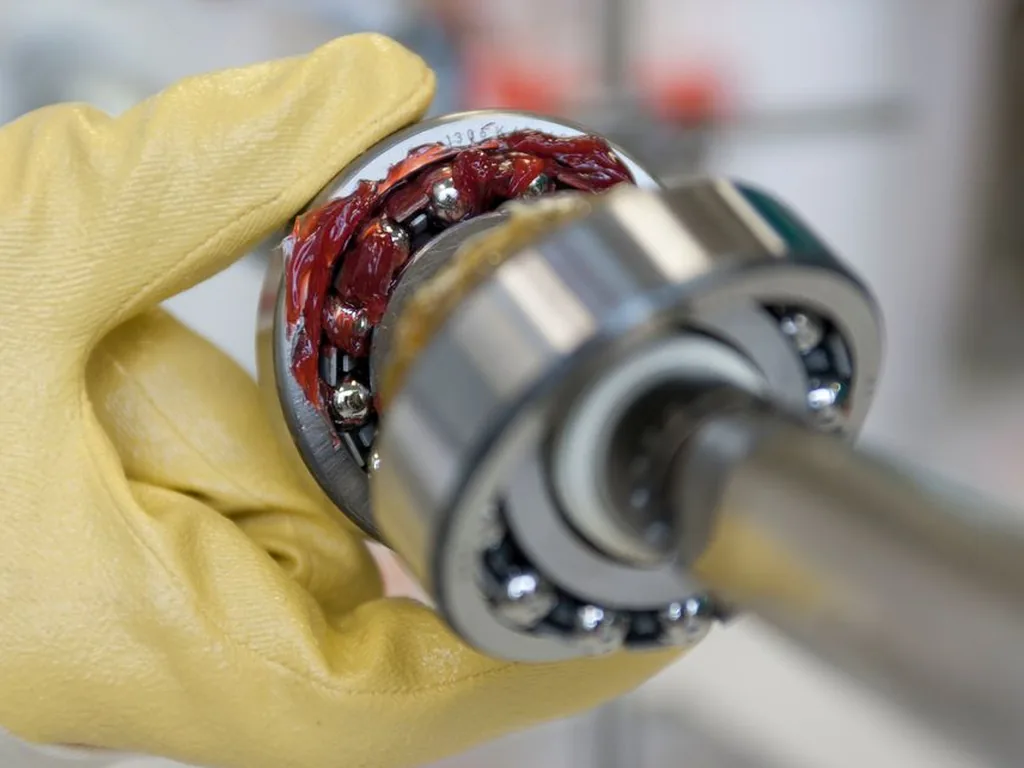
Bearings burned out every 40 days on average, and the plant had written the duty off as unsolvable. With the right grease and the right way of applying it, the same bearings ran nine months and are still in service.
 Automation
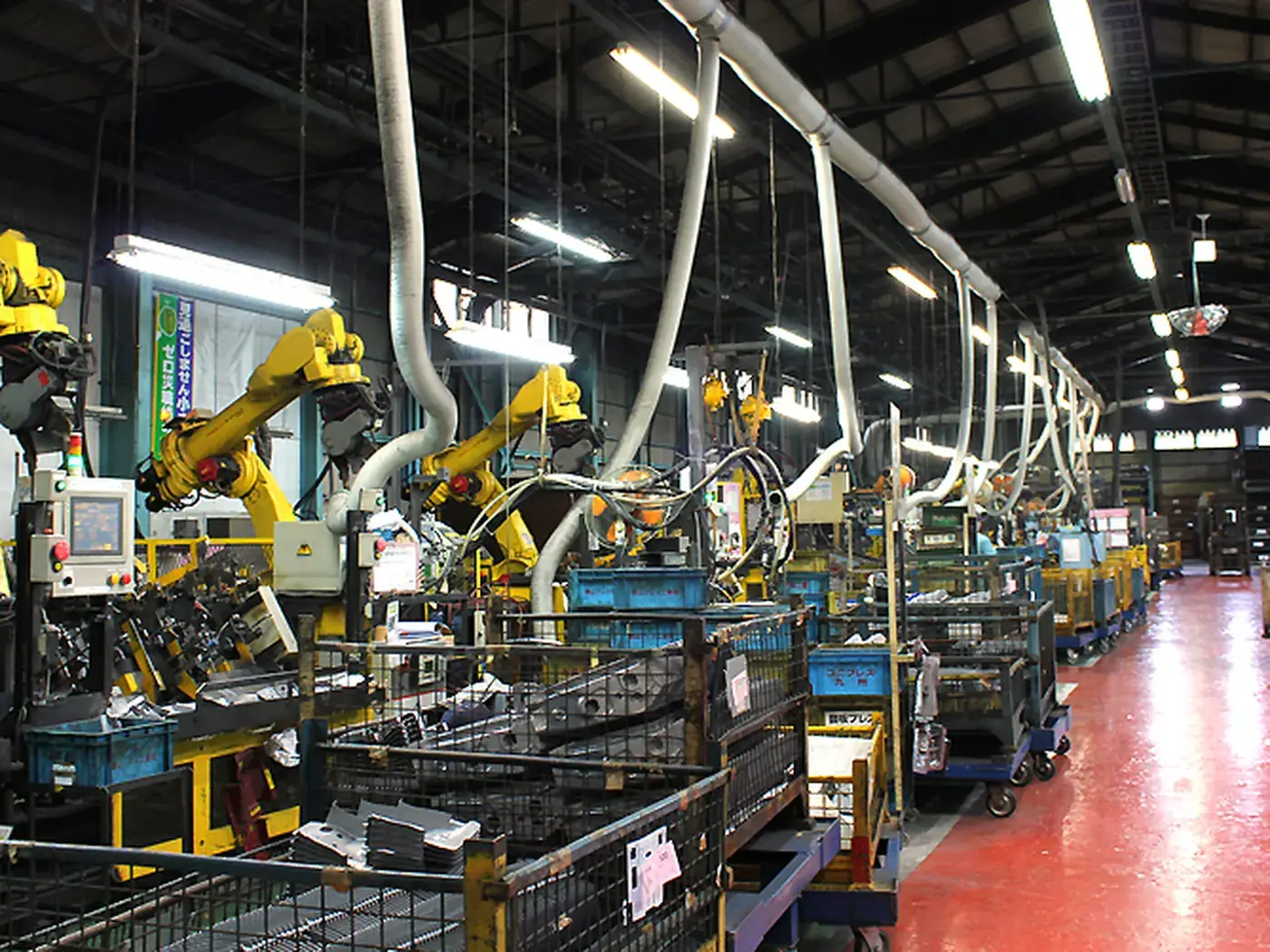
One or two random stops a day, cleared every time by a reset. Half a month of investigation found nothing. The cause turned out to be a communications cable with its shield layer cut.
 Automation
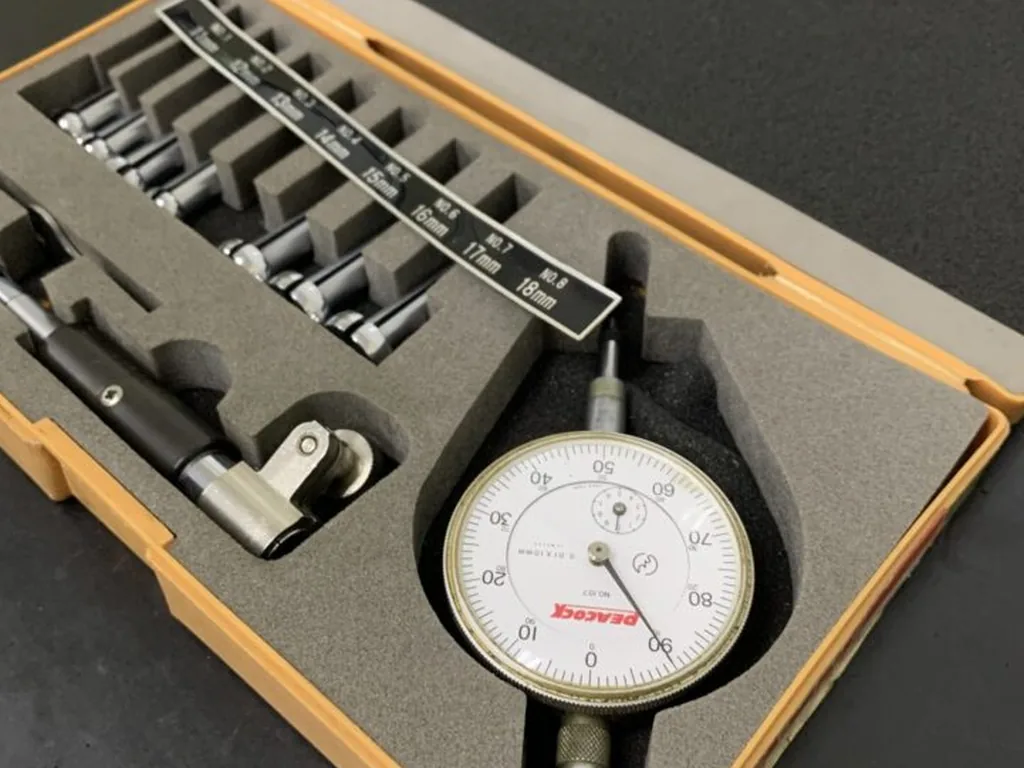
Positioning accuracy drifted slowly from 0.05 mm to 0.8 mm, and replacing the encoder did not help. The moment we opened the coupling, the answer was on the grub screw.
 Machine tools
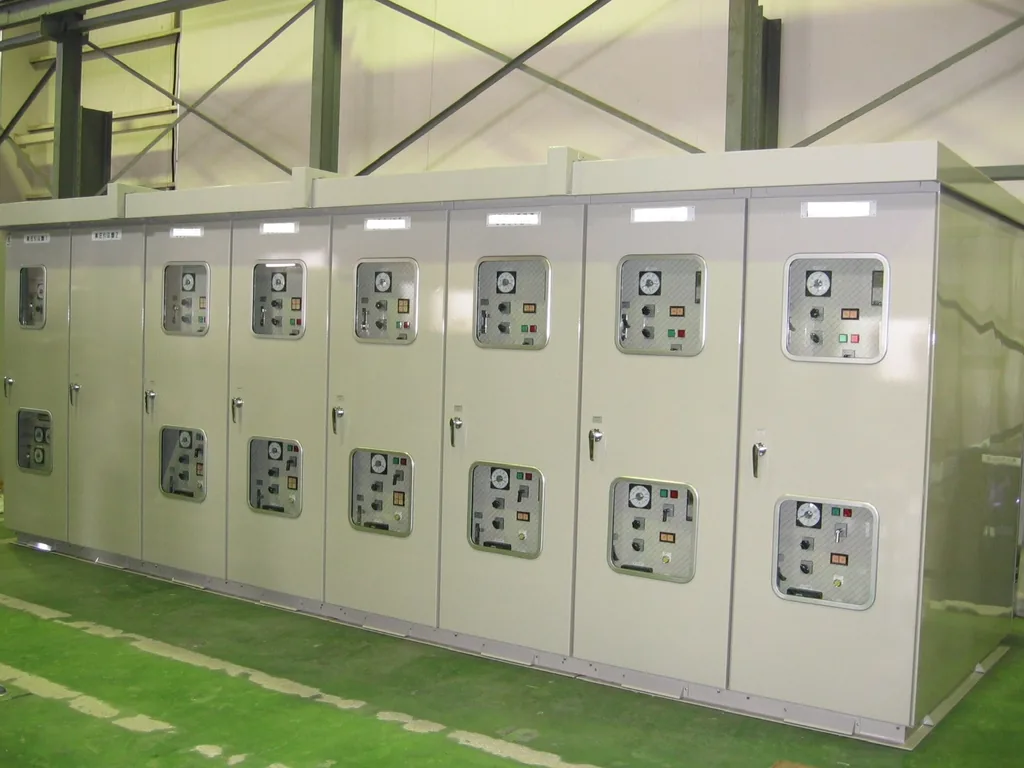
Decent mechanical accuracy but tired electrics is the shared lot of many old machine tools. On this gantry mill the retrofit came down to trade-offs, not technique.
 Machine tools
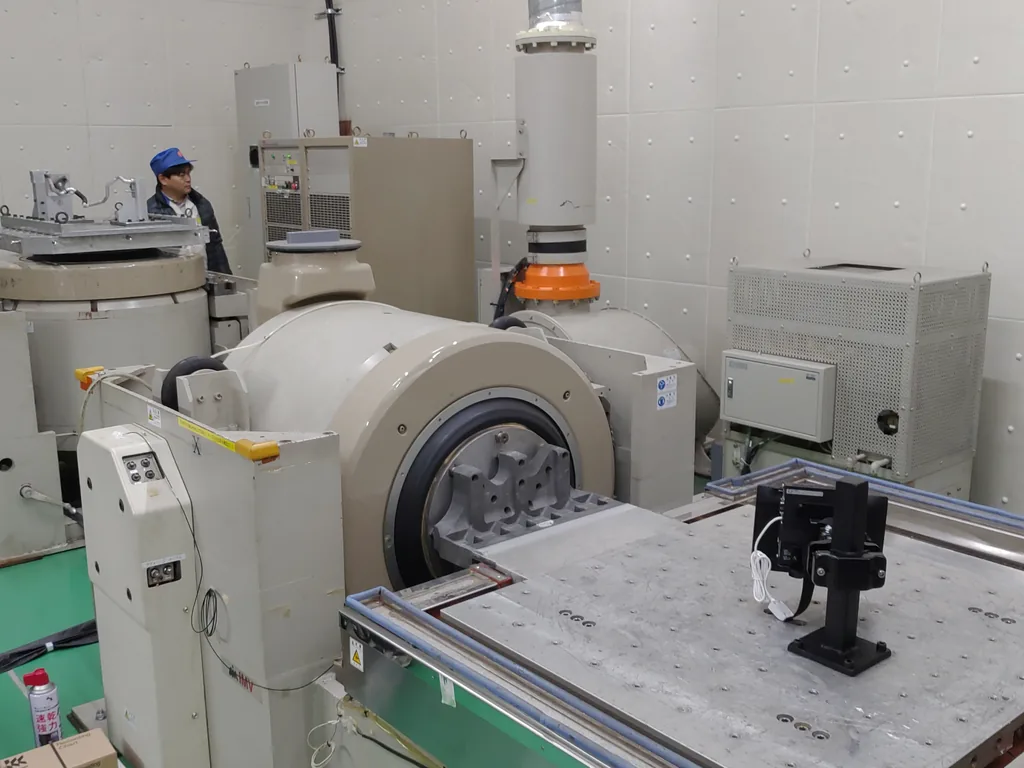
The noise was only the surface. This lathe's problem was a chain: bearing wear was the effect, slight taper bore distortion the cause, and the real origin was one tool crash.
 Electrical
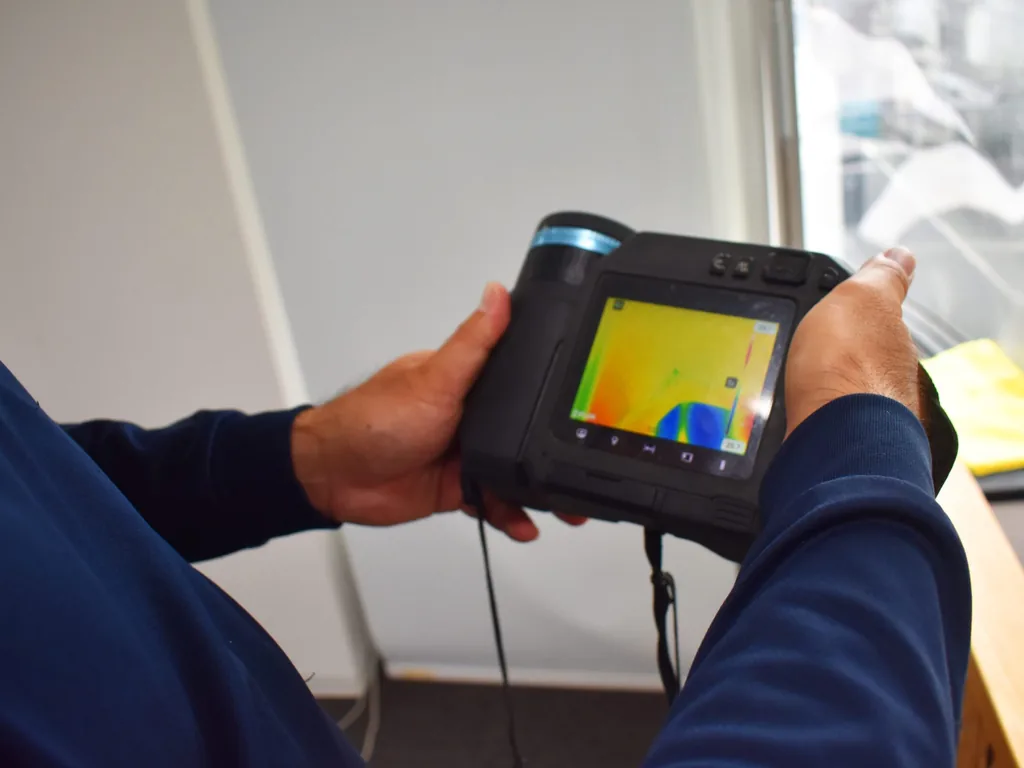
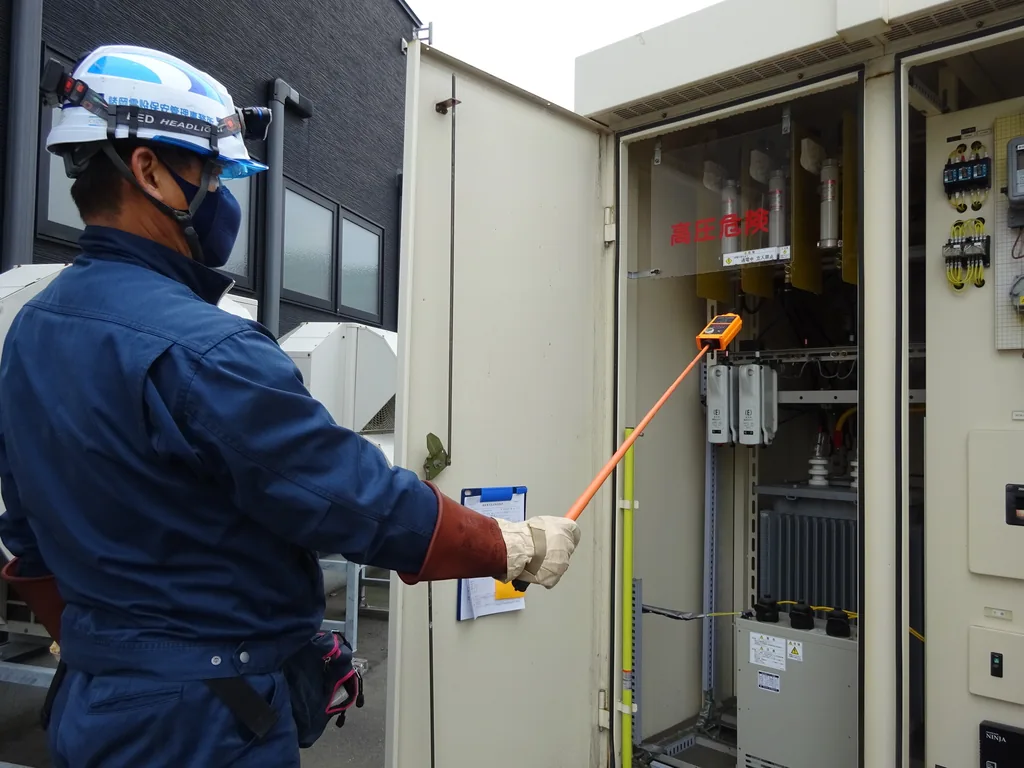
Three VFDs blew in one year and the plant blamed the brand. Inside the cooling duct of the third one there was enough dust to fill half a box.
 Electrical
The night the neutral conductor burned through, the line happened to be down. Reviewing the records, the signs of three-phase imbalance were already there in the meter readings from three years earlier.
 Equipment management
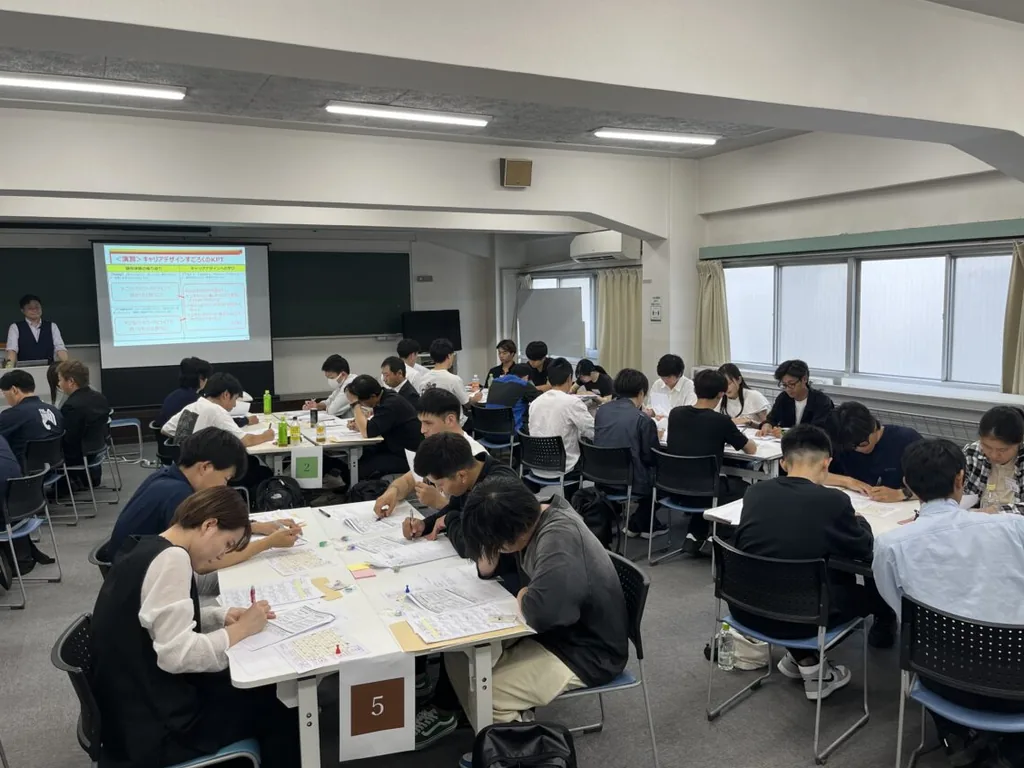
The worst thing for a new plant is not having no system, but carrying a copied system that cannot run from day one of production. In these 90 days we only did what could actually be put into practice.
 Equipment management
The inspection sheets were full of ticks, yet not one site problem was caught. The issue was not the people, it was the sheet — I spent four weeks proving that.
 Special operating conditions
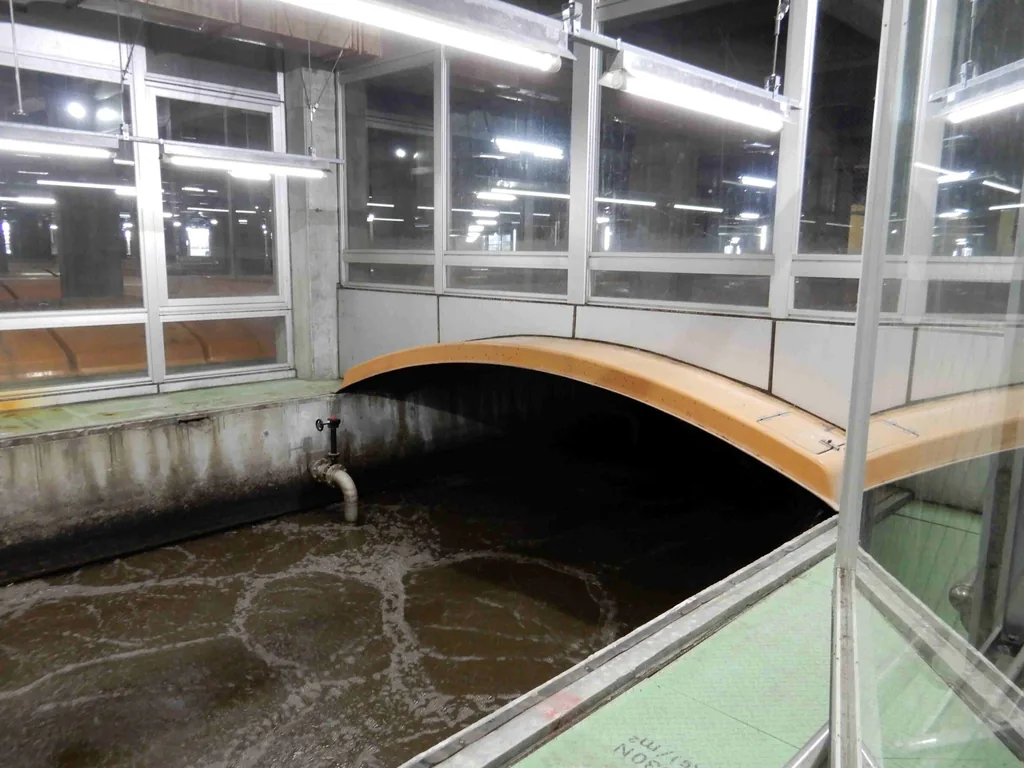
Copying the manufacturer's service manual breaks down under corrosive conditions. The blower maintenance plan for this WWTP was recalculated for the environment.
 Special operating conditions
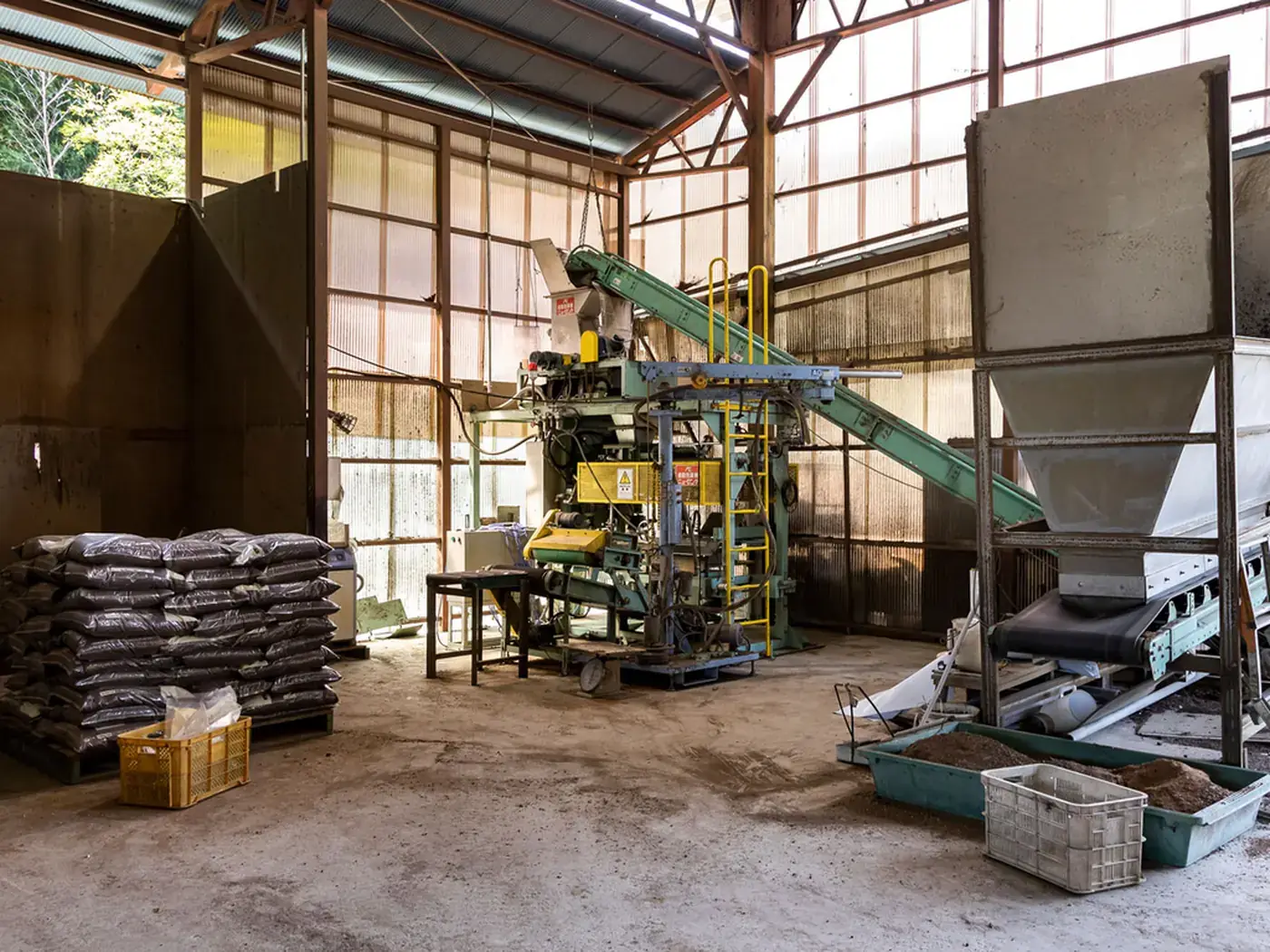
Every year from June to August the compost turner's hydraulic system threw oil temperature alarms and went sluggish, and the plant just waited for cooler weather as usual. This year we did not wait.
 Complete production lines
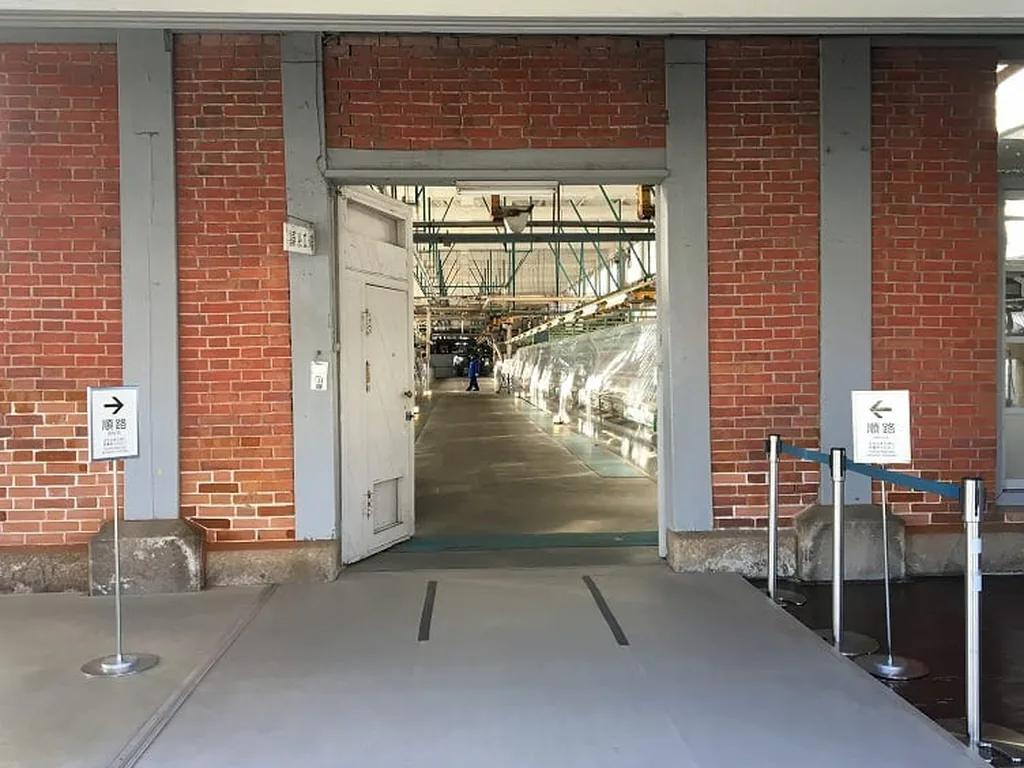
A ten-year-old line was failing constantly and a quote for a new one sat on the table. A three-year cost comparison turned the decision from gut feeling into arithmetic.
 Complete production lines
Belt mis-tracking kept coming back and idlers were replaced every three months. Both problems turned out to have one cause: the material drop point was off.
 Automation
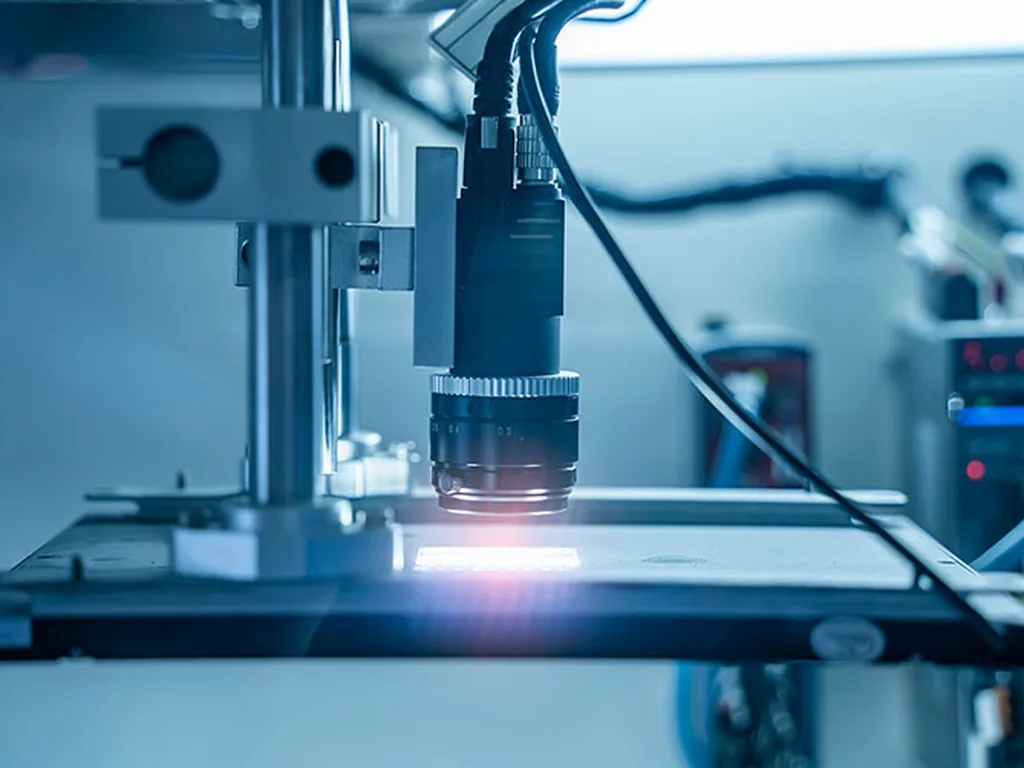
The first design used the best camera, and the inspection still failed. Change the lighting, and the same camera passed.
 Automation
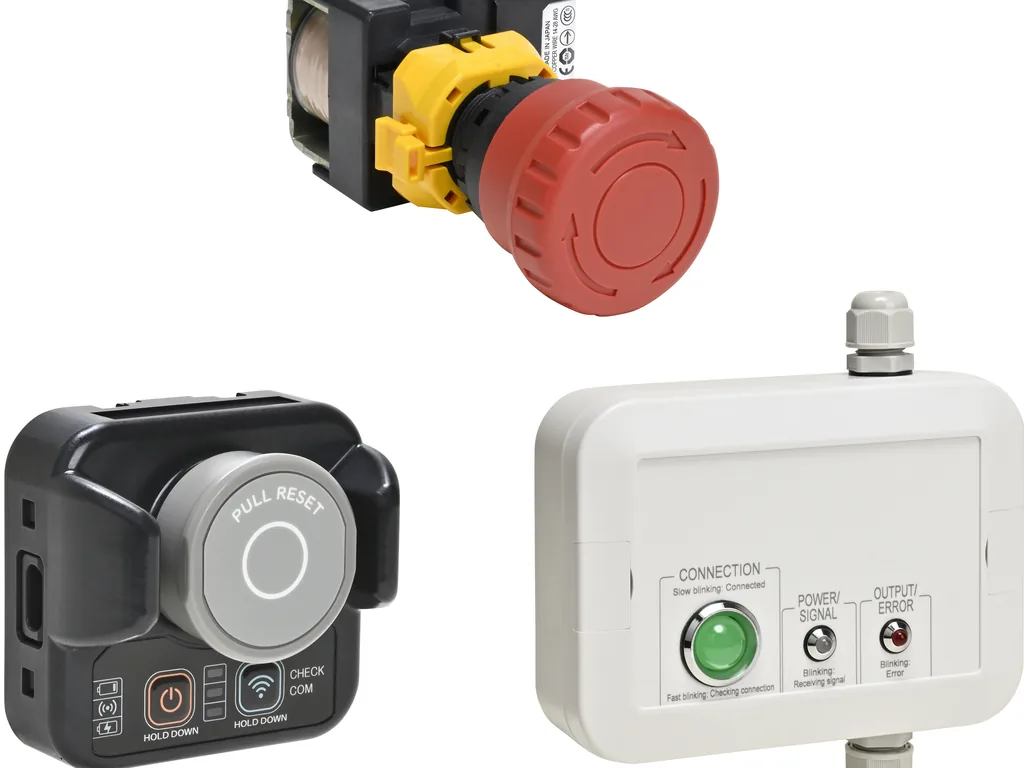
E-stop buttons wired in series into ordinary relay circuits is a common fault on older equipment. This retrofit gave the safety function back to proper safety devices.
 Electrical
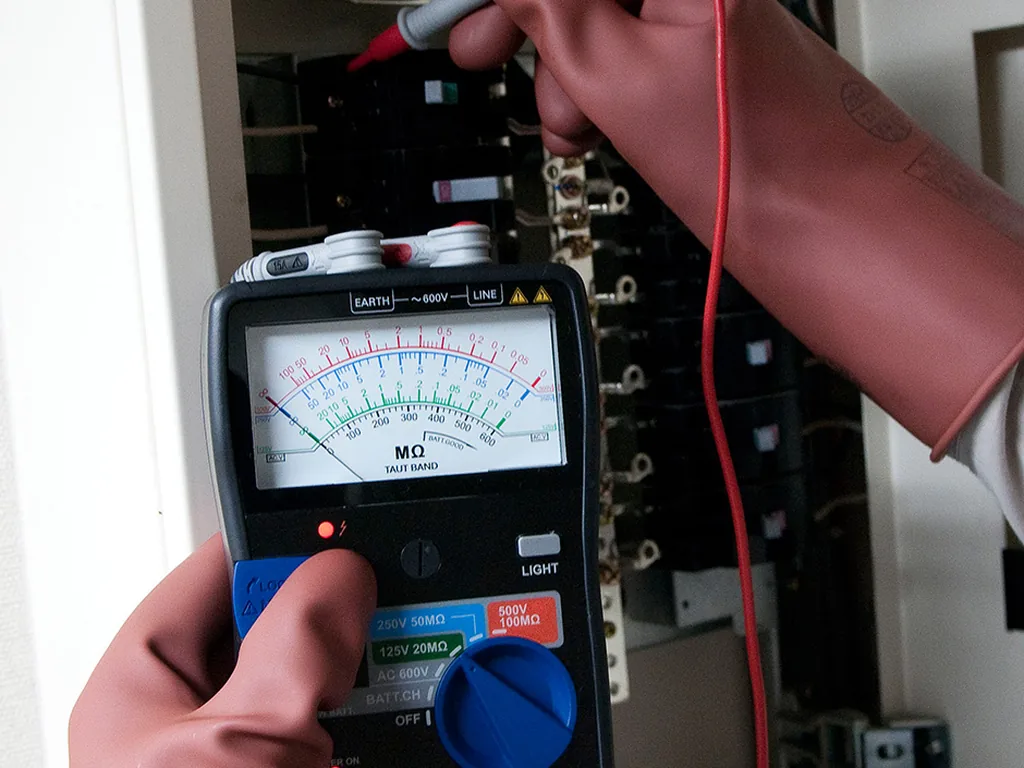
Random tripping every rainy season, and replacing the RCD did not stop it. Sectional insulation testing located three degraded points in four days.
 Electrical
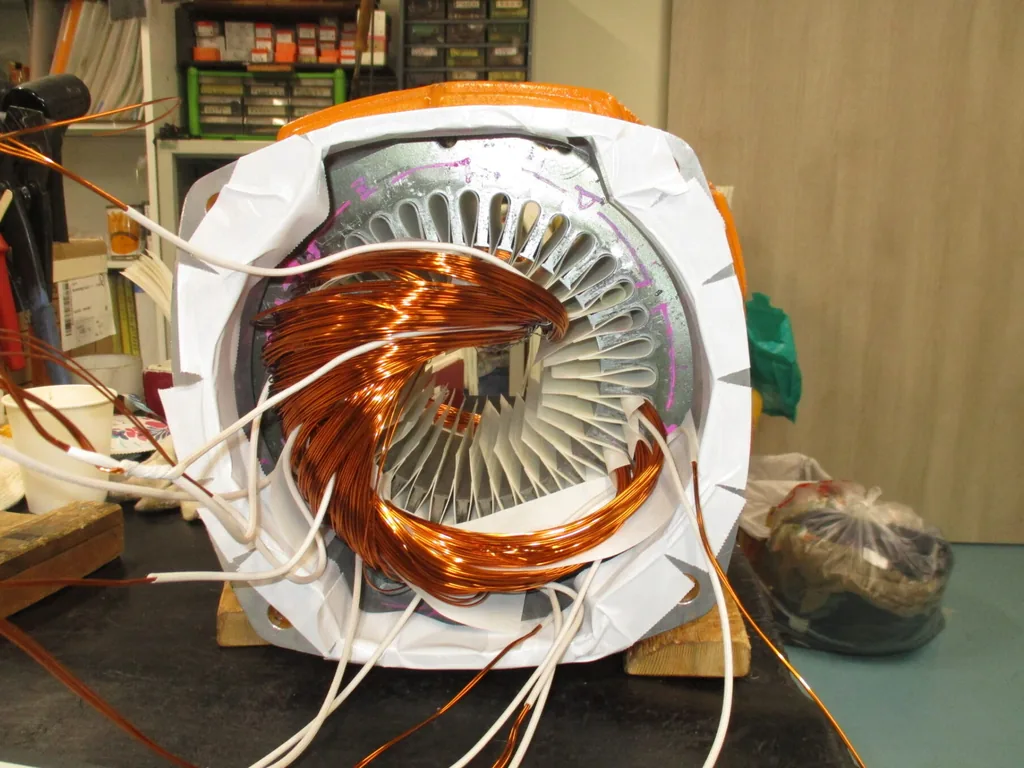
Three motors burned out in three months, and the windings all showed the same burn pattern. Single-phasing, with no protection in place.
 Equipment management
The register was one Excel sheet, and maintenance records were scattered across three notebooks and a WeChat group. Ninety days later every machine had its own file.
 Equipment management
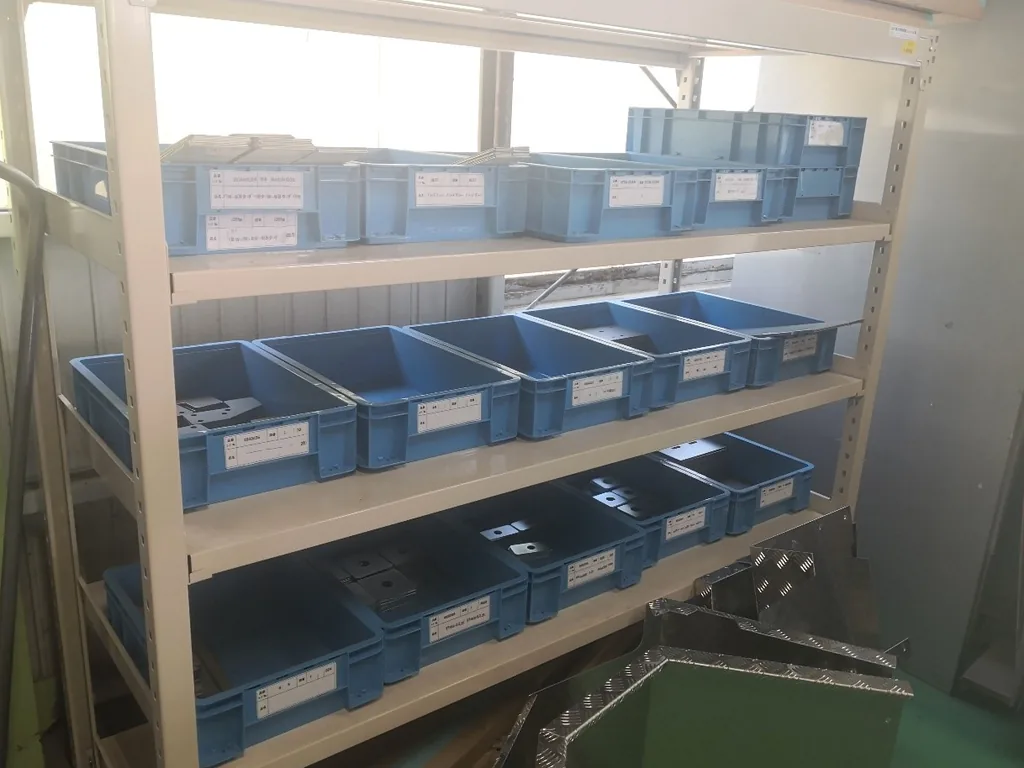
The store held parts untouched for three years, and lacked the critical ones when they were needed. The problem was not too much or too little stock, but the wrong structure.
 Complete production lines
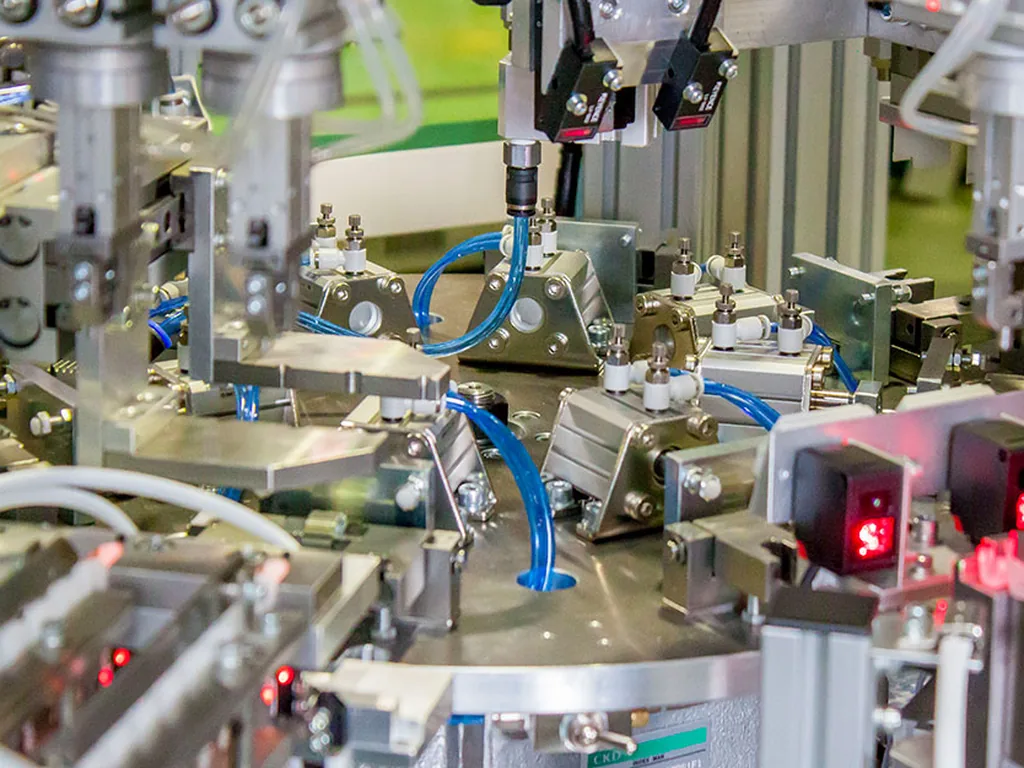
The equipment was shipped from another province and the supplier's engineer was booked a month out. With a remote-plus-on-site arrangement the line did not wait.
 Complete production lines
Most plants accept delivery with just a certificate of conformity and drawings. We insist on three more things: baseline data, a wear-parts list, and a fault code table.
 Special operating conditions
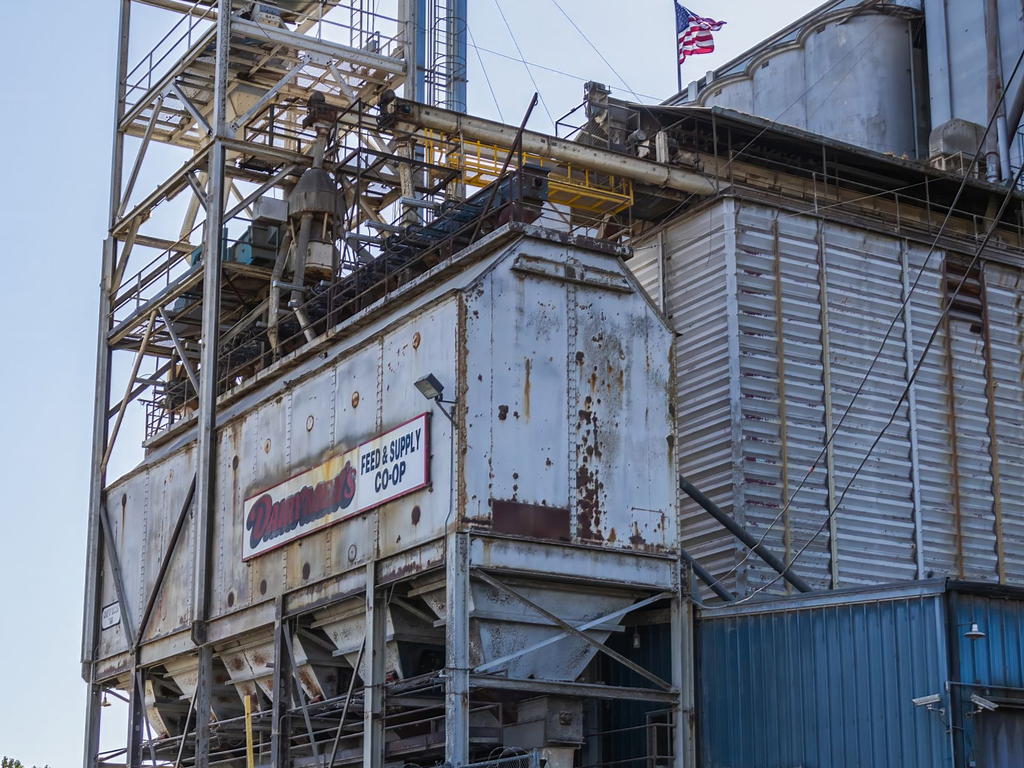
A dust explosion is not a low-probability event, it is what happens once the conditions line up. This remediation removed those conditions one by one.
 Automation
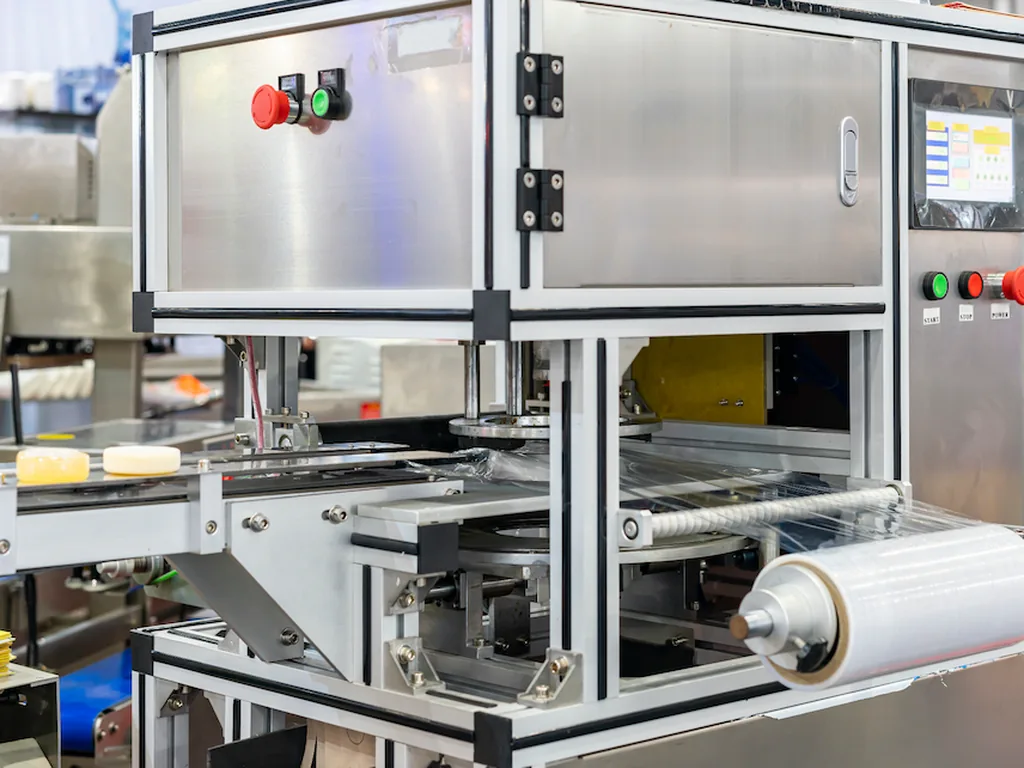
Heat seal temperature swung widely and seal quality came and went. Replacing the heater element did not help; the problem had been sitting in the parameters for two years.
These cases are not piled up here by date. If you come with a specific problem, reading along the paths below will save you some detours.
Pellet-line capacity ramp-up at a feed plant, a lubrication revolution on a biomass-pellet line, an overhaul decision for a brick line at a building-materials plant, conveyor belt mistracking and idler life, blower maintenance at a sewage plant, and hydraulic overheating on a windrow turner at a bio-fertilizer plant. What they share: looked at individually, no single machine has a major fault - the problem lies in whole-line matching and adaptation to the operating conditions. A useful reference for continuous-production plants that cannot afford to stop.
A seven-day investigation of intermittent PLC stops on a packaging and palletising line, 0.8 mm servo positioning drift, lighting selection for adding vision inspection to an old line, upgrading a safety circuit from series-wired e-stops to a safety relay, and PID tuning for packaging-machine temperature control. What they share: the faults hide in details such as shielding, coupling, parameters and component selection, and cannot be solved by swapping parts. Suited to plants with automated lines.
The trade-offs of converting an 18-year-old gantry milling machine from relay logic to a PLC, and a three-level diagnosis of lathe spindle noise (a chain of causes from the bearing to taper-bore accuracy). What they share: mechanical accuracy and the electrical system must be viewed together, and the key to a retrofit often lies not in the technology but in the trade-offs. Suited to machining shops and plants with old machine tools.
A post-mortem of blown VFDs (a compound fault of dust plus blocked airflow), a burned-through main neutral and three-phase imbalance in a workshop, sectional insulation testing to locate rainy-season earth-leakage trips, and three motor burn-outs traced to one root cause (missing phase-loss protection). What they share: the root of electrical faults usually lies in cooling, dust, insulation degradation and missing protection, not in the circuit itself. Relevant to electrical leads at every plant.
A rollout note on building a new plant's system from zero to one in 90 days, why inspection sheets always end up perfunctory, rebuilding an equipment ledger for 300 machines with one file per machine, and an ABC classification that cut spare-part inventory by 42%. What they share: the answer to a management problem is not in the policy text but in whether the shift crews can actually execute it. Suited to new plants and those closing management gaps.
Dust explosion-protection work in a feed plant's grinding section, a rework of lubricants and intervals under the corrosive conditions of a sewage plant, and a collaboration model for installing and commissioning out-of-province equipment in Sichuan. What they share: generic manuals fail under special conditions, and the plan has to be recalculated for the environment. Safety-related corrective work allows no shortcuts.
The cases differ, but the causes of faults and the way they are handled repeat closely. The seven points below were distilled from more than twenty years on site, and they also explain why our approach differs somewhat from others'.
The patterns above are distilled from the 24 field notes on this site; for the specific handling processes and data, see the corresponding case pages. The equipment parameters and treatment methods in the cases are records of field experience - for actual execution, defer to the equipment manufacturer's technical documents and current national standards.
The cases are written this way not to look good but so that a reader can check their own equipment along the same lines. All 24 follow the six sections below.
Bring us your equipment problem — the diagnostic thinking is free.
 Scan to add Engineer Man on WeChat
 Guangzhou Yujihang Computer Technology Co., Ltd. · www.accpc.com.cn
 Guangzhou Henghuan Technology Co., Ltd. · www.hhrobotics.cn
 Nanchong Henghuan Robotics Co., Ltd. · www.hhrobots.cn