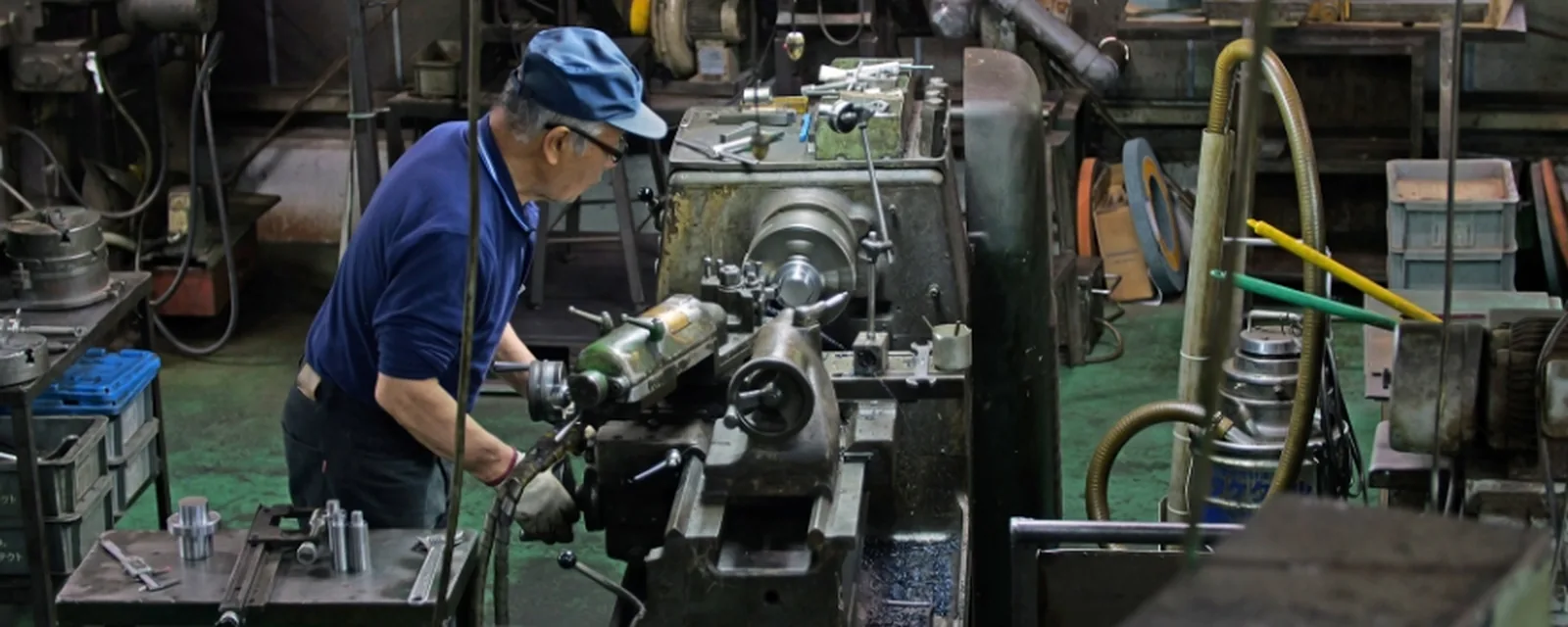
Adding a second life to old equipment: refurbishment, upgrade and retrofit that restore — or even exceed — original performance at a fraction of the cost of buying new.
 FIELD · SCHH-2026
 FIELD · SCHH-2026
The key control points and acceptance criteria we hold to on site for this kind of work: standards first, data speaks, and clients can supervise against the list.
A one-off job fixes a one-off problem; systemic problems need the modules working together. This module works directly with:
Refurbishment and upgrade is not sentiment - it is arithmetic. In the cases below the retrofit arithmetic normally works; conversely, where a machine should be retired, we say that plainly too.
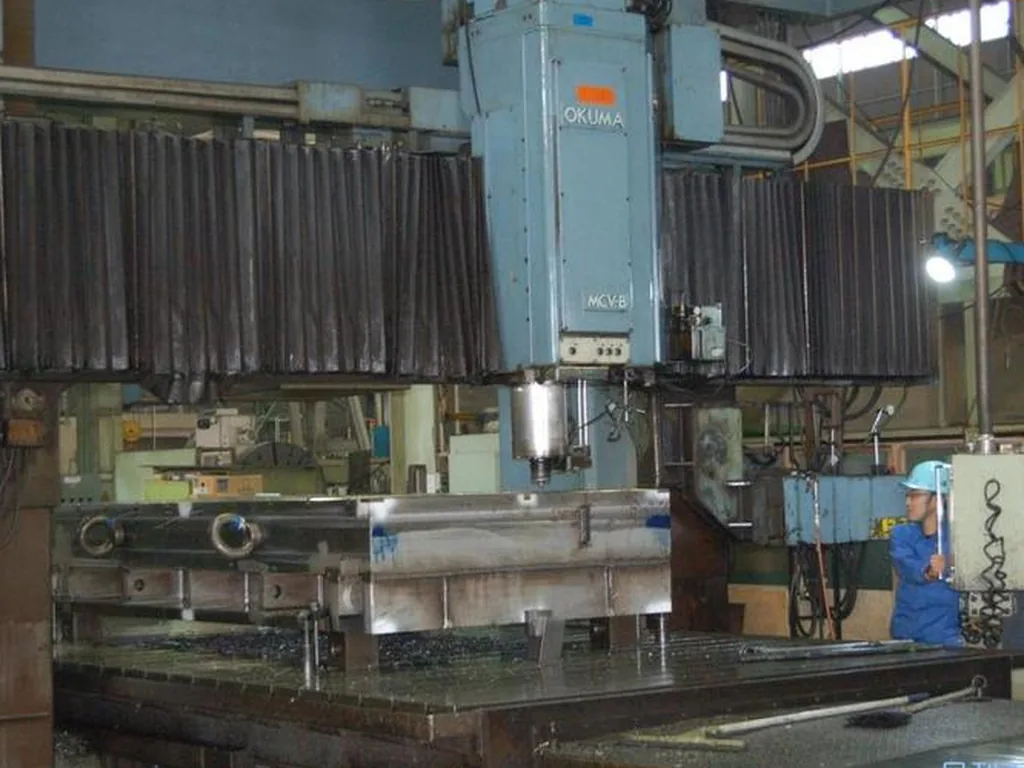
The bed, frame and base components show no serious deformation or wear - only ageing relay logic and components that are discontinued and unobtainable. For such machines an electrical rebirth (PLC conversion, drive replacement, renewed operator interface) costs far less than a new machine and can outperform the original. Gantry mills, boring machines and special-purpose machines of fifteen or twenty years' service mostly fall in this category.
Guideway wear, screw backlash and spindle runout have pushed accuracy off target, yet production cannot do without the machine. Through scraping, gib adjustment, screw replacement and spindle overhaul, accuracy can normally be restored to what the process needs. The key is to test first and assess second, using data to judge how far restoration can go.
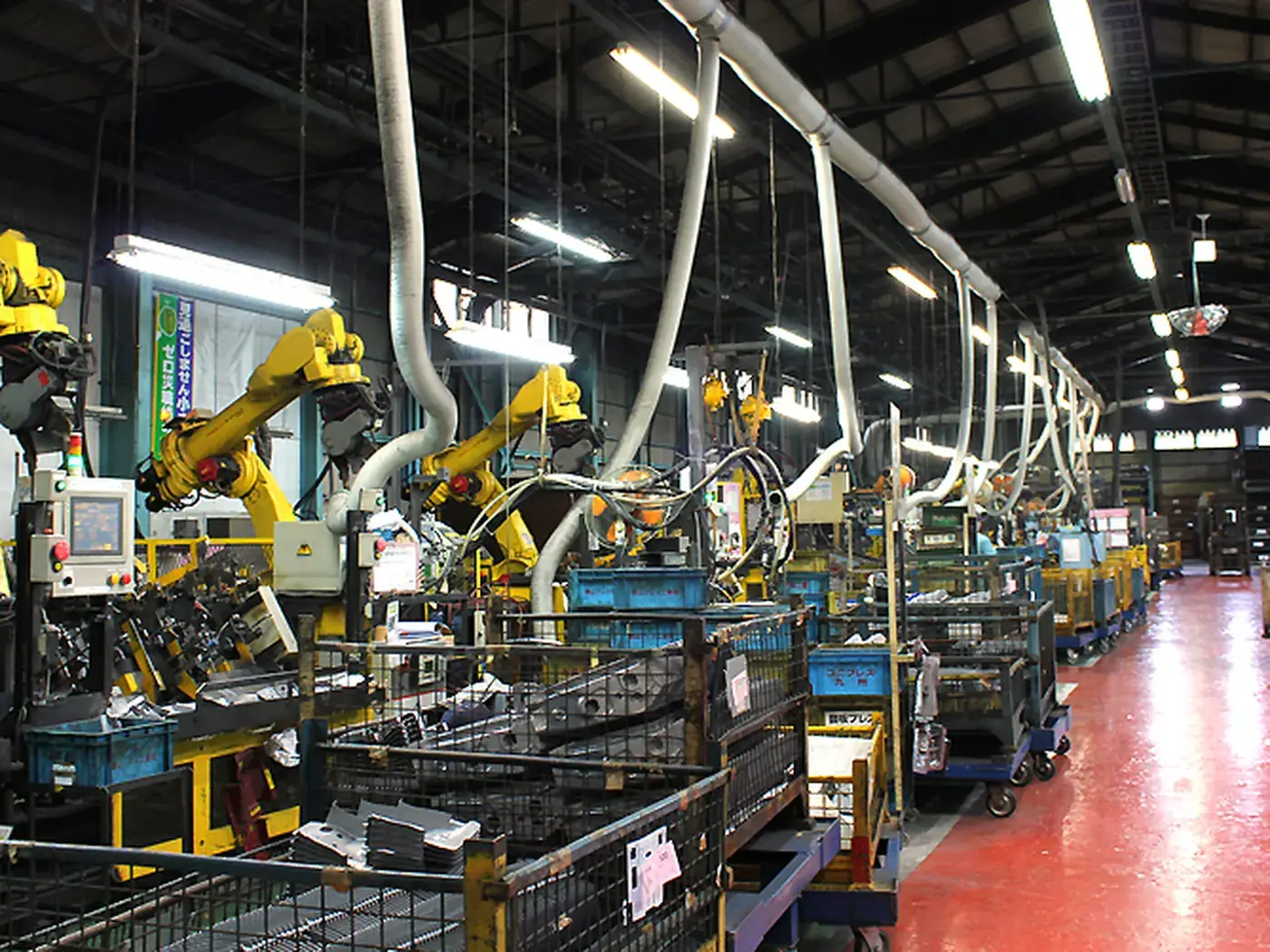
The whole line is held up by one machine, while replacing it means a large investment and a long lead time. A targeted partial automation upgrade - load/unload mechanisms, VFD speed control, optimised motion logic - often lifts the cycle time for a small outlay. Measure the actual cycle time of the bottleneck process first, so you know where the change gives the biggest return.
A non-compliant E-stop circuit, missing guarding, dust leakage, noise above the limit - problems like these will not pass inspection if left, and accidents really do happen. Safety interlock retrofits, completed guarding, and sealing and dust control treatment are mandatory items: this spending is not about saving money, it is about saving lives.
Where the bed has deformed, the frame has cracked or the spindle housing is worn beyond limits, restoring the base can cost more than the machine is worth. We provide a written assessment: the mandatory replacement items and their cost, compared with buying new, plus a clear recommendation. When a machine should be retired, it is retired - we do not force an upgrade just to win the job.
The machine itself still works, but the product line or process it serves is switching over within a year or two. In that case a retrofit investment cannot be recovered, and the more sensible course is sustaining repair plus a renewal plan. Whenever we assess a machine we always ask one question: what work will this machine be doing over the next three years?
From assessment to acceptance, every step has a written conclusion, and every trade-off made during the upgrade is on the table.
Whichever side the arithmetic favours. Our income comes from service fees, not from equipment margins, so we have no motive to sell you a new machine. In most cases: old equipment with a sound mechanical base is worth upgrading, while machines with failed base components or a process about to be superseded should simply be replaced. The assessment conclusion is issued in writing with all the data, so you can verify it yourself.
It depends on the upgrade scope and the condition of the base components. For an electrical rebirth, eight to ten more years of service is a common outcome provided the mechanical side is well maintained; for accuracy restoration work, life depends on the quality of the wearing part replacements and on day-to-day maintenance. The assessment report states the preconditions behind the expected service years - we do not write blank cheques.
The shutdown window is compressed as far as possible: survey, design and spare parts procurement are all completed before the upgrade, and only work that truly requires the machine down happens inside the window. Critical equipment can be upgraded in stages, or the work scheduled into an overhaul period or holiday. The plan states the duration of every milestone.
Survey first, upgrade second. We survey the electrical circuits on site, verify terminals and components and fill in the mechanical reference data to produce the drawings the upgrade is based on. The survey is itself an in-depth inspection, and many hidden defects surface at this step. After the upgrade the new drawings correspond one to one with the actual circuits, and they are handed over with the job.
 FIELD · SCHH-2026
Tell us about your equipment and we will issue a diagnostic opinion and a cooperation plan.
 Scan to add Engineer Man on WeChat
 Guangzhou Yujihang Computer Technology Co., Ltd. · www.accpc.com.cn
 Guangzhou Henghuan Technology Co., Ltd. · www.hhrobotics.cn
 Nanchong Henghuan Robotics Co., Ltd. · www.hhrobots.cn