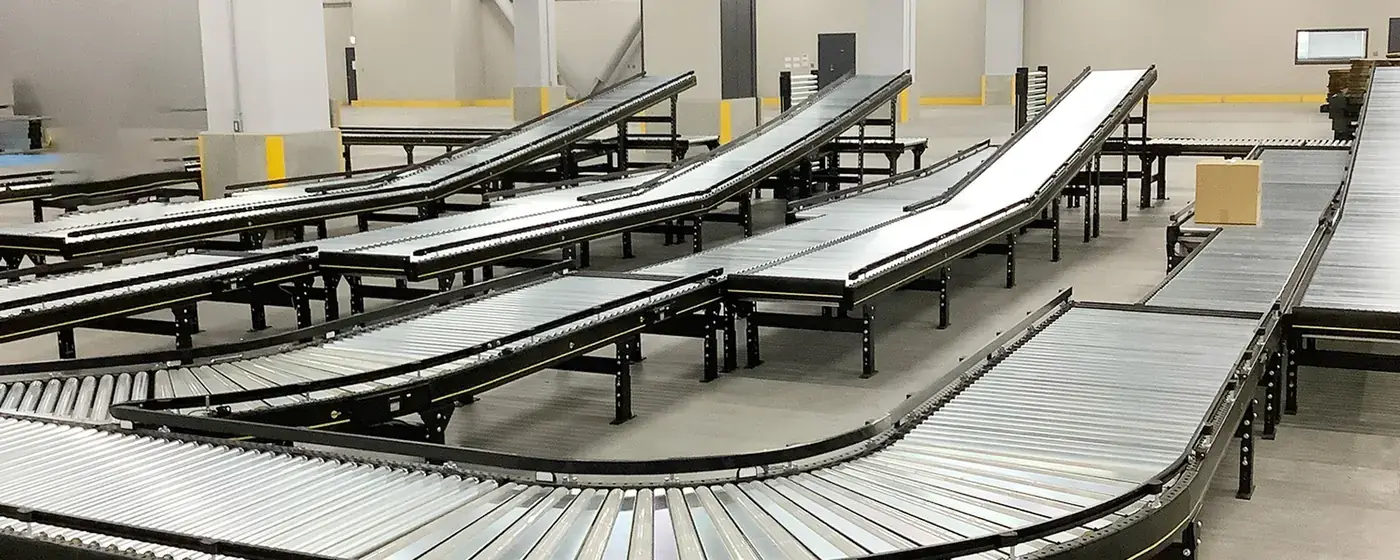
Do the maintenance before the failure: tailored maintenance plans, implemented end to end, together with predictive maintenance, lubrication management and accuracy calibration — less downtime, lower energy use, steadier quality.
 FIELD · SCHH-2026
 FIELD · SCHH-2026
These are the key control points and acceptance criteria we hold to on site — standards first, data does the talking, and you can check us against the list.
A one-off job fixes a one-off problem; systemic problems need the modules working together. This module works directly with:
Preventive maintenance is not money spent for peace of mind - it has an account that can be worked out. In the situations below, its return is most direct.
On continuous or chained lines - feed, biomass pellets, building materials, wastewater treatment - any key machine going down breaks the whole line. These plants get the highest return from preventive maintenance: hold the degradation trends under control so overhaul falls inside a planned window instead of arriving at the moment orders are tightest.
A replaced part lasts a few days, then fails again. That means the cause is still there: misalignment, improper lubrication, seal failure, a sudden load change. We do failure mode analysis and treat the causes together with the damage, while placing that location under focused monitoring and tracking the trend.
With no maintenance plan, equipment reminds you only by failing. A large part of the repair bill could have been avoided by periodic lubrication, tightening, cleaning and adjustment. Classifying downtime records and repair spend by machine once usually shows which few machines the money went to.
In heavy dust, high humidity, high temperature or corrosive environments, copying the manufacturer's maintenance intervals breaks down. The same fan may need oil changes three times as often in a dusty shop as in a clean one. Intervals must be calculated from actual site duty, then verified with measured data.
Out-of-tolerance parts, poor seals, low pellet formation rates, fluctuating effluent indicators - sometimes these are not process problems but drift in equipment accuracy or condition. Periodic accuracy calibration and condition monitoring can converge this kind of variation back into a controlled range.
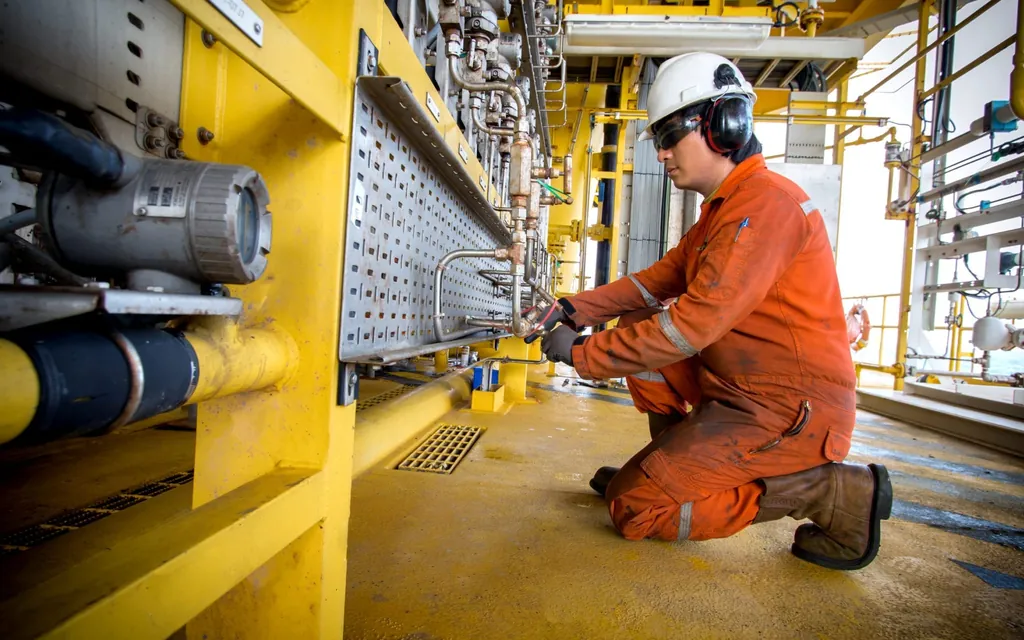
In a plant short of hands, the fitters spend all day on emergency repairs with no time left for maintenance, so failures multiply and emergencies multiply - a vicious circle. Outsourcing the periodic maintenance lets your own people focus on daily inspection and minor work, and only then does the rhythm return to normal.
The worst outcome for preventive maintenance is becoming 'change the oil periodically and sign a form'. Our approach is to bring every step down to actions that can be judged, recorded and reviewed.
The arithmetic is straightforward: multiply your unplanned stoppages over the past year by their duration and your loss per unit of time, then compare that with a year's preventive maintenance spend. Normally a single unplanned stoppage costs more than the whole year of preventive maintenance. We make no vague promises - we do this calculation with your own downtime records.
The first month is mostly baseline and scheduling, and failures do not necessarily drop at once; after three months the trend data starts to speak, showing clearly which machines are improving and which are still degrading; plants that keep it up beyond three months generally see unplanned downtime fall by half or more. That is not a guarantee - it is the actual result of most of the projects we have run.
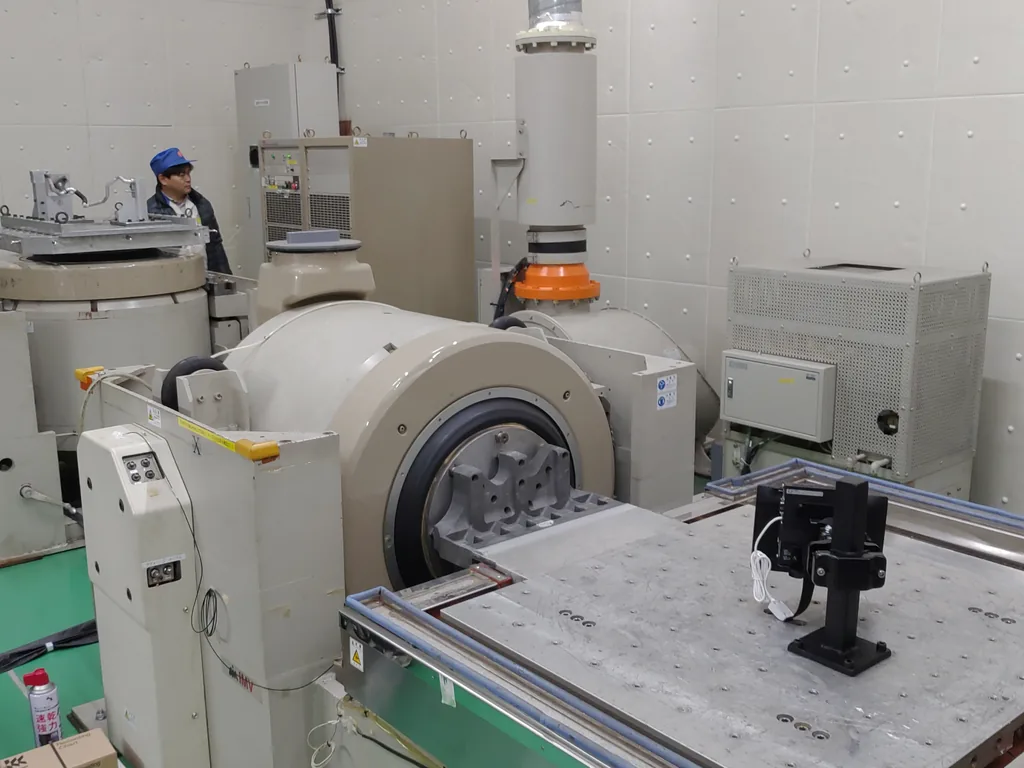
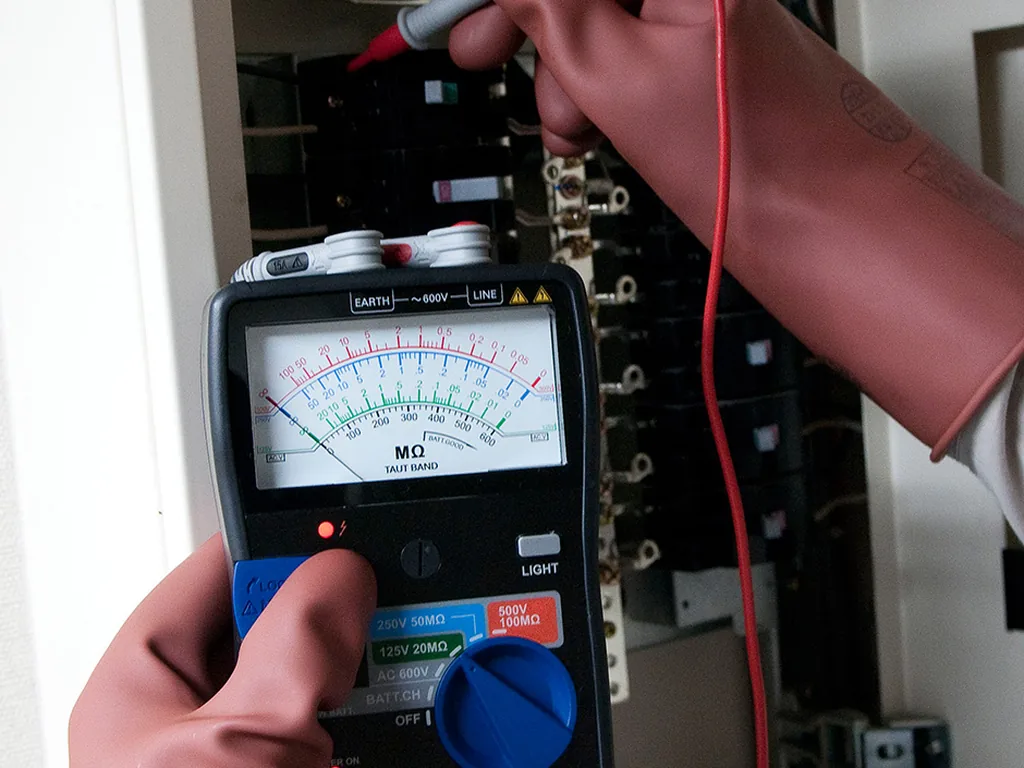
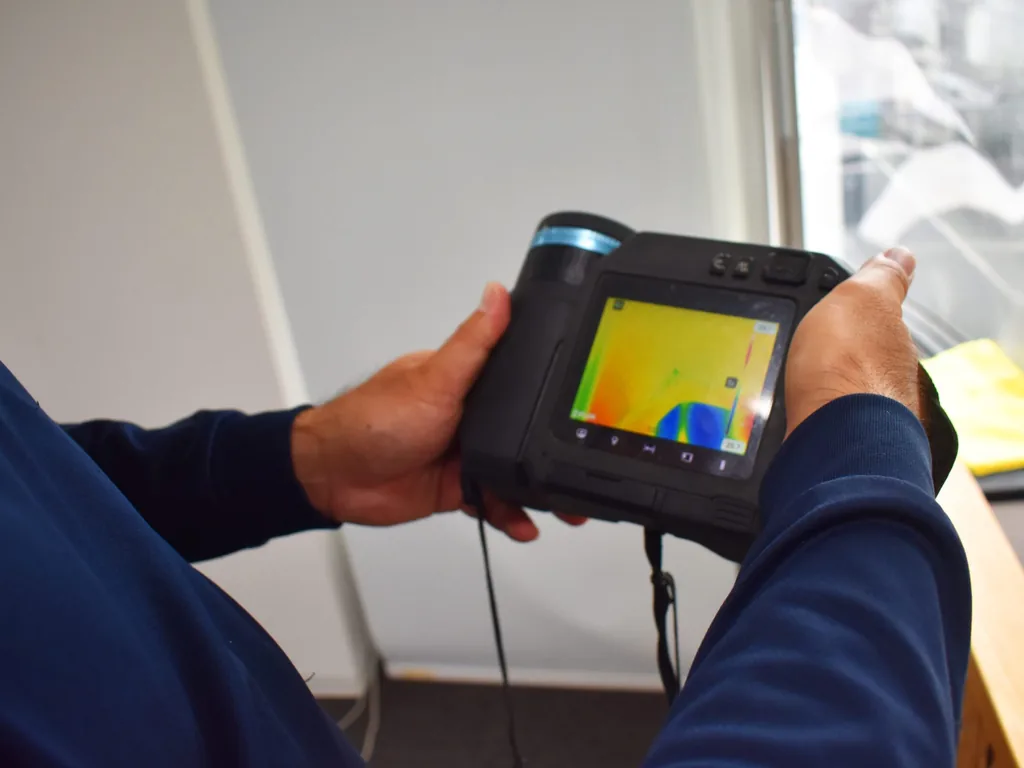
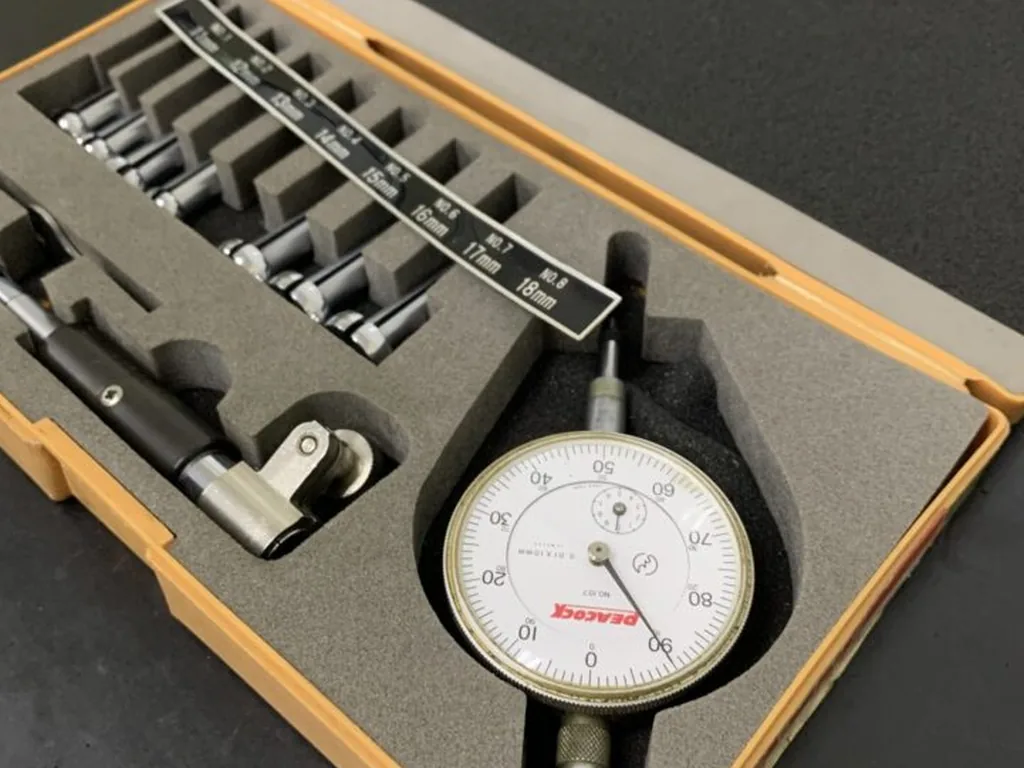
Normally it includes: periodic patrols and condition testing (vibration, temperature, current, insulation), execution of periodic maintenance (lubrication, tightening, cleaning, replacement), accuracy calibration, emergency response to sudden faults, monthly test records with a trend report, and spare parts planning advice. The exact items and frequencies are tailored to your equipment list and duty, and written into the contract.
In most cases it is a division of labour, not a replacement. Daily inspection, simple maintenance and minor handling are done by your team, with the standards and methods taught properly by us; periodic maintenance, accuracy calibration, difficult faults and condition monitoring are taken by us. Your people are freed from firefighting, and their professional capability rises through the coaching.
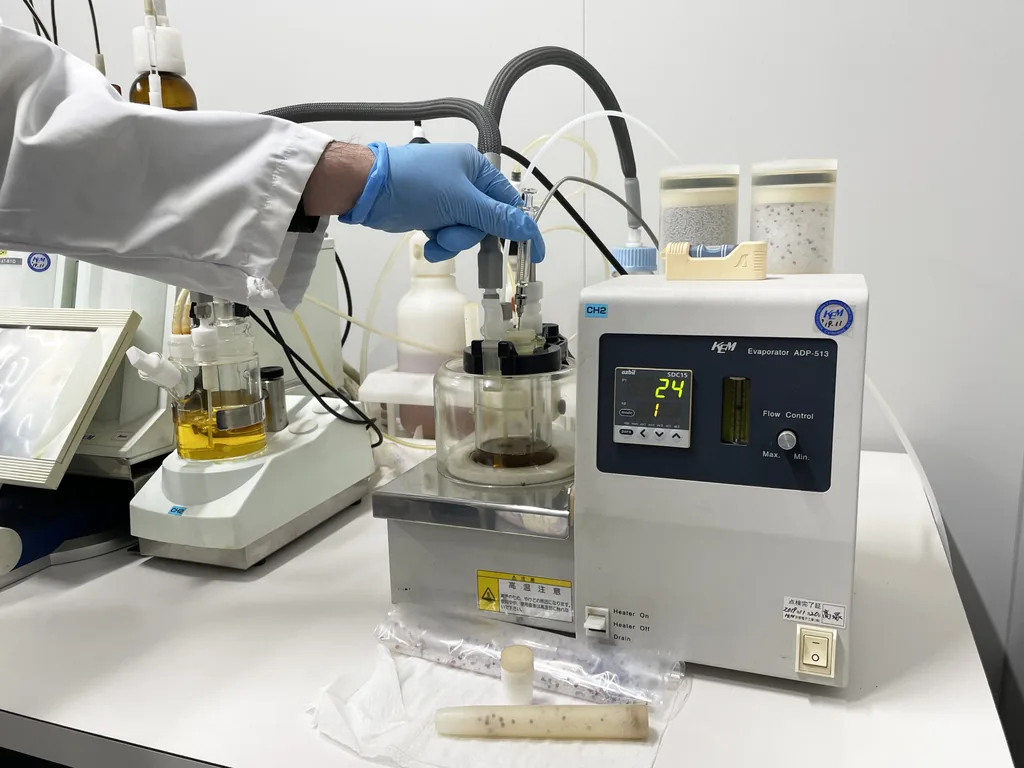
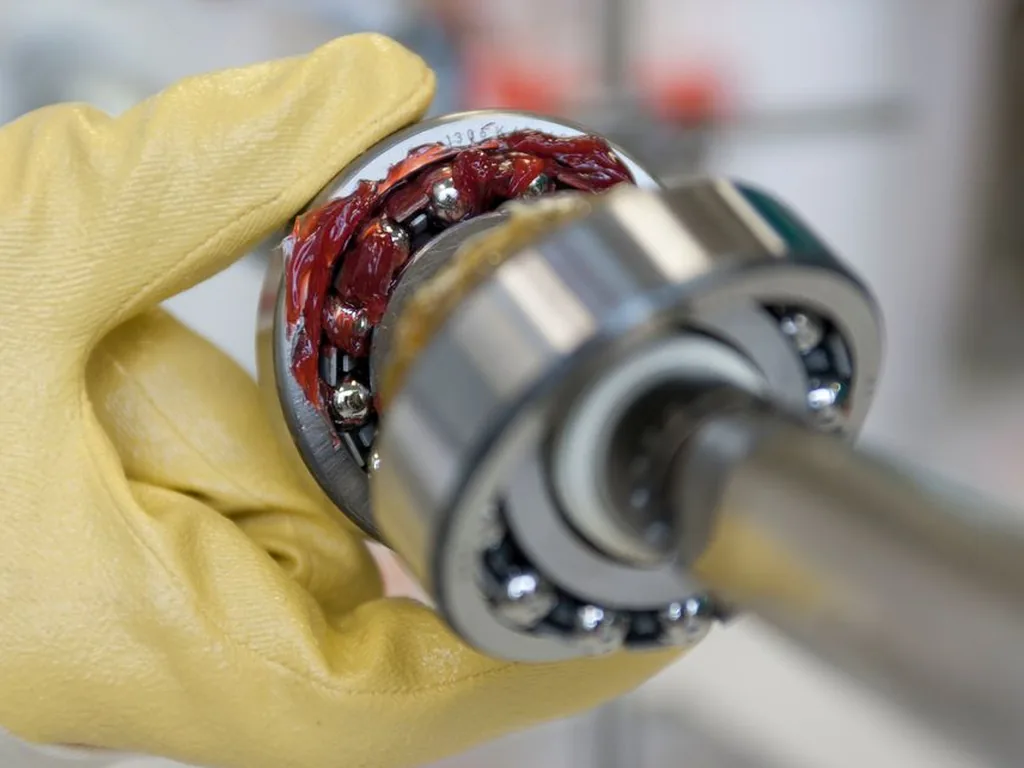
We give the grade and performance class required by the duty - either a named brand or a range of equivalents - and you decide through your own purchasing channels. The criteria are temperature range, load character, dust and moisture levels, and the machine manufacturer's requirements, not price. The cost of a wrong lubricant selection is far higher than the price difference between lubricants.
 FIELD · SCHH-2026
Tell us about your equipment and we will issue a diagnostic opinion and a cooperation plan.
 Scan to add Engineer Man on WeChat
 Guangzhou Yujihang Computer Technology Co., Ltd. · www.accpc.com.cn
 Guangzhou Henghuan Technology Co., Ltd. · www.hhrobotics.cn
 Nanchong Henghuan Robotics Co., Ltd. · www.hhrobots.cn