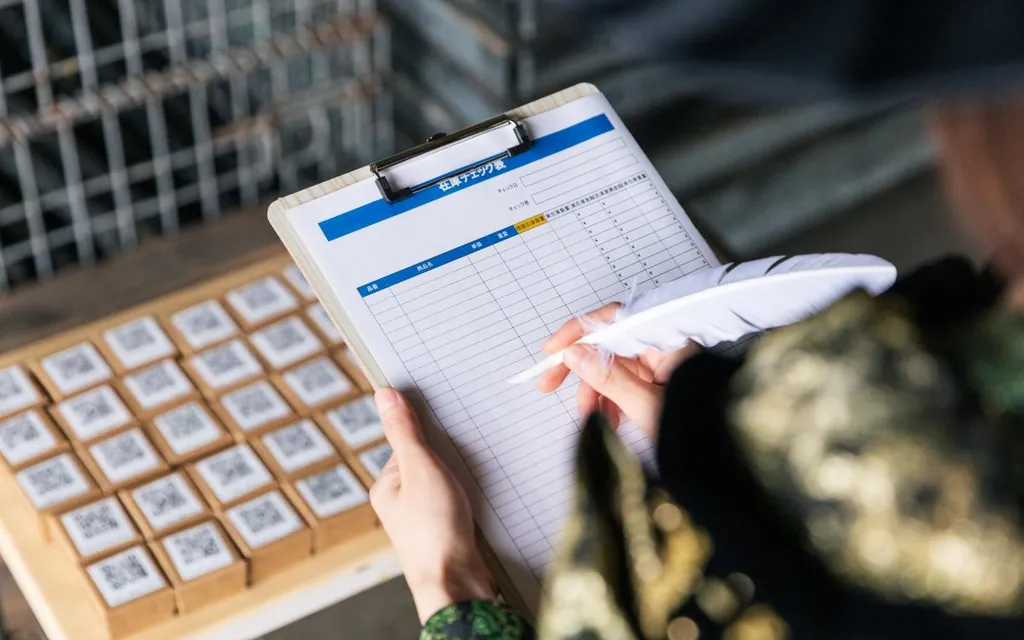
Form deliverables such as register templates, inspection sheets and lubrication cards are designed around site habits — easy to fill in and easy to audit.

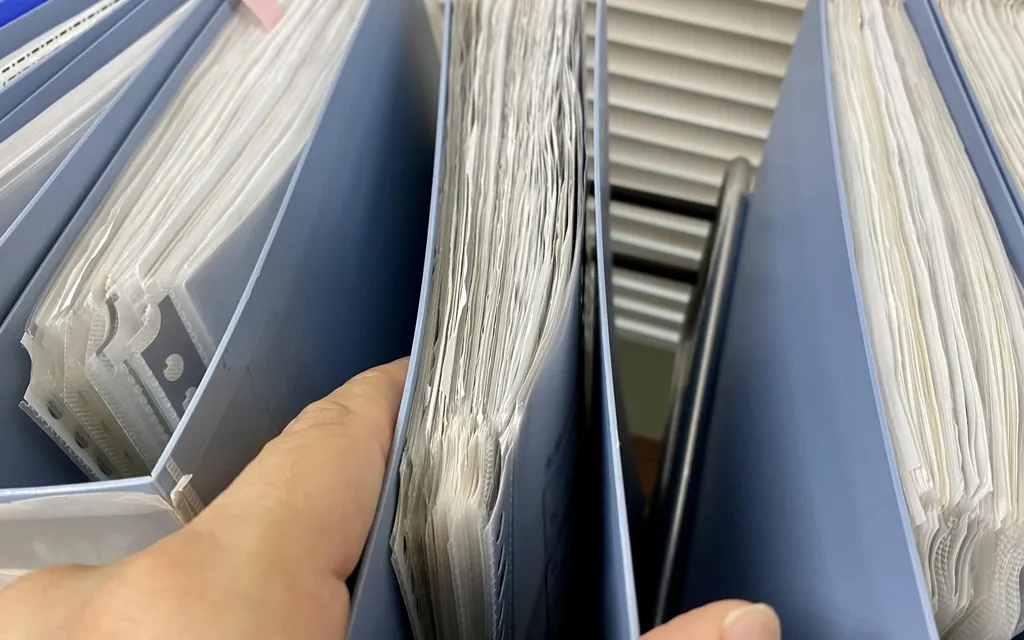
Forms and registers cross-reference each other: inspection records feed the register, the register feeds analysis — no double entry, no information silos.
Typical deliverables: equipment register templates, inspection standard cards, lubrication cards and oil selection tables, preventive maintenance checklists.
 FIELD · SCHH-2026
 FIELD · SCHH-2026
When an inspection sheet gets treated perfunctorily, eighty percent of the blame belongs to the sheet, not the people: items that say "check normal" cannot be judged, a sheet of forty items can't be finished, and what is filled in is never read. Our form-design principle is to press the filling burden to a minimum and write the criteria to maximum clarity: every item decidable, every sheet completable, and the data filled in genuinely used.
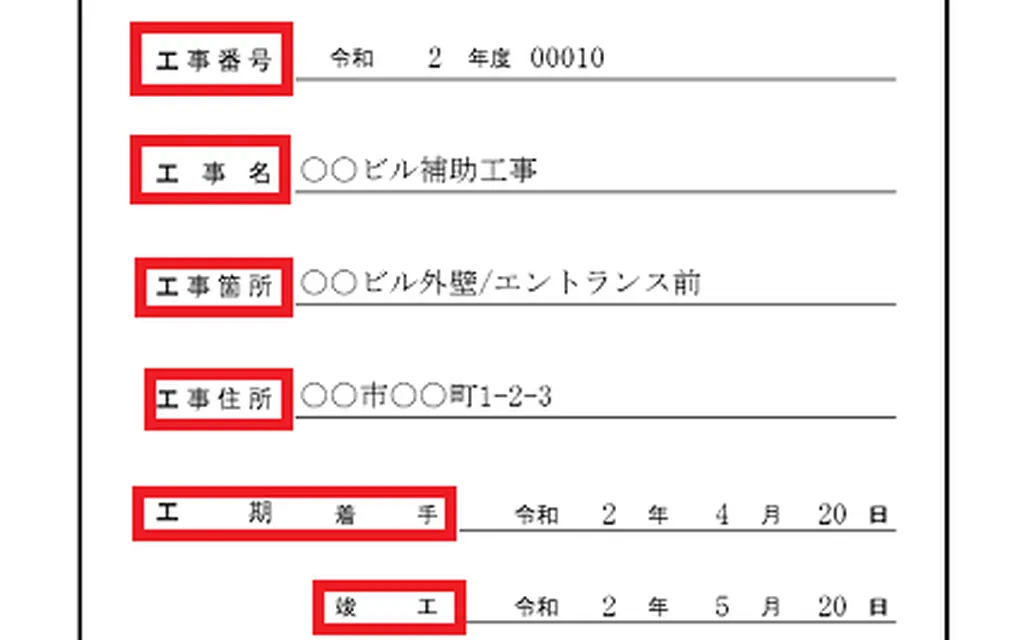
Forms and ledgers are designed as one system: inspection data flows into the ledger, repair work orders are tied to equipment numbers, and lubrication cards match the lubricant selection table. Data is entered once and used in many places - we don't create duplicate filling work for the crews.
 FIELD · SCHH-2026
It depends on the plant: with a few dozen machines, paper forms plus monthly entry into an electronic ledger is enough; with over a hundred machines or multiple sites, we suggest going straight to a simple electronic ledger where a repair request is filed the moment it's made. We first help you standardise the fields and processes - once the fields are standard, moving from paper to electronic is only a change of medium, with no data rework.
 FIELD · SCHH-2026
 Guangzhou Yujihang Computer Technology Co., Ltd. · www.accpc.com.cn
 Guangzhou Henghuan Technology Co., Ltd. · www.hhrobotics.cn
 Nanchong Henghuan Robotics Co., Ltd. · www.hhrobots.cn