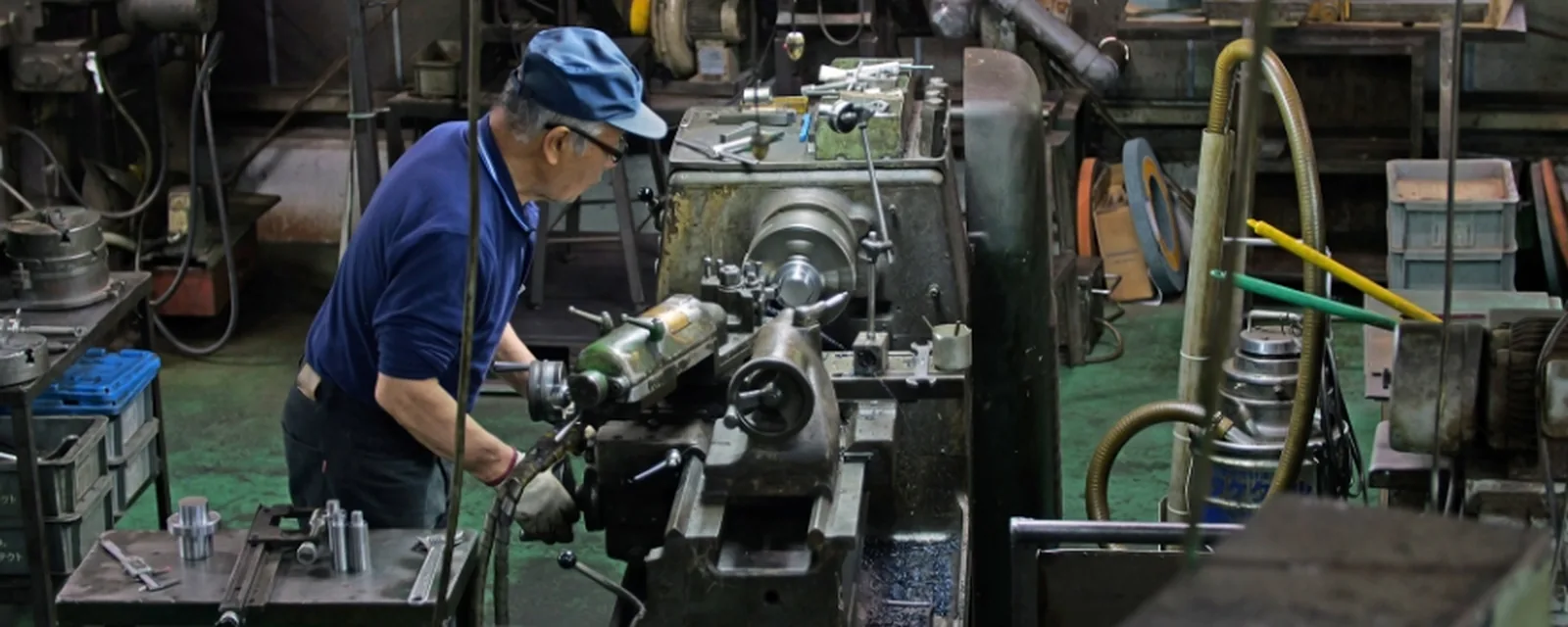
For the first three months after start-up the owner winced every time the pellet mill came on: blocked die, tripped breaker, constant die changes. In six weeks we pulled the line out of firefighting mode and back to steady production.
For the first three months after start-up the owner winced every time the pellet mill came on: blocked die, tripped breaker, constant die changes. In six weeks we pulled the line out of firefighting mode and back to steady production.
 FIELD · SCHH-2026
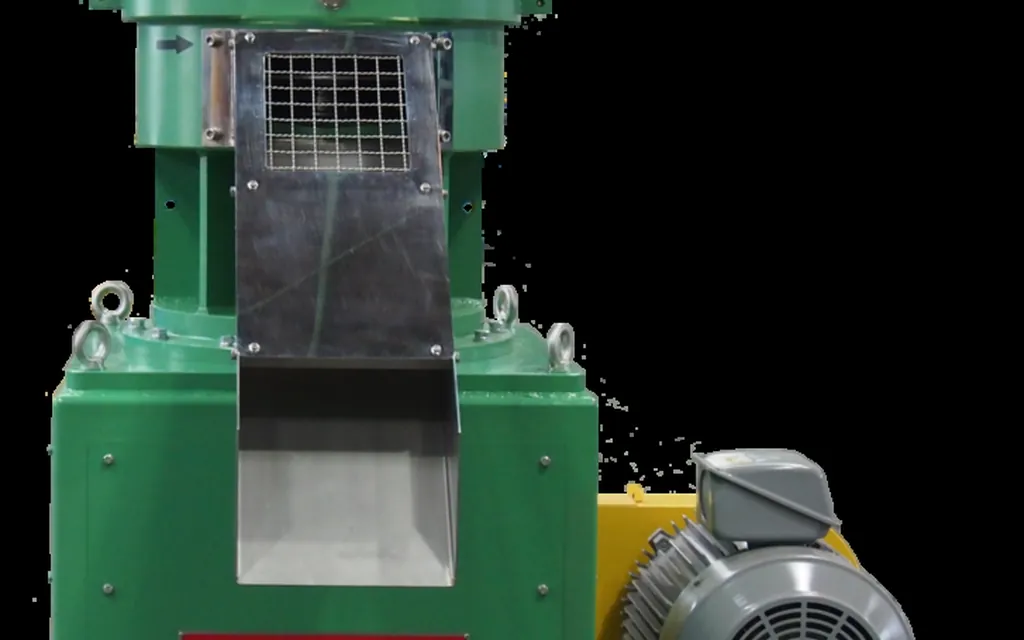
When we took over, the line was in a very typical state: conditioner temperature judged by the operator's hand, feed rate set by feel, and a blocked die cleared with a sledgehammer and a pry bar. The equipment department's register put capacity utilisation at 58%; three days of sitting by the line measured it at 49%.
Worse, the faults were blamed on equipment quality. The supplier came twice and concluded the cause was fluctuating feedstock moisture. Both sides stuck to their story and the line kept blocking.
 FIELD · SCHH-2026
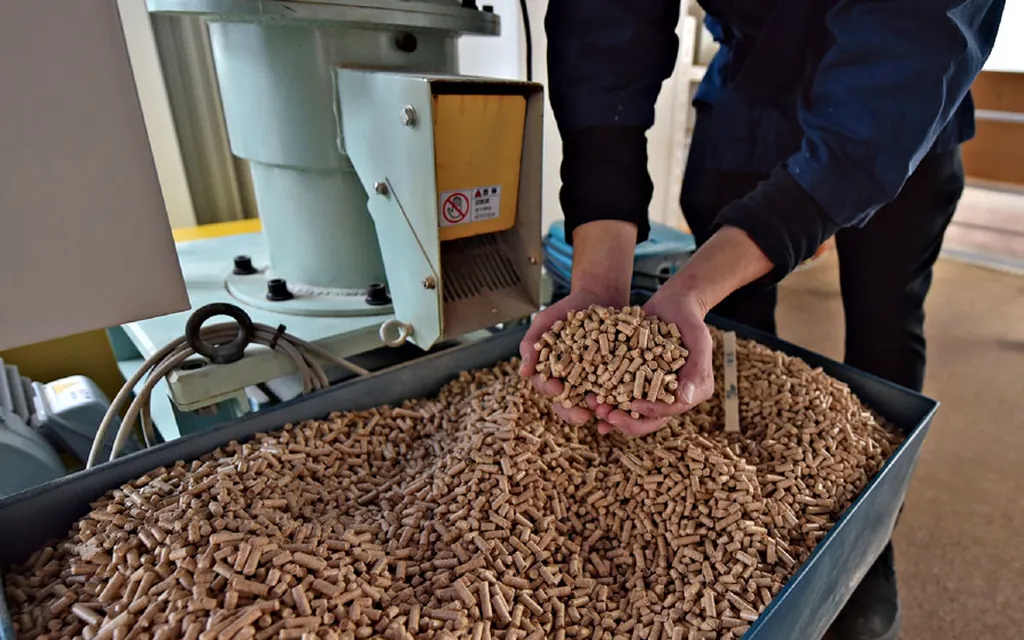
We first built up the process data: four items - die-entry moisture, conditioning temperature, feed current and main-motor current - recorded every two hours for seven straight days. Once the data was laid out, the pattern was clear: die blockages almost always occurred when moisture was above 14.5% and the conditioning temperature was on the low side. It was a process-window problem, not an equipment defect.
The fix came in three steps: a temperature interlock on the conditioner steam valve to hold it at 82–85°C; an agreed maximum intake moisture with the raw material store, plus a rapid moisture meter; and die clearing written up as a standard procedure with dedicated tools and hammering on the die ring banned. Three weeks later blockages fell from 2.3 per shift to 0.4.
On a complete line, eighty per cent of capacity problems are about the process window and operating standards; the equipment itself takes far too much of the blame. Measure the data before drawing conclusions — it is a language both I and the supplier could accept.
This line was later added to the preventive-maintenance list, with die-ring and roller wear measured once a week. Once output stabilised, the owner proactively handed us the other two lines for maintenance plans as well. Trust built on data is firmer than any promise.
The turning point in this case was not any single repair action but the step of "establishing the data before drawing conclusions." In the three months before we took over, the plant and the supplier each stuck to their own story - whoever spoke loudest was right. When we came in we did not dismantle any equipment first; instead we spent seven days building up four items of process data. Once the data was laid out, the argument ended: blockages correlated strongly with the combination of moisture and conditioning temperature, the process-window problem was confirmed, and the suspicion of equipment quality was ruled out. The three treatment steps that followed were all pointed to by the data - not one relied on guesswork.
 FIELD · SCHH-2026
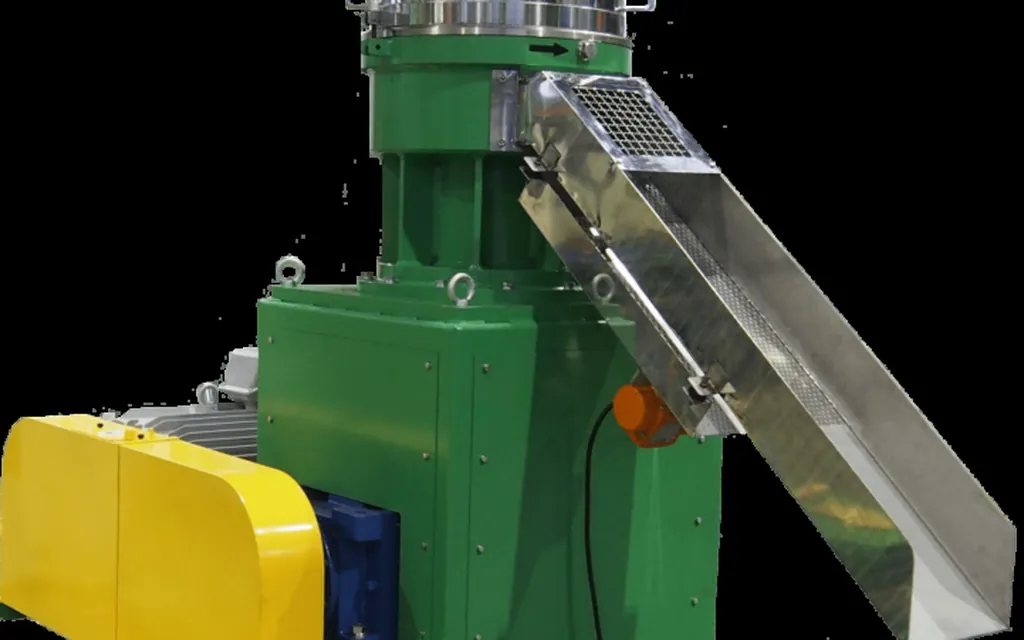
The supplier came twice and concluded that raw-material moisture fluctuated widely - from their standpoint the conclusion wasn't wrong, but it didn't solve the problem. The equipment maker looks at the equipment and the raw-material supplier looks at the raw material; a cross-stage process-window problem needs a third party that takes no side to establish the data. Our value is not that we understand pellet mills better than the supplier, but that we treat the whole line as one system.
 FIELD · SCHH-2026
This case took seven days of recording plus three days of analysis. The prerequisite is choosing the right variables. If four data items are not enough, add recording items and run another round. For most process faults on a continuous line, the pattern can be worked out within two weeks. What often takes longer than the repair itself is getting everyone to accept the rule of "letting the data speak."
This line went on to run stably not through a one-off fix but by turning the process window into checkable daily items. If your pellet line also blocks as soon as it starts, check four things first: is die-entry moisture measured, and if so is there an agreed upper limit? Is the conditioning temperature set by the operator's feel or backed by instruments and an interlock? Are there standard steps for die cleaning, and are hammers and pry bars still being used? Is the capacity-utilisation figure copied from the ledger or measured on site? If any one of the four can't be answered clearly, the root of the blockage is most likely right there.
Tell us the symptoms, and we will run the same diagnostic approach on your equipment.
 Scan to add Engineer Man on WeChat
 Guangzhou Yujihang Computer Technology Co., Ltd. · www.accpc.com.cn
 Guangzhou Henghuan Technology Co., Ltd. · www.hhrobotics.cn
 Nanchong Henghuan Robotics Co., Ltd. · www.hhrobots.cn