
The night the neutral conductor burned through, the line happened to be down. Reviewing the records, the signs of three-phase imbalance were already there in the meter readings from three years earlier.
The night the neutral conductor burned through, the line happened to be down. Reviewing the records, the signs of three-phase imbalance were already there in the meter readings from three years earlier.
 FIELD · SCHH-2026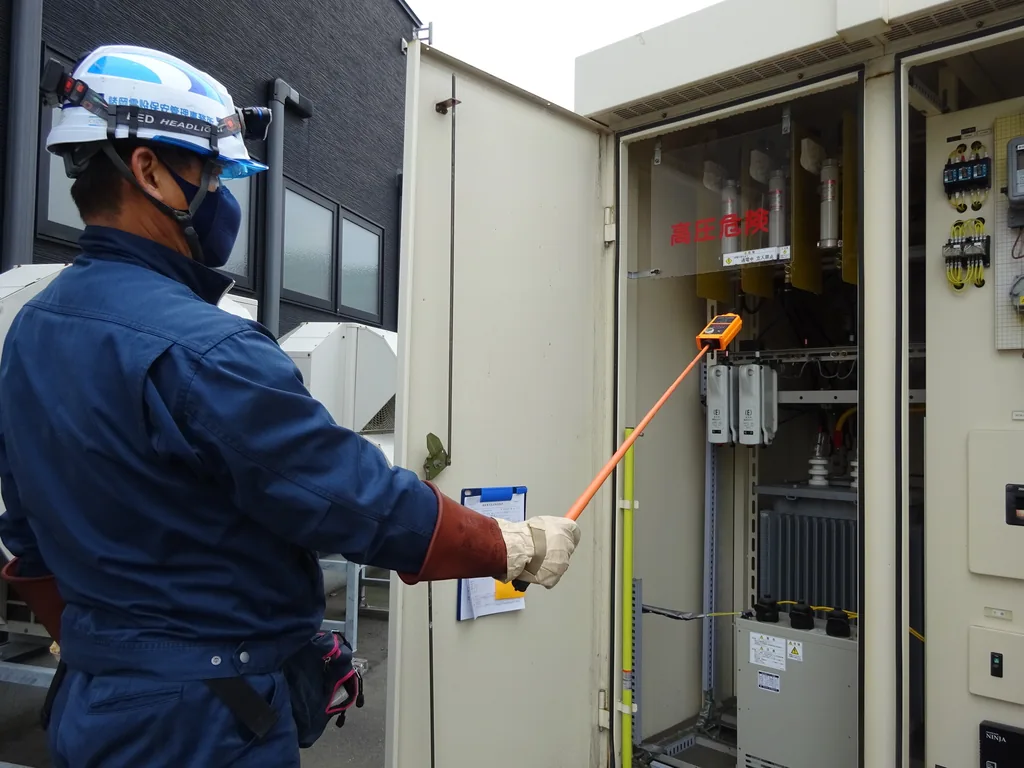
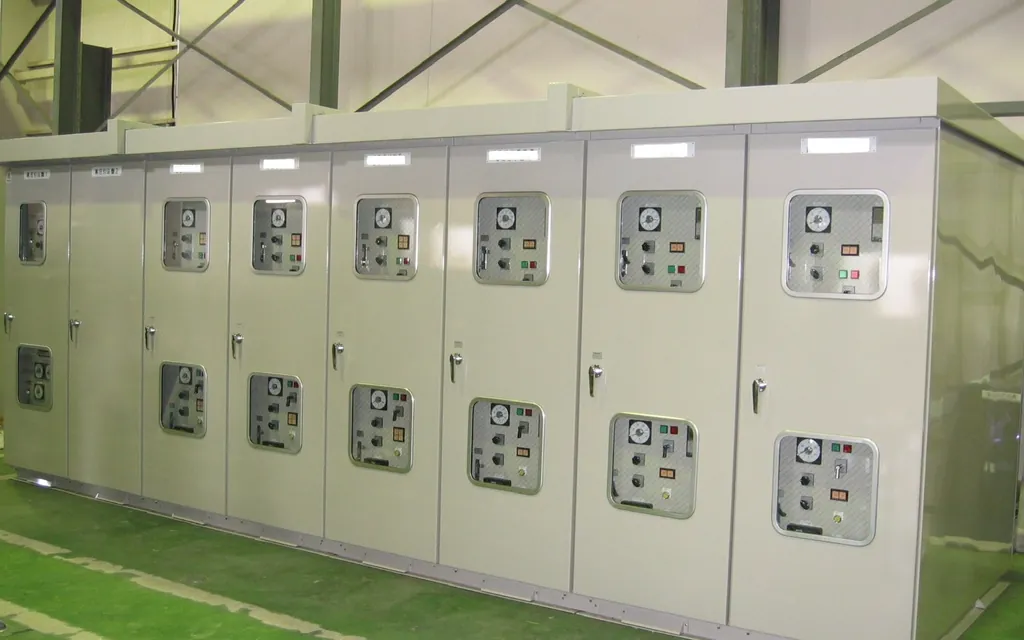
The incident presented as abnormally high voltage on some single-phase equipment and a batch of damaged lighting and controllers. Inspection found the main neutral joint burned through, with severe oxidation of the copper at the break.
Reviewing historical meter readings: the three-phase currents had differed by more than a factor of two for a long time, yet nobody ever treated it as a problem - simply because nothing tripped and nothing stopped.
 FIELD · SCHH-2026
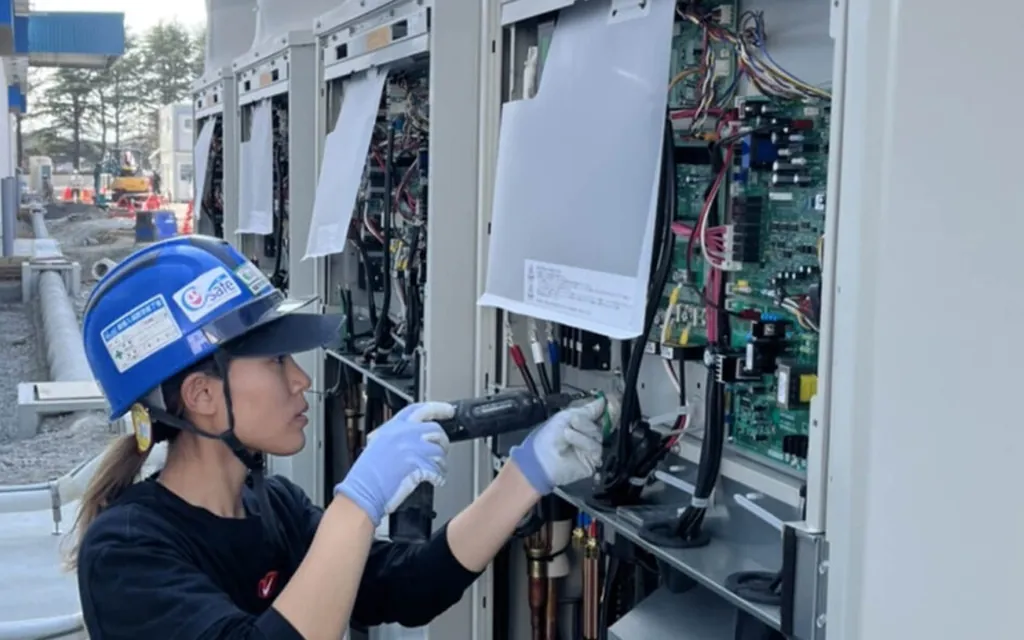
The mechanism of the neutral burn-out is clear: three-phase imbalance pushed a large current through the neutral over a long period; the joint oxidised and heated, which raised the resistance further — a vicious circle until it burned through.
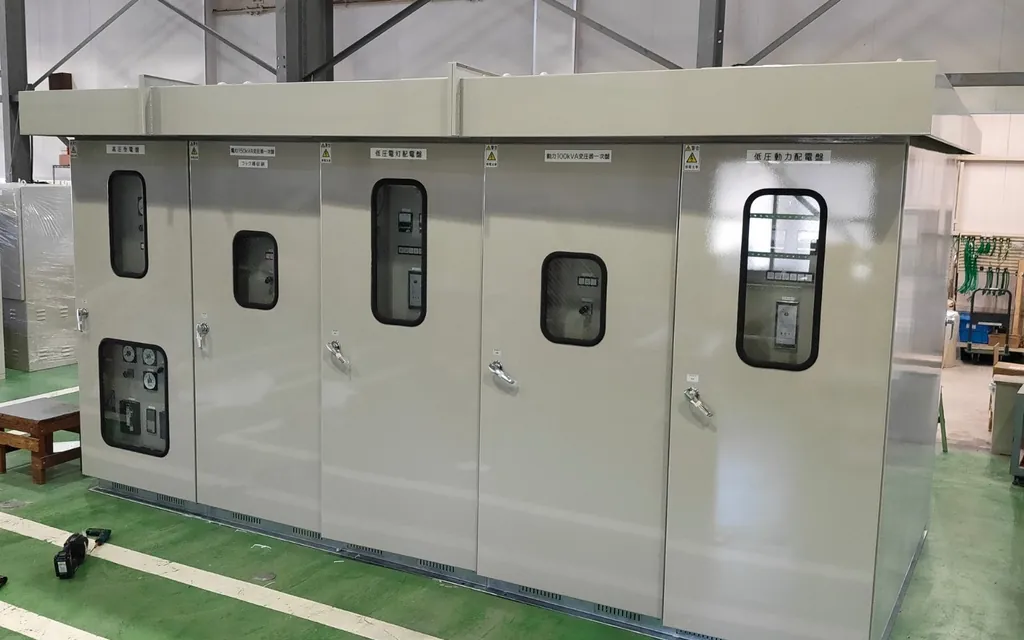
The remediation redistributed the single-phase circuits by load, bringing imbalance under 8%; the main neutral was re-terminated with double-bolt crimping and conductive paste; and a three-phase current monitor was added, alarming above 15% imbalance. Distribution load balance checks were also written into the annual electrical inspection list.
Not tripping does not mean healthy. The chronic problems in a distribution system all hide in the records; what is missing is one serious look back through them.
The neutral is the lifeline of a three-phase four-wire system, and its joint workmanship deserves the same treatment as the phase conductors.
A burned-through neutral is one of the most serious faults in low-voltage distribution: at best a wide power outage, at worst a fire, and it exposes single-phase equipment to excessive voltage that destroys it in batches. What is truly alarming in this case is not the burn-through itself but that the hazard had existed for three years: phase imbalance worsened year by year, joints oxidised and heated, and although everyone had seen that "the neutral runs a bit warm," nobody treated it as a precursor to failure. Two weeks of corrective work cut the imbalance to under 8%; more importantly, the plant was given an "imbalance-limit alarm" as a permanent eye.
 FIELD · SCHH-2026
Generally the imbalance should be kept within 15%, and for important distribution systems we recommend holding it below 10%. The test is simple: measure the three-phase currents and divide the difference between the maximum and minimum by the average. An abnormally high neutral current is the most direct signal of imbalance - when the three phases are balanced the neutral current is near zero, so a plant with a warm neutral almost certainly has a marked imbalance.
 FIELD · SCHH-2026
For a typical plant, verify the three-phase currents once a year; for plants where the load changes fast (frequent new equipment, many line adjustments), do it twice a year. The check is cheap: one clamp meter and half an hour of recording. But the check must come with action - if imbalance is found, decide a corrective plan on the spot. Recording without correcting is the same as not checking.
If your workshop also has many single-phase loads that grow year by year, check three things: measure the three-phase incoming currents once with a clamp meter and calculate the imbalance; feel (better, measure with infrared) the neutral-joint temperature - more than 15°C above ambient warrants investigation; and look for records of which phase new equipment was connected to. Half a day on these three can prevent an accident that could burn out the whole workshop's distribution.
Tell us the symptoms, and we will run the same diagnostic approach on your equipment.
 Scan to add Engineer Man on WeChat
 Guangzhou Yujihang Computer Technology Co., Ltd. · www.accpc.com.cn
 Guangzhou Henghuan Technology Co., Ltd. · www.hhrobotics.cn
 Nanchong Henghuan Robotics Co., Ltd. · www.hhrobots.cn