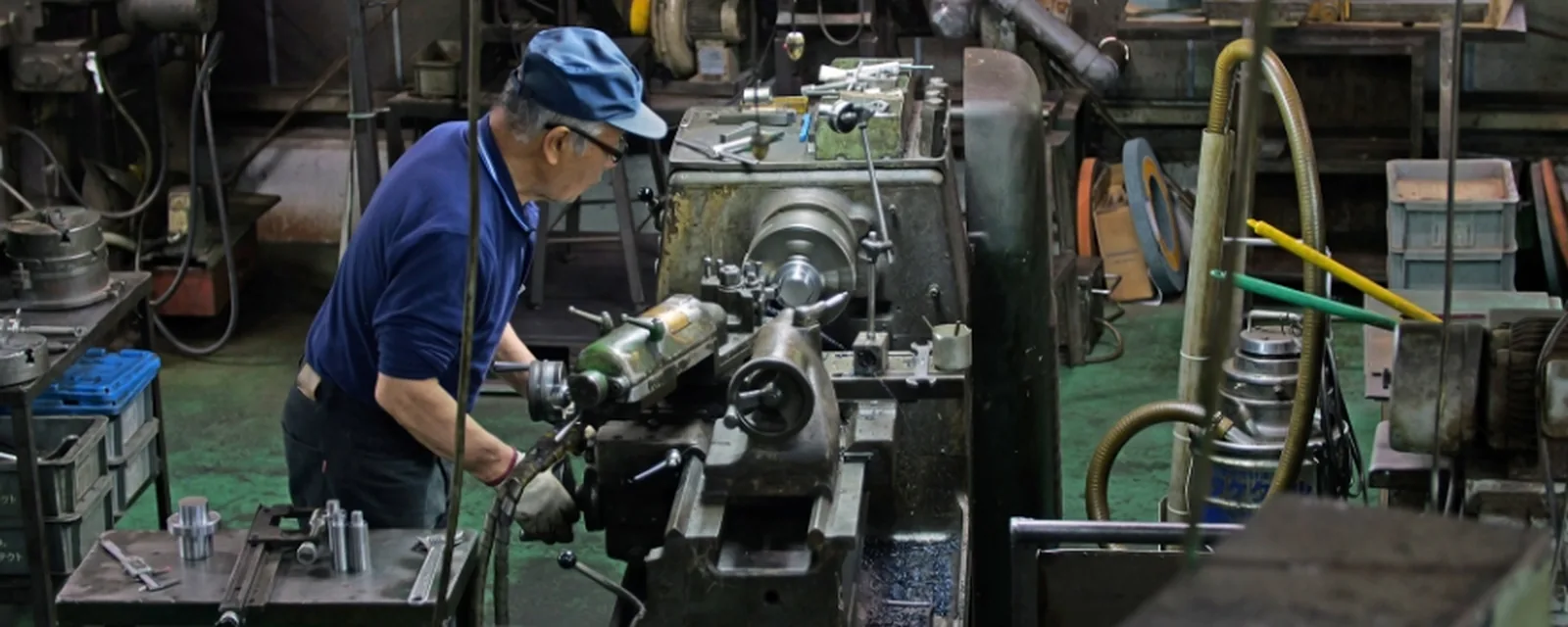
The worst thing for a new plant is not having no system, but carrying a copied system that cannot run from day one of production. In these 90 days we only did what could actually be put into practice.
The worst thing for a new plant is not having no system, but carrying a copied system that cannot run from day one of production. In these 90 days we only did what could actually be put into practice.
 FIELD · SCHH-2026
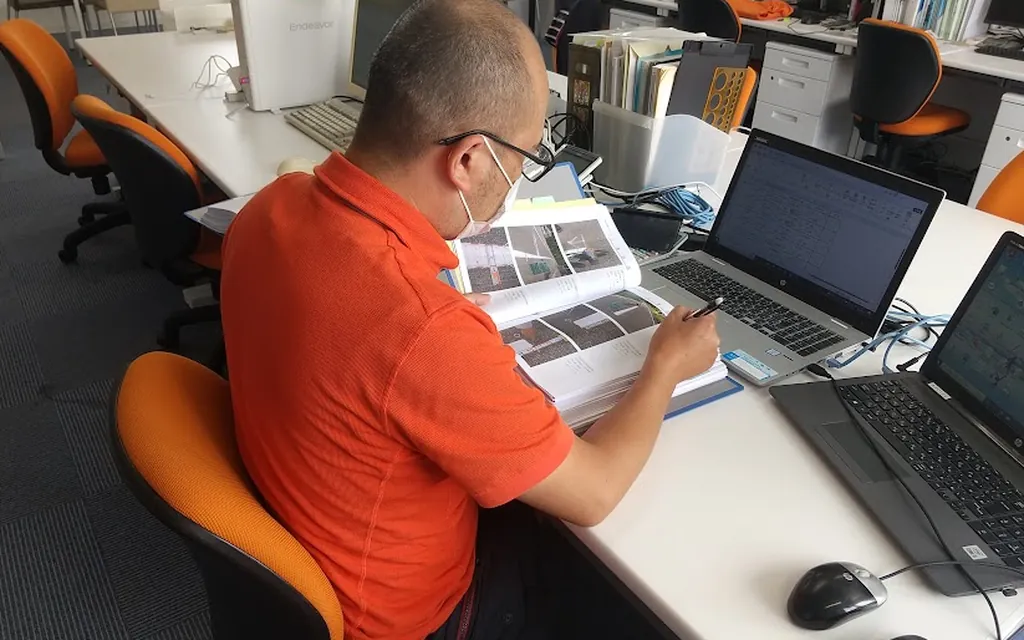
During the build phase the equipment arrived one after another while management was a blank sheet: no register, no operating procedures, no maintenance plan. The project team copied a set of system documents from a peer company — four hundred pages thick, and nobody could read to the end of it.
My first decision was to talk them out of that document set: the value of a system lies in being executed, not in its thickness.
 FIELD · SCHH-2026
The 90 days split into three stages: the first 30 days build the ledger and a one-machine-one-file record, filing each piece of equipment at acceptance and collecting the nameplate, accompanying documents and acceptance data in one go; the middle 30 days write the operating procedures and inspection standards for key equipment, keeping only items operators will actually use, each no longer than one line; the last 30 days get it running: inspections go live, maintenance is scheduled, and the first monthly equipment meeting is held.
The most effective move in the rollout was writing the standards together with the shift leaders rather than writing them and handing them over. People do not resist a standard they wrote themselves.
The first reader of a system document is the operator, not the auditor. A thin document that gets executed beats a thick one that gets enshrined.
The window for building the system during start-up closes fast: original material such as acceptance data and accompanying documents cannot be fully recovered once missed.
The start-up period of a new plant is the golden window for an equipment-management system: the equipment is new, the records are empty and the staff are a blank slate, so building the system meets the least resistance at the lowest cost. Build it three years after start-up instead, and you are wrestling with entrenched bad habits and muddled accounts. What is most worth remembering from this 90-day rollout note is not the schedule but the lesson of "writing the standards together with the shift leaders": standards people help write are not resisted when carried out. Whether a system lives depends on whether the front line accepts it.
 FIELD · SCHH-2026
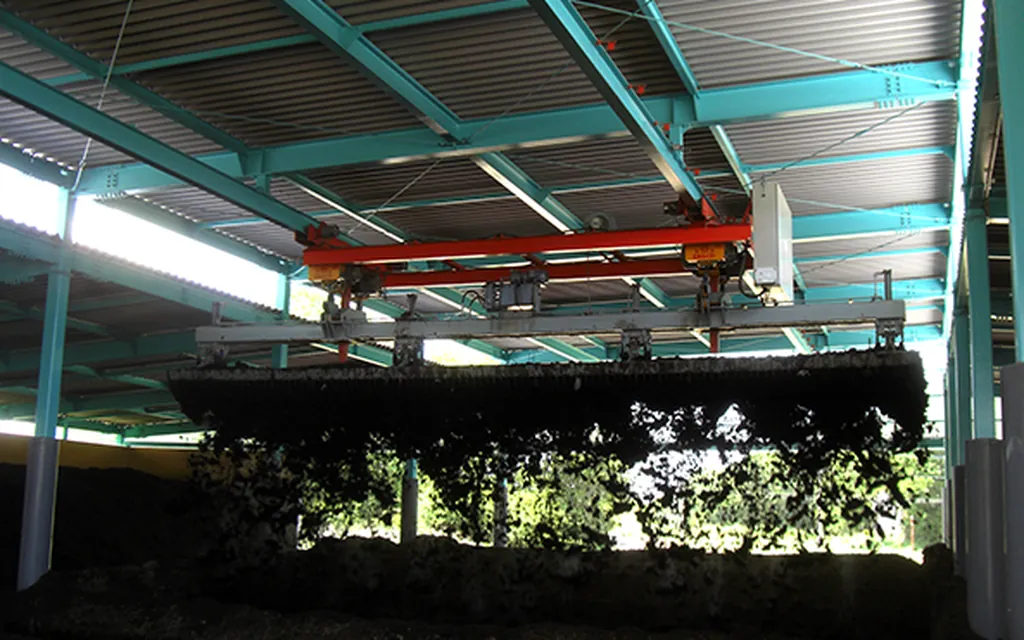
What 90 days builds is a "minimum viable system": the ledger, the standards, the inspections and the meeting get running first, with depth added as it operates. An equipment-management system is not a turnkey project - it grows: a new plant raises the skeleton in 90 days, adds flesh each quarter, and grows into a full tree over three years. System projects that aim for completeness in one step, with documents as tall as a person, mostly die at the writing stage before execution ever begins.
 FIELD · SCHH-2026
The best point is when the equipment list is largely settled and the first batch of machines starts arriving. Acceptance data is the primary source for the ledger; if we join at the acceptance stage, the archive needs no back-filling. Operating procedures can be written alongside installation and commissioning, and training finished before trial production. Wait until full production to build the system, and you will be catching up in the gaps between runs.
Tell us the symptoms, and we will run the same diagnostic approach on your equipment.
 Scan to add Engineer Man on WeChat
 Guangzhou Yujihang Computer Technology Co., Ltd. · www.accpc.com.cn
 Guangzhou Henghuan Technology Co., Ltd. · www.hhrobotics.cn
 Nanchong Henghuan Robotics Co., Ltd. · www.hhrobots.cn