
Copying the manufacturer's service manual breaks down under corrosive conditions. The blower maintenance plan for this WWTP was recalculated for the environment.
Copying the manufacturer's service manual breaks down under corrosive conditions. The blower maintenance plan for this WWTP was recalculated for the environment.
 FIELD · SCHH-2026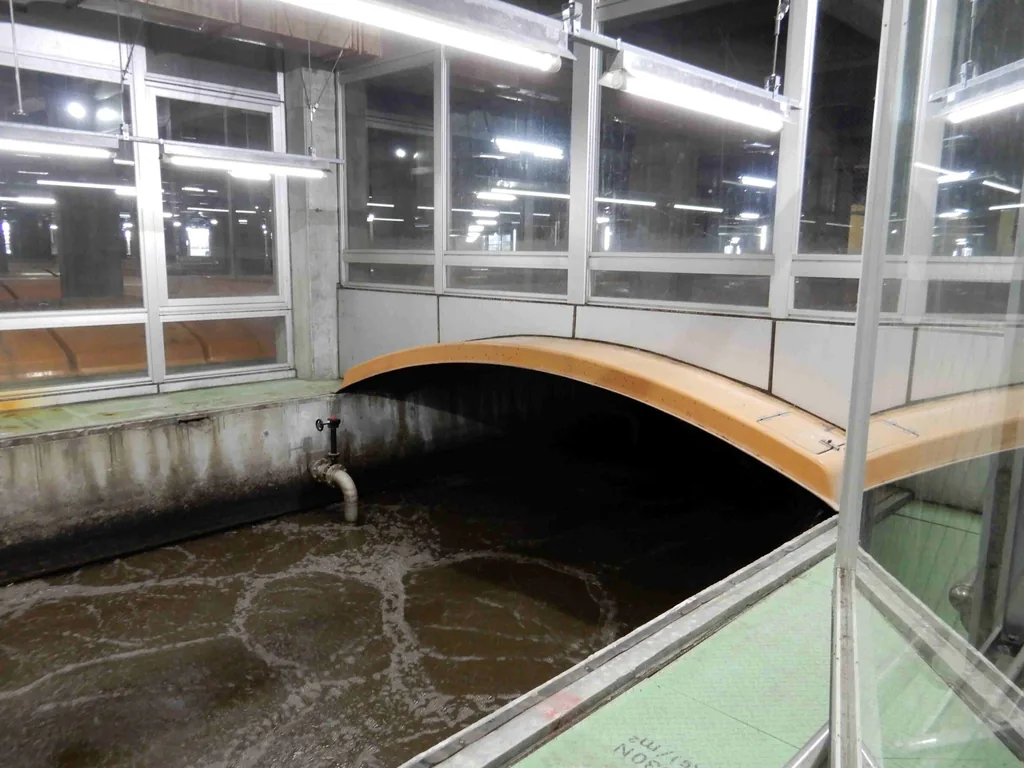
The aeration blower room is at saturated humidity year round with trace sulphides in the air. The blower bearing housings and fasteners were visibly rusted, and although oil was changed to the manual interval, the samples emulsified early.
Unplanned downtime clustered in the rainy season and tracked the humidity curve closely.
 FIELD · SCHH-2026
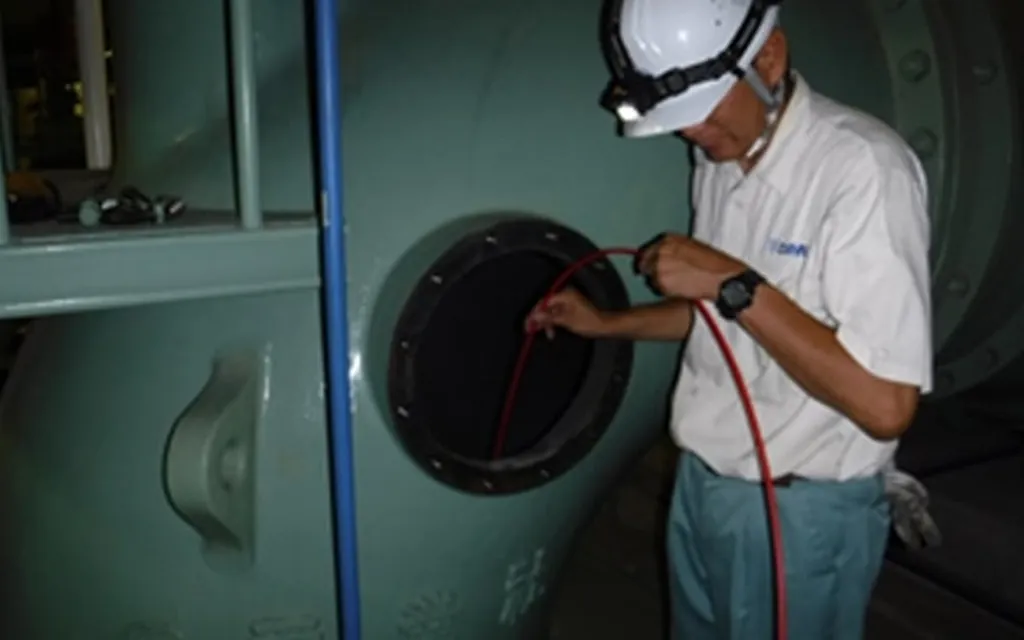
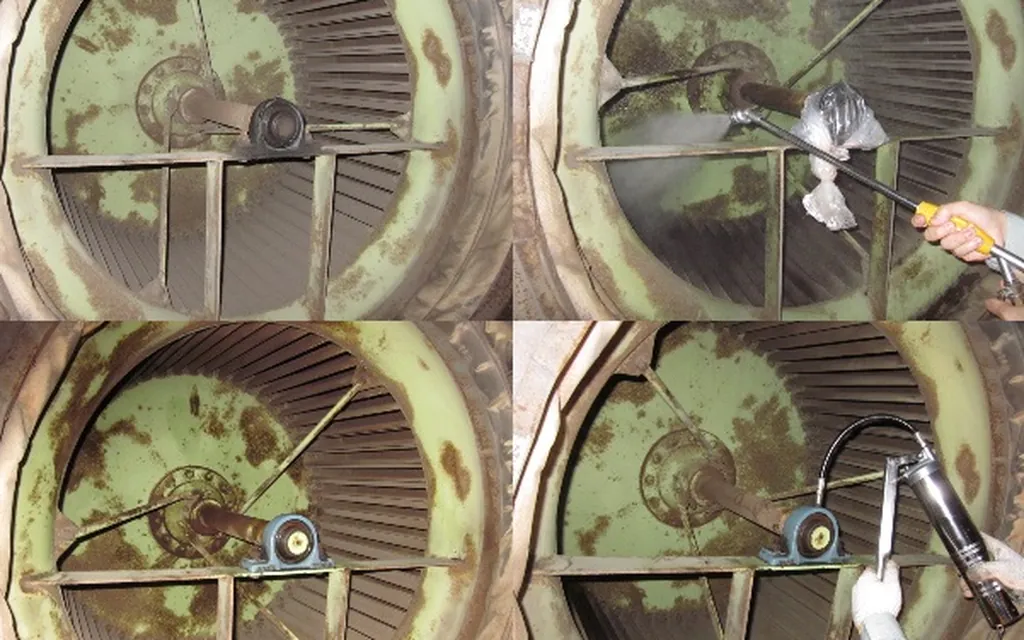
The rebuild started with the oil: the gear oil was changed to a grade with better demulsibility and rust protection, the change interval set by oil sample condition rather than by calendar, using a simple visual comparison card, and the bearing grease switched to a water-wash-out resistant type.
Reworking the intervals was the core: fixed periods were replaced by a two-factor scheme of condition plus season - shorter inspection intervals in the rainy season, standard intervals in the dry season. Breathers were added to the electrical junction boxes to prevent condensation. After one quarter, unplanned downtime fell by about 70%.
The intervals in a manufacturer's manual assume a standard environment. Under special conditions, environmental parameters have to go into the maintenance formula.
Visual colour comparison of an oil sample is the poor man's oil analysis, but it works well enough on site and moves the oil change decision from the calendar back to condition.
Maintenance plans for sewage plants most easily fall into the "copy the manual" trap: manual intervals are written for normal conditions, and under the damp, corrosive conditions of a sewage plant those intervals are systematically too long, so following them is a slow form of neglect. The core action in this case was a "two-factor rework": intervals set not by the calendar but by condition plus season - oil-sample data decides when to change oil, and the wet or dry season decides inspection density. In one quarter unplanned downtime fell by 70%, achieved not by spending money on new equipment but by matching the granularity of management to the real operating conditions.
 FIELD · SCHH-2026
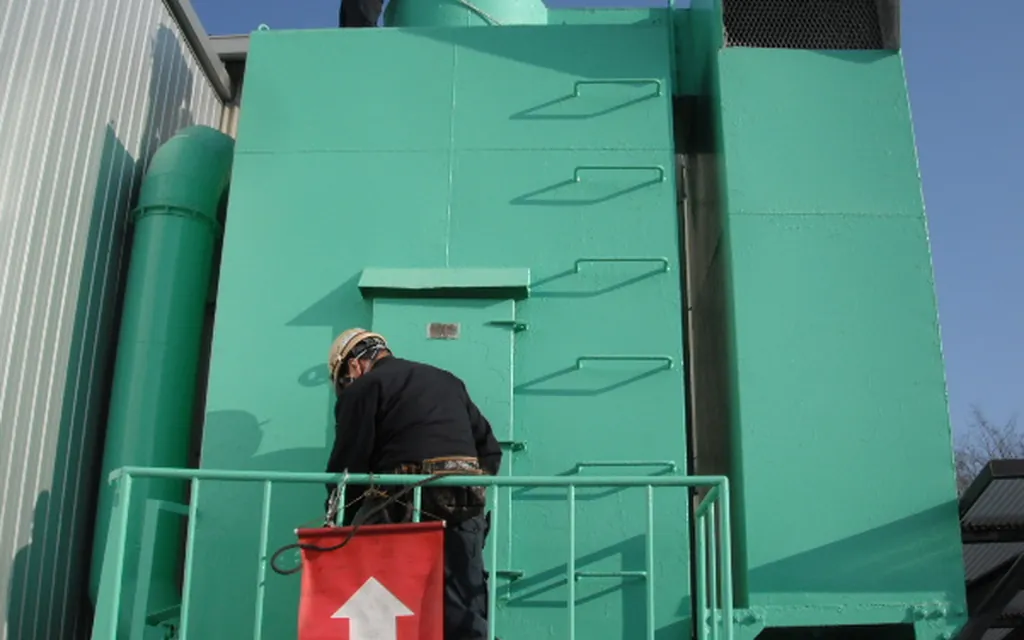
It actually becomes simpler: the old single fixed annual schedule could not be kept up in the rainy season and left people idle in the dry season; now the extra rainy-season items and the standard dry-season items are listed separately, and the crew works to the current month's schedule without a backlog. The complexity is absorbed when the plan is written, and the execution level receives a calendar that fits reality.
 FIELD · SCHH-2026
Yes - the factors can be swapped: replace season with peak and off-peak production, and ambient temperature and humidity with high and low process load. The essence of two factors is "intervals follow the operating conditions, not the calendar": set the factors according to how the conditions change. Which factors go into the plan is decided during the on-site assessment, based on your plant's actual situation.
Tell us the symptoms, and we will run the same diagnostic approach on your equipment.
 Scan to add Engineer Man on WeChat
 Guangzhou Yujihang Computer Technology Co., Ltd. · www.accpc.com.cn
 Guangzhou Henghuan Technology Co., Ltd. · www.hhrobotics.cn
 Nanchong Henghuan Robotics Co., Ltd. · www.hhrobots.cn