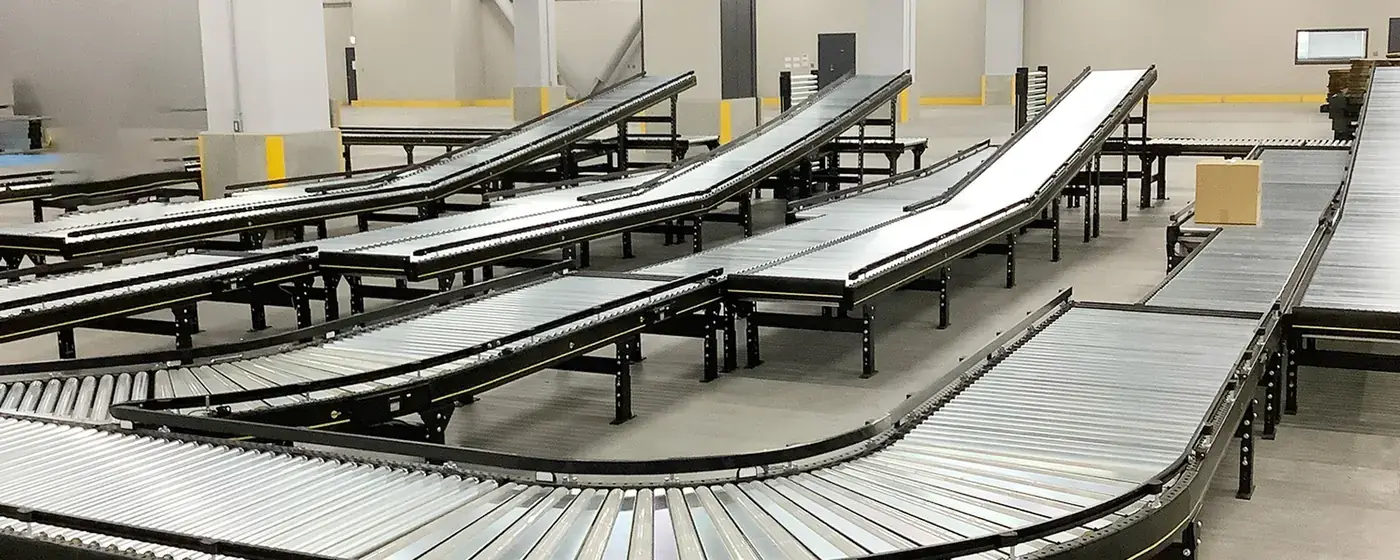
The checklist was full of ticks, yet not one shop-floor problem was caught. The issue wasn't the people - it was the sheet. I spent four weeks proving that judgement.
The checklist was full of ticks, yet not one shop-floor problem was caught. The issue wasn't the people - it was the sheet. I spent four weeks proving that judgement.
 FIELD · SCHH-2026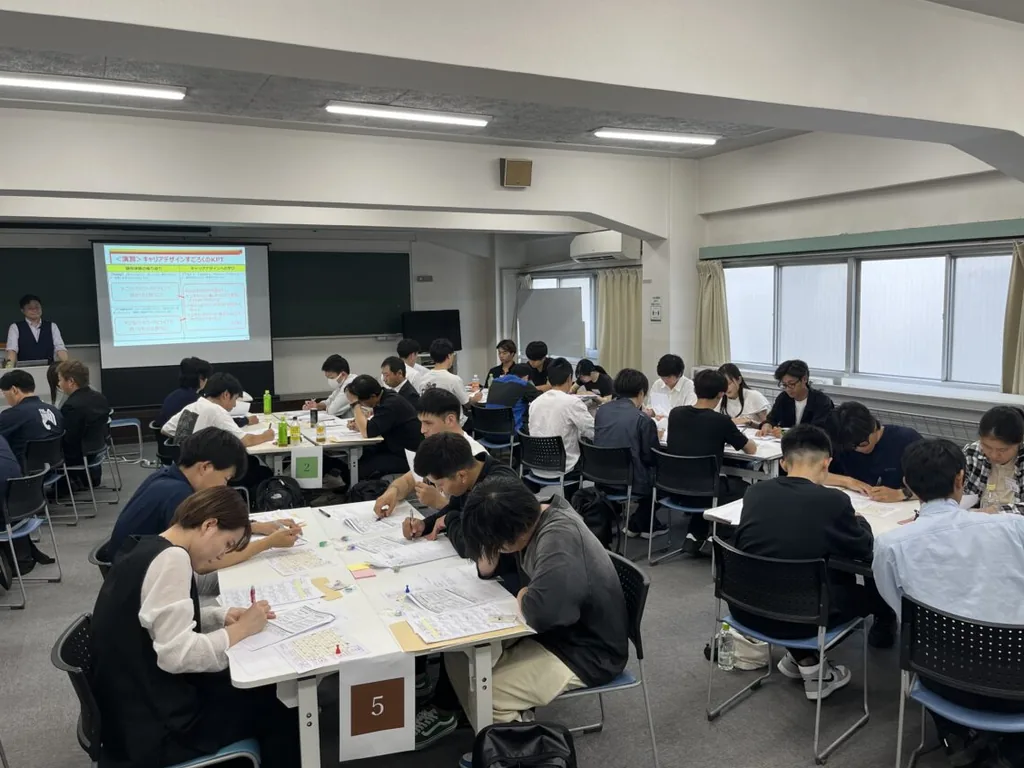
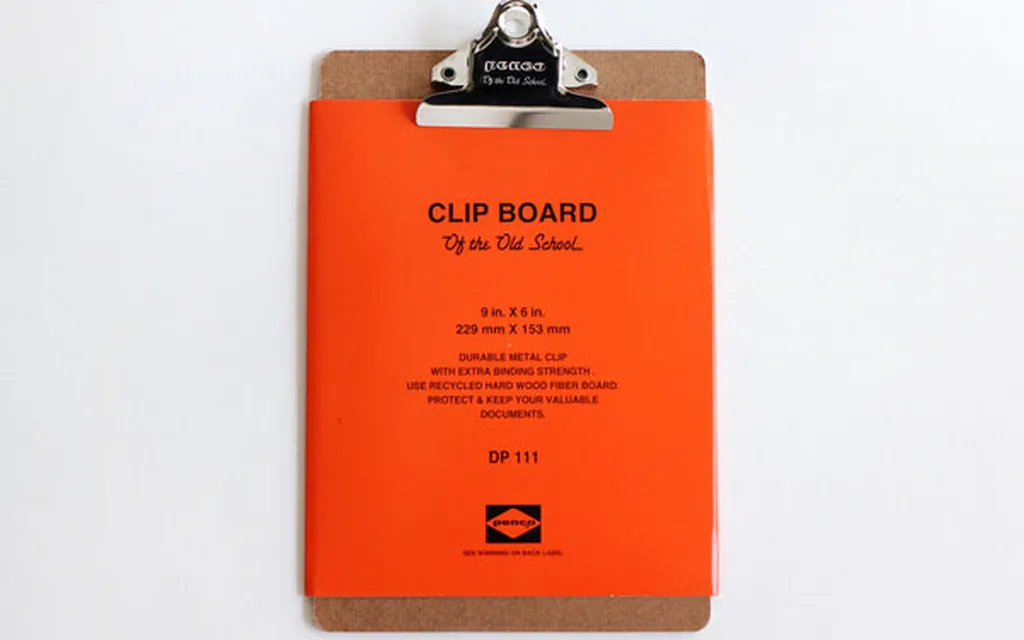
The original sheet had 38 items, most of them unjudgeable entries such as "check whether normal". Operators ticked them off in two minutes and inspection became a signing ceremony.
Management's first reaction was to tighten the assessment. I objected: assessing a standard that cannot be executed only produces more elaborate going-through-the-motions.
 FIELD · SCHH-2026
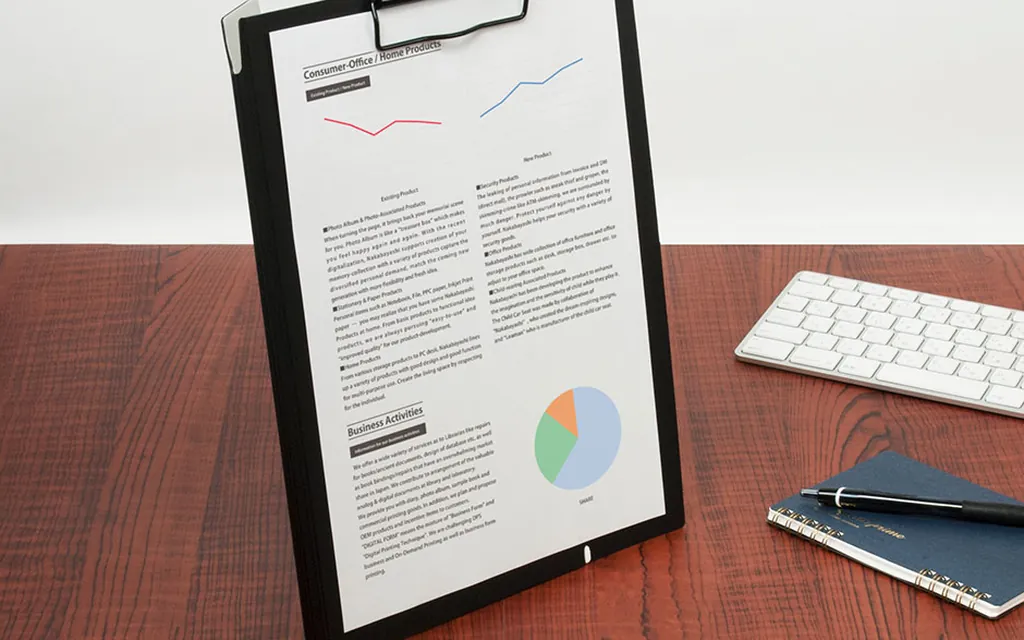
The redesign followed three principles: judgeable (replace "whether normal" with a specific value or state, such as oil level between the upper and lower marks), perceivable (prioritise items that can be done by looking, listening, touching and smelling), and thresholded (state clearly whether an anomaly means stop the machine or raise a repair request). The 38 items were cut to 14, each with an illustrated card.
A controlled trial ran alongside: of two production lines, one used the new sheet and one the old. After four weeks the new-sheet line had found six hazards early through inspection; the old-sheet line had found none. The data convinced management and the new sheet was rolled out plant-wide.
The essence of inspection is translating a veteran's rounds into judgements anyone can execute. The quality of that translation determines the quality of the inspection.
For a management problem, suspect the standard before you suspect the people. When a standard cannot be executed, penalising anyone is wrong.
When an inspection sheet gets treated perfunctorily, almost every plant blames the operators for not being serious. This case did something bold: it blamed the sheet, not the people. The 38 items were cut to 14, each made decidable, perceivable and threshold-based, and then two production lines ran a controlled comparison for four weeks. When the data came in, management made the decision itself: the new-sheet line caught 6 hazards early through inspection, the old-sheet line caught 0. An argument about "attitude" was ended by an experiment about "design." The methodology here generalises to any management action: when execution fails, suspect the design before you suspect the people.
 FIELD · SCHH-2026
The 14 items were filtered by "the high-frequency hazards this role on this shift can actually catch," not cut arbitrarily. Of the 24 dropped, most moved into the weekly and monthly checks done by specialists, and a few were duplicates to begin with. Layered inspection is the right approach: pre-shift inspection catches high-frequency issues, periodic maintenance catches cumulative ones, and professional testing catches hidden ones. A single sheet trying to cover everything is the design with the greatest hidden risk.
 FIELD · SCHH-2026
This is the second-biggest reason inspection fails, and it is subtler than a hard-to-fill sheet. In our design the data must have somewhere to go: abnormal items are handled the same day, monthly data goes into the equipment meeting, and trend data goes into the analysis report. If what is filled in is never read, the crew will inevitably go through the motions within three months. The survival of an inspection sheet depends not on the people filling it in but on the people reading it.
If your inspection sheet is also being treated perfunctorily, don't call a meeting to criticise the crew first - use the sheet to check three things: how many items have a criterion of "normal/abnormal" rather than a specific value or state; how many minutes the whole sheet actually takes to fill in and how the crew reacts; and of the anomalies found by inspection last month, how many were handled and left a record. Check these three and the answer - whether the problem is the sheet or the management - reveals itself.
Tell us the symptoms, and we will run the same diagnostic approach on your equipment.
 Scan to add Engineer Man on WeChat
 Guangzhou Yujihang Computer Technology Co., Ltd. · www.accpc.com.cn
 Guangzhou Henghuan Technology Co., Ltd. · www.hhrobotics.cn
 Nanchong Henghuan Robotics Co., Ltd. · www.hhrobots.cn