
Heat seal temperature swung widely and seal quality came and went. Replacing the heater element did not help; the problem had been sitting in the parameters for two years.
Heat seal temperature swung widely and seal quality came and went. Replacing the heater element did not help; the problem had been sitting in the parameters for two years.
 FIELD · SCHH-2026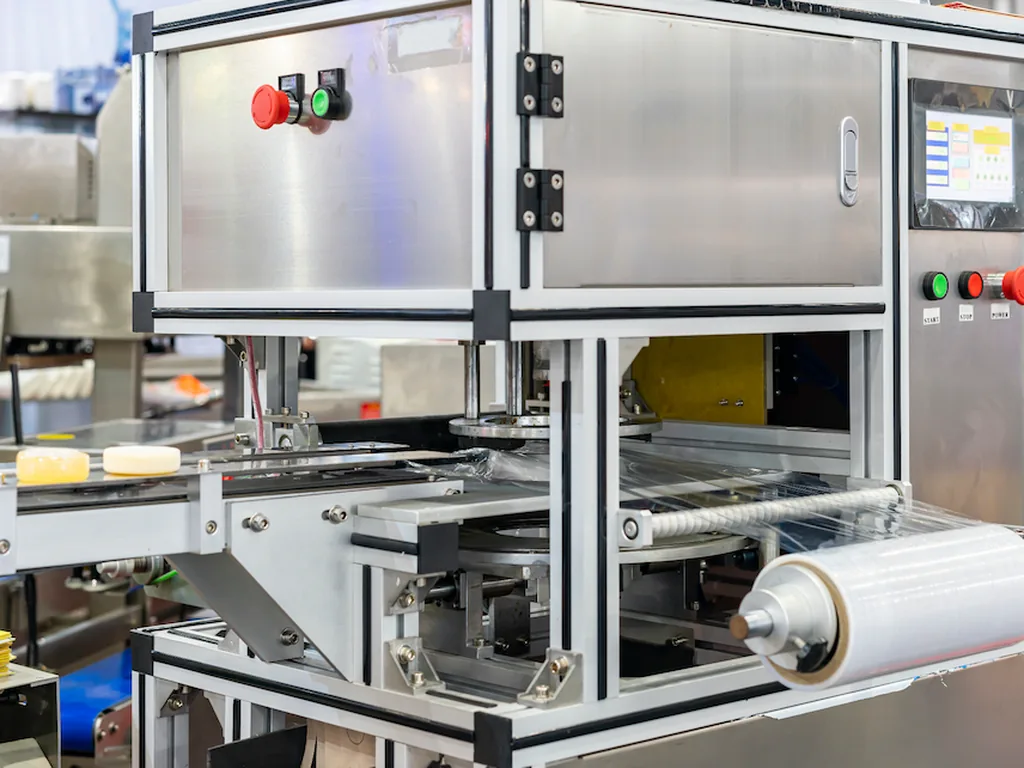
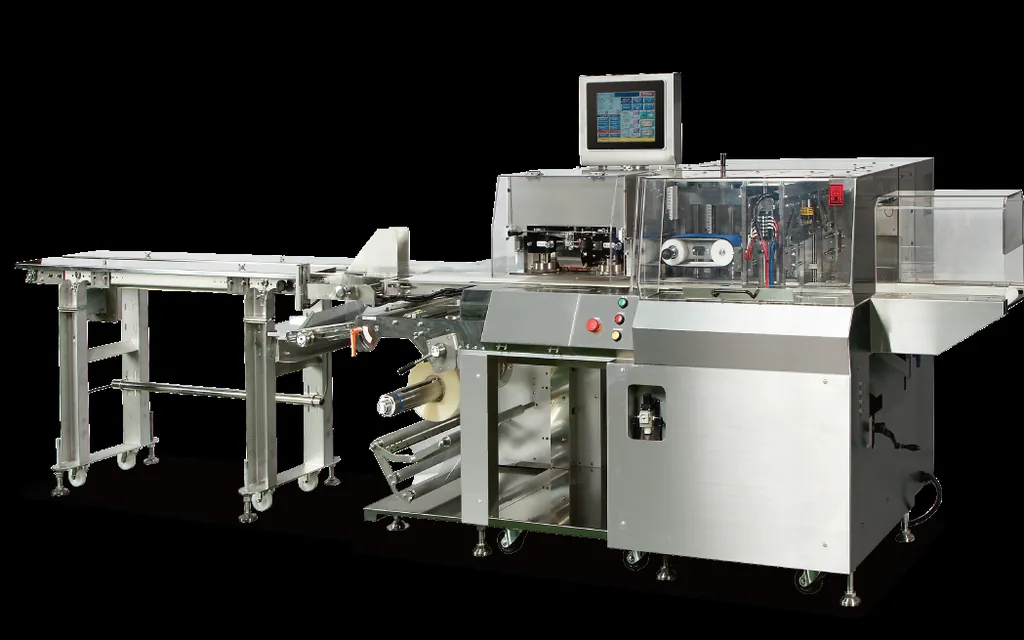
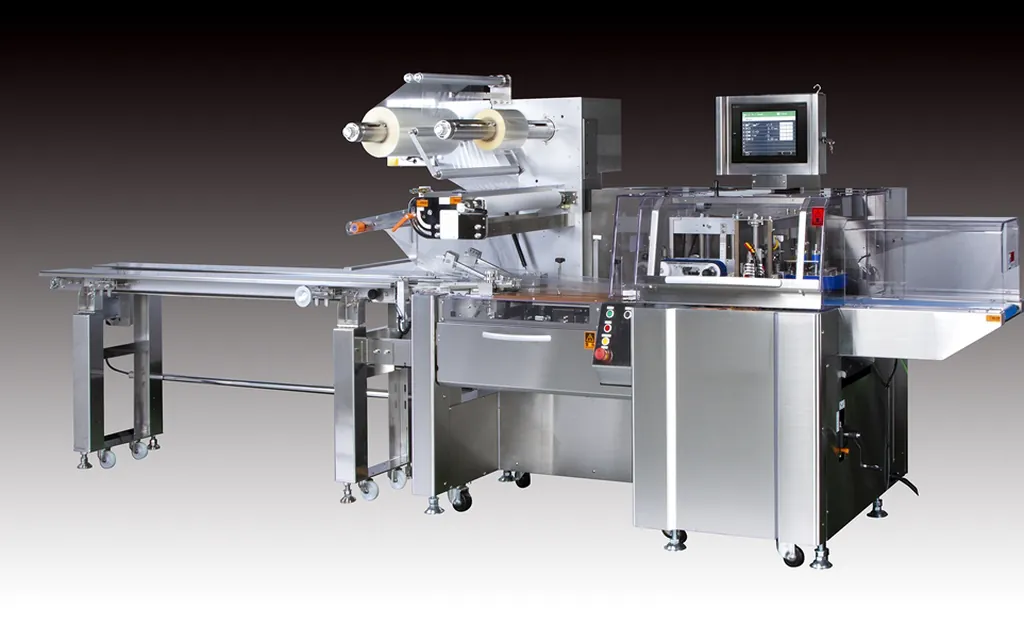
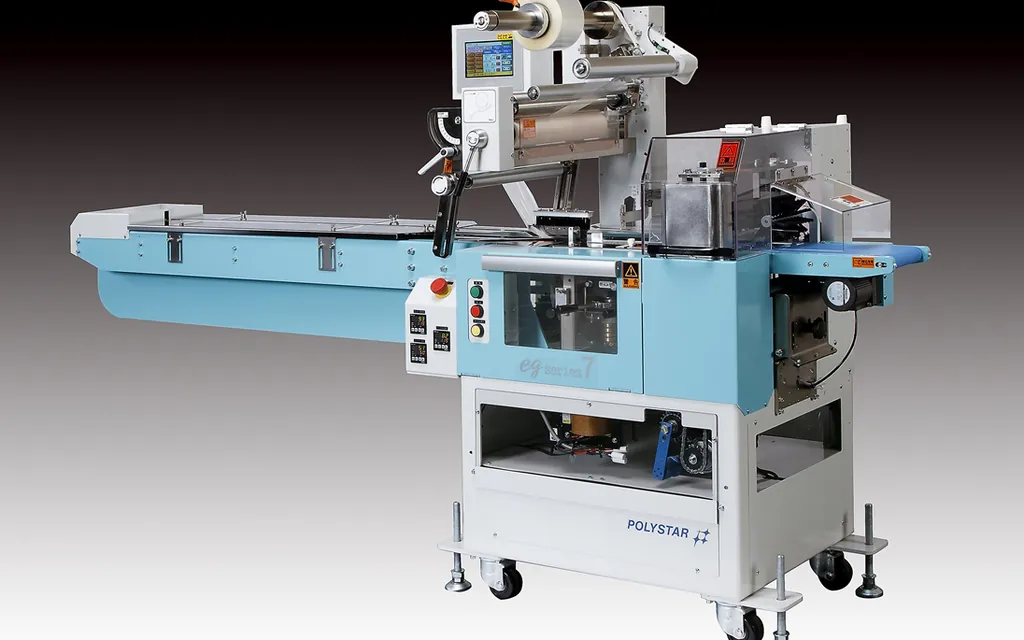
The heat seal roller temperature on the packaging machine fluctuated by ±5°C, and seals intermittently came out incomplete. Replacing the heater element and the solid-state relay earlier had not reduced the fluctuation.
Checking the controller parameters, the PID settings were still at factory defaults, even though this machine had been fitted with a thicker roller — the process characteristics had changed long ago.
 FIELD · SCHH-2026
We started with process identification: a step response test measured the new dead time and time constant, confirming that the original integral action was too strong and causing periodic oscillation.
The PID was retuned from the identification result, with output limiting and anti-windup added. After tuning the fluctuation settled to ±1.5°C and the incomplete seals disappeared. The parameters and identification record were filed together for review if the roller is changed again.
Control parameters are part of the equipment. Changing the mechanical structure without reviewing them means letting old parameters drive new equipment.
A step response identification takes half an hour and saves a whole round of trial-and-error part swapping. Identify first, then tune — that is the standard move on a temperature control problem.
Heat-seal temperature on the packaging machine fluctuated by ±5°C, with false and missed seals occurring constantly, and operators repeatedly fine-tuning by hand treated the symptom, not the cause. This case is the textbook approach to PID tuning: first identify the process (measure dead time and time constant by step response), confirm that excessive integral action in the original parameters was causing periodic oscillation, then retune based on the identification and add anti-windup. In three days the fluctuation converged to ±1.5°C and false seals disappeared. The prerequisite for tuning is identifying the process first; trial-and-error by feel is the least efficient path.
 FIELD · SCHH-2026
It depends: a simple process (fast response, small dead time) can be tuned well enough by trial and error; a process with large dead time and strong nonlinearity (such as heat-seal temperature control or a high-inertia temperature system) is very hard to tune accurately without identification, and trial and error may go on for days without converging. Step identification takes half an hour and buys a well-founded starting point for tuning. For a complex process, that half hour saves several days of trial and error.
 FIELD · SCHH-2026
Not necessarily - hardware factors must be ruled out first: whether the heating element is aged, the thermocouple has poor contact or is poorly positioned, the solid-state relay has degraded, or the insulation has failed. Parameter tuning is the last step: if the hardware is faulty, even the best parameters cannot suppress the fluctuation. Our order of investigation is hardware first, parameters second, and in this case the parameters were adjusted only after the hardware was confirmed to be normal.
Tell us the symptoms, and we will run the same diagnostic approach on your equipment.
 Scan to add Engineer Man on WeChat
 Guangzhou Yujihang Computer Technology Co., Ltd. · www.accpc.com.cn
 Guangzhou Henghuan Technology Co., Ltd. · www.hhrobotics.cn
 Nanchong Henghuan Robotics Co., Ltd. · www.hhrobots.cn