
A dust explosion is not a low-probability event, it is what happens once the conditions line up. This remediation removed those conditions one by one.
A dust explosion is not a low-probability event, it is what happens once the conditions line up. This remediation removed those conditions one by one.
 FIELD · SCHH-2026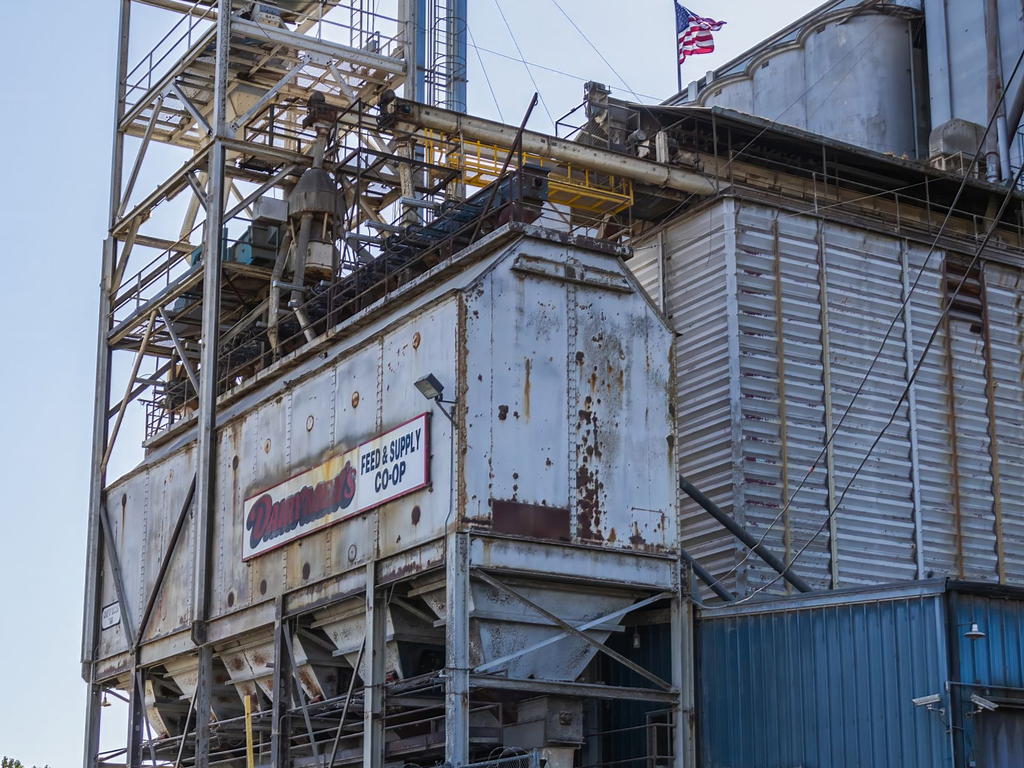
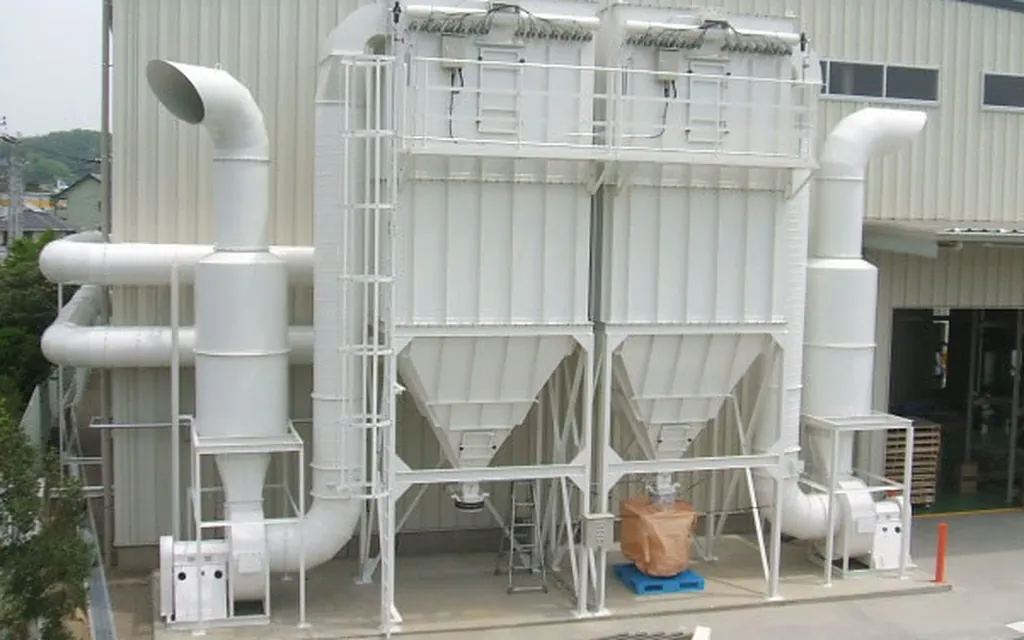
The survey found several hazards in the grinding section: the dust collector and silo lacked equipotential bonding, some motors were not explosion-proof, dust clearing intervals were too long, and the bucket elevator had no explosion venting.
The plant had previously taken the view that nothing having happened meant it was safe.
 FIELD · SCHH-2026
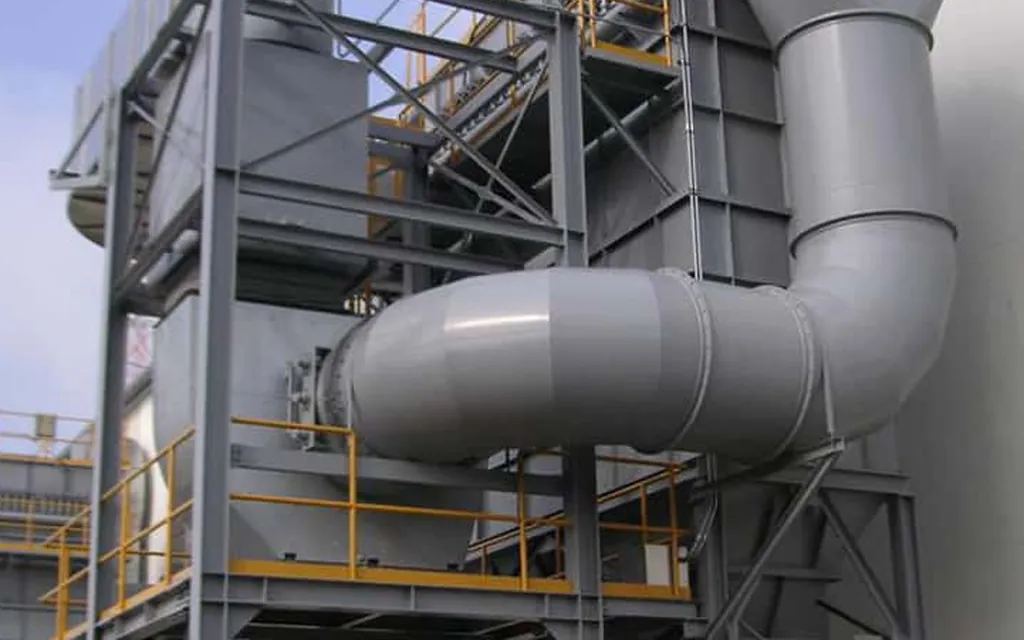
The corrective work was broken down by the three elements of explosion protection: control the concentration - increase cleaning frequency and switch to vacuum cleaning to eliminate secondary dust clouds; control ignition sources - replace non-explosion-proof motors, seal electrical wiring in conduit, and rebuild the grounding system and measure its resistance; control the consequences - fit explosion-venting panels and isolation valves to the bucket elevator and dust collector.
The remediation was completed in five weeks and a dust-area inspection sheet was established, with earthing resistance and cleaning records added to the monthly check.
Dust explosion protection has to be advanced systematically along three lines — concentration, ignition source and consequence. Single-point fixes create a false sense of security.
Accumulated dust is the most underestimated hazard: one disturbance can turn settled dust into an explosive cloud. The cleaning regime matters more than the equipment.
Dust explosion-protection work is a safety red-line project that allows no shortcuts. This case was systematically broken down by the three elements of explosion protection - controlling concentration, controlling ignition sources and controlling consequences - with all three pursued at once, clearing every hazard in five weeks. The work is not a one-off campaign but the building of a lasting mechanism: a dust-area checklist, grounding-resistance readings and cleaning records are folded into the monthly inspection, turning explosion protection from a "crackdown" into "daily management."
 FIELD · SCHH-2026
It follows the dust explosion-protection safety code and the relevant national standards: the electrical explosion-protection rating, grounding requirements, venting area and cleaning regime for explosive dust atmospheres are all clearly specified. For any corrective work we check the standards item by item to produce a hazard list, and the scope of work and acceptance criteria follow the code. For a safety red-line project, our principle is to benchmark only against regulatory requirements - no shortcuts, no fudging.
 FIELD · SCHH-2026
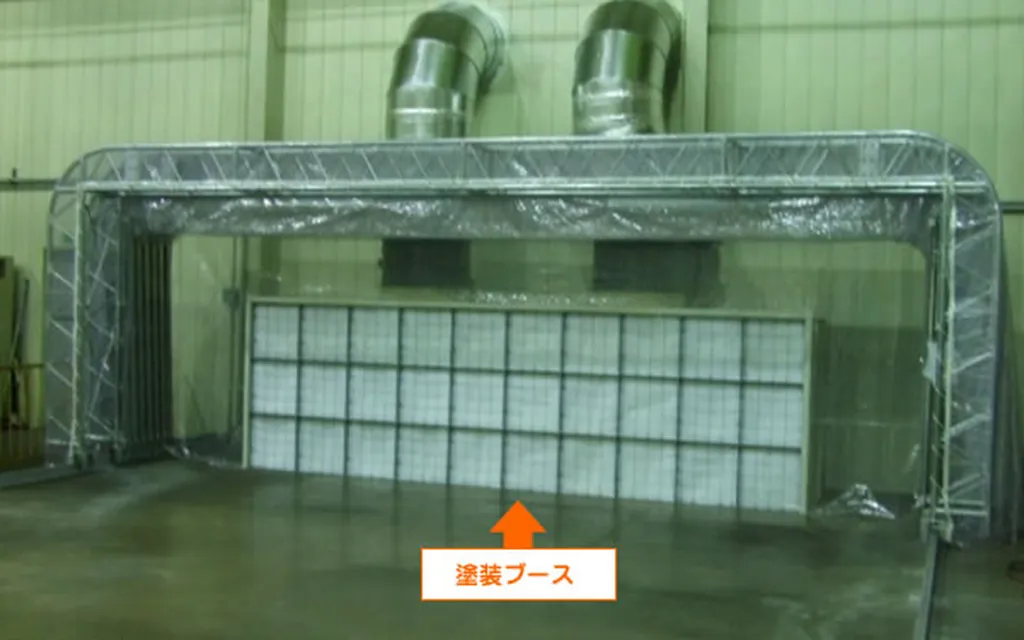
It can be phased by risk level, but the high-risk items must come first: ignition-source treatment (explosion-proof electrics, grounding) and consequence control (venting, isolation) are high-risk and go in the first batch; the cleaning regime and vacuum-cleaning conversion are management plus small investment and can run in parallel or immediately follow in a second batch. We produce a graded hazard list to help you put a limited budget into the highest-risk areas first. Phasing is a question of pacing, not an excuse to delay high-risk items.
Tell us the symptoms, and we will run the same diagnostic approach on your equipment.
 Scan to add Engineer Man on WeChat
 Guangzhou Yujihang Computer Technology Co., Ltd. · www.accpc.com.cn
 Guangzhou Henghuan Technology Co., Ltd. · www.hhrobotics.cn
 Nanchong Henghuan Robotics Co., Ltd. · www.hhrobots.cn