Systematic analysis from symptom to root cause is the precondition for eliminating a fault. We issue a fault analysis report so that every shutdown ends in a conclusion.
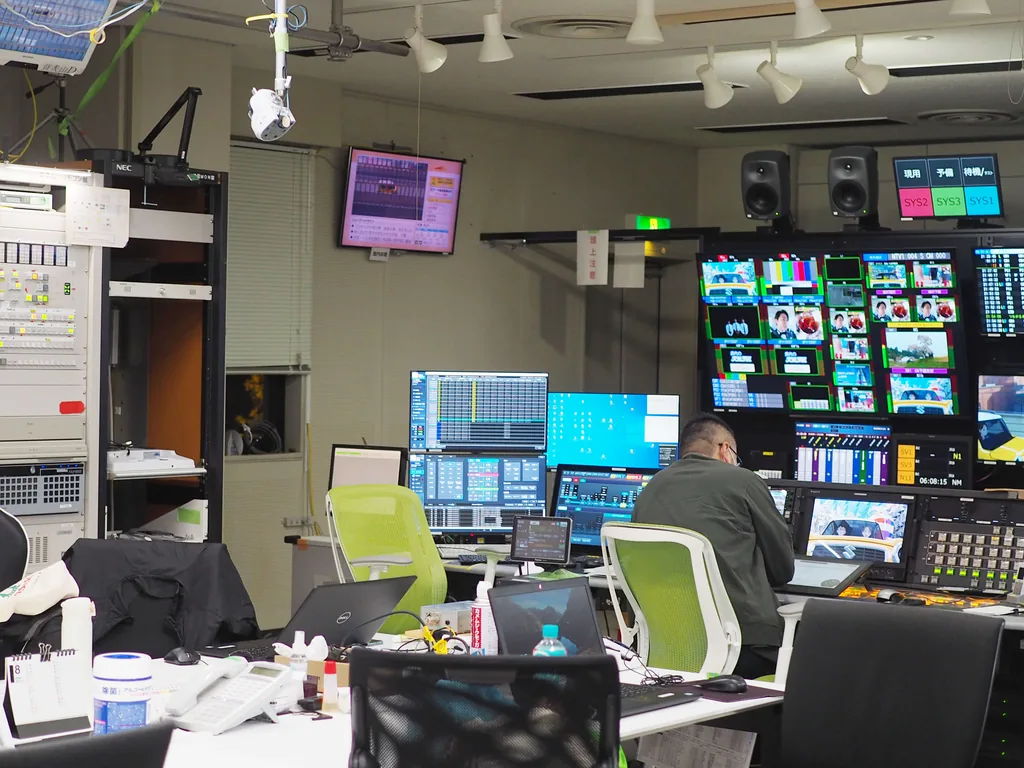
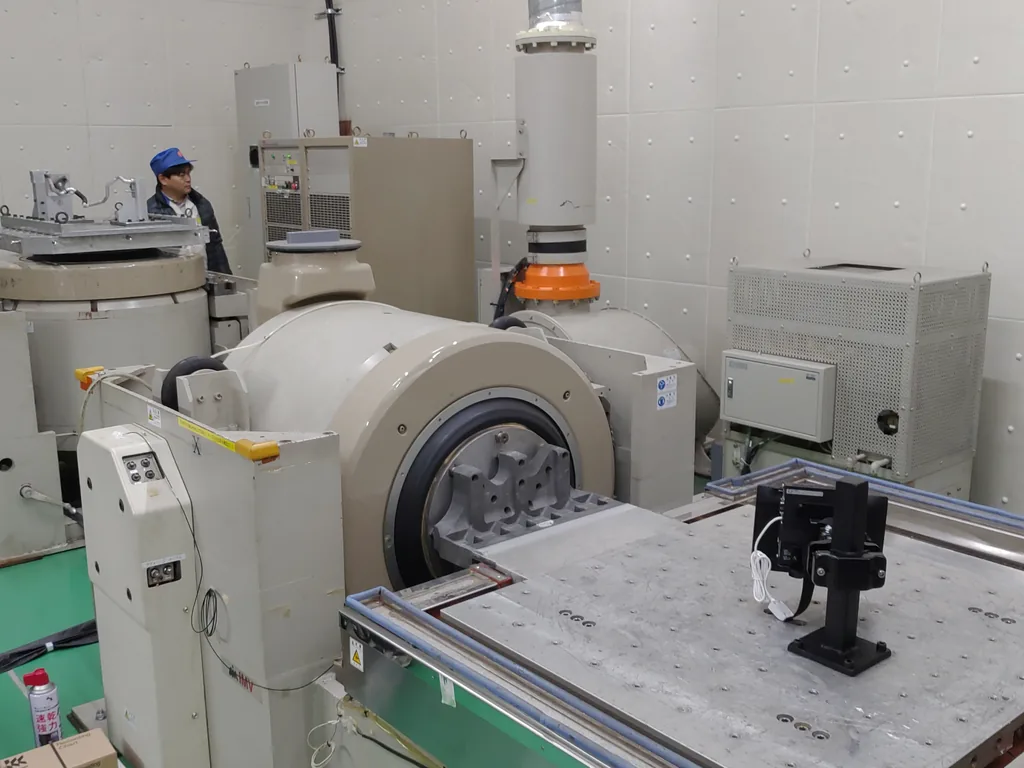
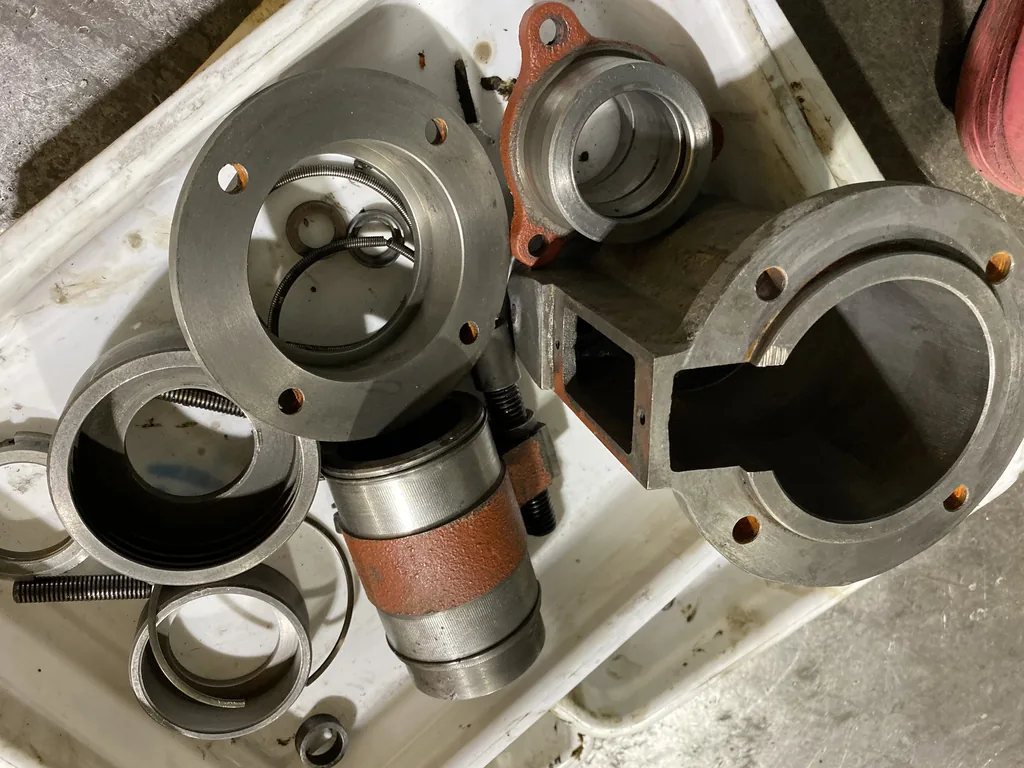
Analysis spans four dimensions — mechanical, electrical, hydraulic and control — locating the fault from running data and test instruments, and separating intermittent from degradation-type faults.
The elimination process records the fixes applied and parts replaced; the report carries the root-cause conclusion and prevention advice, feeding better maintenance strategy.
 FIELD · SCHH-2026
 FIELD · SCHH-2026
The difference is the path and the evidence. The ordinary approach is trial and error by experience - swap parts until it works, at the cost of wrongly replaced parts and drawn-out downtime. Our approach is measure first, judge second: spectra, temperature, current and insulation data are obtained first, the direction is fixed, and only then do we intervene - the probability of fixing it right the first time is far higher. Wrongly replaced parts cost money, and trial-and-error time costs even more.
 FIELD · SCHH-2026
Three uses: first, when the same class of fault recurs, the file answers directly instead of a fresh investigation; second, once the preventive measures in the report (inspection items, maintenance intervals, spares quality control) are implemented, the fault stops repeating; third, the annual consolidation shows which machines and which failure patterns the faults concentrate in, giving a basis for renewal and upgrade decisions. A report is not paper handed in to close a job - it is an asset.
One phone call, and a senior engineer will walk you through how it is done, what it costs, and how long until you see results.
 Scan to add Engineer Man on WeChat
 Guangzhou Yujihang Computer Technology Co., Ltd. · www.accpc.com.cn
 Guangzhou Henghuan Technology Co., Ltd. · www.hhrobotics.cn
 Nanchong Henghuan Robotics Co., Ltd. · www.hhrobots.cn