Three motors burned out in three months, and the windings all showed the same burn pattern. Single-phasing, with no protection in place.
Three motors burned out in three months, and the windings all showed the same burn pattern. Single-phasing, with no protection in place.
 FIELD · SCHH-2026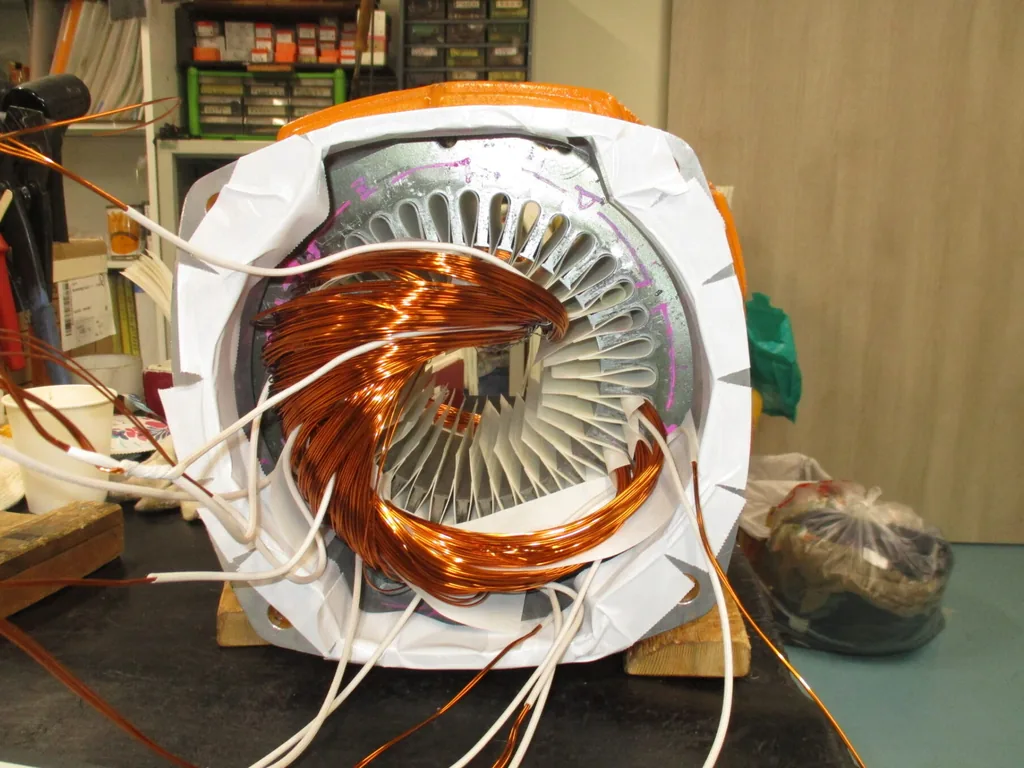
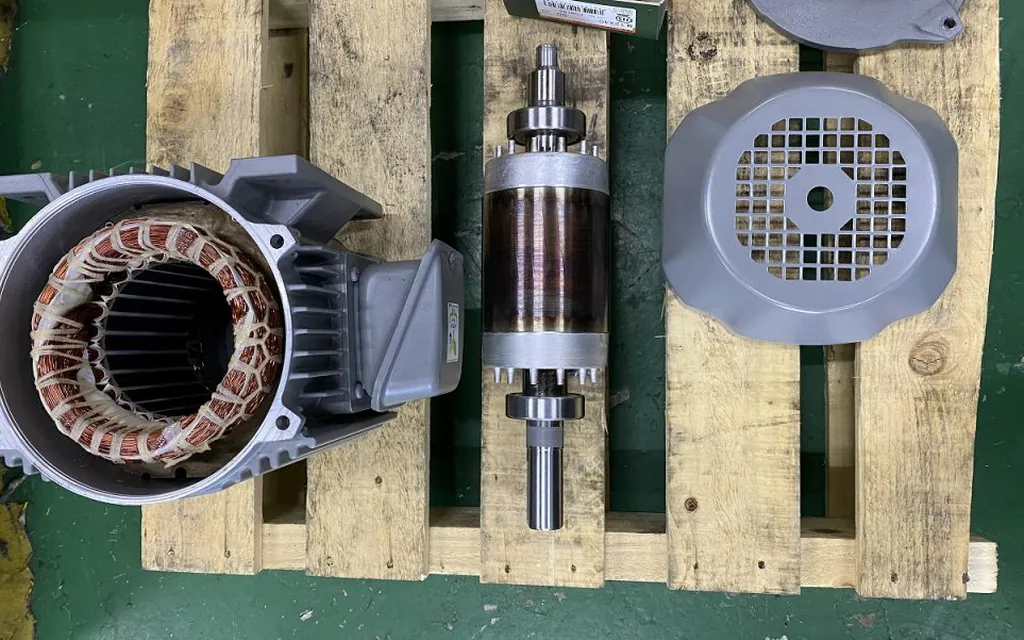
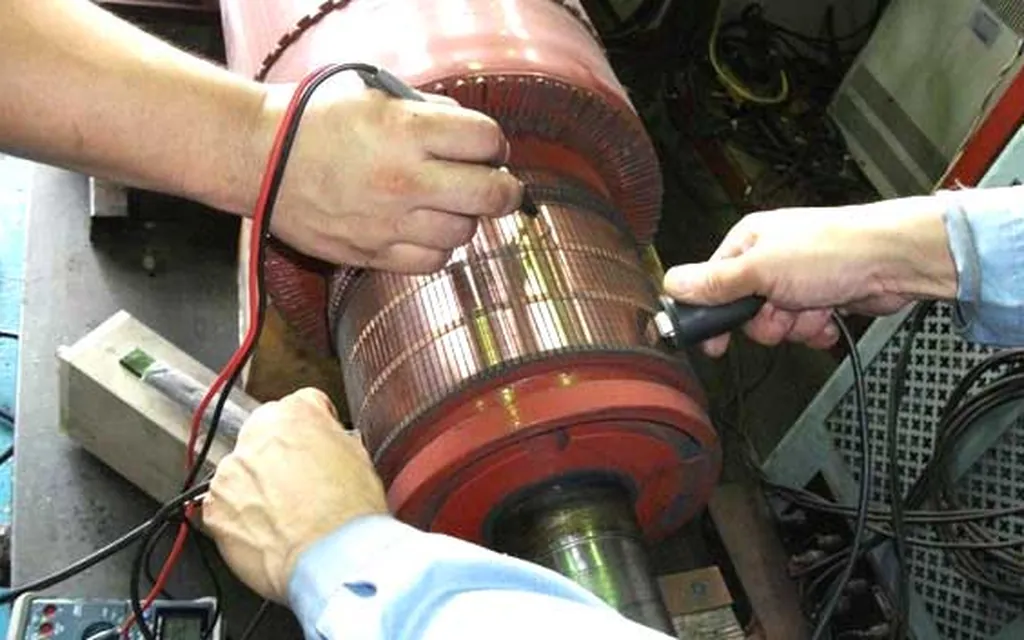
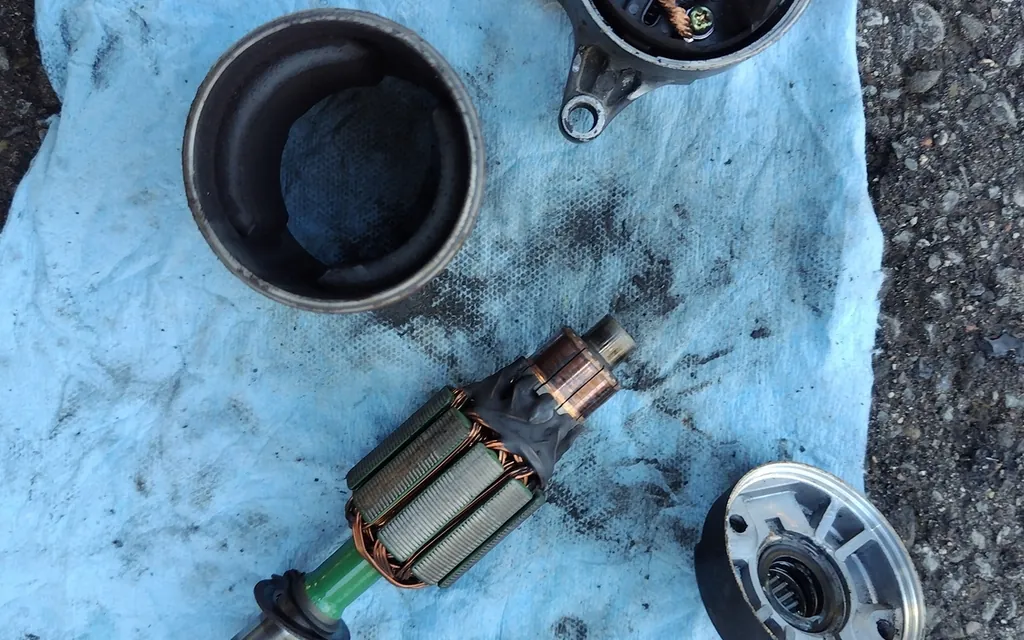
Three motors burned out in succession, the windings showing the classic single-phasing signature of two phases blackened and one intact. Checking the circuit: the thermal relay setting was too high and one pole element had failed, and one contactor pole had excessive contact resistance.
The deeper cause was absent maintenance: the thermal relays had never been calibrated and the contacts had never been inspected.
 FIELD · SCHH-2026
The response had a hardware layer and a management layer. On hardware we fitted motor protectors with phase-loss protection, with settings verified against nameplate current, and replaced the degraded contactors. On management we put protector setting calibration and contact inspection into the semi-annual maintenance list and set up a motor protection register.
Full coverage was configured in one week, and in the following two years there was no record of a motor burn-out.
When a motor burns out, read the winding burn pattern first: it will tell you whether it was single-phasing, overload or insulation. The winding is the most honest incident report there is.
Protective devices themselves need protective maintenance. A failed thermal relay is more dangerous than no thermal relay, because it creates the illusion of protection.
Three motors burned out in the same workshop within half a year, and each time the response was to replace the motor - until the third time someone asked "why do they keep burning." The answer was phase loss: when a phase is lost in the supply circuit the motor runs single-phase, current surges several-fold, and the windings can burn out in minutes to tens of minutes, yet there was no phase-loss protection anywhere on site. The response in this case had two layers - hardware and management: adding motor protectors stops the bleeding, while putting setting verification into the half-yearly maintenance list is the permanent fix. Three incidents from one root cause revealed not bad luck but a blank in the protection configuration.
 FIELD · SCHH-2026
Choose by motor power and protection function: a basic model with overload and phase-loss protection meets most needs; for frequent starts and stops or heavy-load conditions choose a model with stall and unbalance protection; for critical equipment consider one with a current display for easy reading during rounds. Settings are based on the nameplate rated current, with the overload trip curve matched to the motor's thermal characteristics. Choosing right still has to be followed by setting right - neither step can be skipped.
 FIELD · SCHH-2026
Three common reasons: the settings are too loose (set for a large current, making them as good as useless); the protector itself has degraded and failed (no regular verification); and the protection scope doesn't cover all fault modes (e.g. phase-loss protection won't act on an inter-turn short circuit). Our motor-protection check-up goes through all three. The protection ledger - each motor's setting value, last verification date and trip records on one page - shows clearly whether the protection system is alive.
Tell us the symptoms, and we will run the same diagnostic approach on your equipment.
 Scan to add Engineer Man on WeChat
 Guangzhou Yujihang Computer Technology Co., Ltd. · www.accpc.com.cn
 Guangzhou Henghuan Technology Co., Ltd. · www.hhrobotics.cn
 Nanchong Henghuan Robotics Co., Ltd. · www.hhrobots.cn