
One or two random stops a day, cleared every time by a reset. Half a month of investigation found nothing. The cause turned out to be a communications cable with its shield layer cut.
One or two random stops a day, cleared every time by a reset. Half a month of investigation found nothing. The cause turned out to be a communications cable with its shield layer cut.
 FIELD · SCHH-2026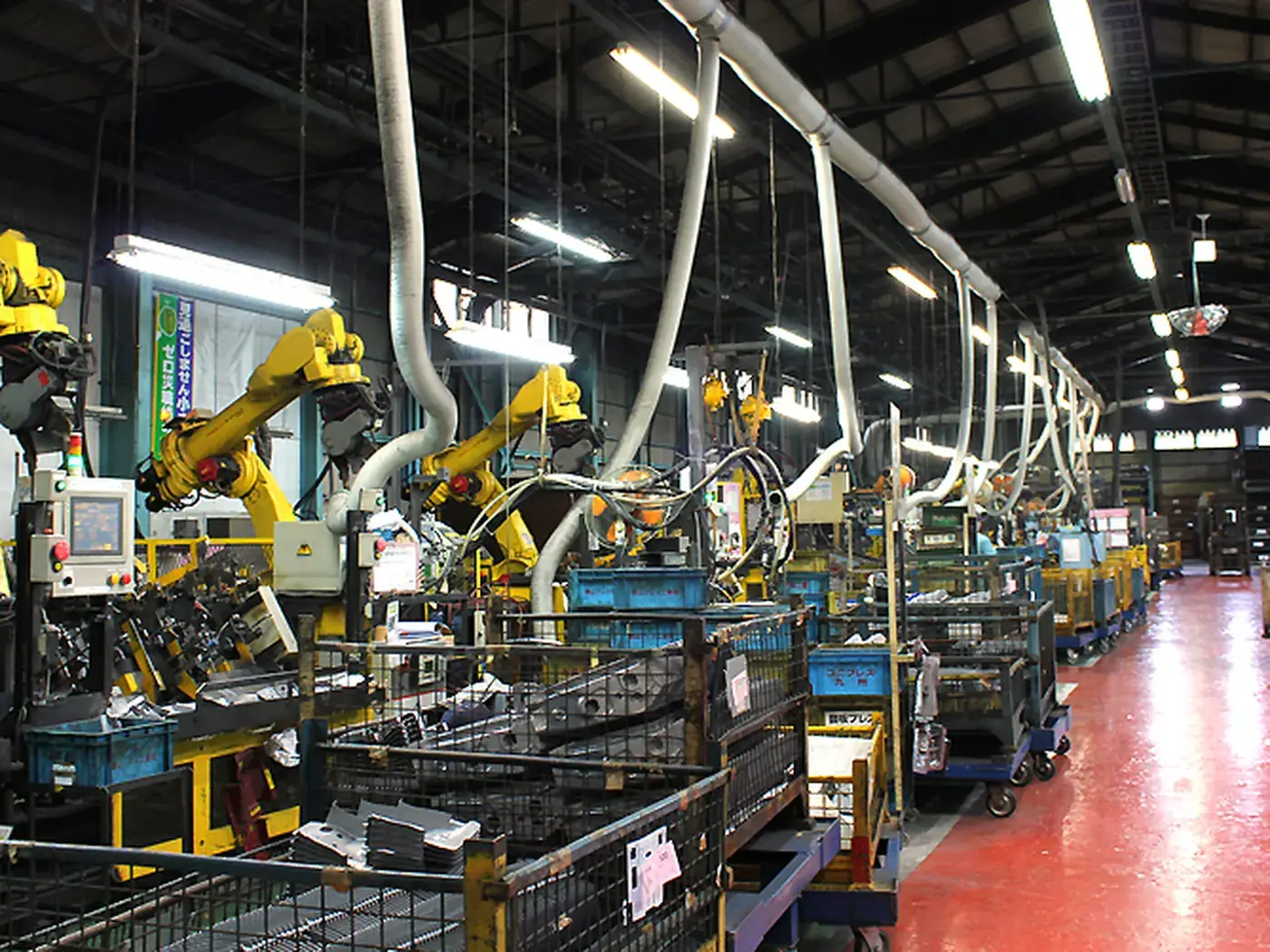
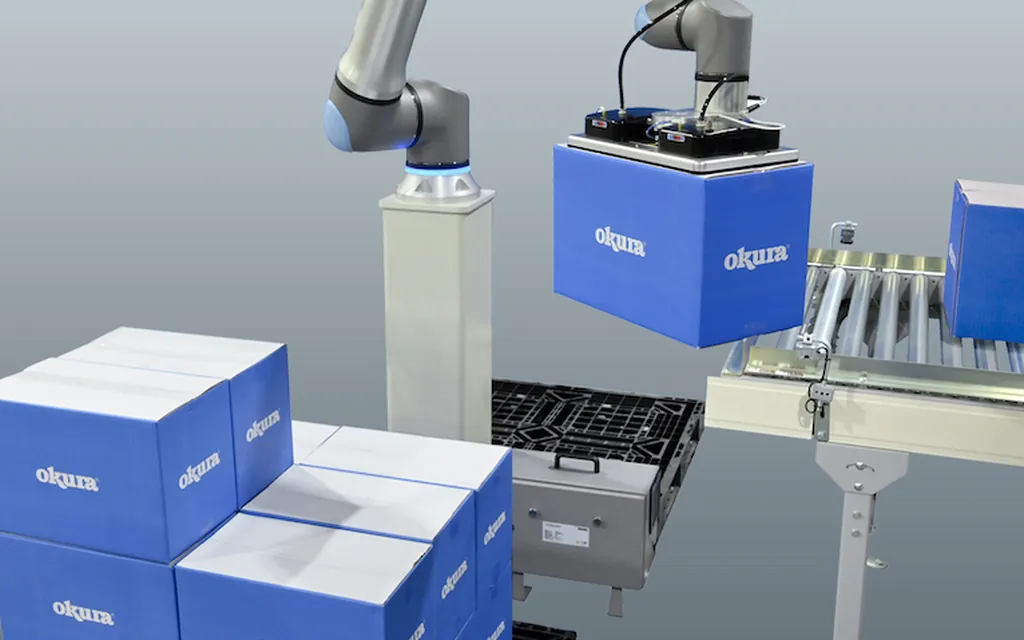
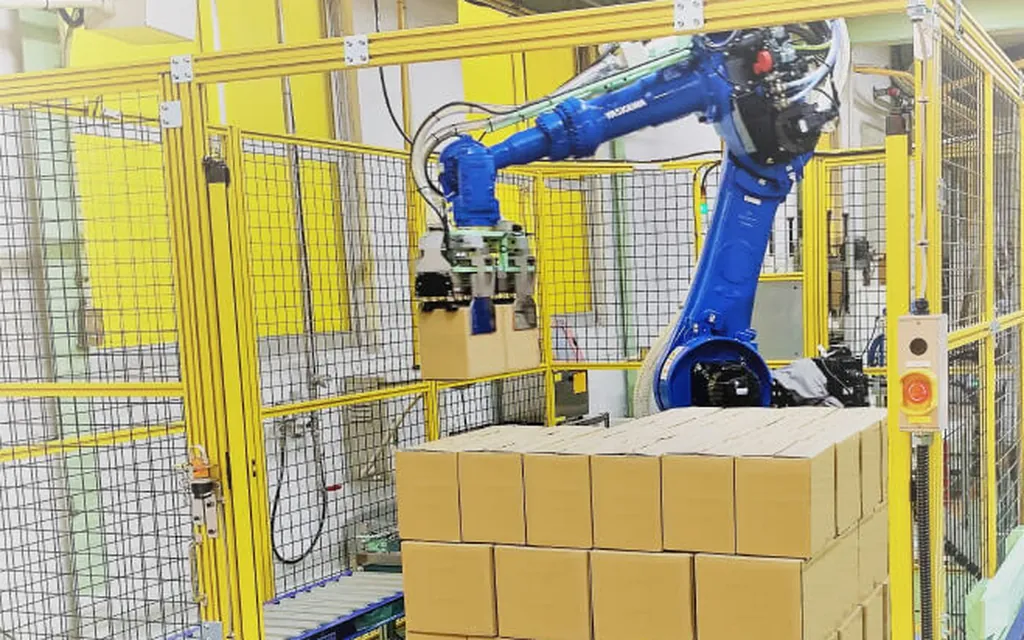
The palletising line used a mid-range PLC with remote I/O. The fault showed up as a full-line e-stop with no alarm record, cleared by a reset. The electrical team suspected the programme, the power supply and the safety relay, and replaced a round of parts, but the fault persisted — and its frequency went from once a day to twice.
An intermittent fault with no record is the most wearing kind: it stays away while you keep watch and stops the moment you go to eat.
 FIELD · SCHH-2026
I asked for two things: add fault capture to the PLC, logging scan cycle, communication error count and supply voltage fluctuation into retentive registers; and trace the communications cabling along the trays at the same time. On day three the data spoke — the communication error count jumped before every stop.
Following the Profibus cable, we found one run laid parallel to a VFD output cable in the same tray for nearly six metres, and its shield had been cut during installation and never terminated. The fix: move the communications cable to its own tray and restore single-ended shield earthing. The fault went to zero from then on.
Do not fix intermittent faults by swapping parts and hoping; first let the system record its own evidence. An error counter is the most honest witness there is.
Workmanship hazards on an automated line often only surface six months after start-up. At acceptance, a megger and photos of the cable trays say more than a signature.
Intermittent stoppages are the most wearing opponent in electrical troubleshooting: irregular, non-reproducible, and gone by the time you look. The methodological value of this case outweighs the conclusion itself - for an intermittent fault, having someone squat on site waiting for it to recur is the least efficient approach. The right way is to make the equipment "confess": add fault capture to record data, and inspect the physical hazards along the circuit, running both lines in parallel. On the third day the data began to speak, and on the seventh day the faults dropped to zero.
 FIELD · SCHH-2026
It wasn't a matter of skill but of method: an intermittent communication-interference fault doesn't reproduce and leaves no trace - a multimeter can't measure it and the eye can't see it, so all conventional troubleshooting fails. You need fault-capture data to preserve the anomaly at the instant of stoppage, then follow where the data points to inspect the physical layer. This "data capture plus physical inspection" approach is our standard move for intermittent faults.
 FIELD · SCHH-2026
When grounded at both ends, a ground-potential difference drives a circulating current in the shield, and the shield itself becomes a source of interference; single-ended grounding lets the shield only shield, carrying no current. This is basic code for instrumentation and communication wiring, but on construction sites it is very often cut or connected haphazardly - when troubleshooting intermittent communication faults at several plants, the first thing we check is the shield's grounding condition.
If your automated line also has intermittent stoppages with no known cause, don't rush to replace parts. Check three things: does the PLC have fault-capture records, and can the data at the instant of stoppage be pulled up? Is there a section where the communication cable runs parallel to the VFD output cable in the same tray, and how long is it? What is the shield's grounding condition, and are there signs of it being cut and left unconnected during installation? All three take half a day to check - far cheaper than replacing a drive, and far more effective than squatting on site waiting for a recurrence.
Tell us the symptoms, and we will run the same diagnostic approach on your equipment.
 Scan to add Engineer Man on WeChat
 Guangzhou Yujihang Computer Technology Co., Ltd. · www.accpc.com.cn
 Guangzhou Henghuan Technology Co., Ltd. · www.hhrobotics.cn
 Nanchong Henghuan Robotics Co., Ltd. · www.hhrobots.cn