
Positioning accuracy drifted slowly from 0.05 mm to 0.8 mm, and replacing the encoder did not help. The moment we opened the coupling, the answer was on the grub screw.
Positioning accuracy drifted slowly from 0.05 mm to 0.8 mm, and replacing the encoder did not help. The moment we opened the coupling, the answer was on the grub screw.
 FIELD · SCHH-2026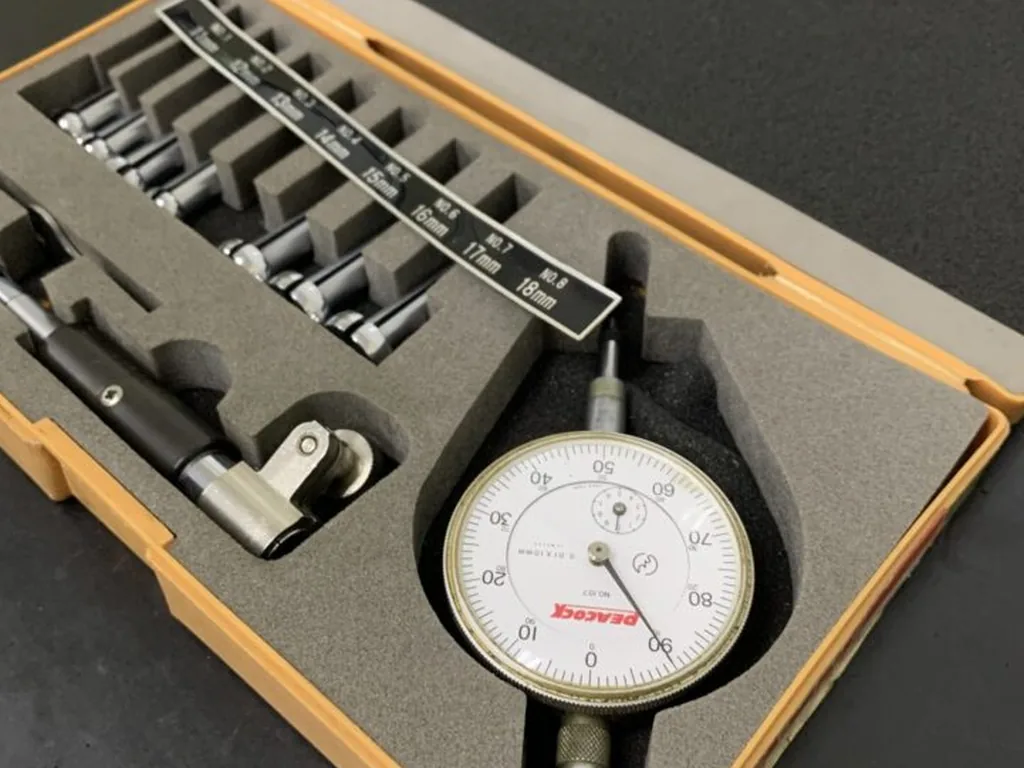
On an assembly line the servo transfer axis showed positioning deviation growing month by month, and the press-fit reject rate climbed with it. The plant suspected the encoder first; two weeks after replacing it the deviation was back. Then they suspected the linear guideway, but inspection showed no obvious wear.
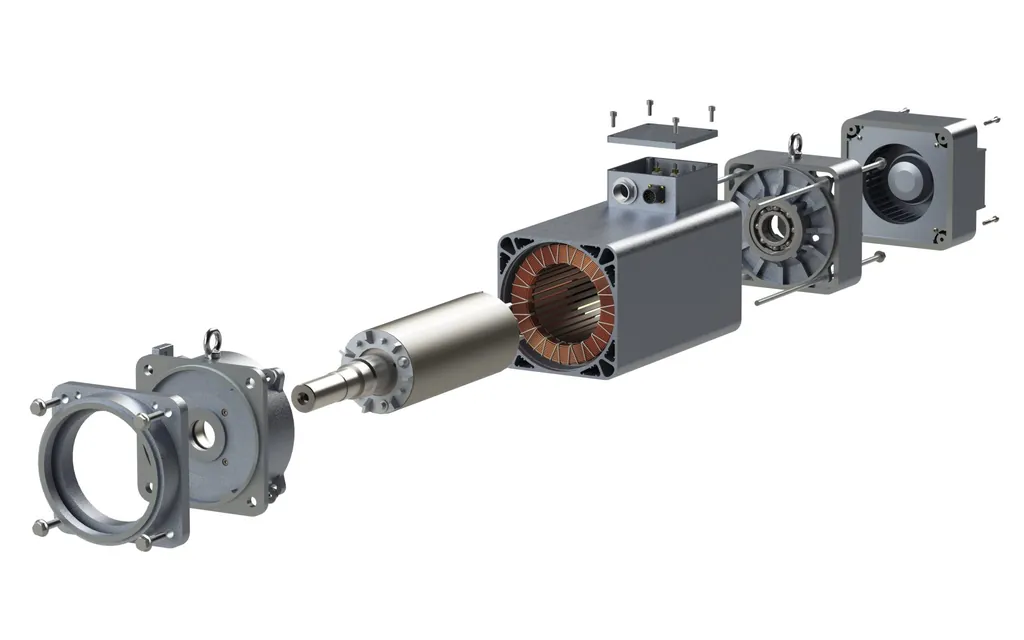
The deviation had no fixed direction and grew slowly in amplitude, which does not match the step-change signature of an electrical fault. I judged the problem lay in a mechanical joint in the drive train.
 FIELD · SCHH-2026
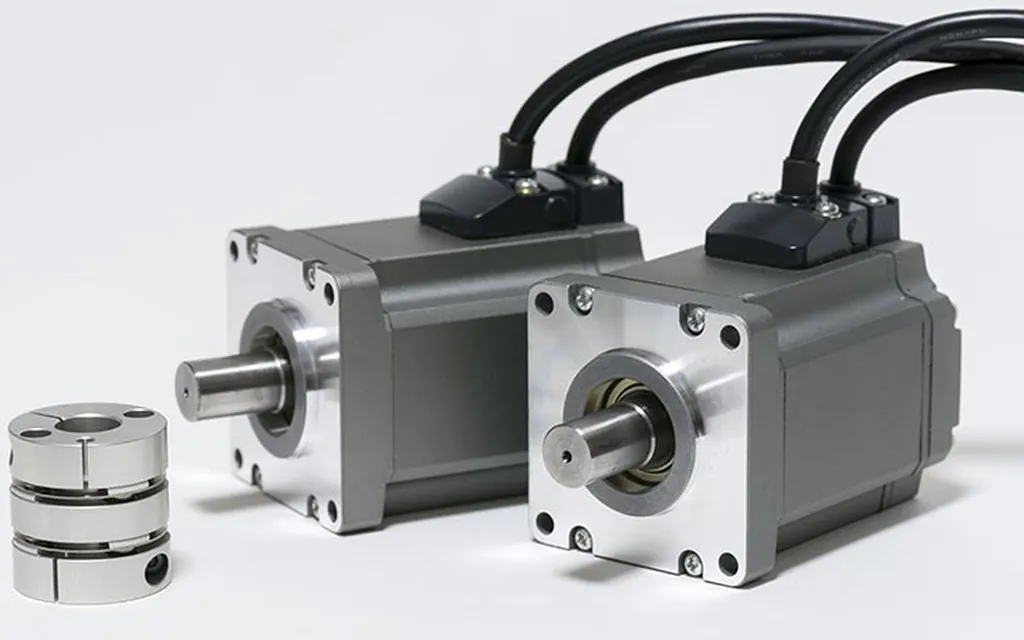
On shutdown and strip-down the coupling disc was intact, but the clamping grub screw was about half a turn loose, allowing slight angular slip between the encoder shaft and the coupling. The slip accumulated with temperature rise and vibration, which explains the slow drift exactly.
The fix was simple: retorque the grub screw to specification and add a locking adhesive. Re-measurement put positioning accuracy back to 0.04 mm. We also added coupling fastening checks to the quarterly maintenance list and drew anti-loosening witness marks on the screw and shaft end with a marker pen, so it can be checked by eye.
When accuracy degrades, split it into electrical and mechanical first: step changes are usually electrical, slow drift usually a mechanical joint. That simple split has saved me a lot of detours.
A witness mark is a zero-cost predictive maintenance tool: one marker pen turns hidden looseness into something you can check by eye.
Positioning accuracy had drifted by 0.8 mm, and the first reaction is usually servo parameters, an encoder fault or leadscrew wear - this case checked all three and all were normal. The real culprit hid somewhere inconspicuous: the clamping set screw on the encoder coupling had loosened by half a turn. The lesson of this case is that drift problems on precision equipment should be investigated in order "from simple to complex"; the cheapest suspect is often the real culprit, and a measure as trivial as an anti-loosening witness mark can save a two-day production-stop investigation.
 FIELD · SCHH-2026
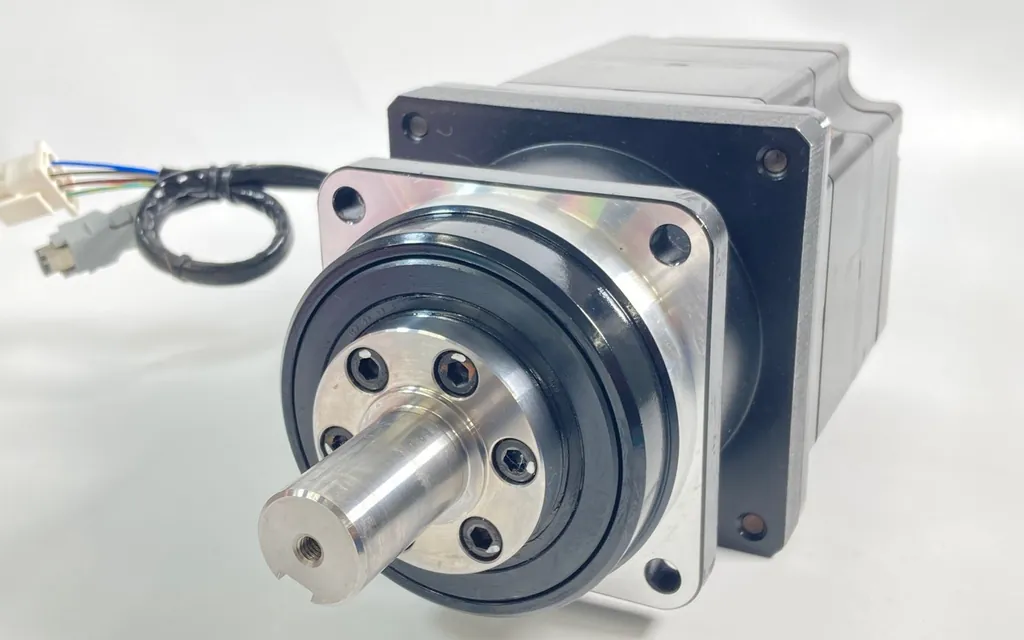
Two ways: first, make "torque tightening plus an anti-loosening mark" the standard practice for rotating connections - key connections such as couplings and encoders are tightened to a torque value and marked with a witness line, checked visually during inspection; second, build a signature file for drift-type faults - drift rate, direction, and correlation with temperature and load - and once enough signatures are accumulated, the next similar problem can be located in half a day. The essence of prevention is turning the end point of this investigation into the starting point of the next inspection.
 FIELD · SCHH-2026
More common than most people think. In vibrating environments, with frequent starts and stops, or where temperature swings are large, both set-screw and clamp-type couplings can loosen slowly, and while loose by less than half a turn the equipment still runs normally while accuracy quietly degrades - by the time parts come out of tolerance, a batch of rejects has often already been produced. We list coupling-tightening checks as a standard quarterly-maintenance item for precision equipment precisely for this reason.
Tell us the symptoms, and we will run the same diagnostic approach on your equipment.
 Scan to add Engineer Man on WeChat
 Guangzhou Yujihang Computer Technology Co., Ltd. · www.accpc.com.cn
 Guangzhou Henghuan Technology Co., Ltd. · www.hhrobotics.cn
 Nanchong Henghuan Robotics Co., Ltd. · www.hhrobots.cn