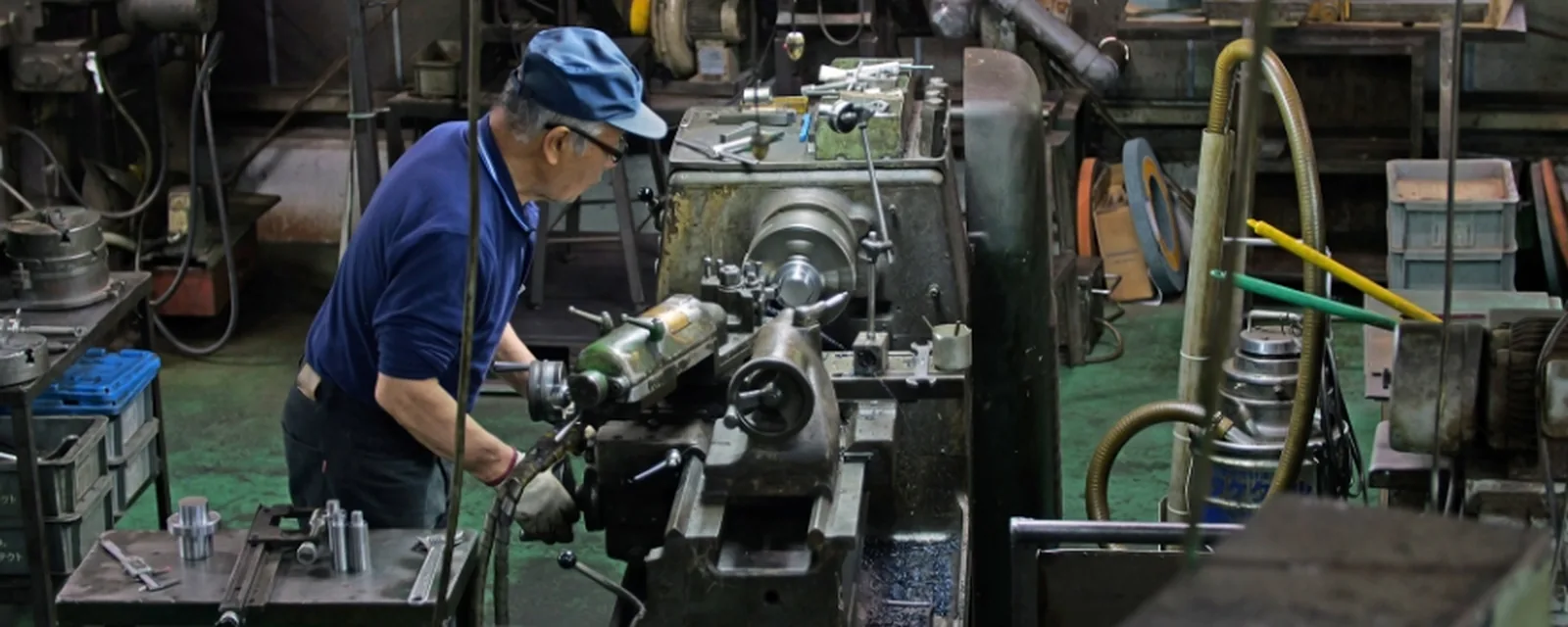
Decent mechanical accuracy but tired electrics is the shared lot of many old machine tools. On this gantry mill the retrofit came down to trade-offs, not technique.
Decent mechanical accuracy but tired electrics is the shared lot of many old machine tools. On this gantry mill the retrofit came down to trade-offs, not technique.
 FIELD · SCHH-2026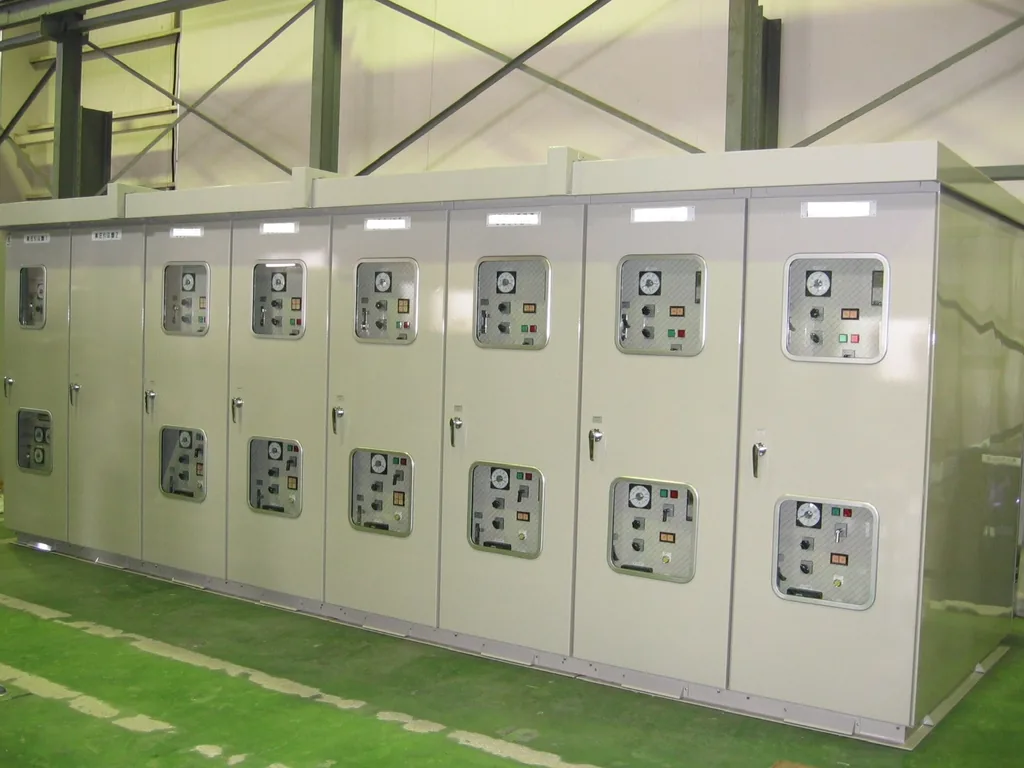
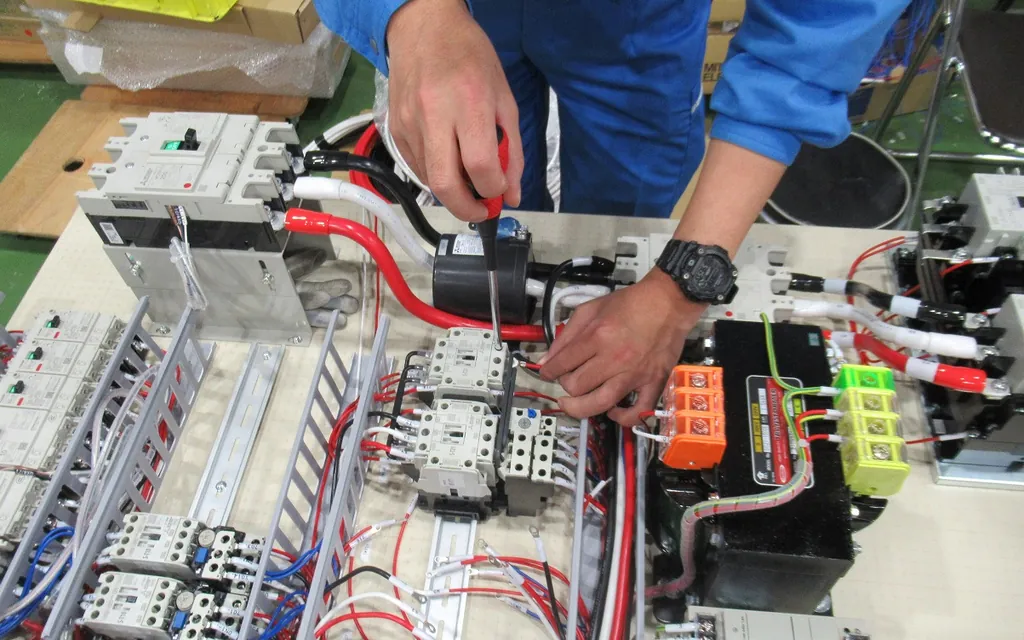
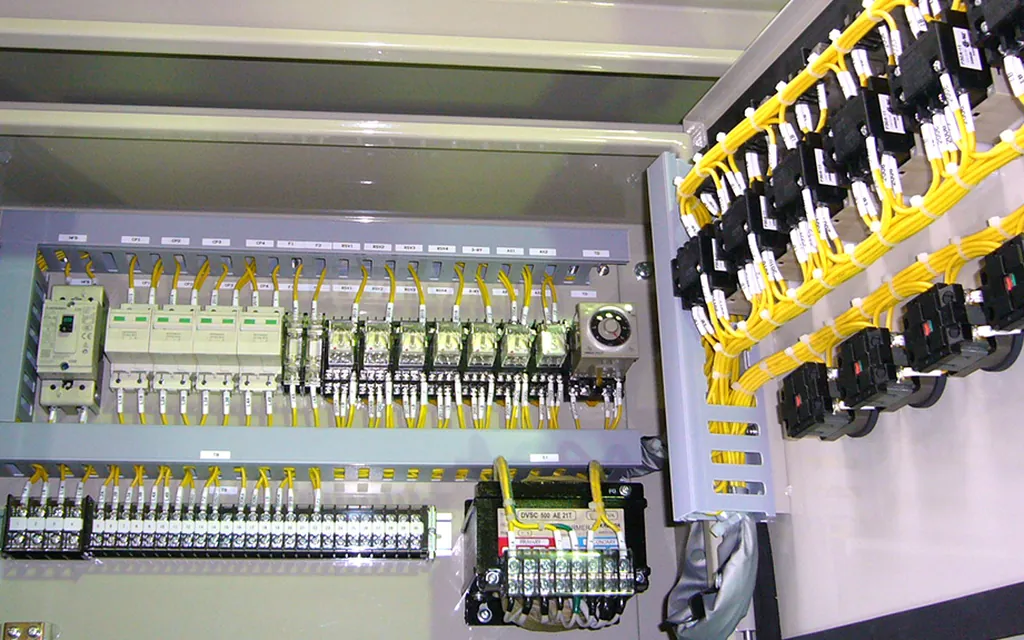
The machine's electrical cabinet held a logic network of over a hundred auxiliary and timer relays, with wire numbers faded beyond reading, so fault finding meant checking continuity point by point. Electrical downtime over one year came to nearly three weeks, and the spare relays had long been discontinued.
The plant's hesitation was very practical: the electrical retrofit costs real money, while the mechanical side still has ten years in it.
 FIELD · SCHH-2026
I first made a function list: translating the relay logic into an action-sequence table, confirming that all of the logic could be implemented equivalently by a PLC, and that the spindle drive and feed drive would be left untouched - the key trade-off for controlling cost.
The retrofit used a compact PLC with relay output expansion, with the cabinet rewired and renumbered and drawings handed over alongside. It took 22 days, including a week of parallel verification. In the year after the retrofit, electrical fault downtime was under a fifth of what it had been.
The rule for retrofitting an old machine tool is keep the mechanics, replace the nerves: mechanical accuracy is an asset, electrical logic is a consumable. The less you touch, the smaller the risk.
A retrofit must hand over drawings and an I/O list. A retrofit without drawings does not eliminate the next fault, it only postpones it.
Converting relay logic to a PLC is a classic type of electrical retrofit for old machine tools, but the easiest way to botch it is not technical - it's greed: replacing the drives too, the motors too, adding functions too, so the budget doubles, the schedule doubles and the risk doubles. The trade-off principle in this case is worth referencing for any old-equipment retrofit: separate the "source of the faults" from the "functional core," replacing only the aged control logic and keeping the actuators and drives that are still in good condition. 22 days and a small budget bought an 80% drop in the fault rate.
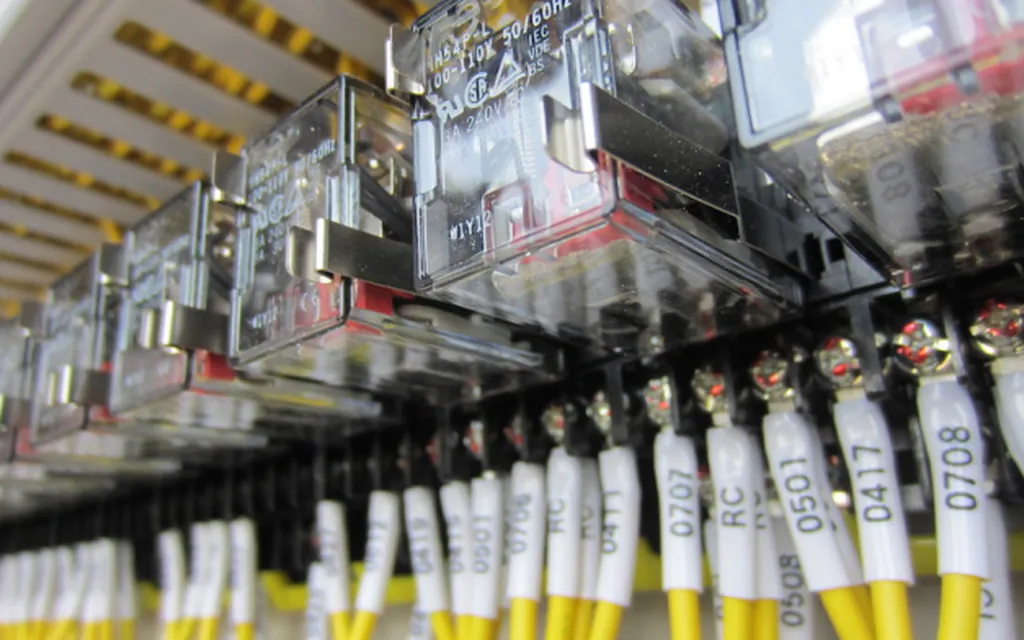 FIELD · SCHH-2026
Run three sets of accounts. Fault account: intermittent faults caused by ageing relay contacts essentially disappear after conversion - in this case they fell by 80%. Maintenance account: a PLC has diagnostics, so fault-finding changes from "checking contacts one by one" to "reading the program state". Residual-value account: once the control side is renewed, an old machine tool in good mechanical condition can serve for many more years, at a fraction of the cost of a new machine. Where the mechanical base components are already spent, we say plainly that a retrofit is not worth it.
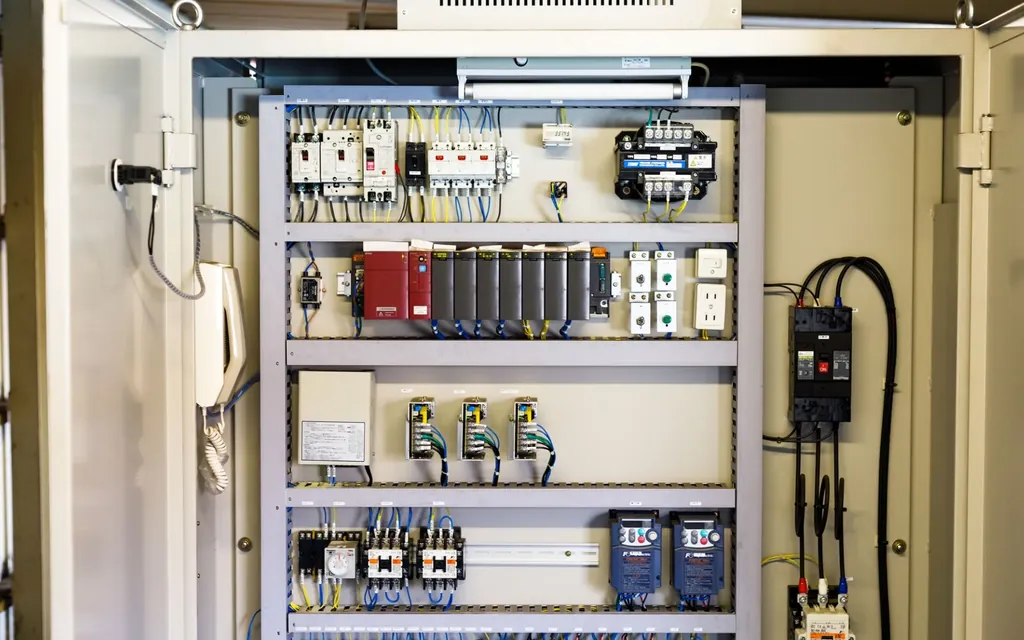 FIELD · SCHH-2026
This case took 22 days including a week of parallel verification, using production gaps and planned shutdowns to work in stages. The scheduling principle: surveying and program writing are done during production (no downtime), cabinet work is concentrated in the shutdown window (time-controlled), and verification plus the switch to full production leave ample buffer. We hand you the shutdown timetable for confirmation at the planning stage.
Tell us the symptoms, and we will run the same diagnostic approach on your equipment.
 Scan to add Engineer Man on WeChat
 Guangzhou Yujihang Computer Technology Co., Ltd. · www.accpc.com.cn
 Guangzhou Henghuan Technology Co., Ltd. · www.hhrobotics.cn
 Nanchong Henghuan Robotics Co., Ltd. · www.hhrobots.cn