The noise was only the surface. This lathe's problem was a chain: bearing wear was the effect, slight taper bore distortion the cause, and the real origin was one tool crash.
The noise was only the surface. This lathe's problem was a chain: bearing wear was the effect, slight taper bore distortion the cause, and the real origin was one tool crash.
 FIELD · SCHH-2026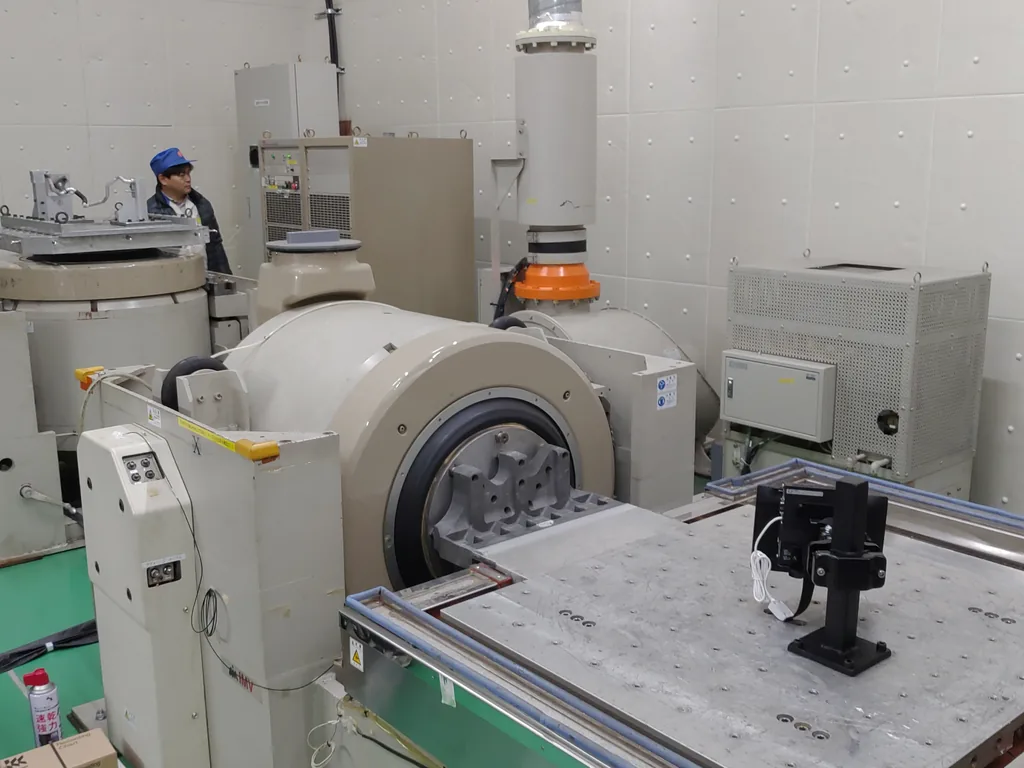
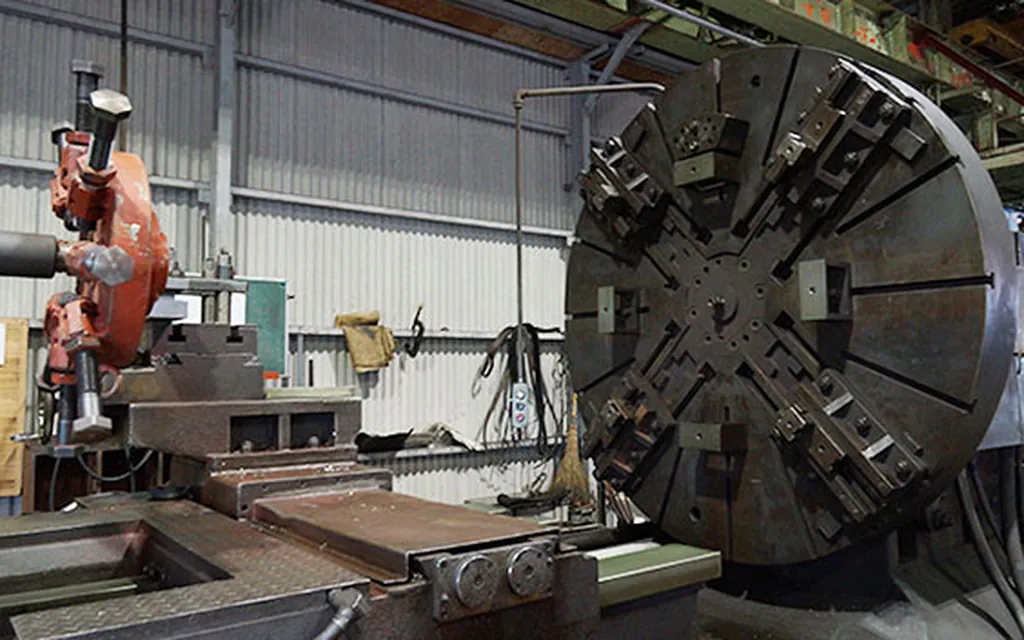
The operator reported a hum above 1200 r/min on the spindle and out-of-tolerance roundness on the workpieces. Grease had been changed and preload adjusted; the noise eased but did not go, and the roundness problem remained.
When I took over I first set up vibration measurement points — front, middle and rear of the headstock — and recorded spectra through the run-up.
 FIELD · SCHH-2026
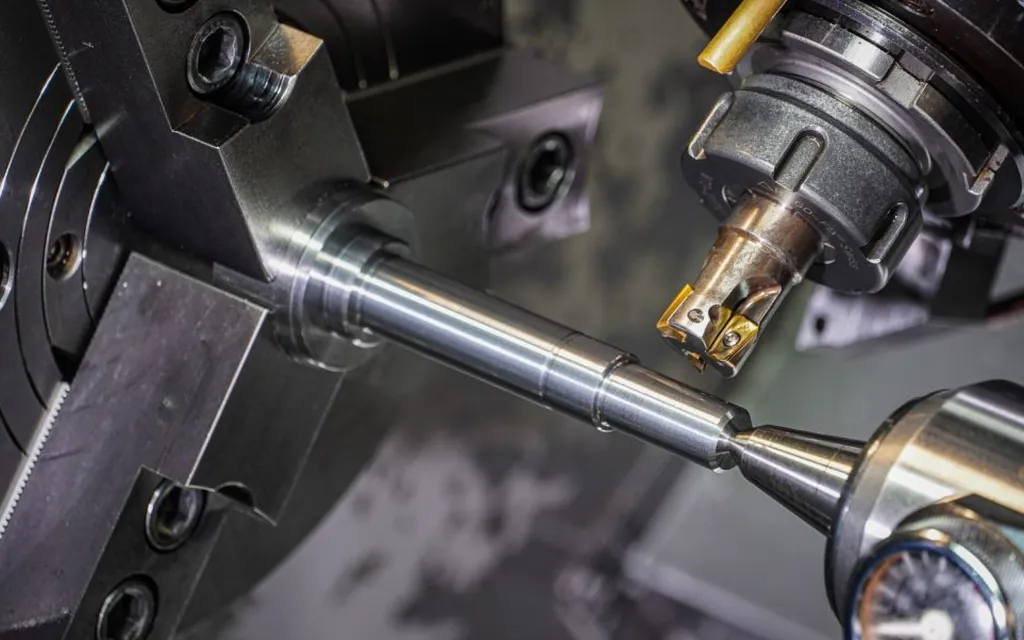
The spectrum showed the dominant noise frequency matching the bearing outer-race characteristic frequency, confirming front-bearing wear. But on teardown the inner-race raceway was unevenly worn, pointing to slight deformation of the spindle taper bore. Checking the maintenance records revealed an unreported tool crash six months earlier.
The work came in three levels: replace the spindle bearings as a pair and preload to specification; lap the taper bore and check it with marking compound; then verify roundness by cutting a standard test piece. Nine days later roundness was back within 0.005 mm.
Diagnosing machine tool noise means reading the spectrum, not trusting experience. Characteristic frequencies do not lie; ears do.
A tool crash must be reported and the accuracy re-checked. Concealing one crash usually means ten unexplained out-of-tolerance jobs later on.
The usual answer to spindle noise is "bearing wear - replace the bearing." This case shows that replacing only the bearing leaves a hidden problem: once the new bearing is fitted, the slightly deformed taper bore makes it wear abnormally again, and the noise returns within months. Spectral diagnosis confirmed bearing wear; the wear pattern at teardown pointed to a deeper root cause; and the unreported tool crash six months earlier turned out to be the origin. Three levels of diagnosis, each building on the last, restored factory-level accuracy in nine days - and recovered a management rule along the way: tool crashes must be reported.
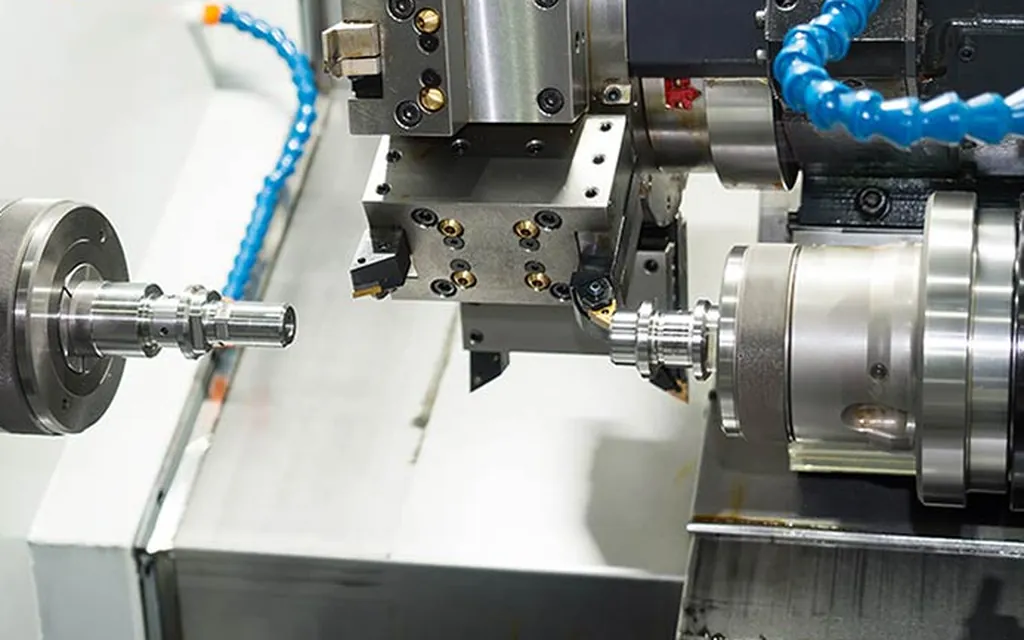 FIELD · SCHH-2026
Spindle bearings are designed as a set and lapped as matched pairs; the preload of the front and rear bearings, or of a group, is calculated as one system. Replace only one, and the differing stiffness of old and new bearings upsets the preload distribution, so the new bearing carries extra load and fails early. Replacing in pairs and preloading to specification is basic process discipline in spindle repair - saving that half of the cost is the same as wasting all of it.
 FIELD · SCHH-2026
Damage from a tool crash is often hidden: the machine still runs and machining looks normal, but the taper-bore deformation and the change in bearing preload have already happened, and the debt is repaid over the following weeks to months as accuracy drift, abnormal noise and premature bearing failure. Wait until the symptoms are obvious and the damage has spread, with repair costs multiplied several times over. The point of a reporting rule is that every crash triggers an immediate accuracy re-check, making hidden damage visible - which is exactly where the new rule in this case came from.
Tell us the symptoms, and we will run the same diagnostic approach on your equipment.
 Scan to add Engineer Man on WeChat
 Guangzhou Yujihang Computer Technology Co., Ltd. · www.accpc.com.cn
 Guangzhou Henghuan Technology Co., Ltd. · www.hhrobotics.cn
 Nanchong Henghuan Robotics Co., Ltd. · www.hhrobots.cn