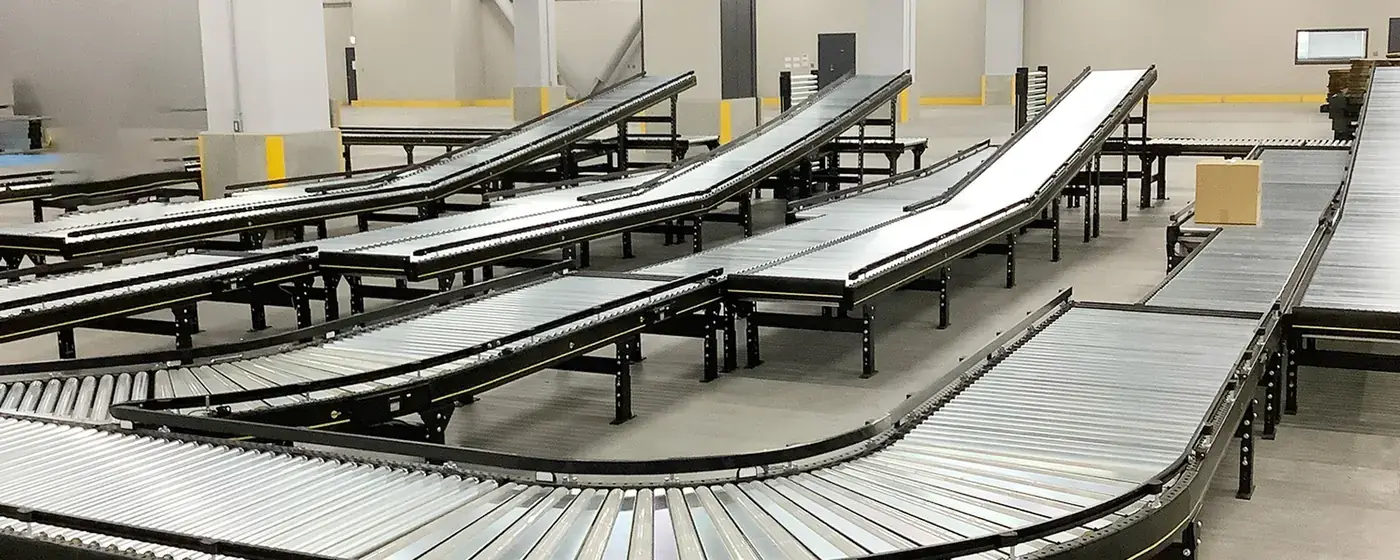
Belt mis-tracking kept coming back and idlers were replaced every three months. Both problems turned out to have one cause: the material drop point was off.
Belt mis-tracking kept coming back and idlers were replaced every three months. Both problems turned out to have one cause: the material drop point was off.
 FIELD · SCHH-2026
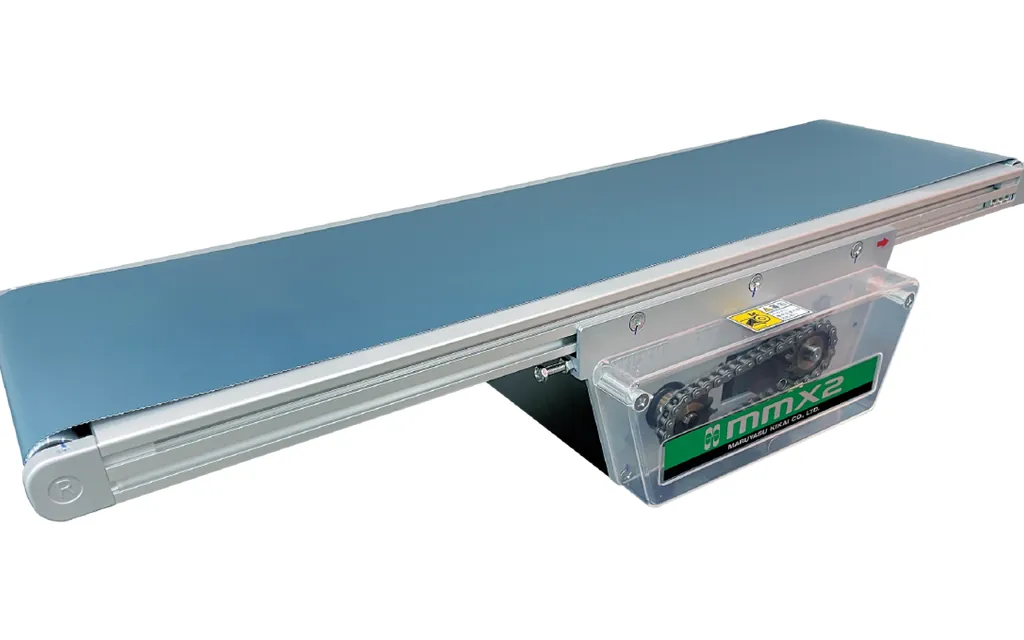
The conveyor belt kept mis-tracking. Self-aligning idlers were added and the tension adjusted on site, and it held for a while before recurring. Idler damage concentrated in the return run, with seized bearings and shells worn through.
Both rounds of remediation focused on the belt itself and ignored the material.
 FIELD · SCHH-2026
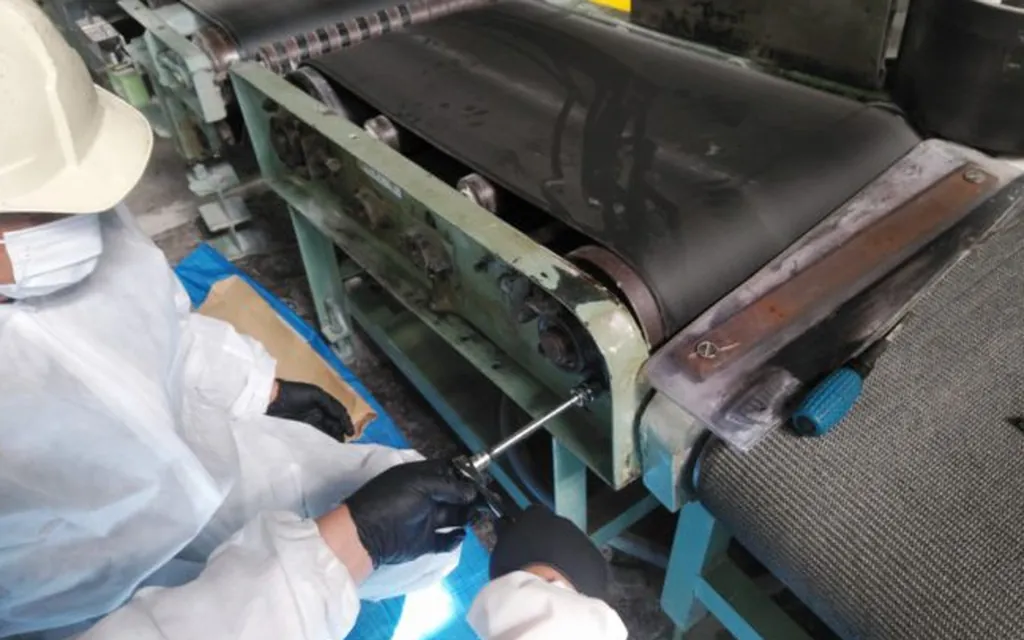
A no-load test run: the belt barely mistracked. Once loaded, the deviation appeared immediately, so the problem lay in the load distribution. Checking the loading point, the centre of material impact was about 120 mm off the belt centre, the lateral force kept pushing the belt out of alignment, and material spilling onto the return side accelerated idler wear.
The fix added guide plates and an impact bed to the chute to bring the material drop back to the centre, cleared the accumulated spillage and restored the scraper. Two weeks later the mis-tracking was gone, and the idler replacement interval stretched from three months to over half a year.
For belt mis-tracking, test empty and loaded first — that immediately separates an installation problem from a loading problem.
The root of a conveyor's trouble is usually at the loading point. Treating the belt without treating the loading is treating the symptom, not the cause.
Belt mistracking is the most common problem in conveying systems and the one most easily treated only at the symptom level: adjust the training idlers, add guide rollers, and a few days after adjustment it drifts again. The key in this case was distinguishing the no-load and loaded states: no mistracking when empty, mistracking as soon as loaded - one sentence that shifted suspicion from the belt itself to the load distribution. The loading point was 120 mm off centre, the lateral force kept pushing the belt out, and spill onto the return side accelerated idler wear - one causal chain stringing together three symptoms. Finding the source meant a permanent fix in two weeks, with idler life doubled.
 FIELD · SCHH-2026
First separate no-load from loaded (to tell whether it is a belt problem or a load problem), then check the loading point (where mistracking most often begins), then the belt splice (a misaligned splice mistracks even unloaded), the frame level and the idler condition. This order starts with the most probable cause and is far faster than stripping things from one end to the other. Training devices are the last means of compensation, not the first choice: a belt forcibly bent back by a trainer will wear at the edges faster.
 FIELD · SCHH-2026
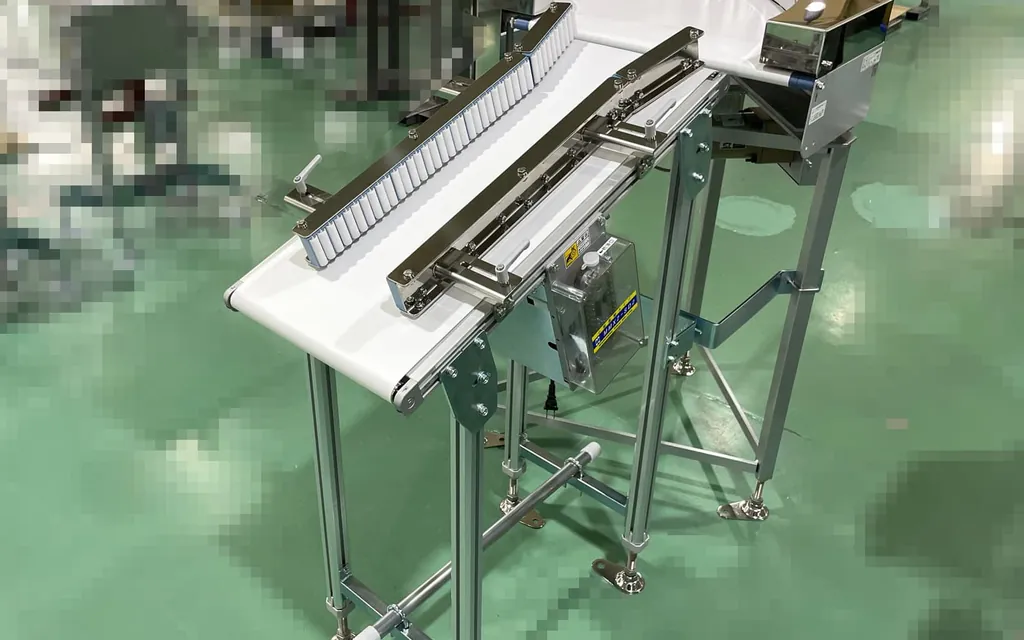
Both are minor retrofits: a flow-guiding baffle is a steel plate inside the discharge chute, and a cushioning bed is a set of elastic support bars at the loading point, each costing on the order of a thousand yuan. Then look at the return: idler life doubled, belt edge damage stopped and spill-cleaning labour saved, usually paying back within a few months. "Small retrofits curing big problems" like these are the best value-for-money category in our conveyor-line maintenance.
Tell us the symptoms, and we will run the same diagnostic approach on your equipment.
 Scan to add Engineer Man on WeChat
 Guangzhou Yujihang Computer Technology Co., Ltd. · www.accpc.com.cn
 Guangzhou Henghuan Technology Co., Ltd. · www.hhrobotics.cn
 Nanchong Henghuan Robotics Co., Ltd. · www.hhrobots.cn