The first design used the best camera, and the inspection still failed. Change the lighting, and the same camera passed.
The first design used the best camera, and the inspection still failed. Change the lighting, and the same camera passed.
 FIELD · SCHH-2026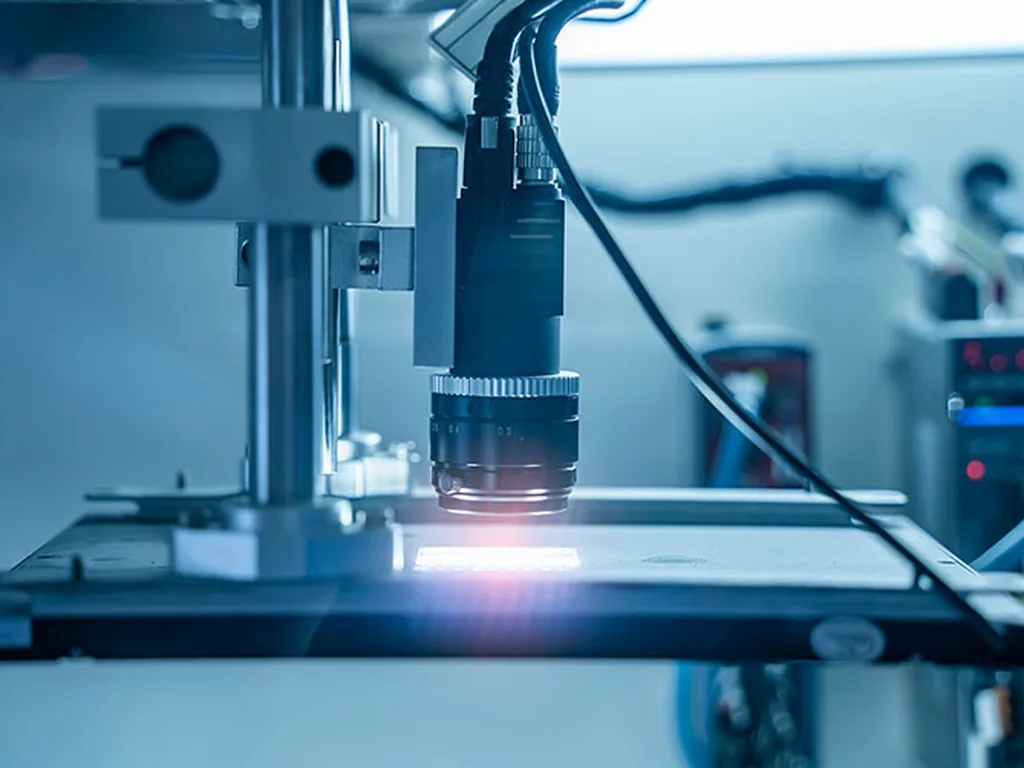
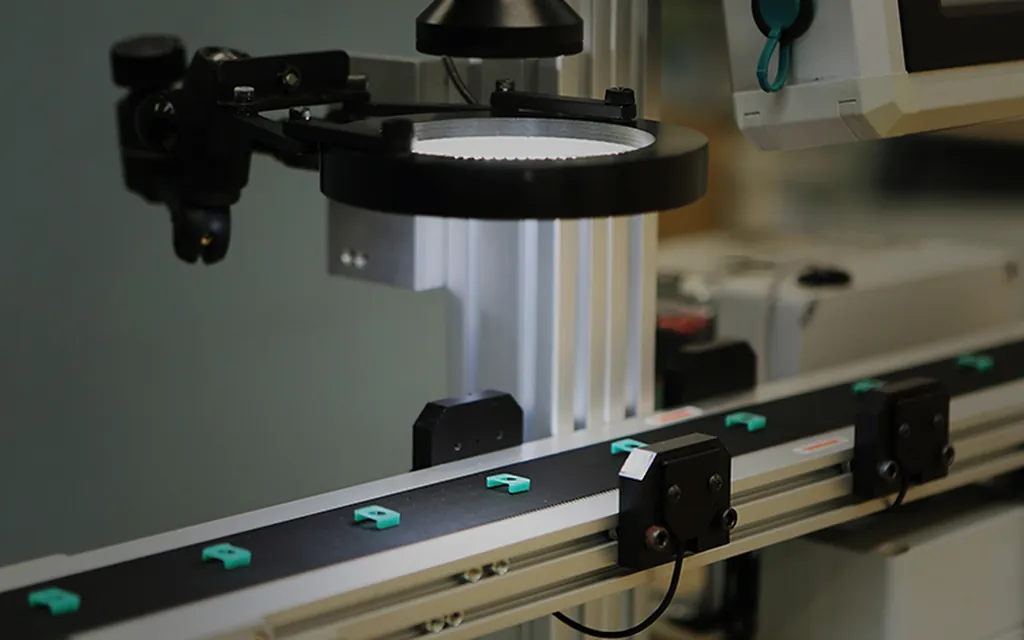
An old machining line relied on manual visual inspection for surface defects, with high rates of both escapes and false rejects. When vision inspection was added, the first design picked a high-resolution camera to spend the pixel budget on, with a generic ring light for illumination.
The trial result: fine scratches lacked contrast, and no algorithm threshold could handle escapes and false rejects at the same time.
 FIELD · SCHH-2026
The problem was imaging, not resolution: under diffuse light the scratches were all but invisible. Switching to a low-angle dark-field light source sent the scratch-scattered light into the lens and darkened the background, lifting contrast by an order of magnitude.
Without changing the camera, simply adjusting the light source and exposure, the escape rate fell below 0.3%. Line cycle time matching and rejector interlocking were done at the same time, and the system went live in five weeks.
The budget priority in vision inspection: light source over camera over algorithm. Good imaging makes the algorithm simple; bad imaging makes the algorithm take the blame.
When retrofitting an old line, run the imaging experiment before fixing the hardware list, so you do not buy expensive equipment for the wrong design.
The most common wrong turn in a vision-inspection project is piling on hardware: when detection is missed, fit a higher-resolution camera; when recognition is slow, buy a more expensive processor - a lot of money spent and the problem still there. The diagnosis in this case turned the direction around: the scratches were almost invisible under diffuse light, so the problem was imaging contrast, not resolution. Not one camera was replaced - only the lighting: low-angle dark-field illumination scatters light from the scratches into the lens and darkens the background, raising contrast by an order of magnitude and cutting the miss rate to below 0.3%. Solve optical problems optically - that is the iron law of vision systems.
 FIELD · SCHH-2026
In this order of priority: the light source and imaging solution take the largest share (they set the ceiling of detection capability), the camera only needs to be good enough (resolution matched to defect size), and computing power is sized to the algorithm's complexity (traditional algorithms are far cheaper than deep learning - if a traditional one will do, don't reach for AI yet). In our experience the lighting solution gives the highest return. The same 10,000 yuan spent on lighting usually yields several times the improvement of spending it on a camera.
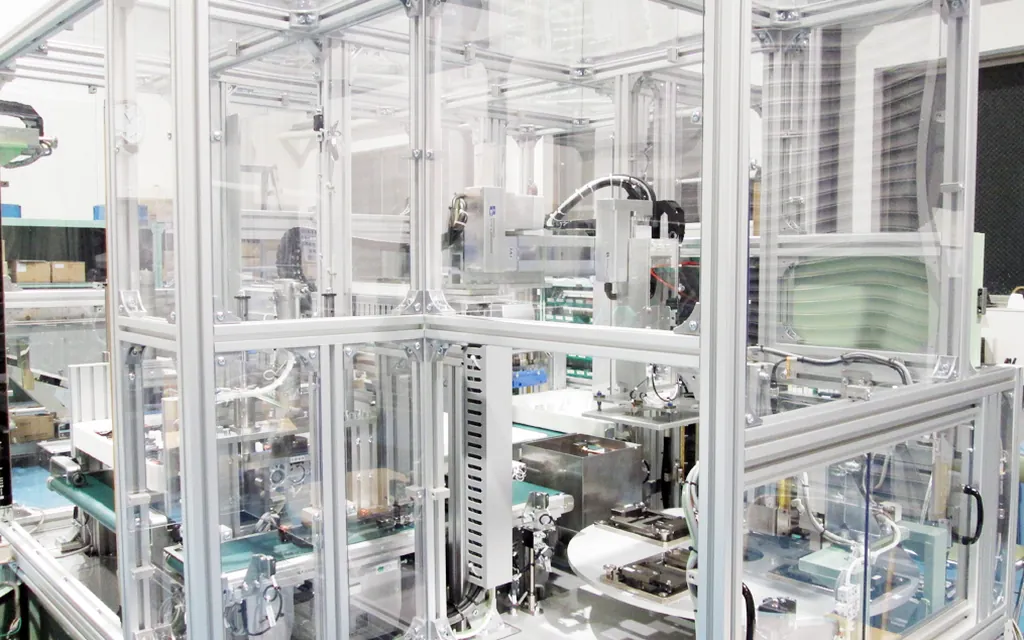 FIELD · SCHH-2026
It depends on whether an imaging difference between the defect and the background can be created: surface scratches, missing material, mis-assembly, stains and dimensional deviation are all mature applications; colour gradients, the interior of transparent parts and high-speed motion blur are difficult and require sample trials to verify before a solution is fixed. Before taking a project we insist on testing with your actual samples, laying out the imaging results before discussing a contract. We won't force through a project that fails the sample test.
Tell us the symptoms, and we will run the same diagnostic approach on your equipment.
 Scan to add Engineer Man on WeChat
 Guangzhou Yujihang Computer Technology Co., Ltd. · www.accpc.com.cn
 Guangzhou Henghuan Technology Co., Ltd. · www.hhrobotics.cn
 Nanchong Henghuan Robotics Co., Ltd. · www.hhrobots.cn