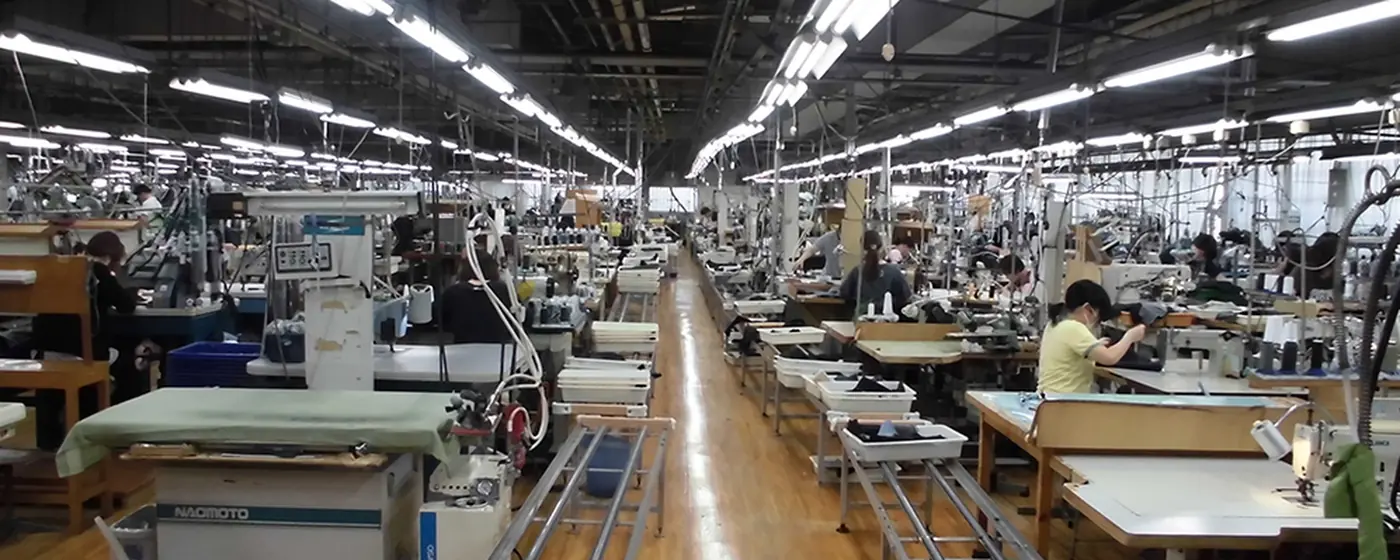
E-stop buttons wired in series into ordinary relay circuits is a common fault on older equipment. This retrofit gave the safety function back to proper safety devices.
E-stop buttons wired in series into ordinary relay circuits is a common fault on older equipment. This retrofit gave the safety function back to proper safety devices.
 FIELD · SCHH-2026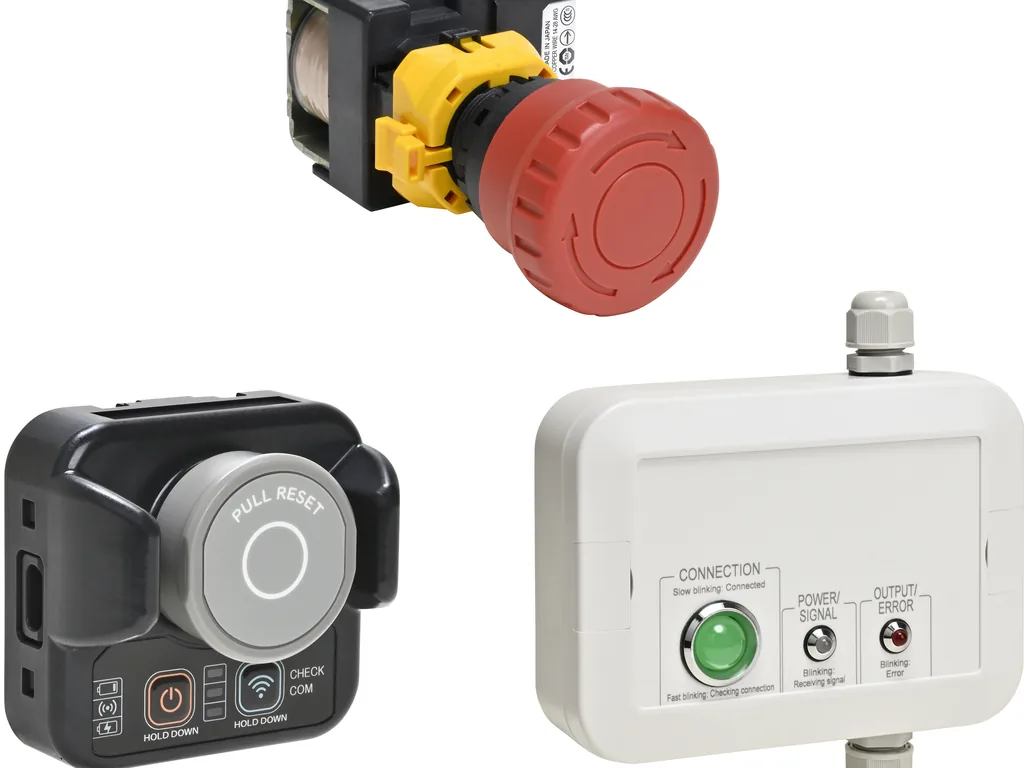
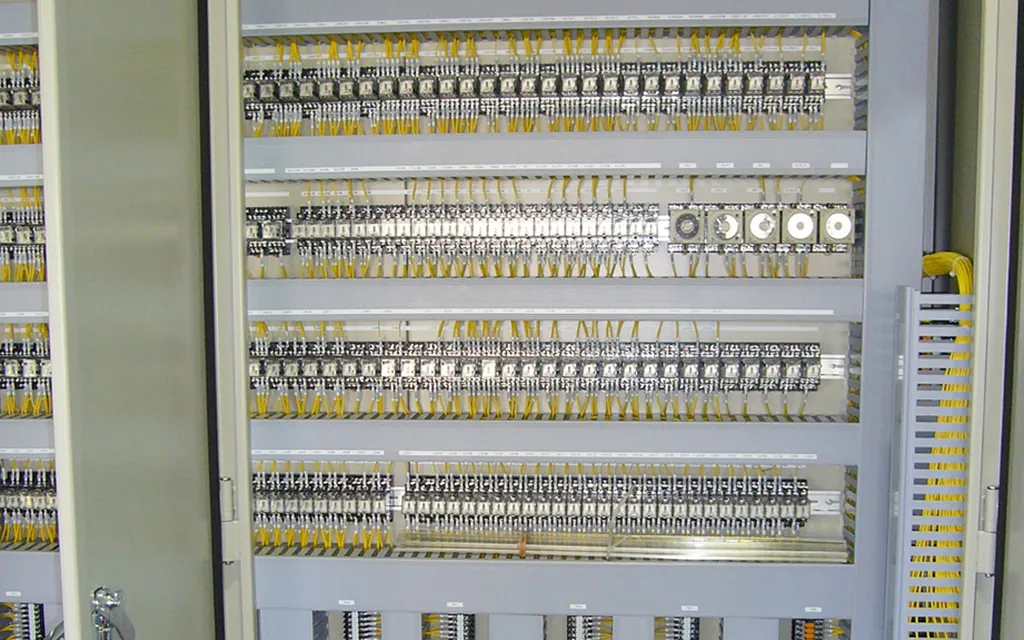
The survey found that on several machines the e-stop circuit was routed through ordinary auxiliary relays, so welded contacts would defeat the e-stop; some light curtain signals went straight into standard PLC inputs, with no safety integrity to speak of.
Hazards like these stay invisible in normal running, and when they do show up it is serious.
 FIELD · SCHH-2026
The retrofit graded the safety functions: e-stops and light curtains were wired into safety relays with dual-channel monitoring and feedback loops; outputs for hazardous motions moved to safety output modules; and the PLC was left with status display only, carrying no safety logic.
After the retrofit each machine was fail-tested: one channel was deliberately shorted to verify that the system detected it and stopped. All machines were completed in six weeks and a safety circuit atlas was produced.
Safety functions must be implemented with devices of the appropriate rating. Ordinary devices wired into a safety circuit amount to having no safety circuit.
A safety retrofit is proved by fail testing, not power-on testing. It is only complete when you can demonstrate that it stays safe with a failure present.
A safety-circuit retrofit is a compliance-driven project, but compliance is only the baseline - what this case did was strip the safety logic completely out of the ordinary PLC and route it to a safety relay and safety output modules, with dual-channel monitoring plus a feedback loop. After the retrofit each machine underwent a fail-safe test: one channel was deliberately shorted to verify the system could detect it and stop safely. The reliability of a safety system is proven by "deliberately breaking it once," a step many plants miss at acceptance.
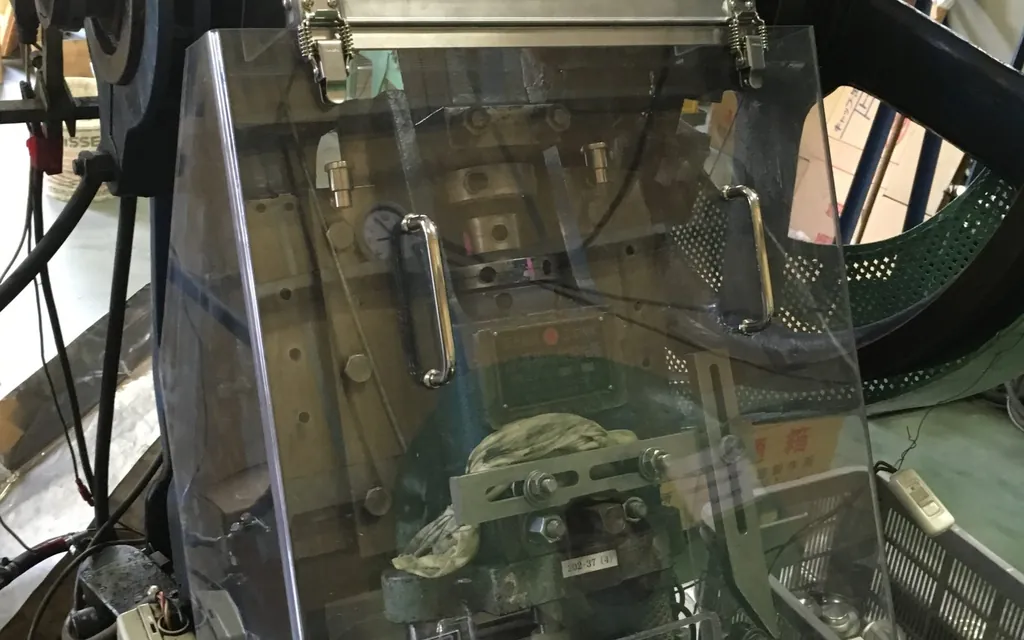 FIELD · SCHH-2026
Machine safety follows the national standards and the machinery-safety directive system: the performance level of safety-related control systems is determined by risk assessment, safety devices are certified products, and acceptance includes fail-safe testing. Equipment for export must also meet the machinery-safety regulations of the destination market. We give you the list of applicable standards at the planning stage, and the retrofit scope and acceptance criteria all follow the standards, so there is evidence to check when an assessment body reviews it.
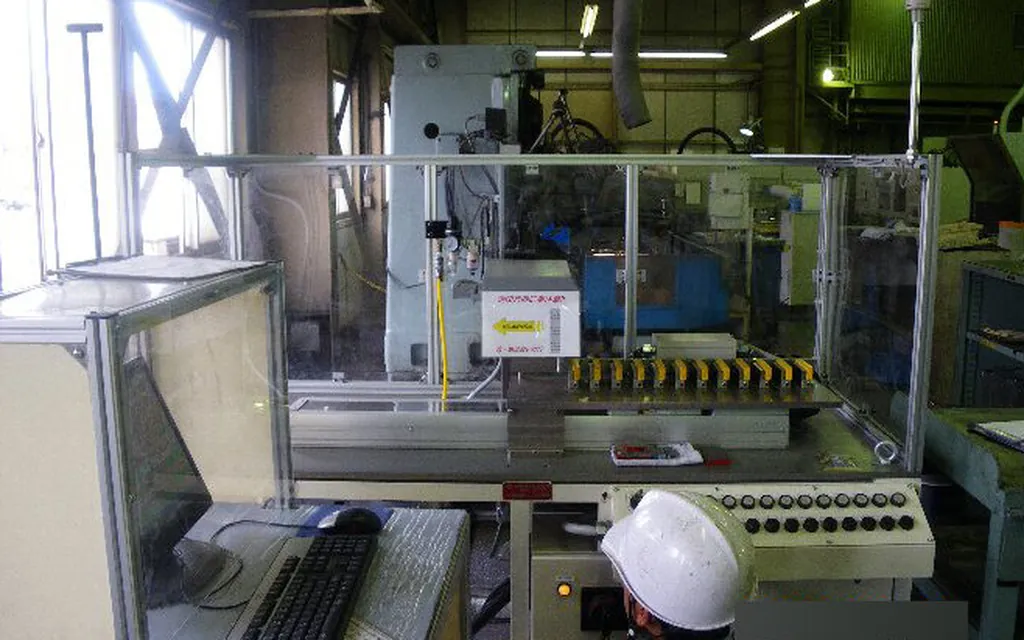 FIELD · SCHH-2026
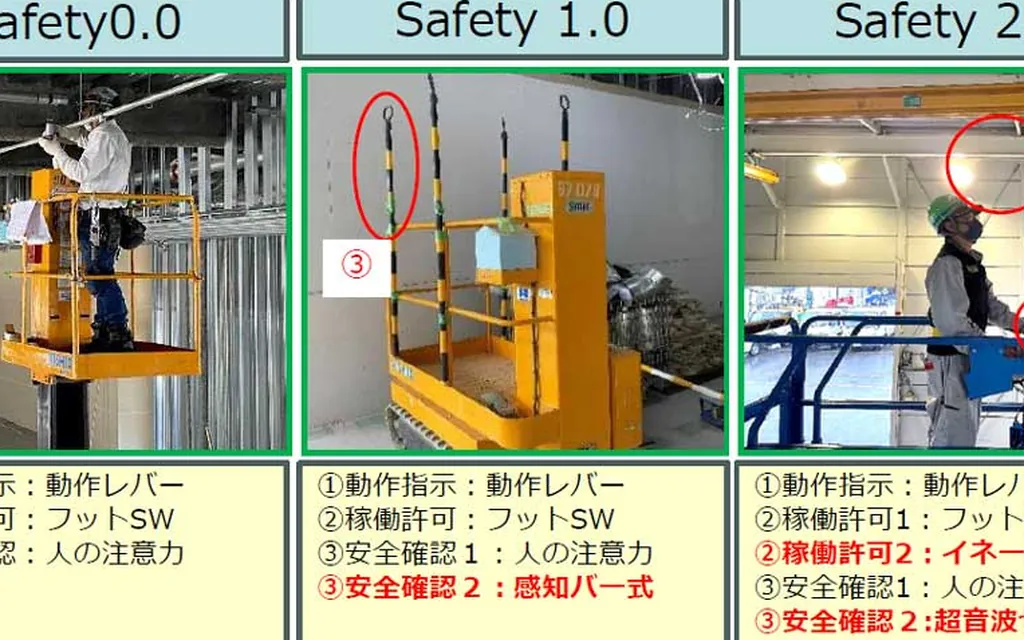
A well-designed safety system has little impact on efficiency: safety door locks with an unlock delay rather than a full stop, light curtains with graded triggering (slow down on entering the warning zone, stop on entering the danger zone), and e-stops zoned to avoid one stop halting everything. In this case the line cycle time was unaffected after the retrofit. The conflict between safety and efficiency is mostly caused by crude design, not by the cost of safety itself.
Tell us the symptoms, and we will run the same diagnostic approach on your equipment.
 Scan to add Engineer Man on WeChat
 Guangzhou Yujihang Computer Technology Co., Ltd. · www.accpc.com.cn
 Guangzhou Henghuan Technology Co., Ltd. · www.hhrobotics.cn
 Nanchong Henghuan Robotics Co., Ltd. · www.hhrobots.cn