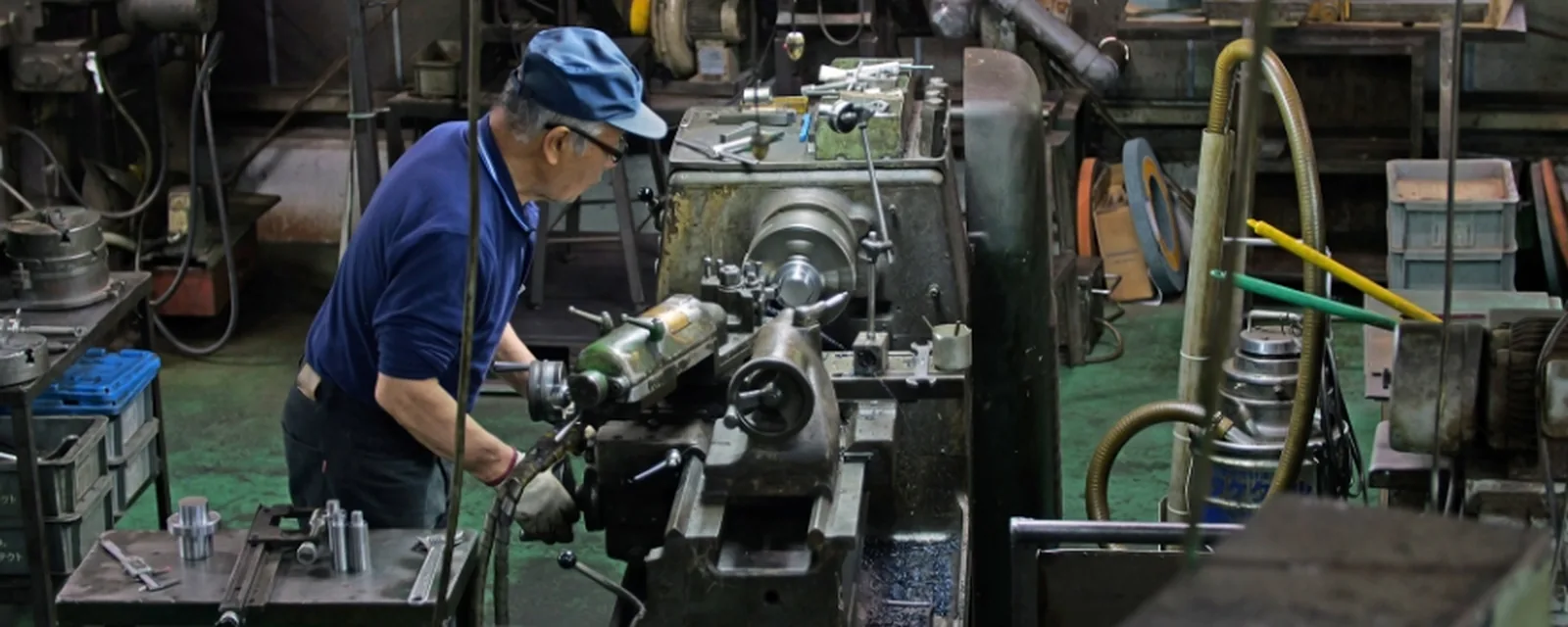
Random tripping every rainy season, and replacing the RCD did not stop it. Sectional insulation testing located three degraded points in four days.
Random tripping every rainy season, and replacing the RCD did not stop it. Sectional insulation testing located three degraded points in four days.
 FIELD · SCHH-2026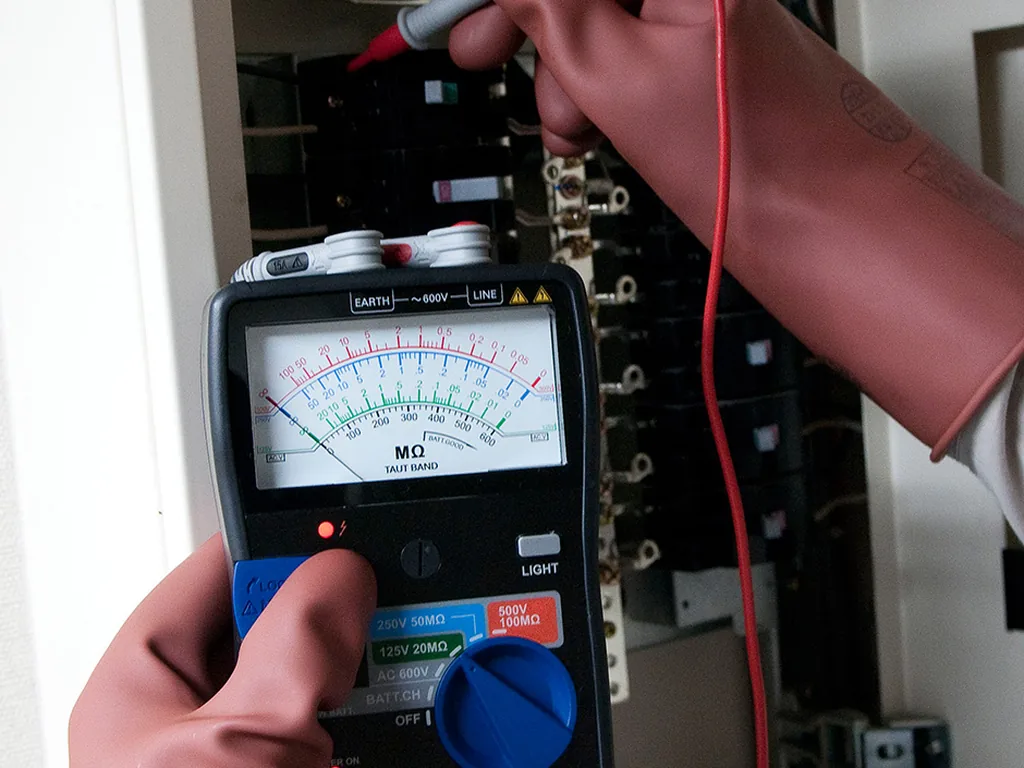
The plant's wiring had been in service for many years, and the residual-current device tripped frequently in the rainy season, affecting production. The earlier response had been to step up the RCD's rated value progressively - a danger signal - and the first thing I did on taking over was restore the original parameters.
Random tripping meant there was more than one point of insulation degradation, and that it was humidity-related.
 FIELD · SCHH-2026
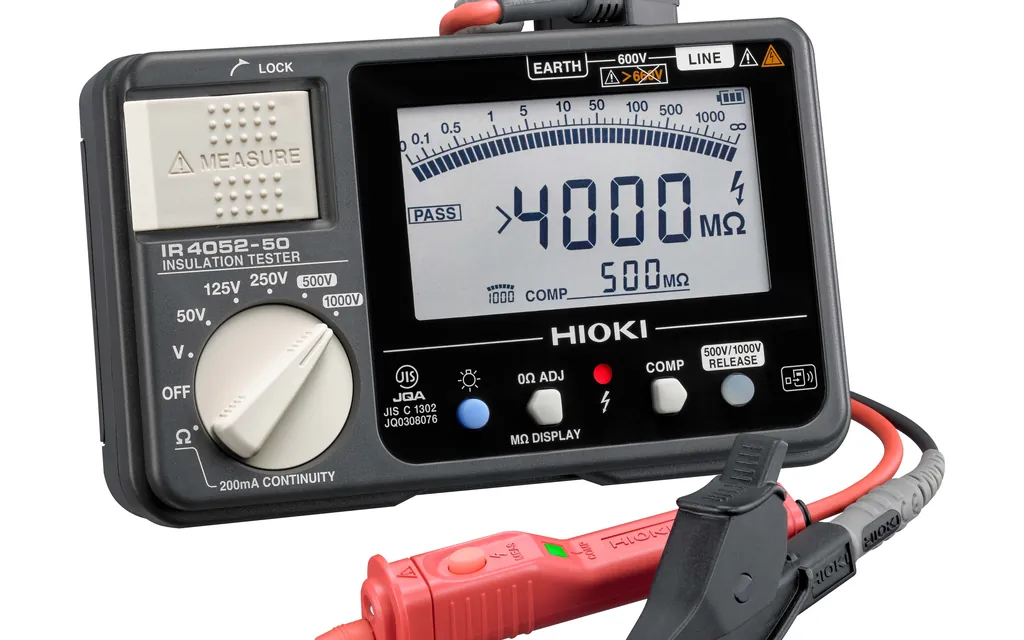
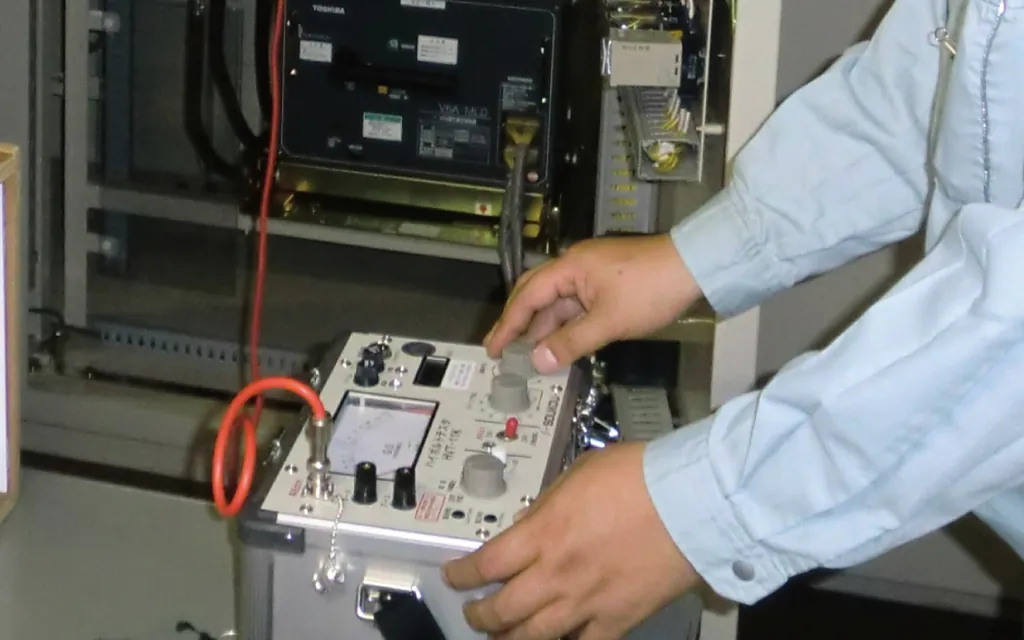
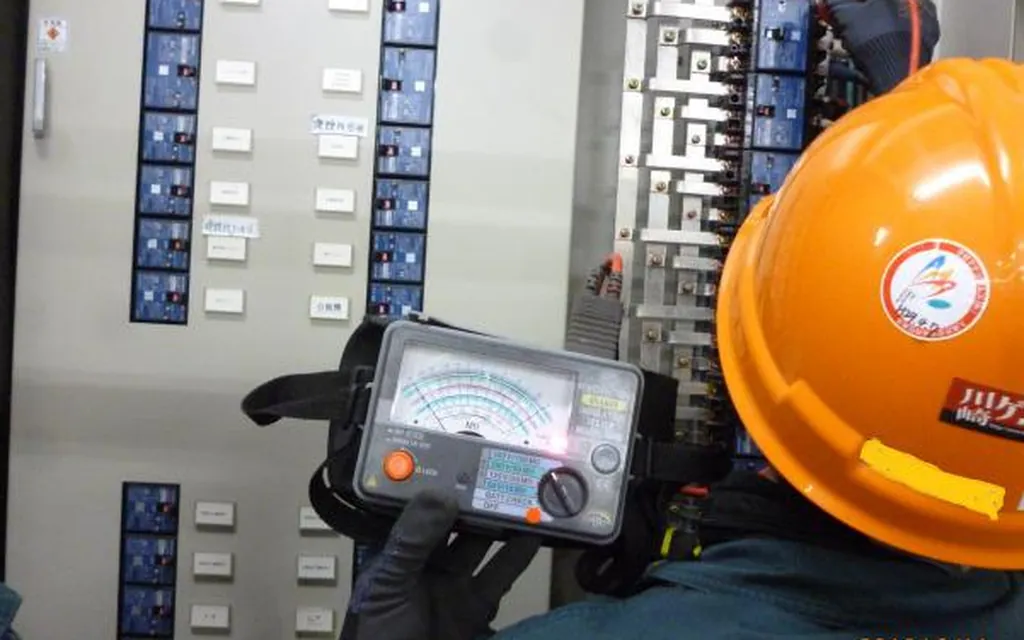
We used sectional insulation testing: dividing the circuits into sections by distribution board, measuring and logging insulation resistance section by section, and re-measuring after rain for comparison. Three sections showed a sharp drop in insulation value after rain, identifying the wall-penetration run and the buried run.
Excavation and inspection confirmed it: aged sealing at the wall-penetration conduit letting water in, and standing water in the buried cable joint pit. We redid the waterproof sealing, replaced the joint and raised its position in the pit, and the tripping went to zero.
Earth leakage investigation narrows the range by sectional measurement and confirms the correlation by re-testing in different weather. Raising the RCD settings only hides the problem, and leaves the hazard for the next electric shock.
In older plant buildings, wall-penetration and buried sections are the weak points of the insulation; the moisture-proofing workmanship is worth getting right in one go during a retrofit.
Rainy-season leakage trips are the classic "fine as soon as the weather clears" fault: on a sunny day every parameter measures normal, the maintenance worker came twice and said there was no problem, and the next rain tripped it all the same. The breakthrough in this case was method, not instruments: sectional insulation testing plus a comparison re-test after rain - divide the circuit into sections by distribution box, measure and record the insulation resistance section by section, re-measure after rain, and which sections plunged is plain to see. The wall-penetration and buried sections were pinpointed, excavated to verify, and re-waterproofed, reaching zero in four days. For environment-related faults, comparison data is a hundred times more useful than a single measurement.
 FIELD · SCHH-2026
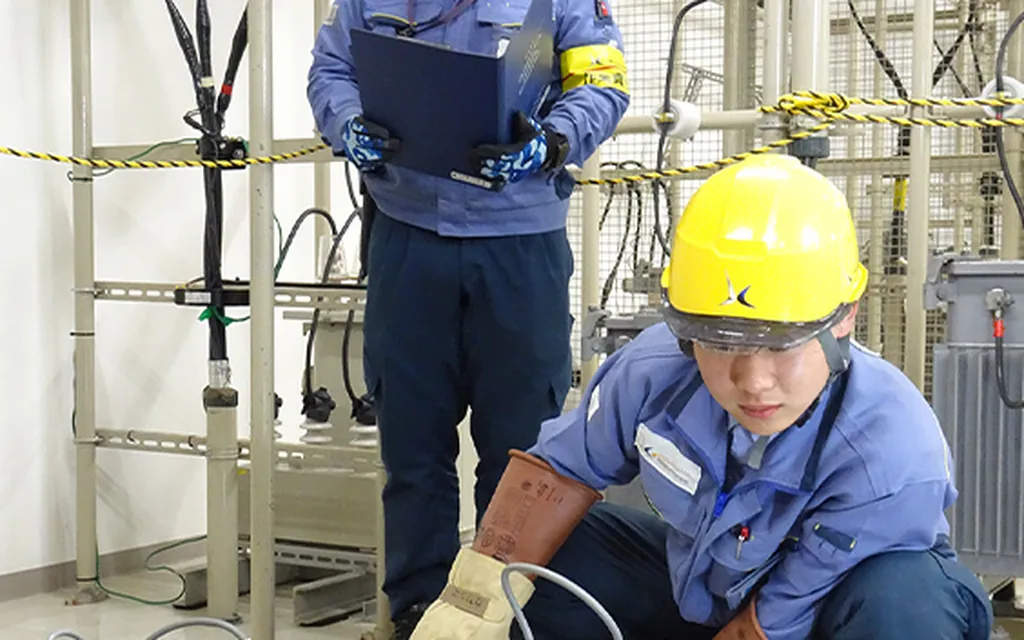
It depends on the scenario: for old plants and damp environments, do a full sectional insulation test before the rainy season each year and keep it on file - the best-value preventive action there is; for ordinary dry environments, do it as part of the annual electrical inspection; and for newly installed or overhauled circuits, it must be tested before going into service. Insulation testing is extremely cheap (one megohmmeter plus half a day of labour), but the insulation-degradation curve it produces is one of the most reliable data sets in predictive maintenance: insulation rarely fails to give warning before breakdown.
 FIELD · SCHH-2026
Three steps: raise the joint position (to a height the pit water can't reach); upgrade the joint workmanship (waterproof joints or resin casting); and drain the pit (a sump with automatic drainage or periodic pumping). Doing only one of these is no permanent fix. We have verified across several rainy-season trip projects that joints treated with both raising and waterproofing never caused a problem again.
Tell us the symptoms, and we will run the same diagnostic approach on your equipment.
 Scan to add Engineer Man on WeChat
 Guangzhou Yujihang Computer Technology Co., Ltd. · www.accpc.com.cn
 Guangzhou Henghuan Technology Co., Ltd. · www.hhrobotics.cn
 Nanchong Henghuan Robotics Co., Ltd. · www.hhrobots.cn