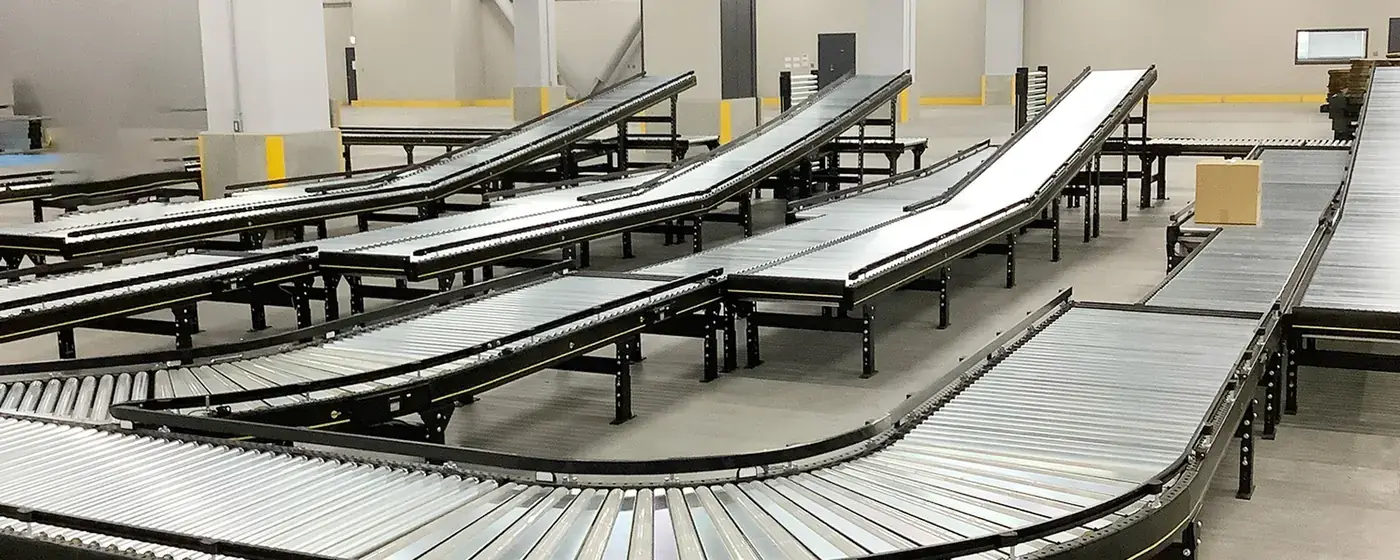
Most plants accept delivery with just a certificate of conformity and drawings. We insist on three more things: baseline data, a wear-parts list, and a fault code table.
Most plants accept delivery with just a certificate of conformity and drawings. We insist on three more things: baseline data, a wear-parts list, and a fault code table.
 FIELD · SCHH-2026
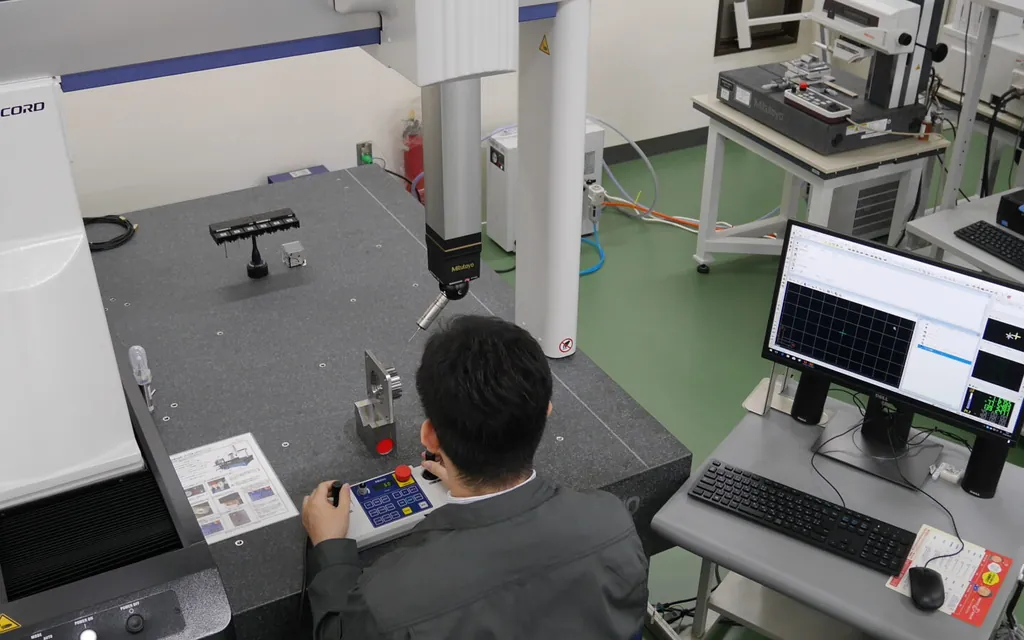
Typical acceptance deliverables are not enough to support later maintenance: without no-load and full-load baseline current, vibration and temperature data, later degradation has nothing to be compared against; without a wear parts list, spare preparation is guesswork.
This data is cheapest to capture during installation and commissioning; miss it and it is gone for good.
 FIELD · SCHH-2026
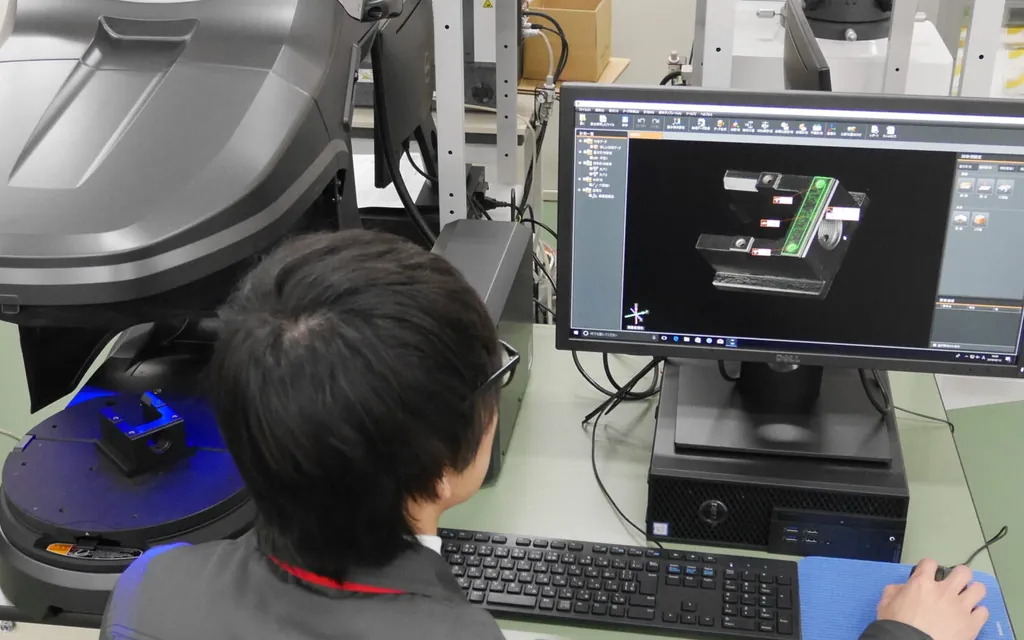
We added three mandatory items to the acceptance list: a baseline data sheet for every station (current, vibration, temperature, cycle time), a wear parts and recommended spares list, and a controller fault code and action table.
The data goes straight into the equipment file and the inspection standard: inspection thresholds are derived from the baseline data and spare stock is initialised from the list. The day acceptance is completed is the day the maintenance system starts.
Acceptance is in essence about establishing the first trustworthy data set for the equipment's whole life. An acceptance that collects only a certificate gives that data up.
The value of baseline data shows up six months later: every question of whether something has degraded has an anchor to compare against.
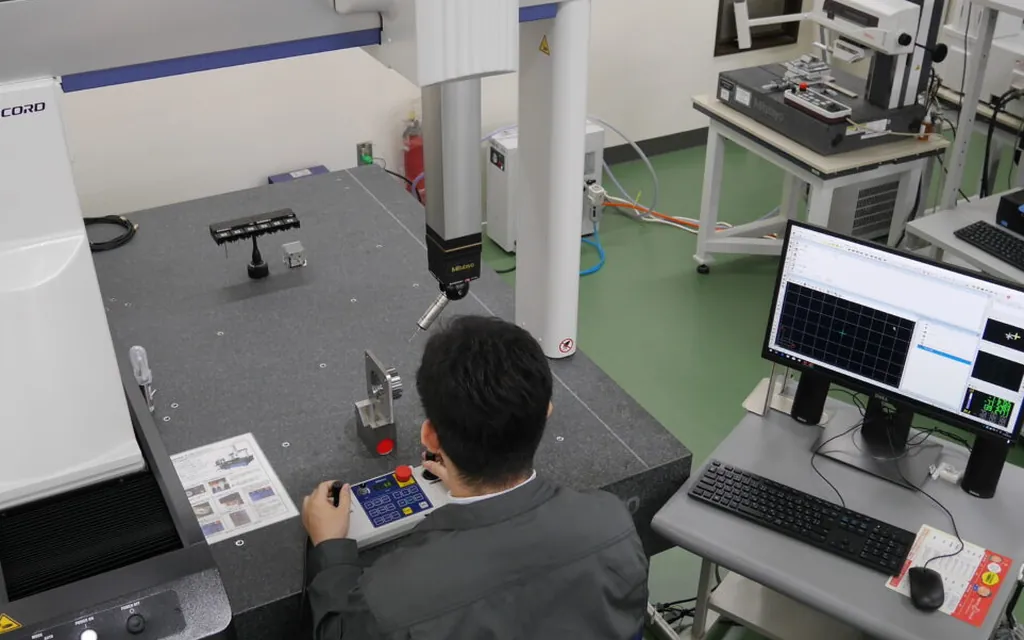
In most plants acceptance and maintenance are two disconnected skins: once acceptance is signed, the data is locked in a drawer, and equipment may enter service with hidden problems while nobody knows where the starting point is. This case welded the two together - the acceptance checklist mandatorily includes three items, a baseline-data sheet, a wear-parts list and a fault-code reference table - so that the day acceptance is completed is the day the maintenance system starts. Inspection thresholds are derived from the baseline data and spare-part inventory is initialised from the list, with not a single day's gap.
 FIELD · SCHH-2026
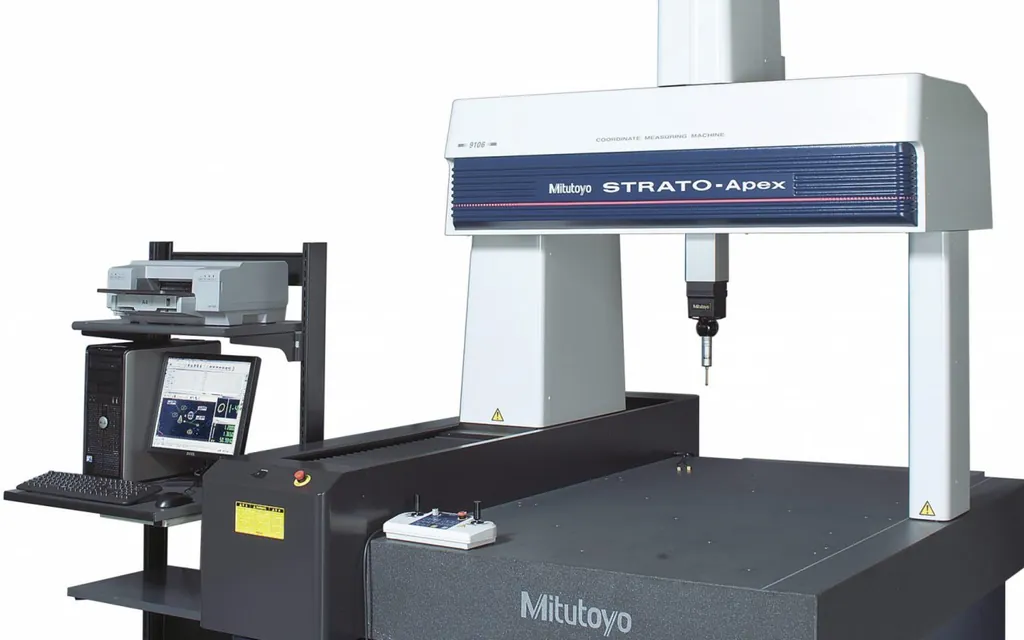
Because the "factory baseline" of an equipment's condition exists most cleanly and completely only at the moment of acceptance. Try to build a baseline three months after start-up and the equipment already carries wear and degradation, so what you measure is not the starting point but a point midway. Getting involved at the acceptance stage is like taking the equipment's birth photograph - all later degradation is compared against that photo, so trend judgement has a true reference. Miss the acceptance window and the baseline is permanently incomplete.
 FIELD · SCHH-2026
This is exactly where a local provider is needed: we can measure the baseline data ourselves (without depending on the supplier), compile the wear-parts list from the equipment model and our own experience, and extract and organise the fault-code table from the controller manual. A supplier's non-cooperation does not stop us from building the maintenance seed data - this is our standard deliverable anyway, and we don't have to beg anyone for it.
Tell us the symptoms, and we will run the same diagnostic approach on your equipment.
 Scan to add Engineer Man on WeChat
 Guangzhou Yujihang Computer Technology Co., Ltd. · www.accpc.com.cn
 Guangzhou Henghuan Technology Co., Ltd. · www.hhrobotics.cn
 Nanchong Henghuan Robotics Co., Ltd. · www.hhrobots.cn