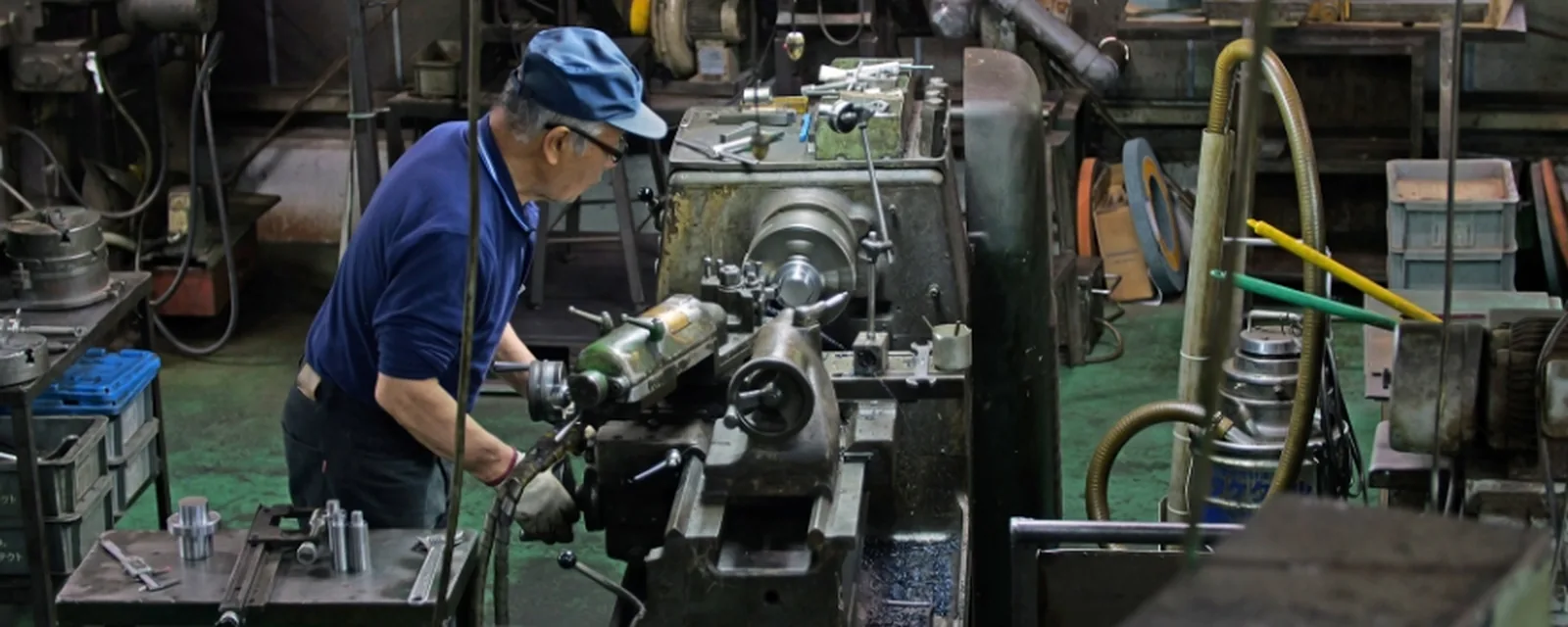
The equipment was shipped from another province and the supplier's engineer was booked a month out. With a remote-plus-on-site arrangement the line did not wait.
The equipment was shipped from another province and the supplier's engineer was booked a month out. With a remote-plus-on-site arrangement the line did not wait.
 FIELD · SCHH-2026
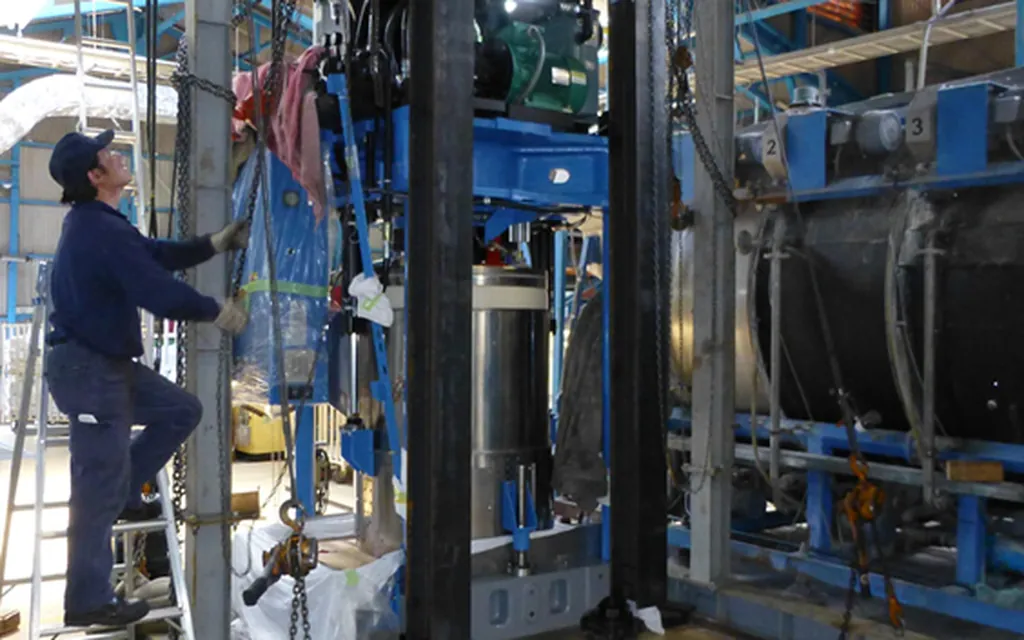
The complete line arrived in batches. Site installation needed supplier guidance, but their engineers' schedules were tight. Waiting for them to attend would have delayed start-up by nearly a month.
The risk was that remote guidance places higher demands on site execution quality, and any installation deviation would be magnified during integrated commissioning.
 FIELD · SCHH-2026
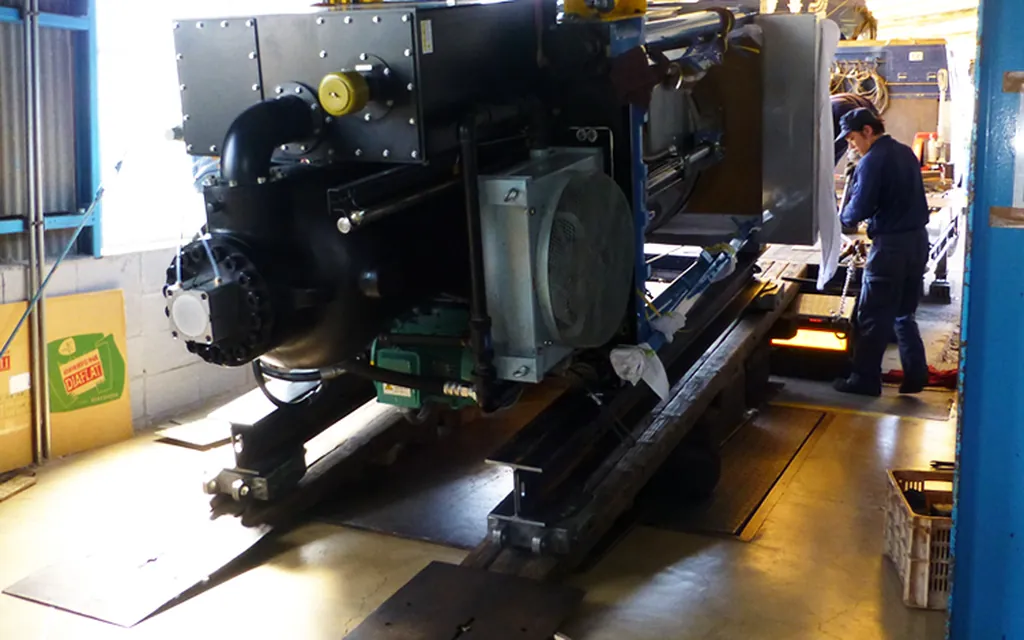
The collaboration was set up in three stages. During installation we worked to the supplier's drawings, confirming key operations over video and keeping the footage. During single-machine commissioning the supplier joined remotely while we carried out the operations and streamed the data back live. For integrated commissioning the supplier attended for two days to close it out.
The key move was archiving the installation baseline data: levelness, alignment values and wiring check sheets were all recorded and confirmed by both parties. It was completed in 28 days and accepted first time.
Remote collaboration depends on execution capability and recording habits on site. Keeping footage and data gives the remote guidance something to go on.
The baseline data left from installation and commissioning is the starting point for later maintenance and fault diagnosis. Acceptance is not the end; it is where the file begins.
For out-of-province equipment installed and commissioned in Sichuan, the biggest risk is not technical but the boundary of responsibility: when something goes wrong, the supplier blames improper installation and the installer blames an equipment defect, and the finger-pointing can stall the whole project. This case locked the boundary down with a "three-stage collaboration model plus baseline-data archiving": installation follows the drawings with video records kept, commissioning data is sent back in real time for both parties to confirm, and key baseline data is signed by both. First-time acceptance in 28 days was achieved by pinning the responsibility of each step with data.
 FIELD · SCHH-2026
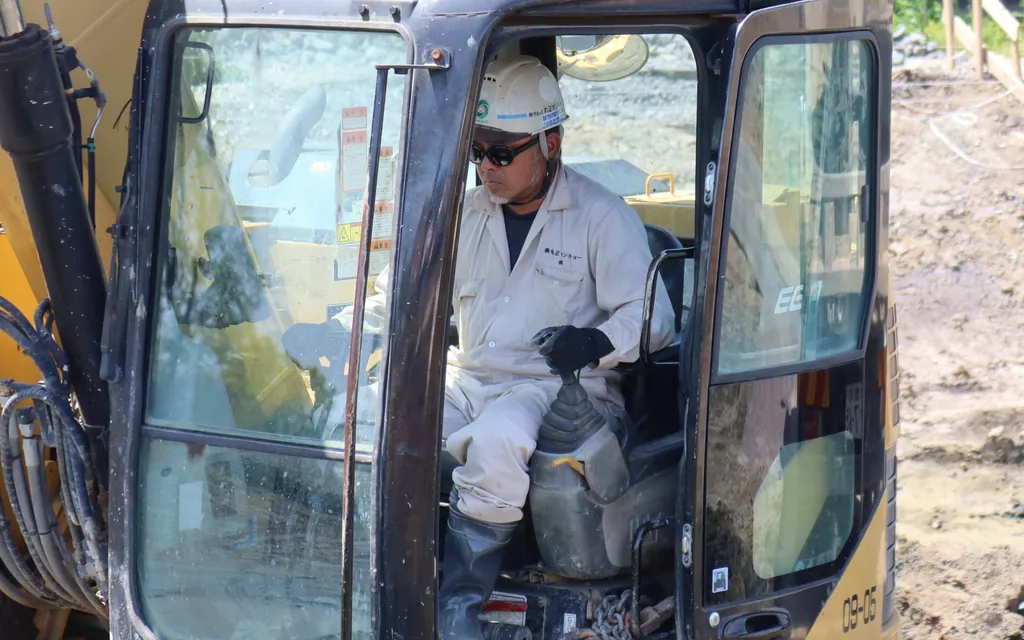
Sending the supplier's people to Sichuan involves high travel and labour costs and a long lead time, so most out-of-province suppliers prefer "ship it plus remote guidance." A local provider works to the drawings while the supplier supervises remotely - the lowest cost for both sides. But the boundary must be clear: we work strictly to the supplier's drawings and technical requirements, reporting and confirming any deviation first and never changing things on our own. That is the precondition for remote collaboration to work.
 FIELD · SCHH-2026
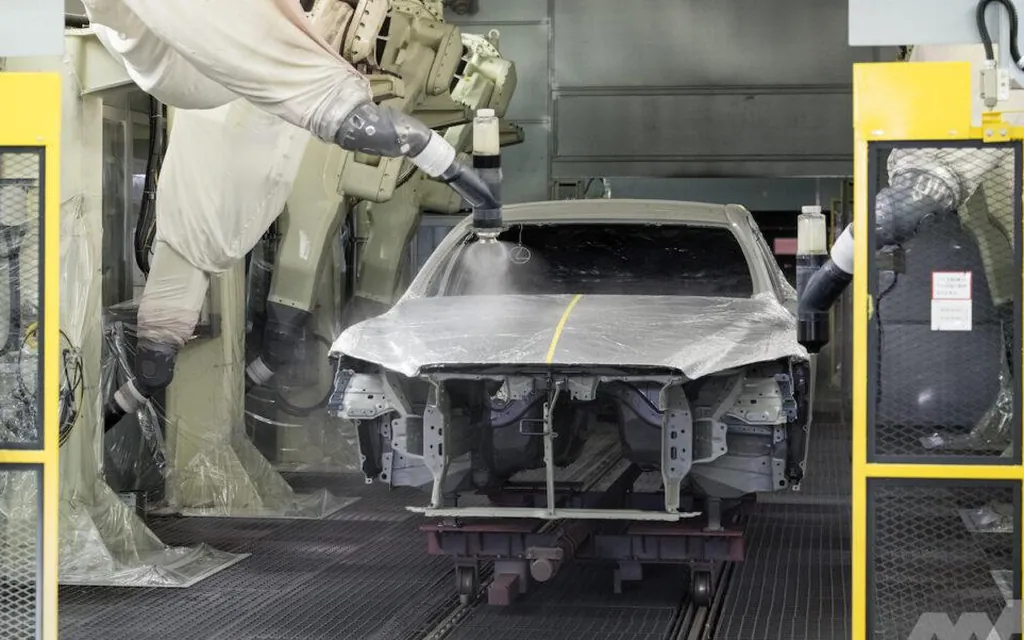
Extremely important - this is the move most worth learning from this case. When equipment develops a problem after start-up, was it improper installation or an equipment defect? Without baseline data it becomes each side's word against the other's. Once the raw installation-stage data - levelness, alignment values, wiring checks - is signed and archived, any later responsibility dispute has evidence to draw on. In our installation service the baseline-data sheet is a standard deliverable, for no other reason than to put proof in the client's hands.
Tell us the symptoms, and we will run the same diagnostic approach on your equipment.
 Scan to add Engineer Man on WeChat
 Guangzhou Yujihang Computer Technology Co., Ltd. · www.accpc.com.cn
 Guangzhou Henghuan Technology Co., Ltd. · www.hhrobotics.cn
 Nanchong Henghuan Robotics Co., Ltd. · www.hhrobots.cn