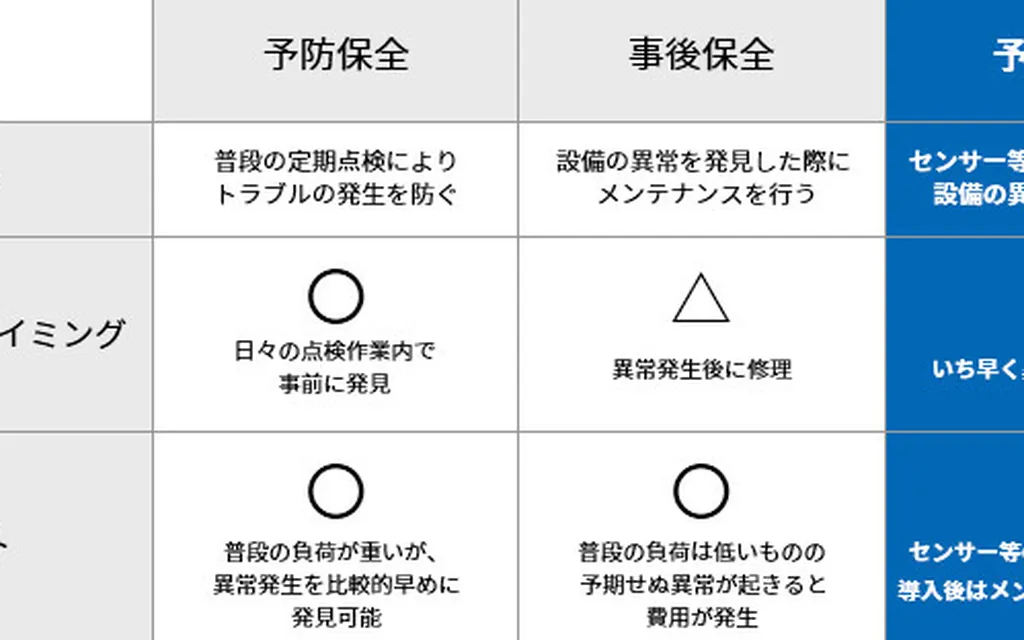
Do the maintenance before the failure. We draft preventive plans and stay responsible for implementing and maintaining them, catching faults while they are still small.
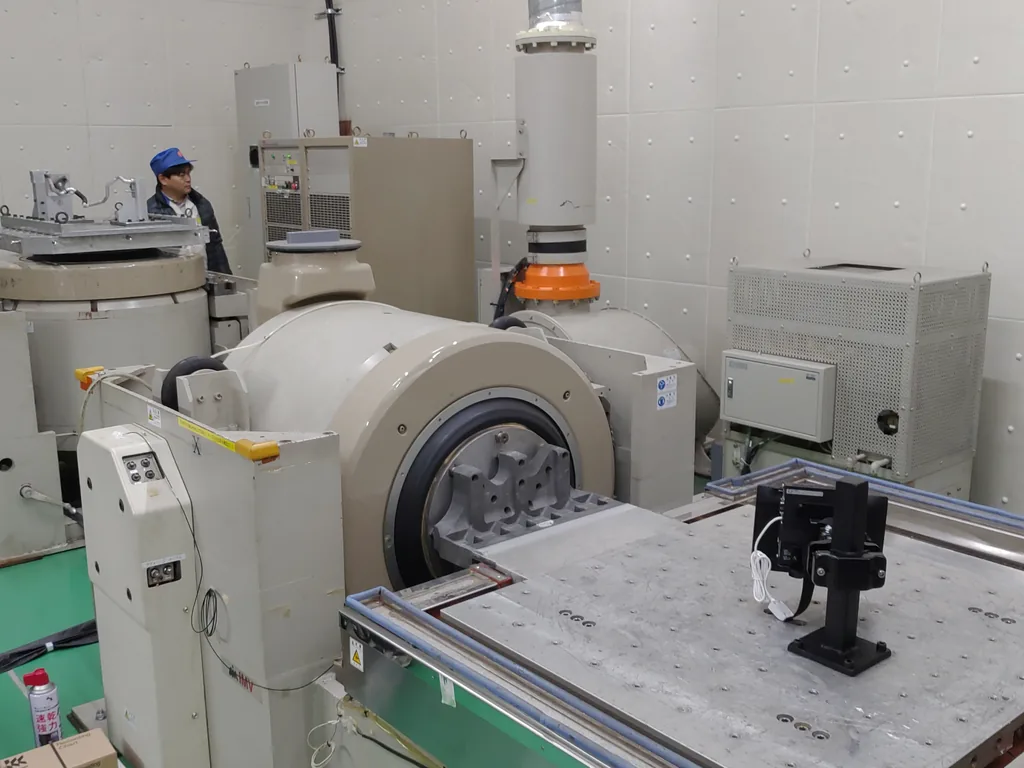
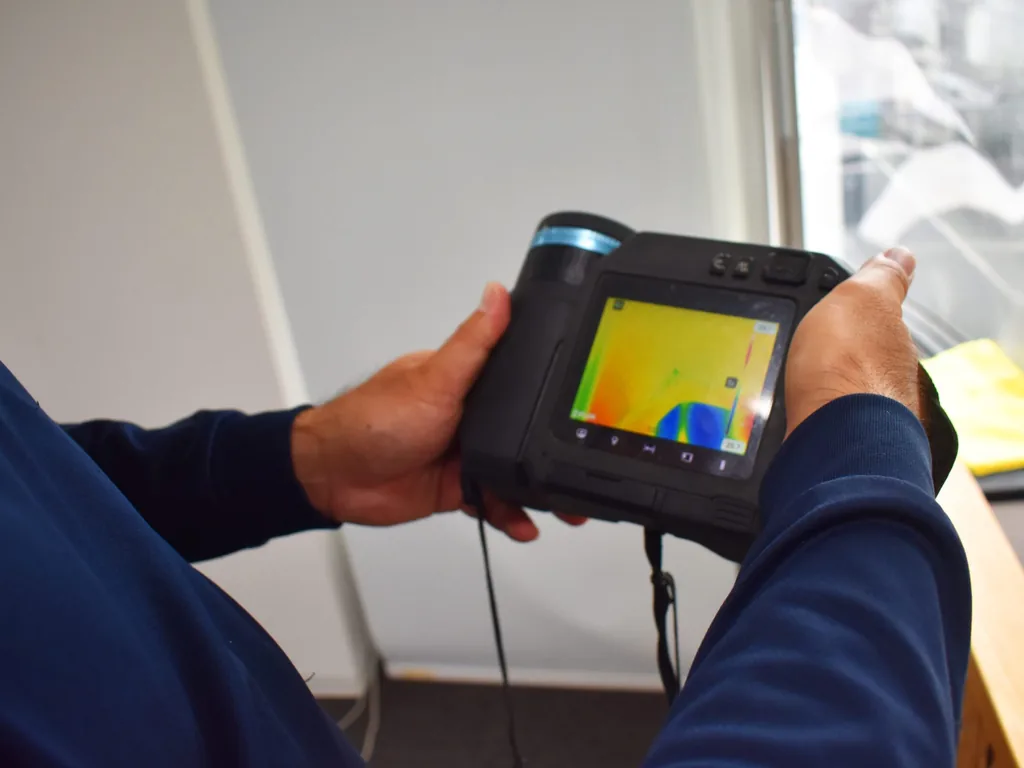
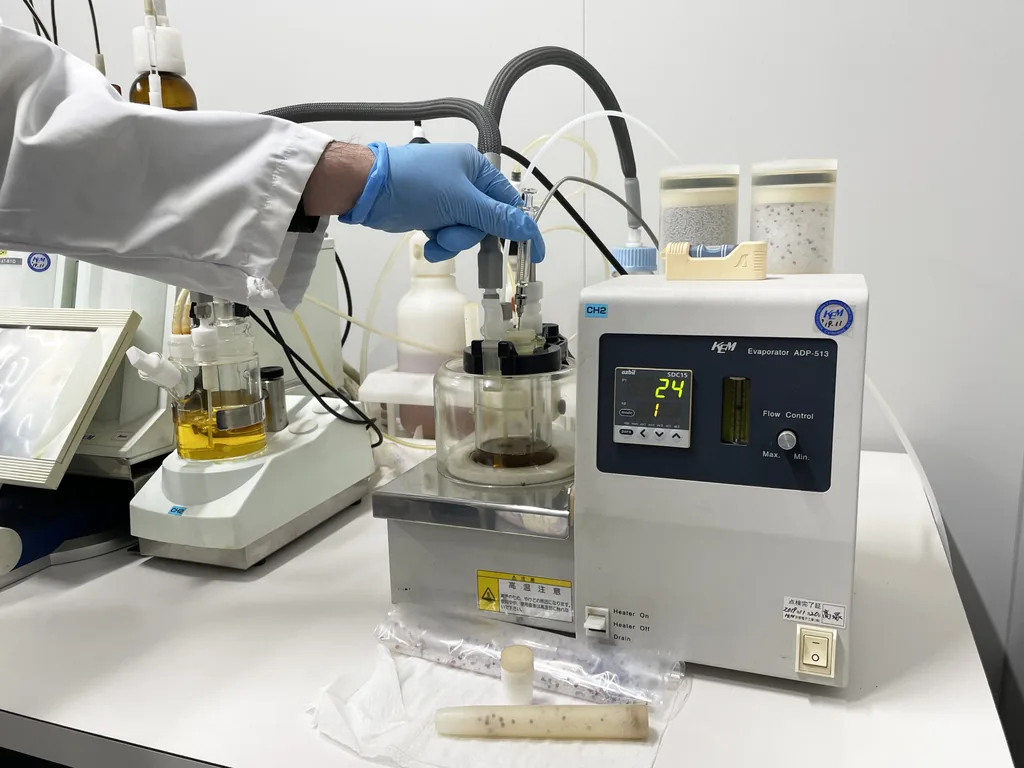
Preventive items (tightening, lubrication, replacement, testing) and their intervals are set from failure modes and running data, consolidated into an annual preventive maintenance plan.
Execution is evidenced and results filed; each quarter we assess how well the preventive items work and adjust the ineffective ones, so the plan keeps evolving with equipment condition.
 FIELD · SCHH-2026
 FIELD · SCHH-2026
The first month builds the baseline and the schedule, and failures do not necessarily drop immediately; after three months the trend data starts to speak; plants that keep it up beyond three months generally see unplanned downtime fall by half or more. That is not a guarantee - it is the actual outcome of most of the projects we have run. How fast results come also depends on the starting condition: plants with a large backlog of neglect spend the first months paying off the debt.
 FIELD · SCHH-2026
The usual split: your team handles daily inspection and first-level maintenance (cleaning, tightening, greasing) - we provide the standards and coach them; we handle second-level maintenance, accuracy calibration and condition testing. The division is written into the plan's interface table, with records bridging the handover points. As your team's capability grows the split can be adjusted step by step - that is a good thing.
One phone call, and a senior engineer will walk you through how it is done, what it costs, and how long until you see results.
 Scan to add Engineer Man on WeChat
 Guangzhou Yujihang Computer Technology Co., Ltd. · www.accpc.com.cn
 Guangzhou Henghuan Technology Co., Ltd. · www.hhrobotics.cn
 Nanchong Henghuan Robotics Co., Ltd. · www.hhrobots.cn