Fixing it is not the end; keeping it fixed is. We develop preventive measures against the root cause and track them, closing the loop.
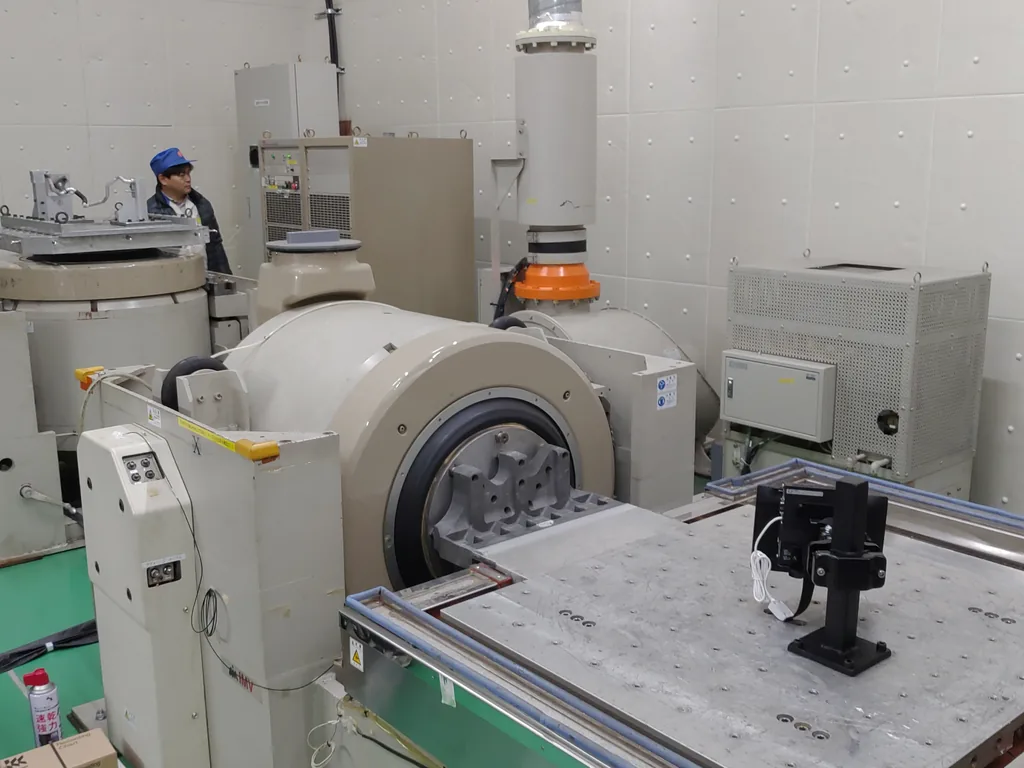
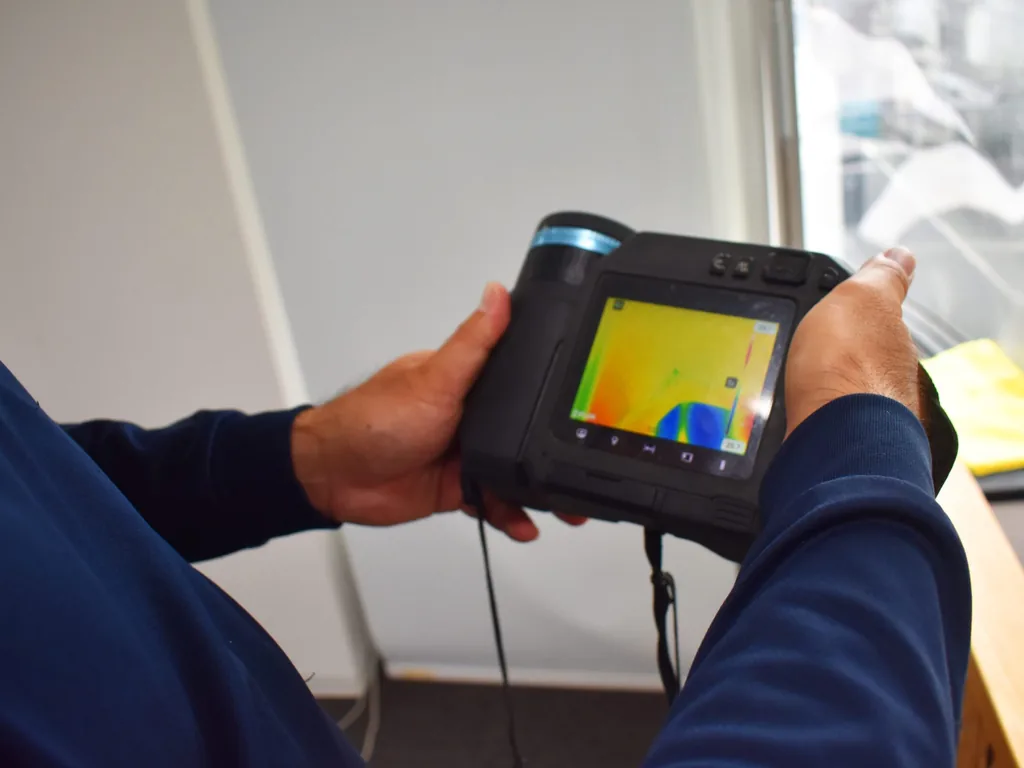
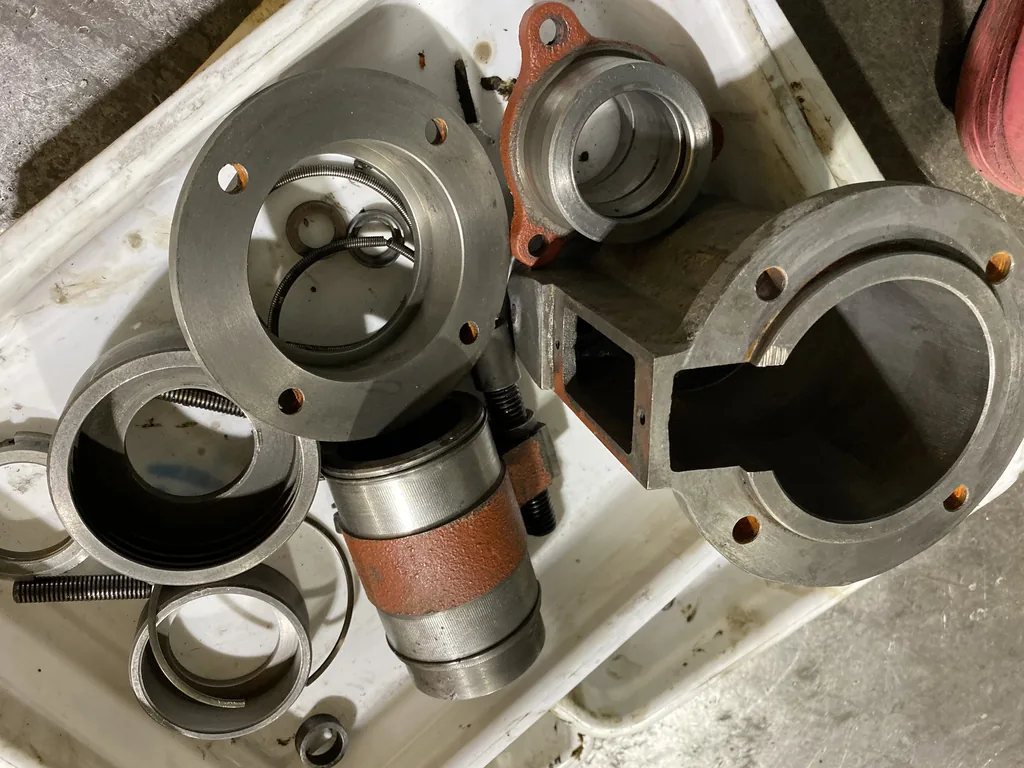
Preventive measures fall into three classes: operational (standardised working), maintenance (added inspection and lubrication items) and improvement (structural or selection optimisation) — implemented in cost-benefit order.
Once implemented, measures are built into inspection and maintenance standards for the long term, with effectiveness reviewed periodically and revised whenever they lapse — so the fault cannot "come back in a different guise".
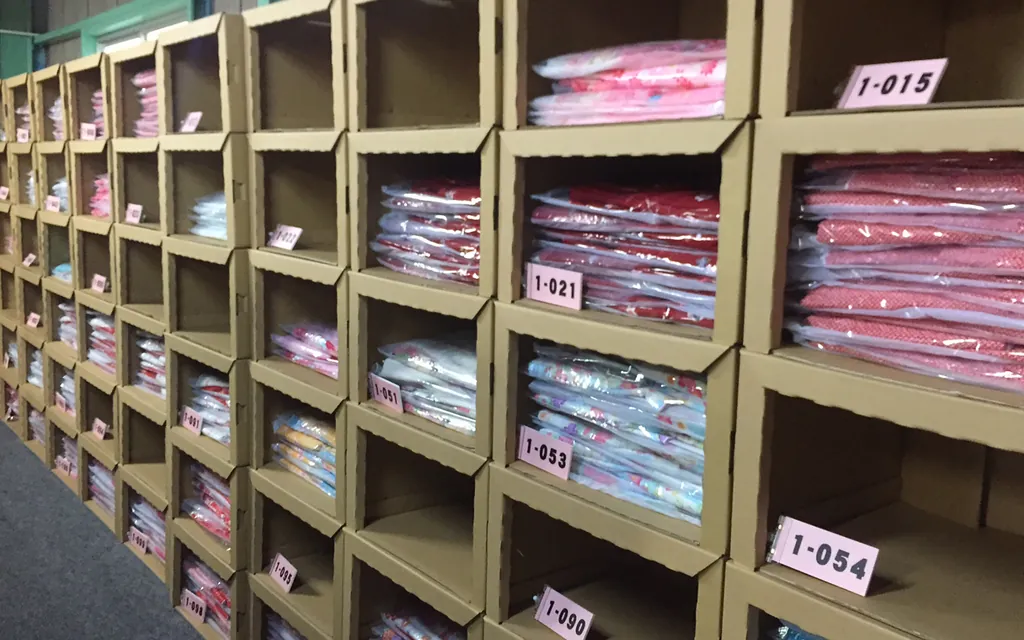 FIELD · SCHH-2026
 FIELD · SCHH-2026
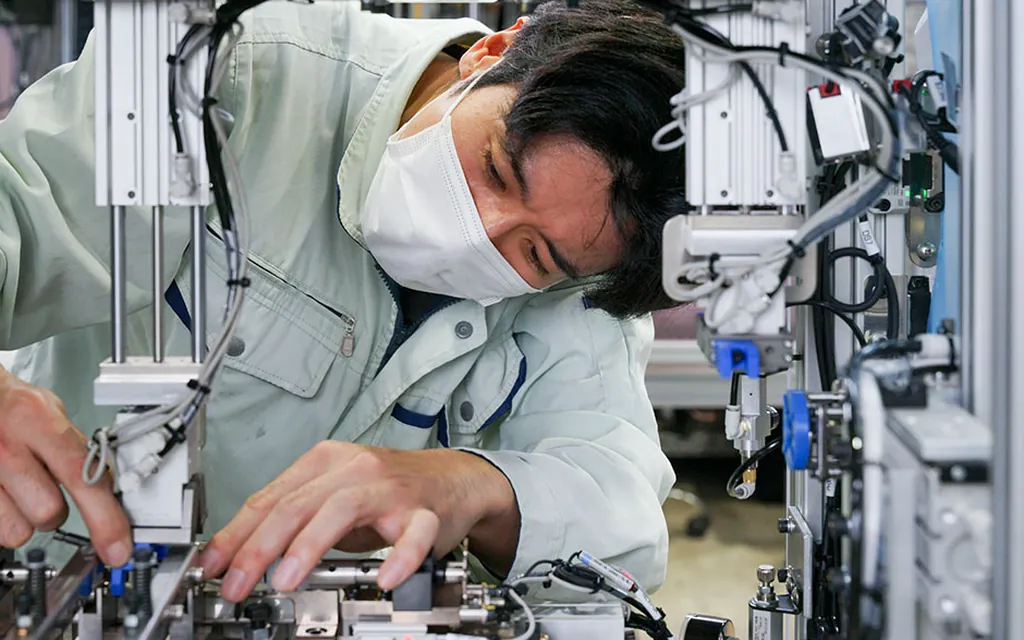
Three ways: the measures are written into inspection cards and maintenance standards, becoming everyday actions rather than extra demands; execution records are filed with the job sheets and completion rates are checked in the monthly report; and at the quarterly review, fault data verifies effectiveness - the same fault not recurring means the measure works, while recurrence means the measure was inadequate or unexecuted, and it goes back for revision. The value of prevention must be measured in 'faults that did not happen', and that requires data to support it.
 FIELD · SCHH-2026
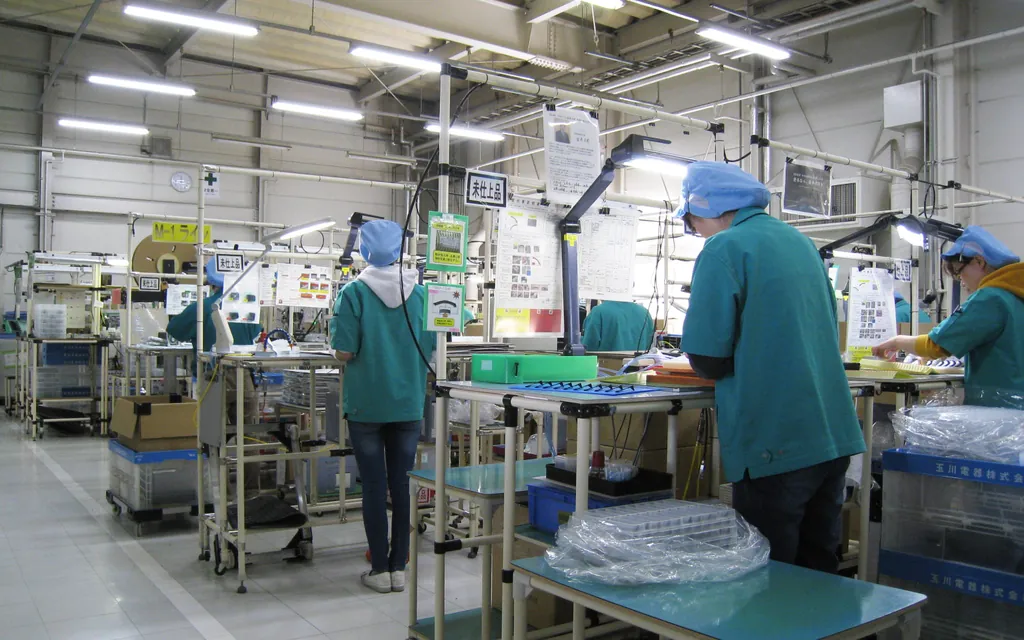
Slightly in the short term (more inspection and maintenance items), a net reduction over the long term. What is added is a few minutes of checking a day; what is removed is an emergency repair of hours or even days. The workload account must be done by the year: the annual hours invested in preventive maintenance are normally far below the emergency repair hours plus production losses of two or three unplanned stoppages.
One phone call, and a senior engineer will walk you through how it is done, what it costs, and how long until you see results.
 Scan to add Engineer Man on WeChat
 Guangzhou Yujihang Computer Technology Co., Ltd. · www.accpc.com.cn
 Guangzhou Henghuan Technology Co., Ltd. · www.hhrobotics.cn
 Nanchong Henghuan Robotics Co., Ltd. · www.hhrobots.cn