Machine tool electrics are the nervous system of a machining line. We take on repair, fault elimination and maintenance of electrical control circuits on small, medium and large machine tools.
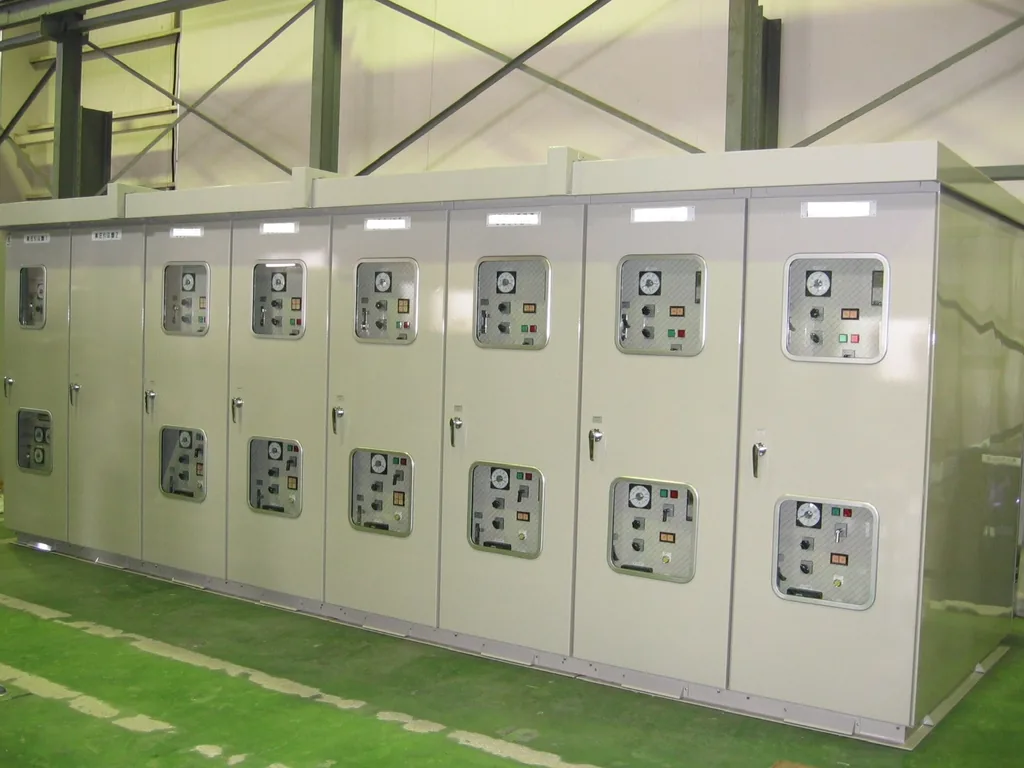
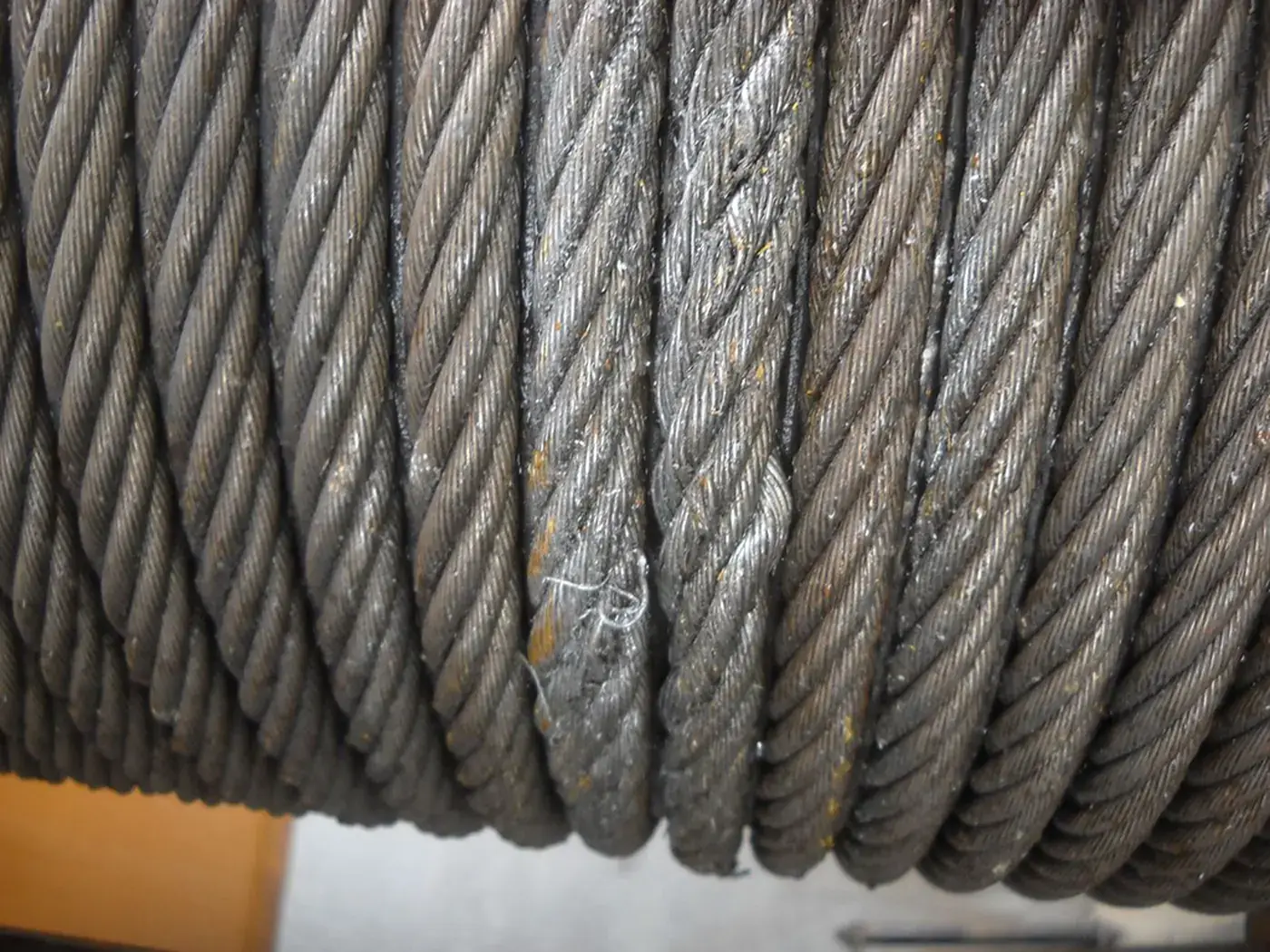
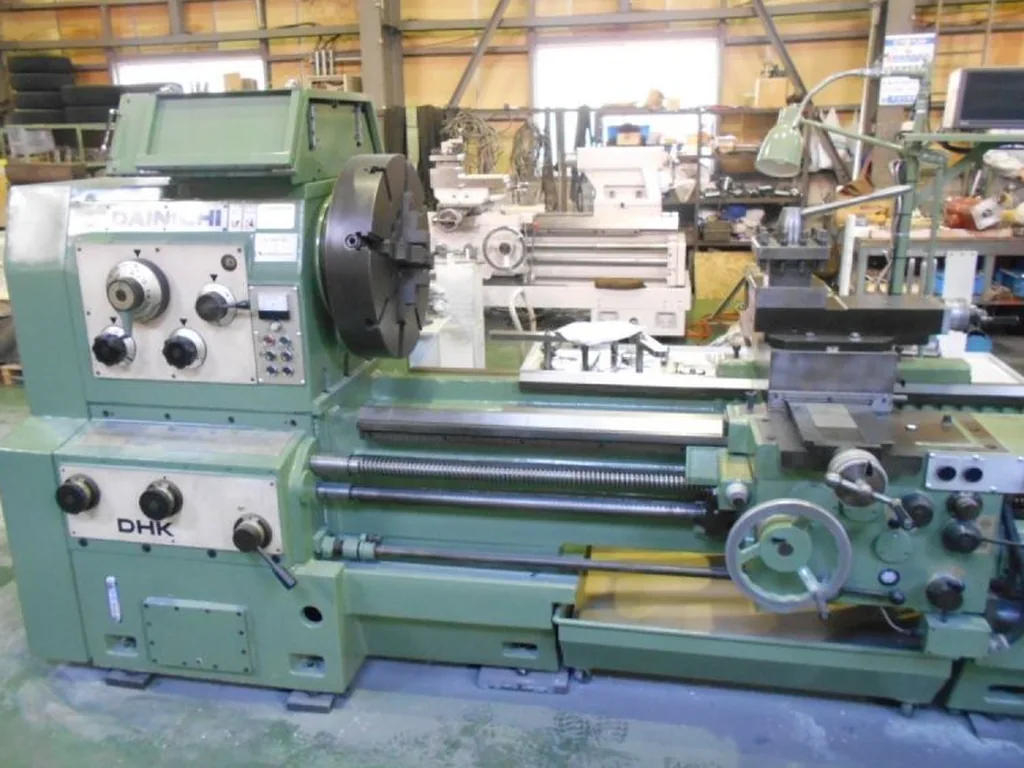
From schematic check to field tracing, we locate opens, shorts, poor contacts and aged components; for old machines without drawings we survey and redraft on site, so future repairs are never done blind.
After repair we test insulation, earthing and protection functions to guarantee electrical safety; during the maintenance period, tightening and component condition are checked on interval to head off trouble.
The operator interface can stay as close to the original as possible: buttons, indicator lights and operating sequence can all follow the old habits, so the team's adaptation cost is minimal. The change is on the maintenance side: faults come with diagnostic information, parameters are adjustable and backed up, and the logic has drawings. Before the retrofit we discuss the interface layout with the operating team - useful habits are kept, and anything awkward gets fixed while we are in there.
Not necessarily. Diagnose first: is it the system main board, the power supply module, the display unit, or something external? Where module-level repair solves it, the whole system stays. Where the system is genuinely obsolete and not worth repairing, a retrofit is then assessed: keep the mechanics and drives, renew the CNC system - typically at a fraction of the cost of a new machine.
Nine out of ten faults inside an electrical cabinet are pinned down by method and records; the remaining one by experience. Below are comparable machine tool electrical service scenes.
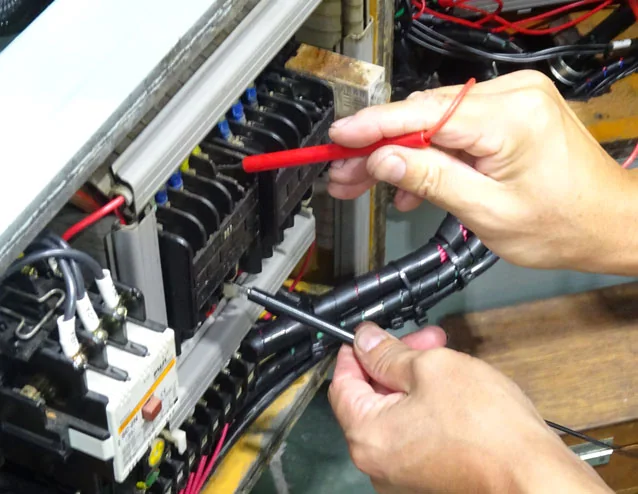
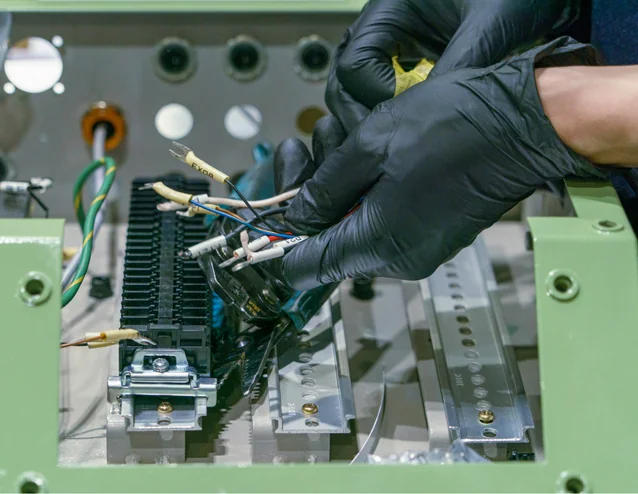
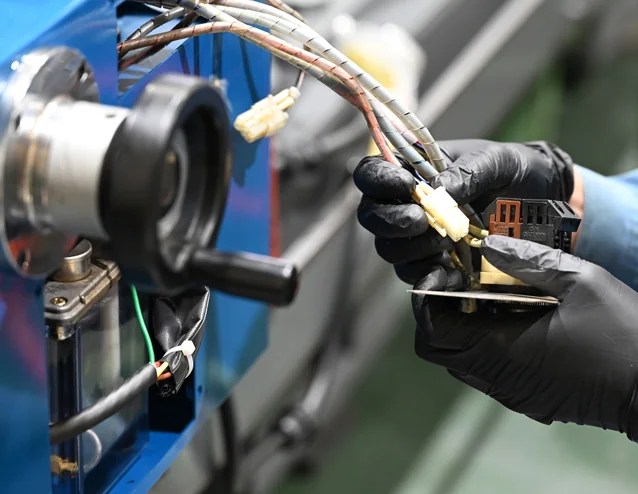
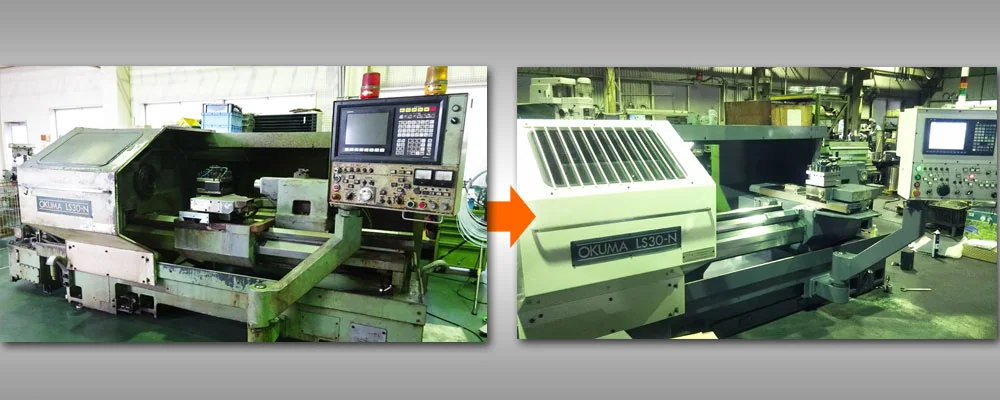
Mechanically this machine was still sound; the problem was electrical: discontinued components, wiring tangled by successive retrofits, frequent alarms and dead panel buttons. The answer is not "replace what breaks" but going through the electrical system as a whole: re-tracing the original logic, renewing the cabinet components and button panel as a set, completing the E-stop and limit protection circuits to current safety requirements, and re-issuing drawings with an I/O schedule handed over. Changes, parameters and drawings are delivered in one go, so future maintenance no longer depends on a veteran's memory.
One phone call, and a senior engineer will walk you through how it is done, what it costs, and how long until you see results.
 Scan to add Engineer Man on WeChat
 Guangzhou Yujihang Computer Technology Co., Ltd. · www.accpc.com.cn
 Guangzhou Henghuan Technology Co., Ltd. · www.hhrobotics.cn
 Nanchong Henghuan Robotics Co., Ltd. · www.hhrobots.cn