Positioning drift, cycle times that can't keep up, a narrow speed range - the motion-control stage is often the bottleneck for speeding up a line.
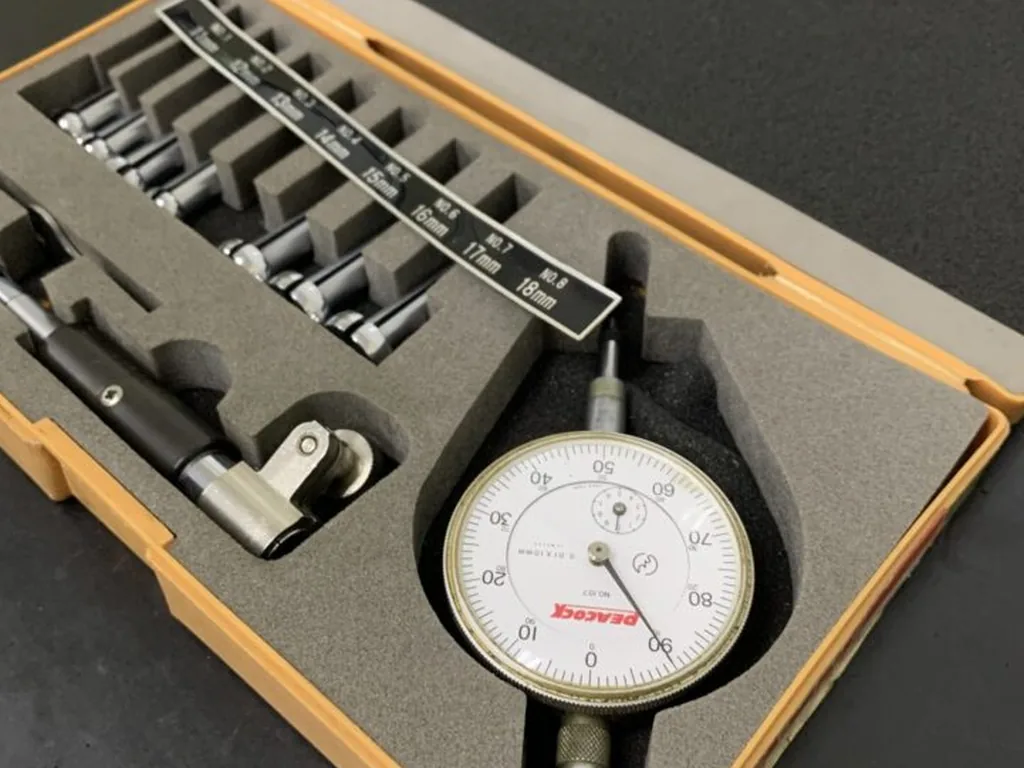
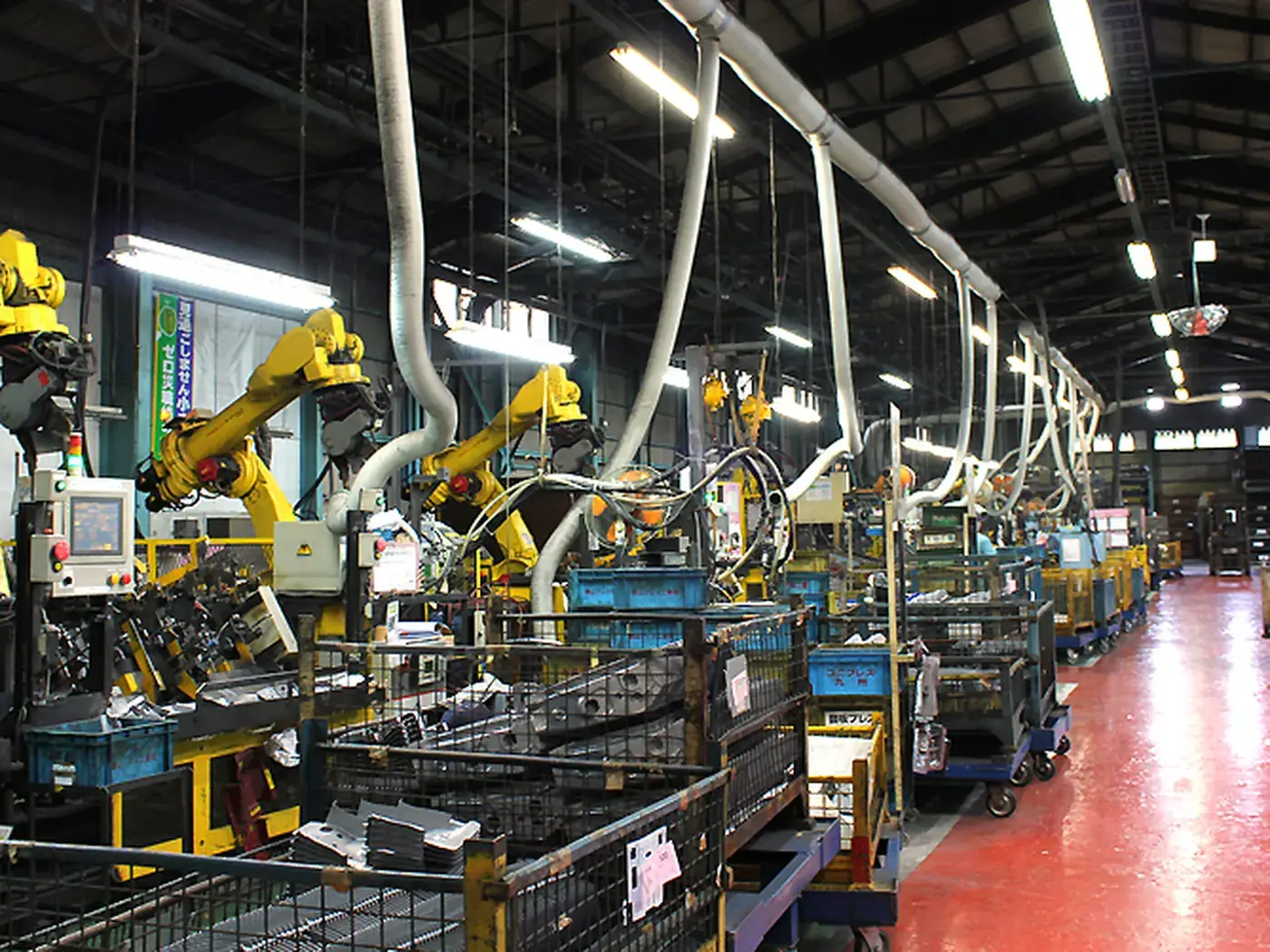
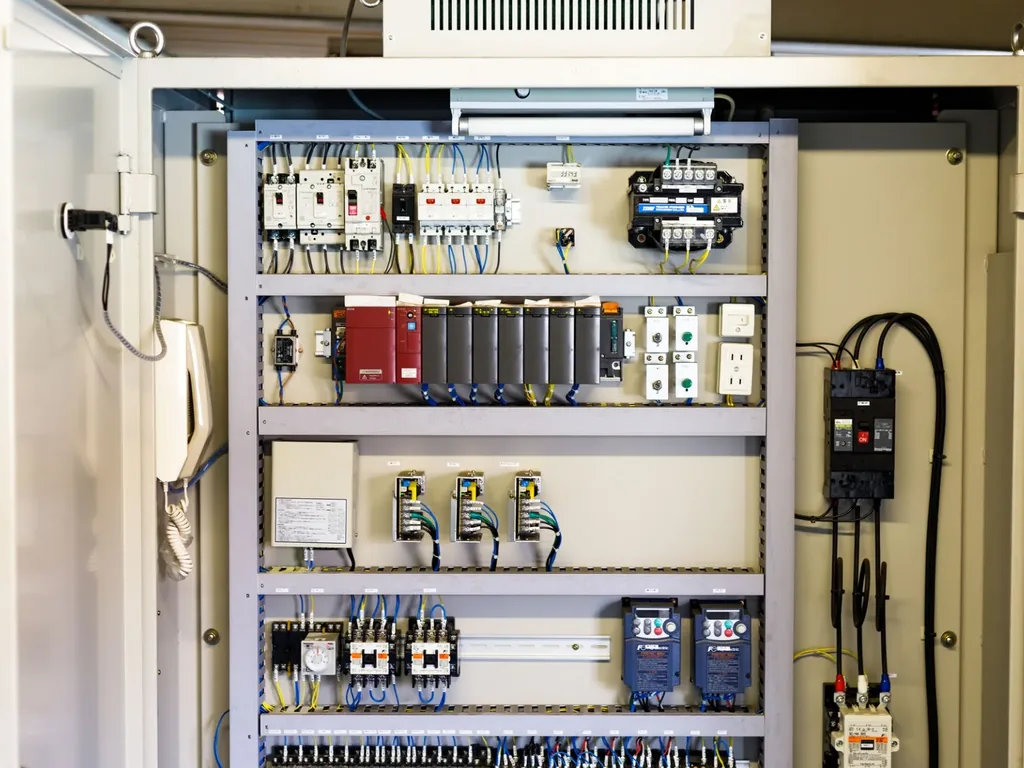
Every upgrade starts with plant identification: measure load inertia and acceleration demand to size the servo and pick the reduction ratio; choose incremental or absolute encoder feedback to suit the accuracy requirement.
After tuning, positioning accuracy, repeatability and cycle time are re-measured item by item and filed; parameters and tuning records are archived, and parameters are re-checked after any mechanical change.
 FIELD · SCHH-2026
 FIELD · SCHH-2026
It depends on the load characteristic: for fans and pumps (square-torque loads), cutting speed by 20% roughly halves energy use - the most dramatic effect; constant-torque conveyor lines save mainly through soft starting and slowing down at light load. We first measure your current energy consumption, then calculate the saving and payback from your actual duty, and write the calculation into the proposal. Projects that cannot reach the calculated saving, we do not take.
 FIELD · SCHH-2026
No - provided the handover is complete: parameter list and backups, alarm code table and common fault handling guides all delivered, with training for your maintenance staff. Servo systems have stronger self-diagnosis than old ones: faults come with codes and records, so troubleshooting is actually easier. What is dangerous is a system with no documentation - and that is exactly what we avoid.
One phone call, and a senior engineer will walk you through how it is done, what it costs, and how long until you see results.
 Scan to add Engineer Man on WeChat
 Guangzhou Yujihang Computer Technology Co., Ltd. · www.accpc.com.cn
 Guangzhou Henghuan Technology Co., Ltd. · www.hhrobotics.cn
 Nanchong Henghuan Robotics Co., Ltd. · www.hhrobots.cn