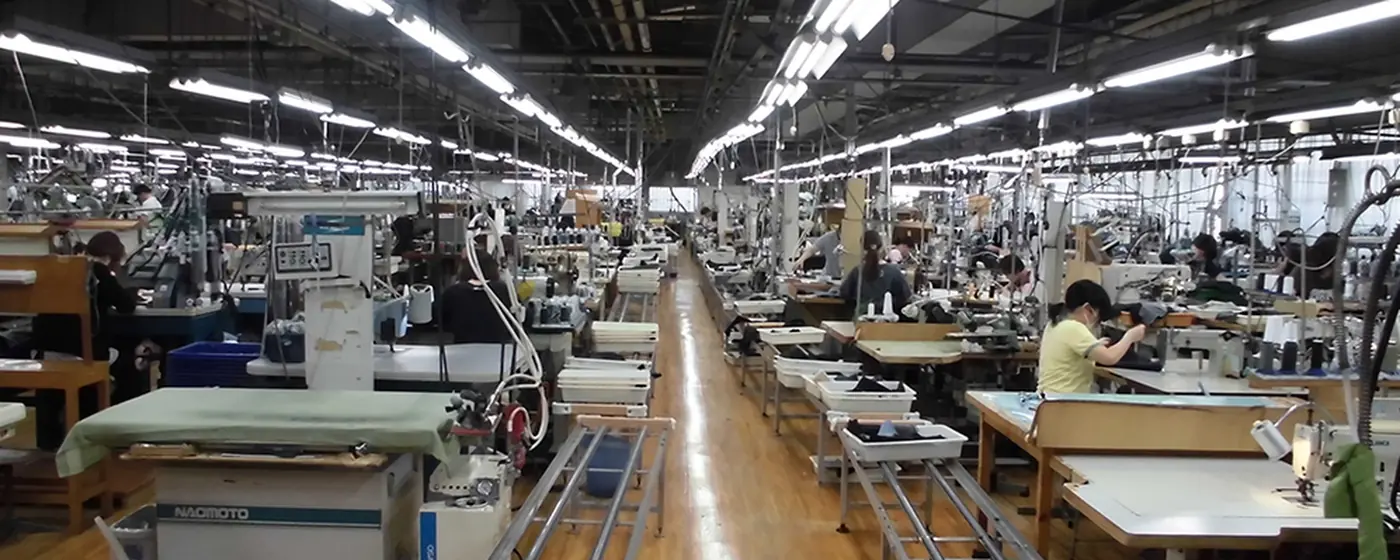
The store held parts untouched for three years, and lacked the critical ones when they were needed. The problem was not too much or too little stock, but the wrong structure.
The store held parts untouched for three years, and lacked the critical ones when they were needed. The problem was not too much or too little stock, but the wrong structure.
 FIELD · SCHH-2026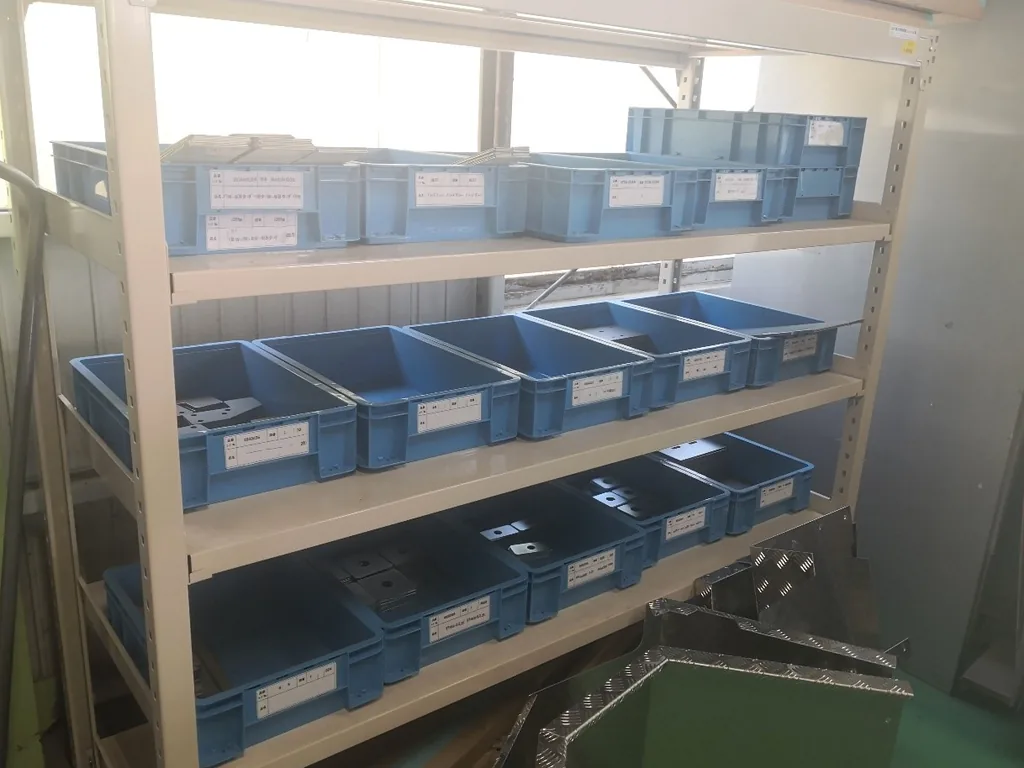
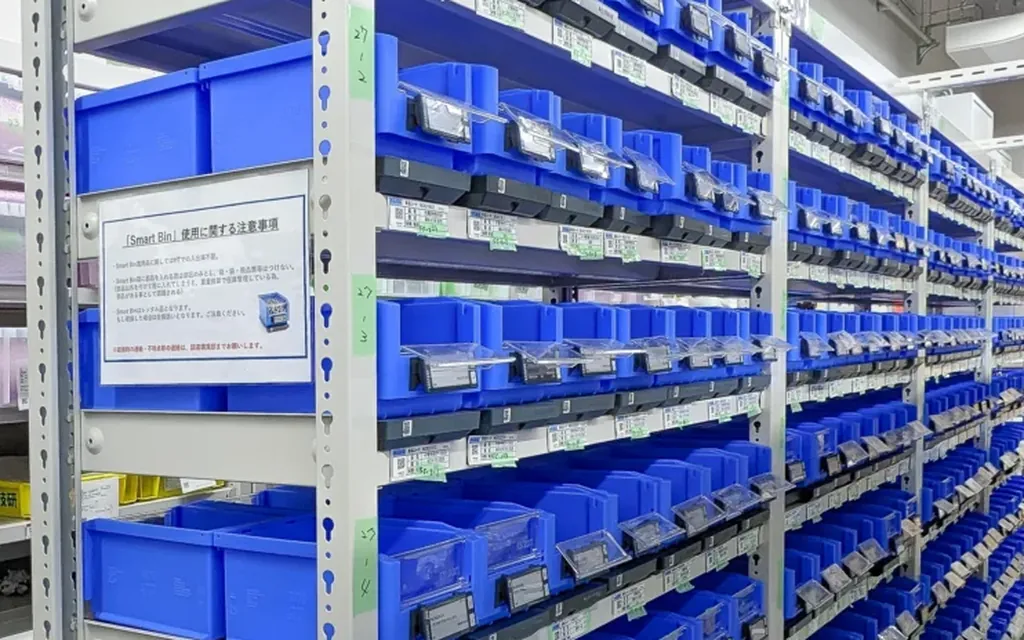
A stocktake found high tied-up stock value, yet machines still stopped now and then waiting for parts. The dead stock was mostly superseded items and impulse purchases, while what ran short was cheap, high-frequency wear parts.
The purchasing logic was to buy more for fear of downtime, with no classification and no stock norms.
 FIELD · SCHH-2026
We ran an ABC classification by consumption frequency and downtime impact: A-class critical items got safety stock plus agreed supplier lead times; B-class were managed on a min-max basis; C-class cheap wear parts got a fixed minimum stock with simplified approval and replenishment on use.
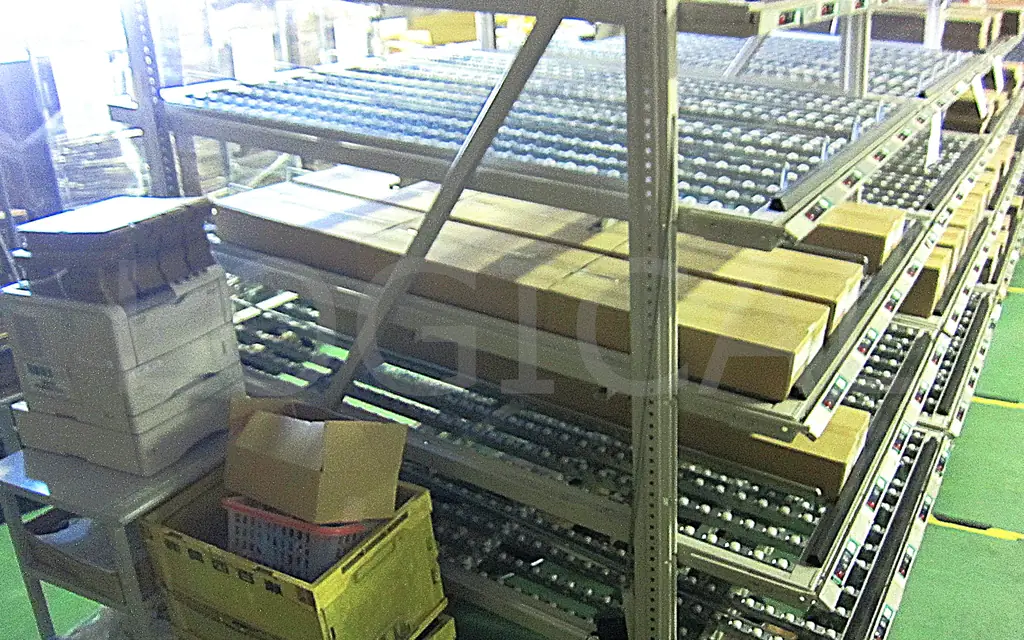
Dead stock was cleared at the same time: superseded items were disposed of at a discount or returned to suppliers, and generic parts were pooled into group-level redistribution. Two months later stock value was down 42%, and the number of parts-shortage stoppages had fallen rather than risen.
The goal of spare parts management is not the lowest stock, but a balance between downtime risk and tied-up capital. Classification is the precondition for that balance.
Low-cost, high-frequency parts are the most worth stocking: they are cheap, but missing one can stop a whole line.
Both extremes of spare-part inventory are a sickness: too much ties up capital and fills the store with obsolete parts, while too little means downtime from missing parts, and every day waiting for procurement is money bleeding away. This case used ABC classification plus a min-max stock method to cut inventory funds by 42% while stock-out downtime actually fell rather than rose. Saving money and protecting production are not opposed - crude management is the common enemy of both. The basis for classification is not the unit price of a part but "consumption frequency multiplied by downtime impact."
 FIELD · SCHH-2026
Draw four quadrants using two dimensions - consumption value and downtime impact: high consumption and high downtime impact is class A (tight control, safety stock); one high and one low is class B (routine management); both low is class C (simplified management). The exact boundaries depend on your plant's total number of spares and capital scale. Our approach is to make a rough classification, run it for a quarter, then adjust the boundaries using actual consumption data. Classification is dynamic, not set once for life.
 FIELD · SCHH-2026
It depends on which part is cut: the 42% reduced in this case was mainly obsolete parts, overstock and duplicate holdings, which should never have tied up capital in the first place; the safety stock for critical class-A parts was not reduced by a cent, and an agreed lead time was added as a backstop. Stock-out downtime fell rather than rose precisely because funds were moved from useless inventory to the parts that truly matter. The right way to cut inventory is to optimise its structure, not to slash indiscriminately.
Tell us the symptoms, and we will run the same diagnostic approach on your equipment.
 Scan to add Engineer Man on WeChat
 Guangzhou Yujihang Computer Technology Co., Ltd. · www.accpc.com.cn
 Guangzhou Henghuan Technology Co., Ltd. · www.hhrobotics.cn
 Nanchong Henghuan Robotics Co., Ltd. · www.hhrobots.cn