Manual loading, manual inspection, manual judgement: people-dependent steps are a double bottleneck for cycle time and quality, and a safety hazard as well.
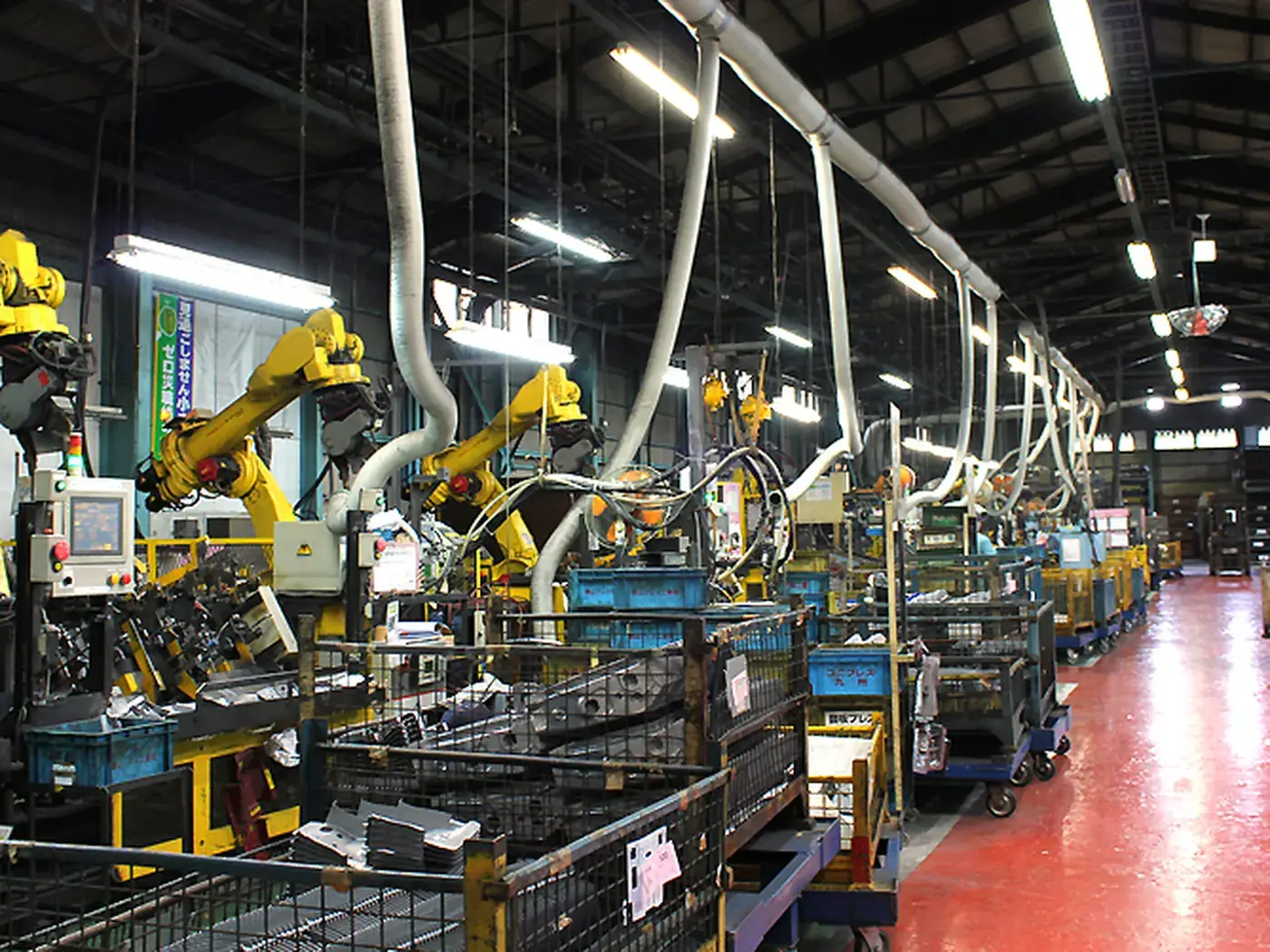
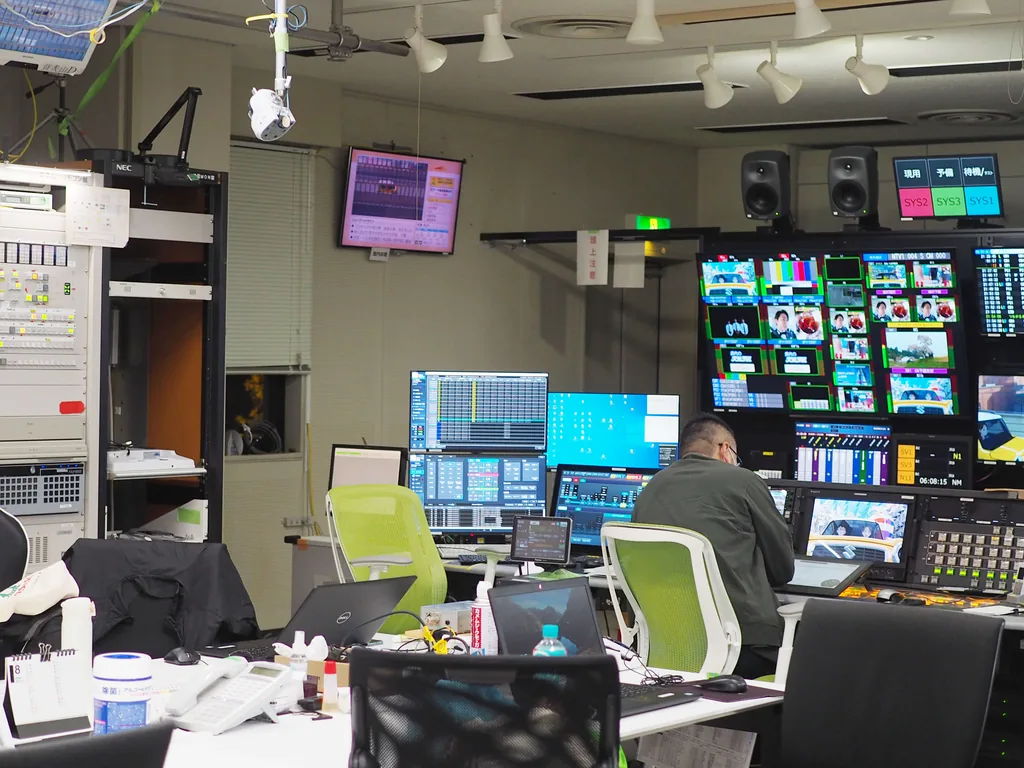
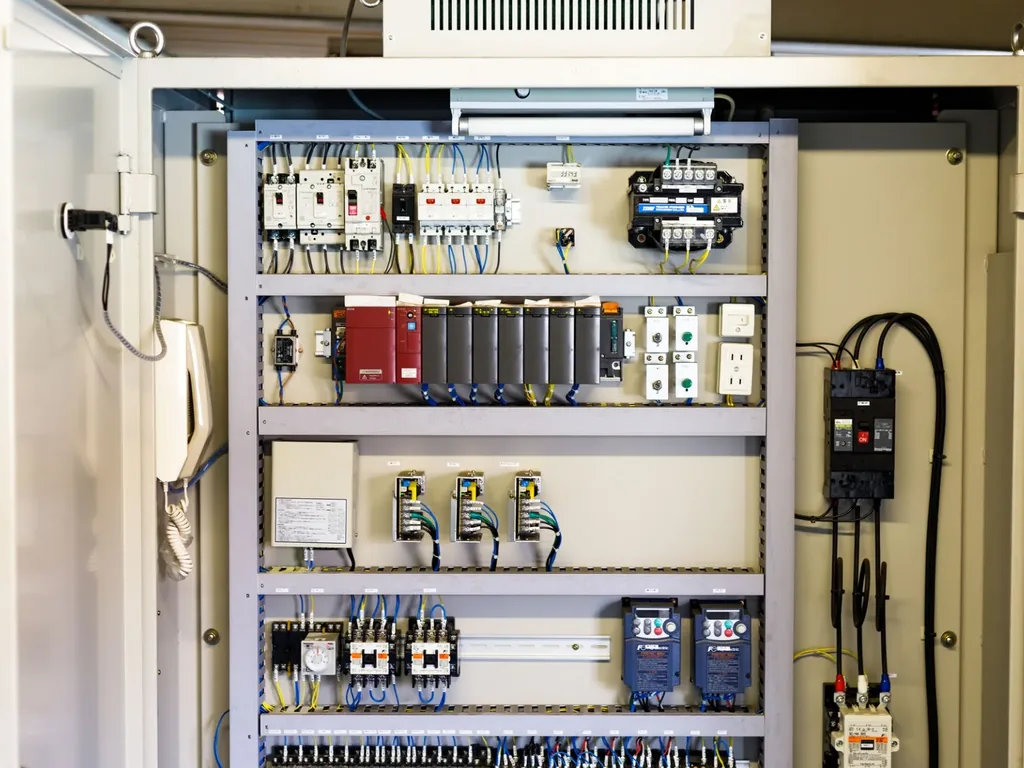
Retrofits are broken down by process step — loading/unloading units, inspection stations, rejection and interlocks each designed in turn and matched to upstream and downstream takt, so no single machine runs fast while the whole line chokes.
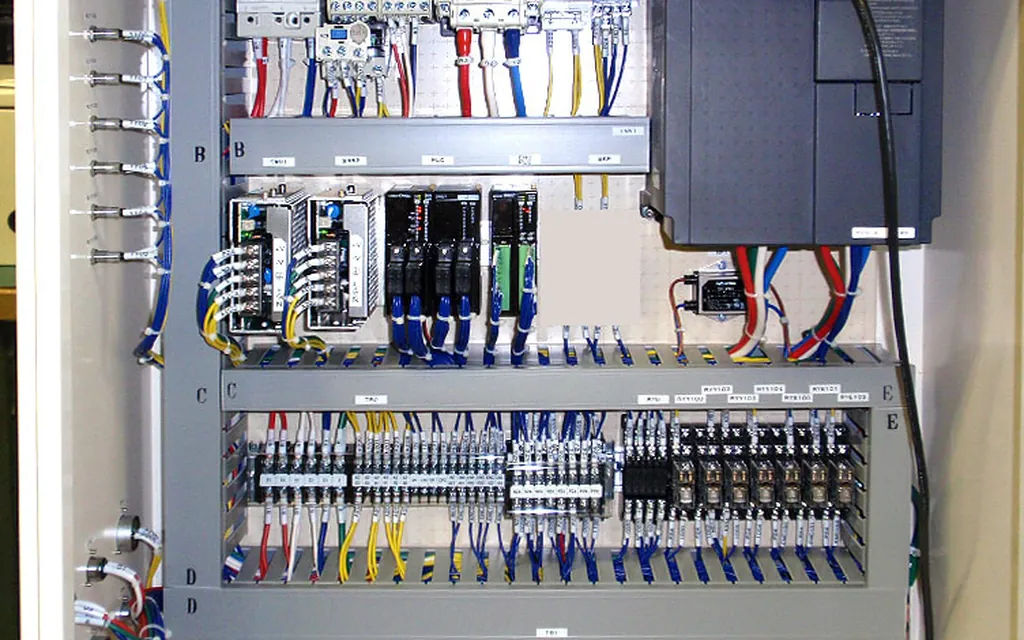
Safety interlocks are built with components rated to the required safety level: e-stops and light curtains go into the safety circuit with dual-channel monitoring and feedback, and at completion we run failure-mode tests, not just a power-on check.
 FIELD · SCHH-2026
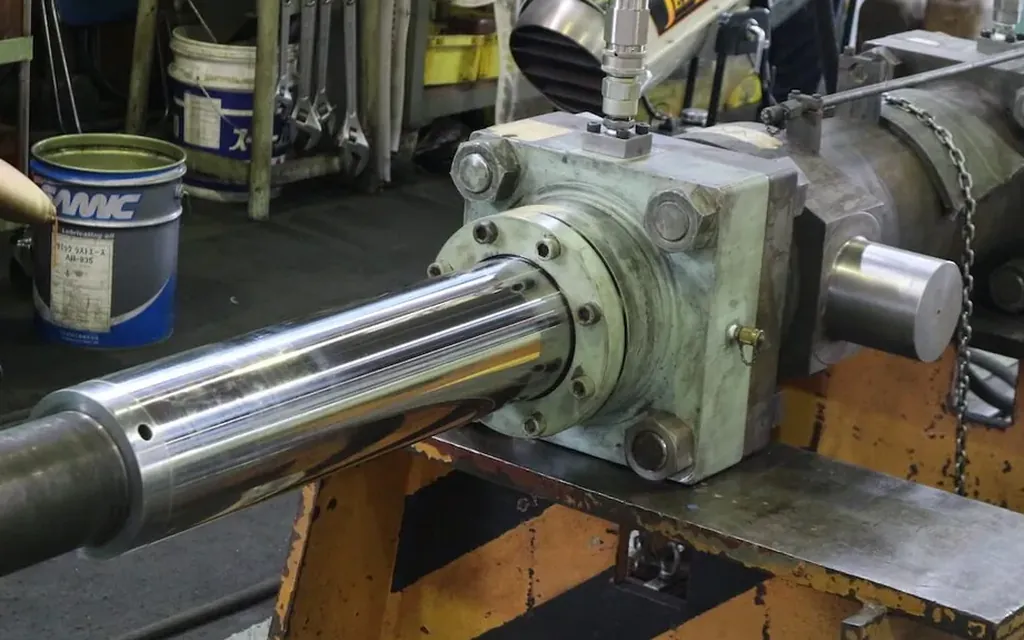 FIELD · SCHH-2026
Look at the current state: an E-stop wired through ordinary relays, guard doors with no interlock, light curtains missing or shorted out - these are non-compliant and carry real risk, and they must be changed. Inspections will find them; more importantly, accidents really do happen. The cost account of an accident (compensation, shutdown, accountability) is never in the same league as the retrofit investment. On this class of project we do not take 'just get us through the inspection' work - if we do it, we make it genuinely safe.
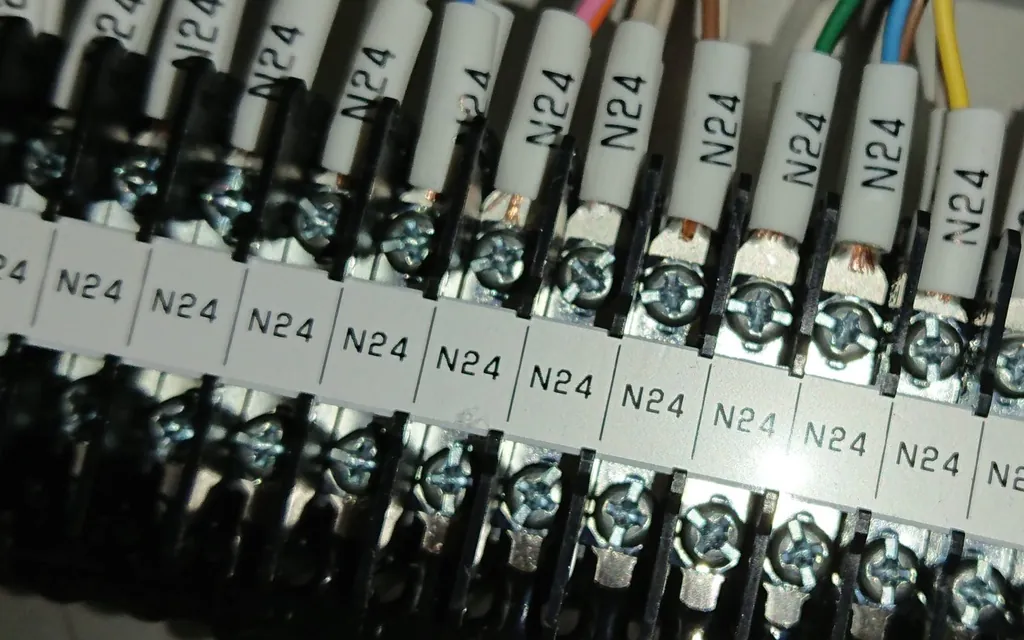 FIELD · SCHH-2026
The purpose of automation is not headcount reduction but moving people out of repetitive, dangerous and unrecruitable jobs. When load/unload goes automatic, operators move to patrol and quality confirmation; when heavy manual transfer is mechanised, people mind the equipment. Our actual experience is that after a retrofit the skill requirement of the jobs rises, pay rises with it, and the workforce becomes more stable, not less.
One phone call, and a senior engineer will walk you through how it is done, what it costs, and how long until you see results.
 Scan to add Engineer Man on WeChat
 Guangzhou Yujihang Computer Technology Co., Ltd. · www.accpc.com.cn
 Guangzhou Henghuan Technology Co., Ltd. · www.hhrobotics.cn
 Nanchong Henghuan Robotics Co., Ltd. · www.hhrobots.cn