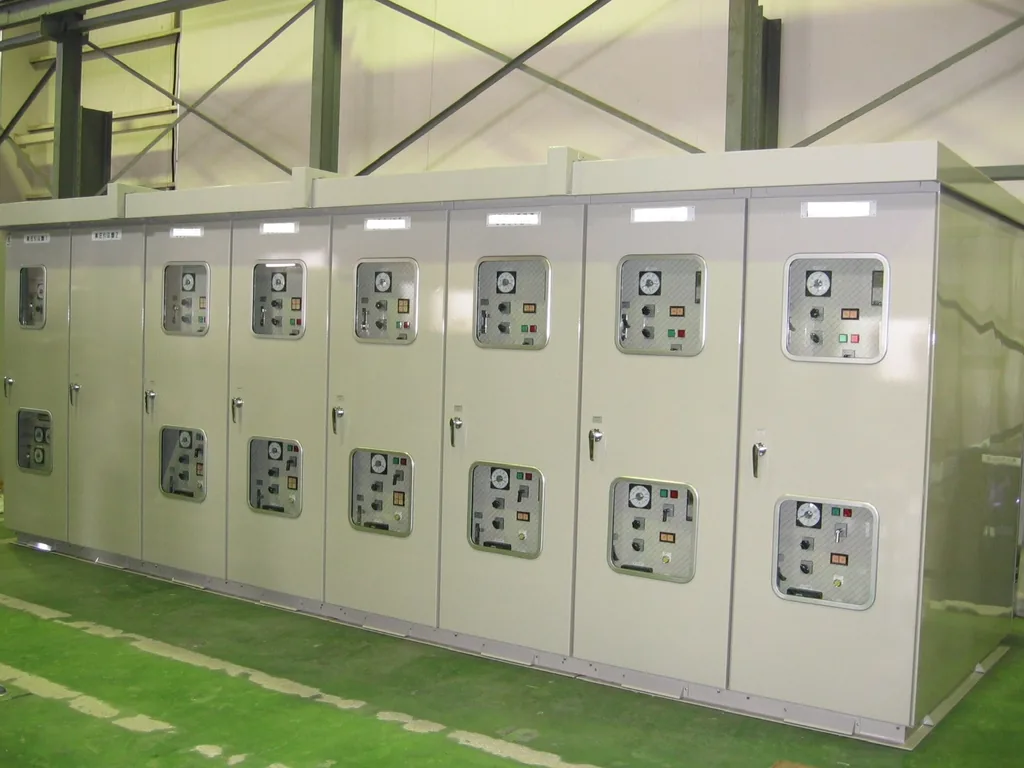
The spindle is the one part of a lathe you cannot fudge. Once the bearings pit, a replacement set costs as much as two years of proper maintenance. Daily care is about controlling temperature rise and contamination, not about repairing.
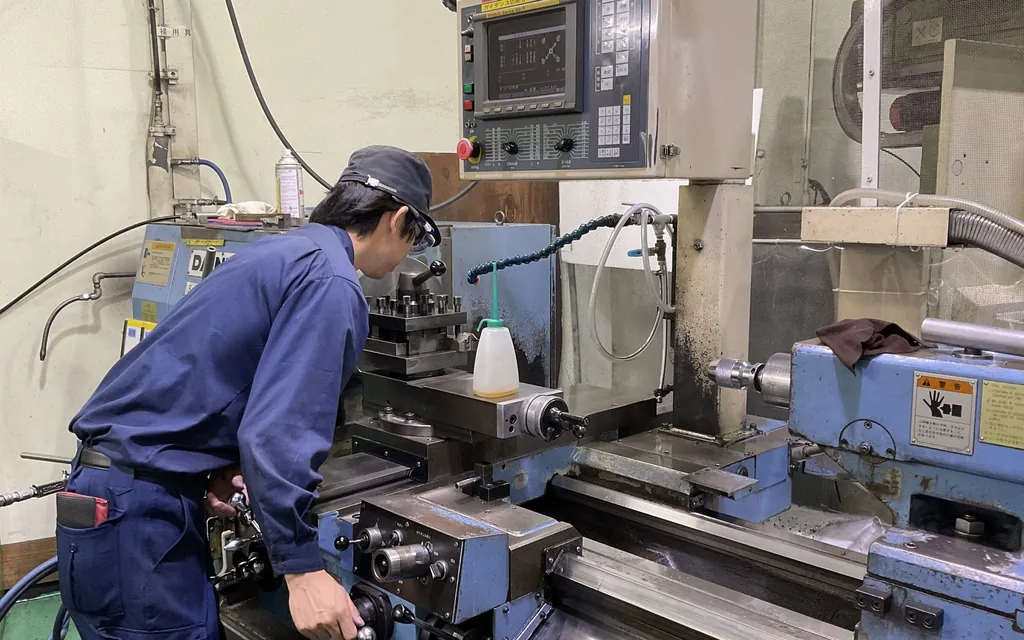
After start-up each day, run the spindle idle for 10–15 minutes before loading a part, so the oil film in the spindle bearings builds up. Many plants skip this step; the result is impact loading on the bearings during low-speed heavy cutting, and their life drops fast.
Do not write "spindle OK?" on the check sheet. Write it out: is the spindle housing noticeably hotter or colder than yesterday by hand (or record the figure with an IR thermometer); has any new whine or periodic hum appeared when running idle; is there unusual play after the chuck clamps. Three items, each one an operator can judge alone.
Lubrication condition is the spindle's lifeblood. For oil-mist lubrication, check that the sight-glass oil level and air pressure sit in the 0.3-0.4 MPa band; for grease lubrication, check that the regreasing log shows the cycle being followed. Never over-grease - excess grease churns, generates heat, and burns the bearing instead.
 FIELD · SCHH-2026
Keep a spindle temperature log for every machine: at the same moment each day (say two hours into full-load running) measure the front and rear points of the spindle housing and write them down. A single reading means nothing; the trend means everything. If the temperature rise climbs 3–5 °C month on month under the same duty, poor lubrication or a preload problem is usually behind it.
Screen vibration the simple way first: put a vibration app on a phone, measure overall acceleration on the spindle housing and log it monthly. Above 1.5 times the as-delivered baseline, bring in a vibration analyser for a spectrum. Once the bearing outer-race characteristic frequency shows up, you can basically book the downtime for a strip-down.
Never spray coolant directly onto a hot spindle. The thermal shock causes micro-deformation, and over time it eats into running accuracy. This is a detail many operators do not know.
 FIELD · SCHH-2026
Every six months: check spindle belt tension (belt-driven models), clear the spindle motor cooling passages, and verify chuck clamping force.
Annually: re-verify geometric accuracy - radial runout, axial float, and dye-contact ratio of the spindle taper. Keep the data on file and compare it with the previous year; this is the evidence base for deciding whether an overhaul is needed.
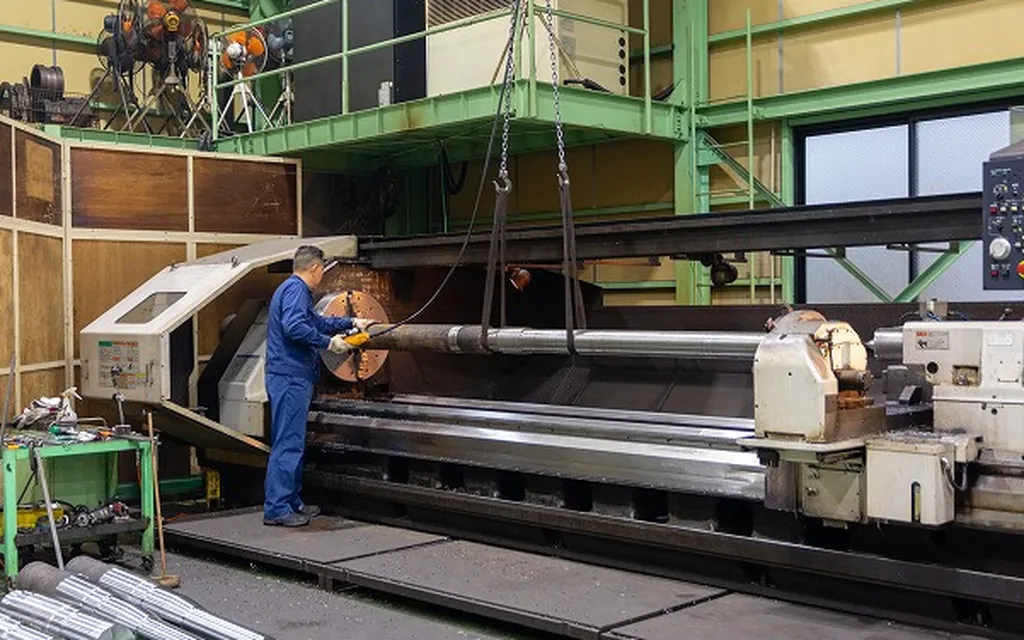
Every three to five years (depending on load): consider replacing the spindle bearings. Do not wait until parts go out of tolerance — by then the taper may already be scored and the repair cost multiplies.
| Maintenance item | Interval | Method | Acceptance criteria |
|---|---|---|---|
| Lubrication condition check | Every shift | Oil level / air pressure / greasing log | Level within the marks; air pressure 0.3–0.4 MPa |
| Spindle temperature-rise log | Daily | IR thermometer at the front and rear of the housing | Under the same duty, <5 °C versus the previous day |
| Idle warm-up run | Every start-up | 10–15 minutes idle at low speed | No abnormal noise, no alarms |
| Overall vibration measurement | Monthly | Horizontal / vertical on the spindle housing | <1.5 × the factory baseline |
| Belt tension and cooling passage cleaning | Semi-annual | Push-down travel; blow out with compressed air | 10–15 mm give; no dust build-up in the passages |
| Geometric accuracy re-check | Annual | Radial runout, axial float, taper blueing | Within the machine's accuracy standard tolerances |
Put spindle care into a ledger and the crews will carry it out with conviction. A set of spindle bearings plus replacement labor runs to a few thousand yuan; grinding repair after the taper is scored exceeds ten thousand; a complete spindle replacement is tens of thousands, plus one to two weeks of downtime. And the entire cost on the care side? Ten minutes of warm-up and checks a day, one oil-circuit confirmation a week, one temperature-and-vibration record a month - a few labor hours per month in total. The input-output ratio speaks for itself: care is not spending money, it is saving money.
The key to saving is the word "early". Bearing pitting progresses in stages: one to two weeks of poor lubrication, one to two months before raceway brinelling appears, two to three months before vibration signatures emerge, half a year before parts go out of tolerance. Every stage you delay, the repair cost rises an order of magnitude. The value of trend records is catching it at the cheapest stage. Many plants wait until parts are out of tolerance to repair - which amounts to passing up every cheap option along the way and ending with the most expensive one.
There is also a hidden ledger: a machine with unstable accuracy produces scrap and rework, and those losses often exceed the repair bill itself - plus they damage your delivery reputation. Keep spindle condition under control and quality costs fall in step. That is the ledger the quality department cares about, and a powerful argument for convincing management to fund the maintenance budget.
Start with zero-cost methods: feel the spindle housing and compare it with yesterday (an obvious difference is an anomaly), listen to the idle run for any new whine or periodic hum, and watch for changes in the surface pattern of machined parts. These three catch more than eighty percent of early anomalies. When budget allows, buy an infrared thermometer first (they cost little), then consider vibration measurement. Trend records can start with pen and paper - the key is the same measuring point, the same method, kept consistently.
 FIELD · SCHH-2026
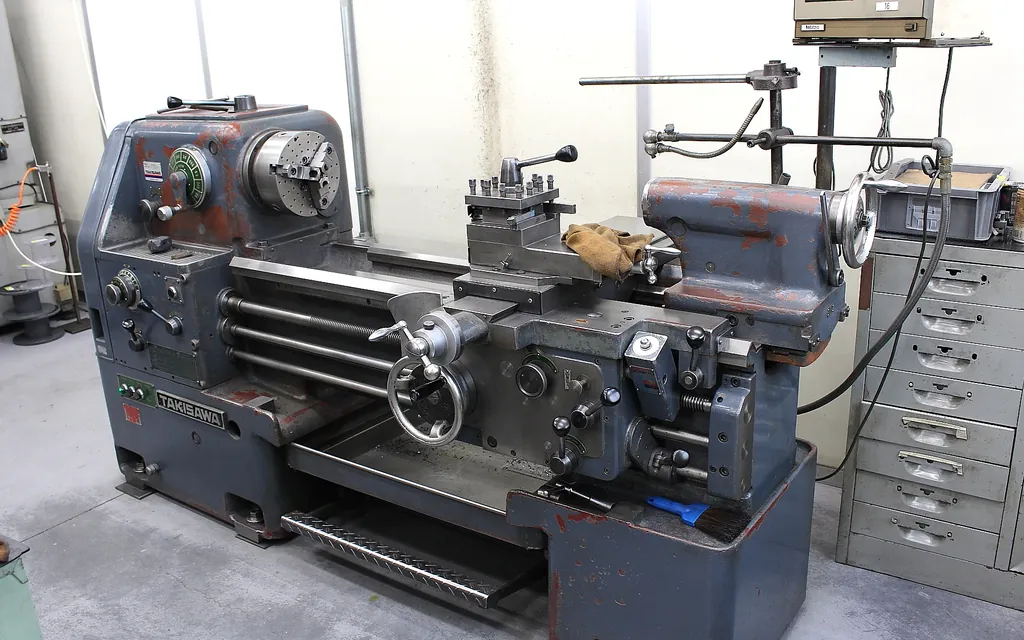
There is no uniform service life - only condition criteria. A lightly loaded, well-maintained spindle still holds accuracy after seven or eight years; a heavily loaded one with frequent crashes and poor lubrication degrades in three to five. Replacement is judged on three trend readings: temperature rise under the same duty climbing 3-5°C month over month, overall vibration exceeding 1.5x the baseline, or the annual geometric-accuracy check going out of tolerance. Two or more of these and replacement should be planned - don't wait for parts to fail inspection.
Spindle care sounds like a long list, but brought down to the crew it is really simple: one card, three time points, one reporting channel. The card is a spindle-specific inspection card listing only three to five items, each with a concrete criterion: oil level and air pressure in range, no abnormal noise on idle run, housing temperature within 5°C of the previous day, chuck clamping firm with no play. The three time points are daily startup (ten minutes of warm-up plus the check), monthly (temperature and vibration trend record), and every six months (belt tension and air-duct cleaning, done by professionals). The one reporting channel is the anomaly escalation route: when an operator notices the sound has changed, the vibration feels different, or part surfaces have darkened, they report to the equipment manager the same day - and what the equipment manager cannot judge goes to external technical support.
The core idea of this design is to hand professional judgment to data up front, and hand simplified daily actions to the crew. Operators need not understand spectra - they only need to compare "what is different between today and yesterday"; professional analysis sits at the monthly and semiannual checkpoints, done by people who know it. With the layers clear, care becomes sustainable. Asking operators for judgments they cannot make is the root cause of inspections degenerating into formalism.
One detail is worth stressing when rolling this out: spindle care records must always let you look up the previous reading. The essence of trend management is comparison - if every record starts from zero, no amount of data will reveal degradation. Give the form header twelve columns (one per month), fill one page per year, then turn the page and archive it, and the history reads at a glance. The same goes for spreadsheets: don't start a new file every time.
 FIELD · SCHH-2026
This article was written in-house by the Industrial Equipment Services Division. The thresholds, intervals and scrap criteria are field-experience values; in practice follow the equipment manufacturer's technical documents, current national standards and special-equipment safety regulations. Inspection and testing of special equipment (cranes, pressure vessels, etc.) must be carried out by a qualified body.
Send us your equipment list and operating conditions, and we will give you a workable inspection and maintenance standard.
 Scan to add Engineer Man on WeChat
 Guangzhou Yujihang Computer Technology Co., Ltd. · www.accpc.com.cn
 Guangzhou Henghuan Technology Co., Ltd. · www.hhrobotics.cn
 Nanchong Henghuan Robotics Co., Ltd. · www.hhrobots.cn