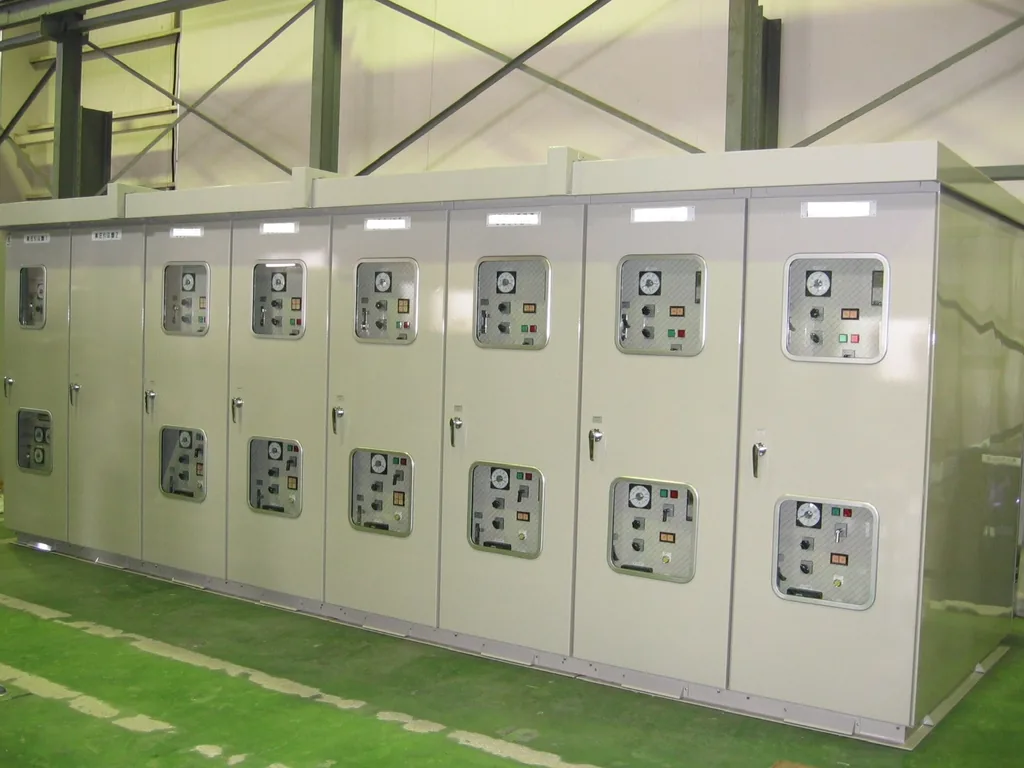
A large share of machine tool electrical faults are drives damaged by poor cooling, and they all happen in summer. They have one thing in common: open the cabinet and you can scrape a layer of dust off the heatsinks.
The life of drives, power modules and VFDs is directly tied to working temperature. As a rule of thumb, every 10 °C rise in junction temperature roughly halves electrolytic capacitor life. Keeping the cabinet below 40 °C is the baseline; above 45 °C it is time to find out why.
You can judge cooling without instruments: after two hours at full load, point an IR thermometer at the drive heatsink and compare with ambient. A gap over 25 °C means cooling is already struggling.
 FIELD · SCHH-2026
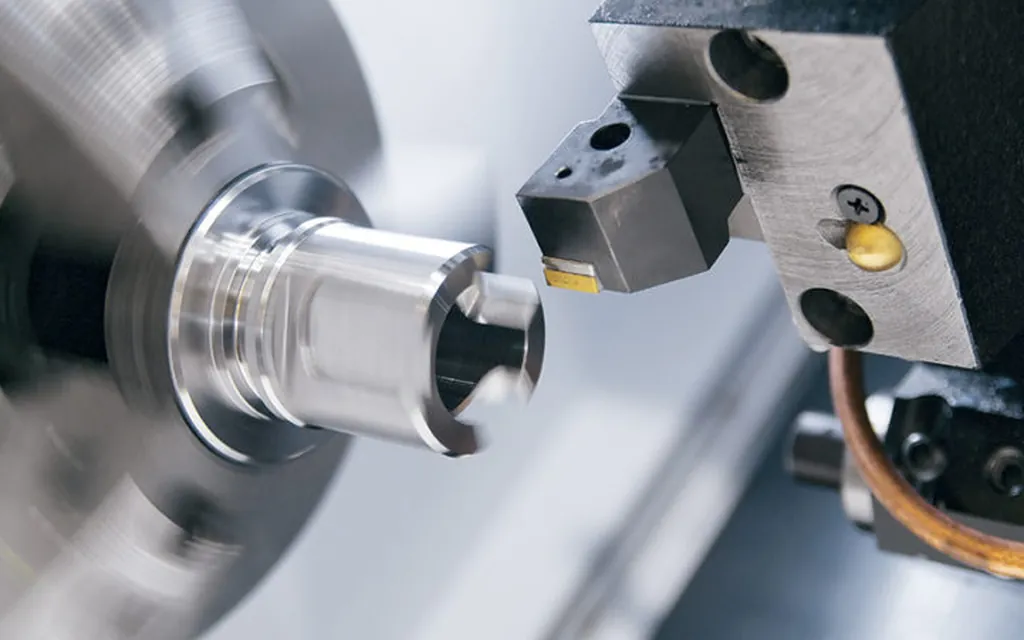
Isolate, prove dead, hang the warning tag — that is procedure and it cannot be skipped. Capacitors take time to discharge; wait at least 5 minutes after isolation before touching anything.
Be careful with compressed air: keep it below 0.2 MPa and run a vacuum alongside while blowing, otherwise the dust just moves from the heatsinks onto other components. For delicate boards use a soft brush plus vacuum, never a direct air blast.
Ageing door seals are the main route dust takes in. Replace seals once they flatten or crack. On fan-cooled cabinets, clean or replace the inlet filter monthly — the cheapest and most effective maintenance item there is.
In oil-mist environments (grinders, lathes running oil-based coolant) fit an oil-mist filter outside the cabinet, or run the cabinet at slight positive pressure. Oil mist settles on boards and combines with dust into conductive grime that causes unexplained faults.
 FIELD · SCHH-2026
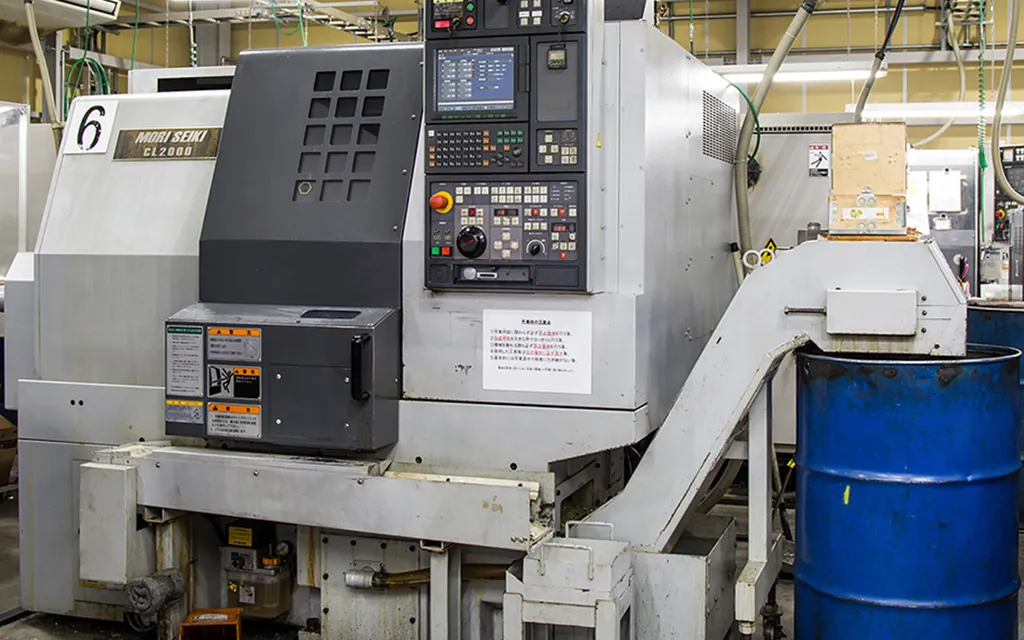
Check terminal tightness every six months, focusing on high-current main-circuit terminals, drive input/output terminals and the control transformer secondary. Tighten with a torque screwdriver to the manufacturer's figure — by feel you will crack terminals.
Measure earth resistance yearly; the machine body should be below 4 Ω. Poor earthing is not only dangerous — it makes servo systems throw interference alarms, and those are the hardest to trace.
Blackened or discoloured marks on a terminal strip mean that point once overheated. Investigate the load and contact resistance; replacing the terminal alone is not enough.
| Maintenance item | Interval | Method | Acceptance criteria |
|---|---|---|---|
| Filter cleaning / replacement | Monthly | Intake filter | No dust blockage; airflow free |
| Heatsink cleaning inside the cabinet | Quarterly | Soft brush + vacuum after isolation | No dust between heatsink fins |
| Cabinet temperature record | Weekly | Temperature check after two hours at full load | Inside the cabinet <40 °C; heatsink temperature rise <25 °C |
| Door seal check | Quarterly | Cabinet door seal integrity | No flattening, no cracking |
| Terminal tightening | Semi-annual | Torque screwdriver to the specified torque | No looseness, no discolouration or blackening |
| Earth resistance measurement | Annual | Earth resistance tester | < 4Ω |
Not every electrical cabinet needs air conditioning - the treatment should be tiered by environment so the money goes where it counts. Cabinets in clean shops: keep the existing sealing and add a quarterly blow-down; the cost is near zero. Ordinary machining shops: filtered-fan ventilation plus monthly filter cleaning, a few hundred yuan per cabinet. Shops with heavy dust (grinding, foundry, building materials, woodworking): sealed enclosure with positive-pressure ventilation and two-stage filtration, or a cabinet air conditioner outright - an outlay of thousands to tens of thousands of yuan, but still a bargain against the loss from one blown drive module.
The tiering is based on measurements, not impressions: dust accumulation rate inside the cabinet (how thick a layer can be scraped off after a month), the inside-outside temperature difference (whether heat dissipation is already inadequate), and the fault history (drive failure frequency in the same shop). Lay out these three data sets and which tier of solution applies is perfectly clear. On every cabinet-environment project we run, the first step is always grading by data - we do not sell the most expensive configuration.
After the hardware work, add two small mechanisms: a visual filter differential-pressure indicator (blockage can be seen, so cleaning no longer relies on memory) and an in-cabinet temperature alarm (alarm before trip on over-limit, leaving time to act). Hardware treatment plus visible condition keeps electrical failures in dusty environments very low - a case path we have validated in multiple dusty workshops.
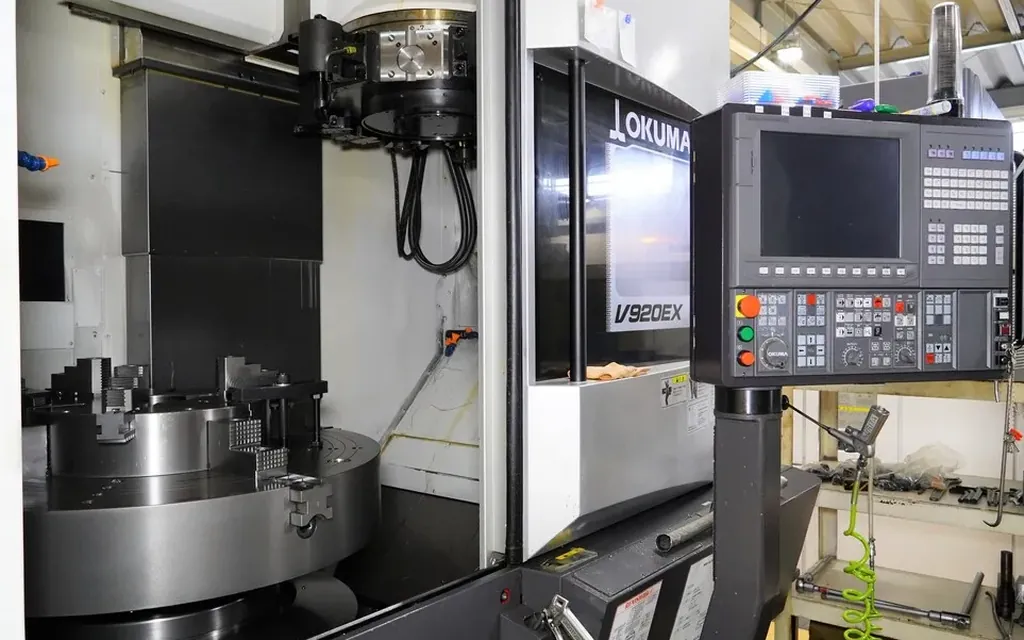
It depends on the setting. In clean shops, yes - dry, low-pressure compressed air combined with vacuuming. In dusty shops, no: compressed air turns settled dust into a dust cloud that then settles deeper into component crevices and contacts, and may drive moisture into the cabinet. The right method in dusty shops is vacuuming first with soft brushes alongside, removing heat-sink assemblies for cleaning outside the cabinet when necessary. In many plants, the habitual blow-down is precisely what drives the failures.
 FIELD · SCHH-2026
Go by component specifications: most VFDs and servo drives allow an ambient of 0-40°C or 0-45°C, so cabinet temperature should be kept below 40°C with margin. Add one trend criterion: at full load, an inside-outside difference of 10-15°C is a normal dissipation delta, while anything above 20°C means heat rejection is already inadequate. Before summer, log measured cabinet temperatures once through, and put the over-limit cabinets at the top of the treatment list.
Cabinet maintenance is ideally done thoroughly in one pass during the annual shutdown window. A one-day window is used most effectively in this order: in the morning, after power-off and isolation, clean first (vacuum-led with soft brushes, heat sinks and fan blades one by one), then inspect after cleaning - because dust hides loose terminals, aged insulation and damaged seals, and only clean-then-inspect reveals the truth. In the afternoon, do the electrical tests and tightening (insulation megger, ground resistance, terminal-block retorque, breaker trip tests), and finish with parameter backup and record archiving.
One detail in the sequence is easily reversed: many people tighten first and clean second, only to have the vibration and blow-down of cleaning loosen some terminals again, forcing a re-check. The correct order is clean, inspect, tighten, test, back up. Testing comes after tightening to confirm the tightening introduced no new poor contacts. Backup comes last so that the final state - after all parameter changes of the day - is what gets saved, with version numbers matching dates.
Three things are delivered when maintenance is complete: the inspection record sheet (signed item by item for every cabinet, with anomalies listed on a rectification sheet), the test data (measured insulation values, ground resistance and temperature rise, compared against the last round), and the parameter backup list (backup file versions, storage locations, restore-verification dates). These three are both the proof of this maintenance and the starting point of the next - only comparable data makes trends real.
 FIELD · SCHH-2026
This article was written in-house by the Industrial Equipment Services Division. The thresholds, intervals and scrap criteria are field-experience values; in practice follow the equipment manufacturer's technical documents, current national standards and special-equipment safety regulations. Inspection and testing of special equipment (cranes, pressure vessels, etc.) must be carried out by a qualified body.
Send us your equipment list and operating conditions, and we will give you a workable inspection and maintenance standard.
 Scan to add Engineer Man on WeChat
 Guangzhou Yujihang Computer Technology Co., Ltd. · www.accpc.com.cn
 Guangzhou Henghuan Technology Co., Ltd. · www.hhrobotics.cn
 Nanchong Henghuan Robotics Co., Ltd. · www.hhrobots.cn