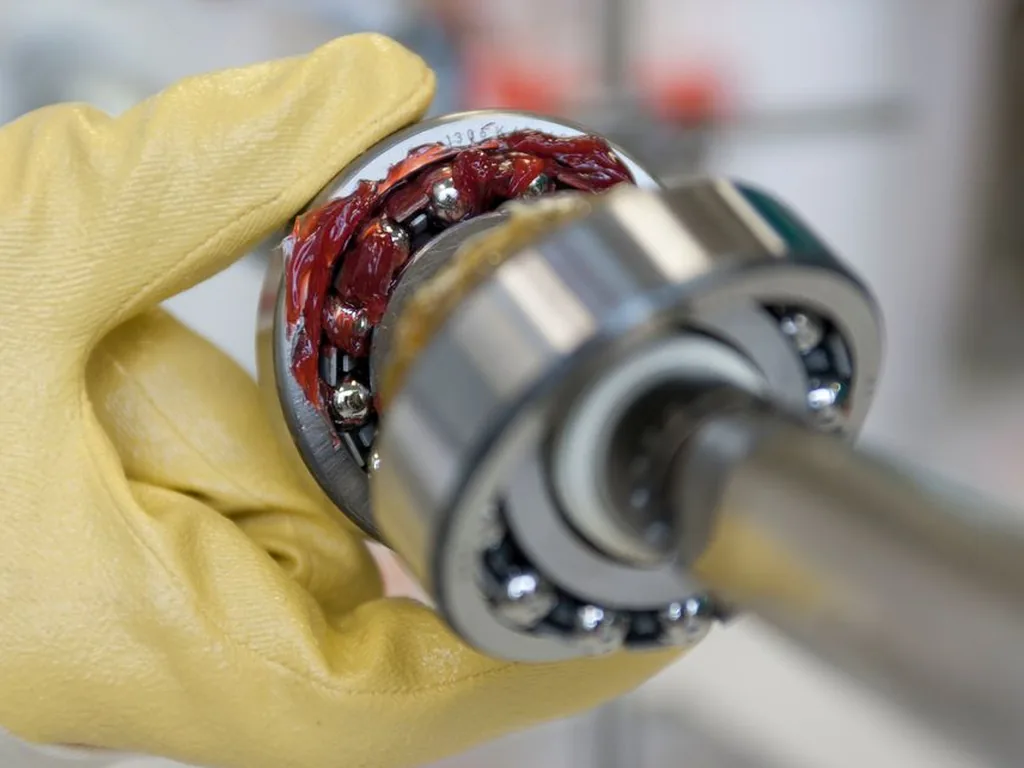
Pumps fail more than anything else and get less attention than anything else. Most pump failures are not poor build quality; they come from bad suction conditions or long periods running at low flow.
Prime and vent the pump properly. With air in the casing the impeller cannot build pressure, and a mechanical seal running dry can burn out in tens of seconds. Even with a self-priming device, confirm the liquid level is sufficient.
Jog the pump to confirm rotation direction. A reversed pump delivers little flow, vibrates heavily, and can loosen the impeller nut. On newly installed or overhauled pumps, always jog to check direction before the first start.
For centrifugal pumps, start against a closed discharge valve, then open slowly to the duty point; starting under load slams the motor current. Positive-displacement pumps (screw, gear) are the opposite — never start them against a closed valve.
 FIELD · SCHH-2026
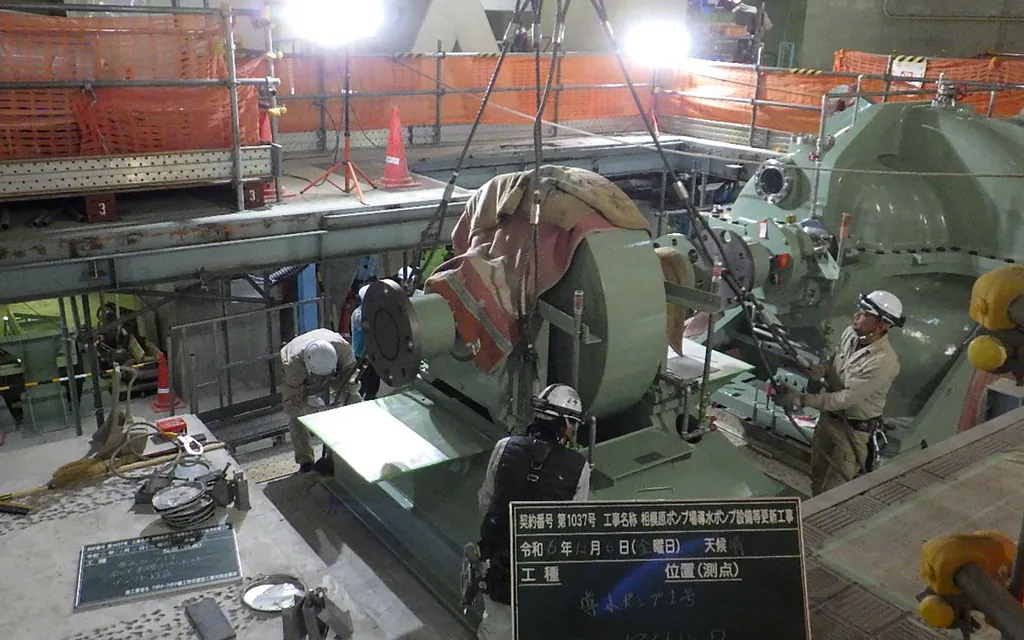
Long-running at low flow is a pump's worst enemy. Below 30% of rated flow, liquid recirculates inside the pump and heats up, and both cavitation and vibration worsen. If the process really needs low flow, add a recirculation line or a VFD — do not throttle it down with the discharge valve.
Cavitation has a classic sound: like gravel running through the pump, noisy, with discharge pressure fluctuating and current swinging. When you hear it, check the suction side first — level high enough, suction pipe clear, medium not too hot.
Mechanical seal leakage has a standard: up to 3–5 drops per minute is normal for general duty. A sudden increase, or leakage running in a stream, means the seal faces are already damaged — plan the replacement, do not wait for the seal to fail completely.
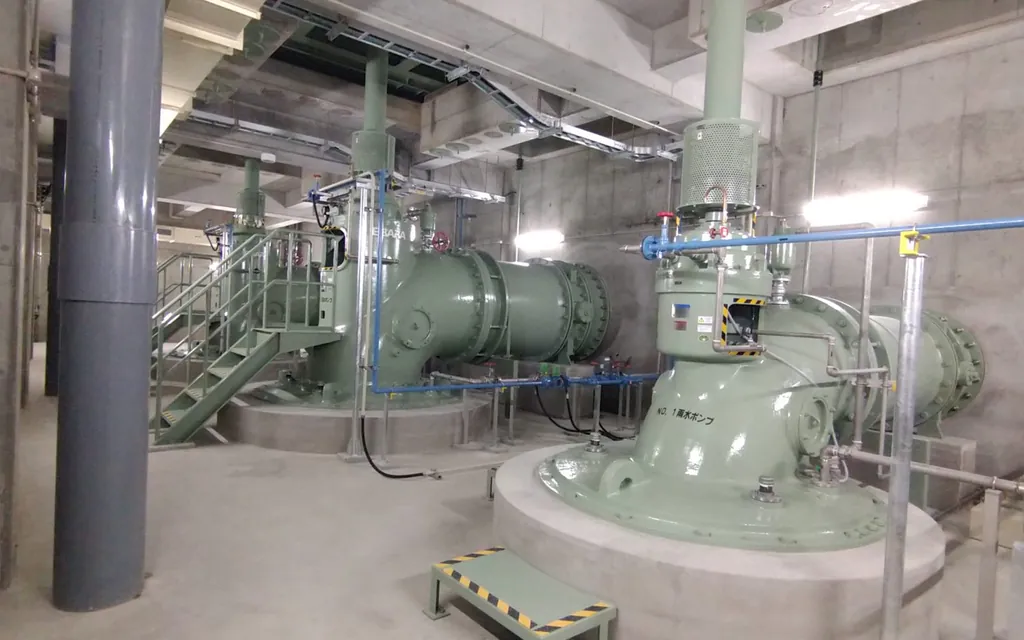
Log bearing temperature and vibration monthly and compare with history. The two bearing housings of a pump should not differ by more than 10 °C.
 FIELD · SCHH-2026
On oil-lubricated pumps keep the level at the centre line of the sight glass — never full. Overfilled oil churns, heats up, and gets squeezed out at the seals. Change the oil after the first 200 hours on a new pump, then on interval (typically 2000–4000 hours depending on duty).
On grease-lubricated pumps fill to the manufacturer's quantity — usually one third to one half of the bearing cavity. Filling it solid is just as wrong.
For seals with cooling or flush water (Plan 11/21/23/52 and the like), confirm the flush lines are clear and the flow is normal. Lose the flush and seal life collapses from thousands of hours to tens.
| Maintenance item | Interval | Method | Acceptance criteria |
|---|---|---|---|
| Priming, venting and rotation check | Before every start | Vent all air; jog to check direction | Casing full of liquid; rotation correct |
| Mechanical seal leakage observation | Every shift | Visual leakage check | <3–5 drops per minute |
| Bearing temperature and vibration | Monthly | IR thermometer, vibration pen | Bearing housing <80 °C; difference between the two housings <10 °C |
| Lube oil level and colour | Weekly | Visual check of the oil sight glass | Level at the centre line; oil colour normal |
| First oil change | After 200 running hours | Full change and tank flush | No metal flecks, no emulsification |
| Scheduled oil change | Every 2000–4000 hours | Interval set by duty | Oil analysis passes, or change on interval |
| Coupling alignment re-check | Annual | Dial indicator or laser alignment | Radial deviation <0.05 mm (speed-dependent) |
Break down the lifetime repair cost of a centrifugal pump and a counterintuitive distribution appears: the "big items" - casing and impeller - rarely fail, while the money is consumed by small items: mechanical seals, bearings and couplings. And eighty percent of those failures come from installation quality and deviation from design duty, not from poor component quality. That distribution decides where maintenance resources should go: watching the running conditions of seals and bearings is far more worthwhile than watching the casing.
The three great triggers of mechanical seal failure are dry running, cavitation and axial float. Dry running mostly happens when the pump is not primed before start or the supply is cut off; cavitation shock waves shatter the seal faces directly; axial float comes from impeller unbalance or bearing wear. All three give warning: a sudden increase in seal leakage, cracking noises and vibration at the casing, or fluctuating current. Put these three into daily inspection and seal life can be extended several times over.
Bearing failure triggers concentrate on lubrication and alignment. On lubrication, oil level too high is as harmful as too low - too high causes churning heat and oil emulsification, too low leaves an inadequate oil film. On alignment, misalignment between pump and motor loads extra radial force onto the bearings, which is the common reason newly replaced bearings fail within months. An alignment check costs half an hour of labor; a bearing costs thousands of yuan plus downtime. Every pump room should do that arithmetic clearly.
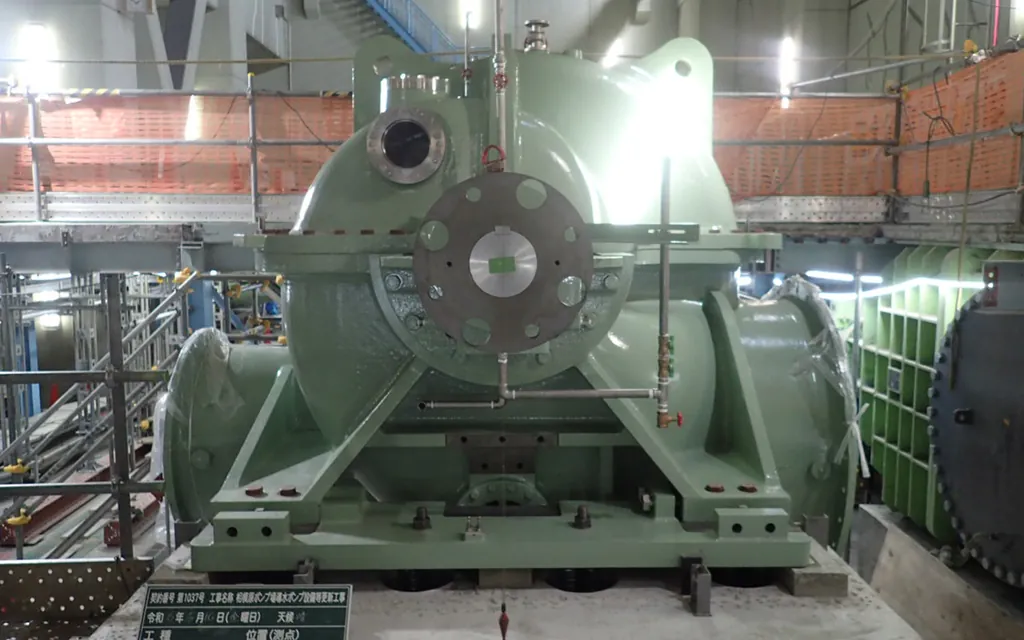
First separate hydraulic causes from operating causes. Hydraulic causes (high suction-line resistance, low liquid level, high medium temperature) are treated in the piping: shorten the suction line, reduce elbows and valves, increase pipe diameter, lower the medium temperature or raise the suction level. Operating causes (flow too high, off the design point) are treated in the duty: adjust valve opening or use VFD speed control to bring the duty point back into the allowable range. Fitting an inducer is an equipment-level option, suited to cases with limited room for modification. The basis for judgment is comparing measured against calculated NPSH - a step that needs a professional.
 FIELD · SCHH-2026
By medium and leakage requirements: toxic, flammable or valuable media must use a mechanical seal (leakage is minimal); for slurries heavy in solids, where mechanical seal faces wear quickly, choose a slurry-pump-specific seal or a back-vane plus packing combination; for clean water and general media either works - a mechanical seal needs less frequent maintenance but costs more per event, while packing is cheap but needs periodic tightening and leaks more. A further consideration is your own maintenance capability: mechanical seals demand high installation precision, and a poorly installed seal lasts less time than packing.
The design principle for an inspection card is "completable in ten minutes, every item judgeable". We suggest four groups with three to four items each: running parameters, leakage condition, vibration and temperature, and lubrication condition. Running parameters: current, suction and discharge pressure, and flow, compared against design values. Leakage: drip rate at the seal - a mechanical seal allows slight weeping, but a streaming flow is abnormal. Vibration and temperature: by hand plus simple instruments, at comparable points. Lubrication: oil level, oil color, and any sign of emulsification.
Inspection frequency follows pump criticality: critical pumps in continuous service, once per shift; standby and intermittent pumps, once a week; pumps out of service long-term, once a month for appearance and turning. Turning is easily overlooked - rotating an idle pump by hand a few turns each month prevents bearing brinelling and seal sticking, and it is a zero-cost maintenance action.
Be clear about where inspection records go: anomalies reported within the shift, data rolled up monthly into a trend sheet, and the trend sheet reviewed at the equipment meeting. An inspection card that is filled in but never read does not survive three months - true for every equipment class, and especially visible in pump rooms, because pumps degrade fast and once the data gap widens the trend disappears.
 FIELD · SCHH-2026
This article was written in-house by the Industrial Equipment Services Division. The thresholds, intervals and scrap criteria are field-experience values; in practice follow the equipment manufacturer's technical documents, current national standards and special-equipment safety regulations. Inspection and testing of special equipment (cranes, pressure vessels, etc.) must be carried out by a qualified body.
Send us your equipment list and operating conditions, and we will give you a workable inspection and maintenance standard.
 Scan to add Engineer Man on WeChat
 Guangzhou Yujihang Computer Technology Co., Ltd. · www.accpc.com.cn
 Guangzhou Henghuan Technology Co., Ltd. · www.hhrobotics.cn
 Nanchong Henghuan Robotics Co., Ltd. · www.hhrobots.cn