
Pumps, fans and compressors are the most numerous and the most easily mistreated machines in a plant. Their failures share common causes: lubrication, alignment, sealing and suction conditions.
Each guide is organised in three parts — daily care points, periodic maintenance table, common mistakes — so you can put it to use as is.
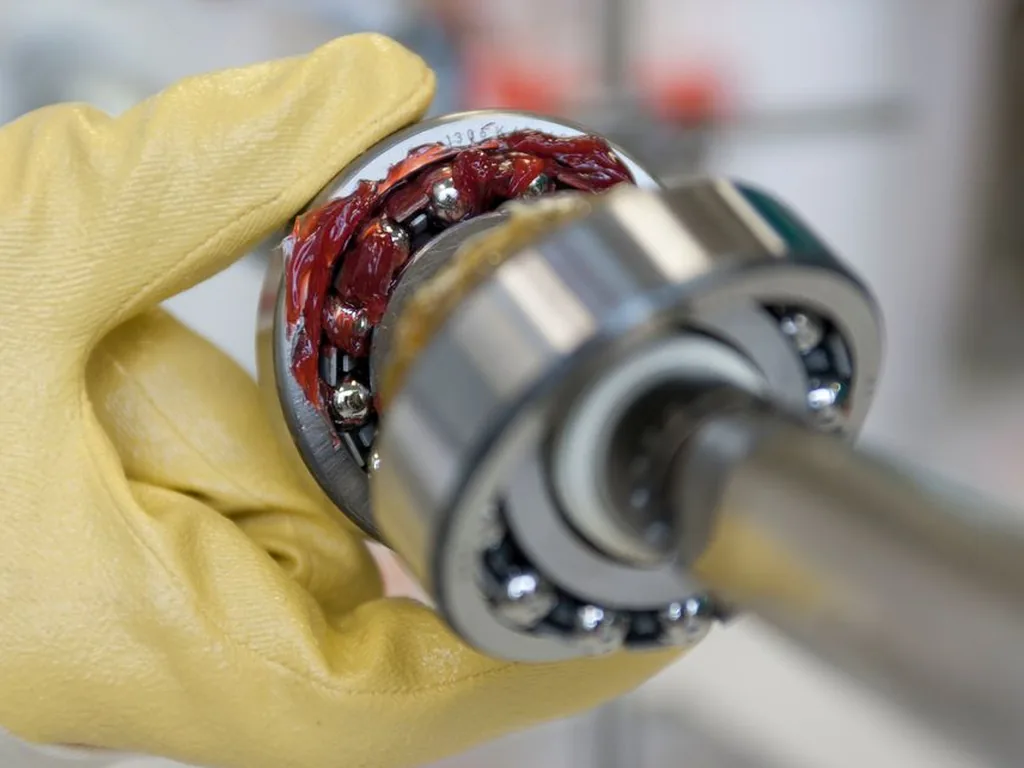
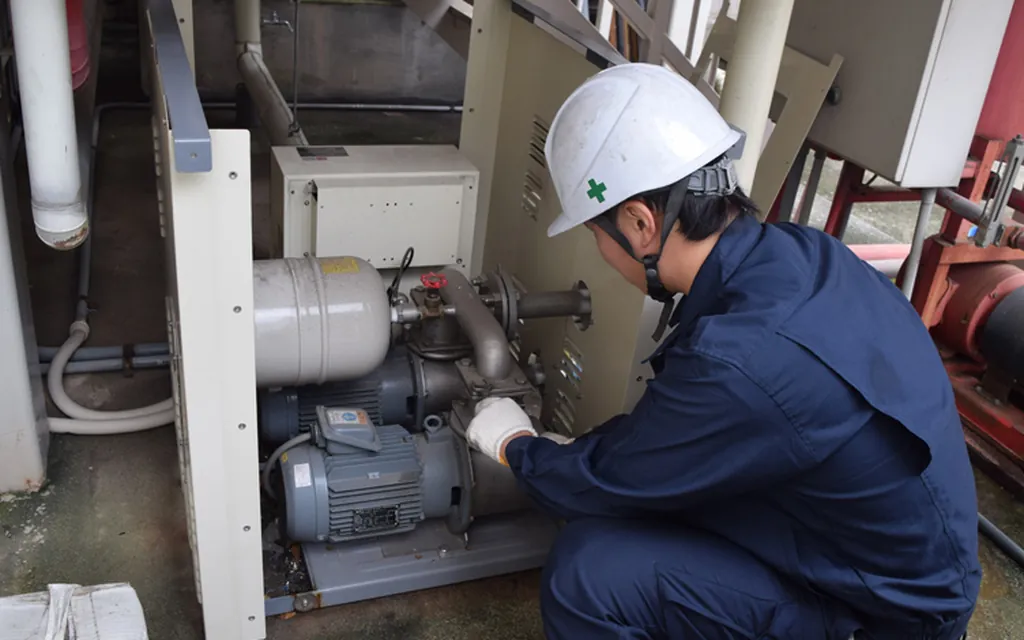
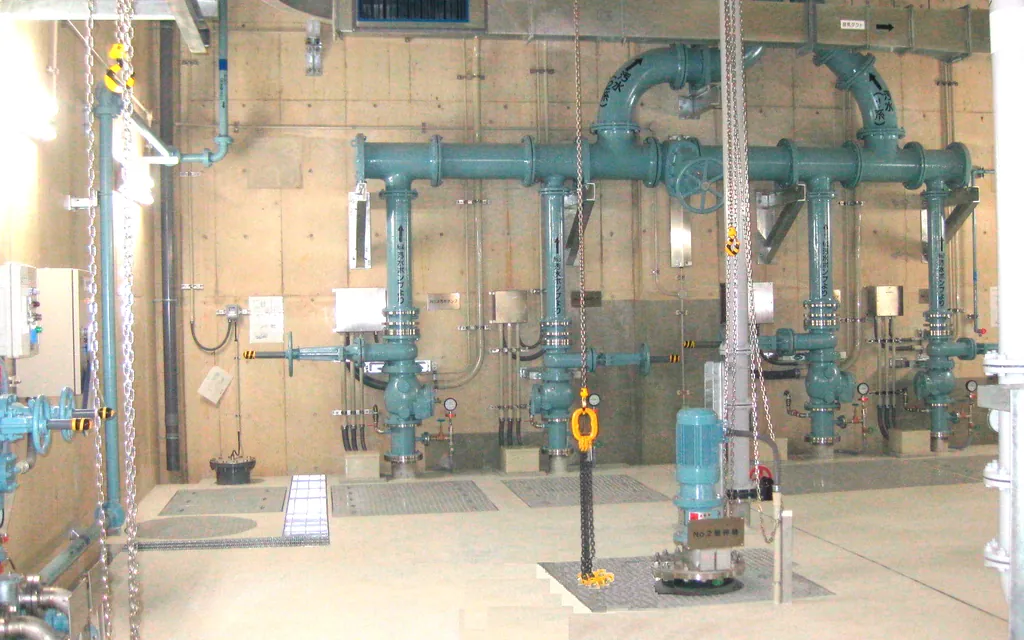
Pumps fail more than anything else and get less attention than anything else. Most pump failures are not poor build quality; they come from bad suction conditions or long periods running at low flow.
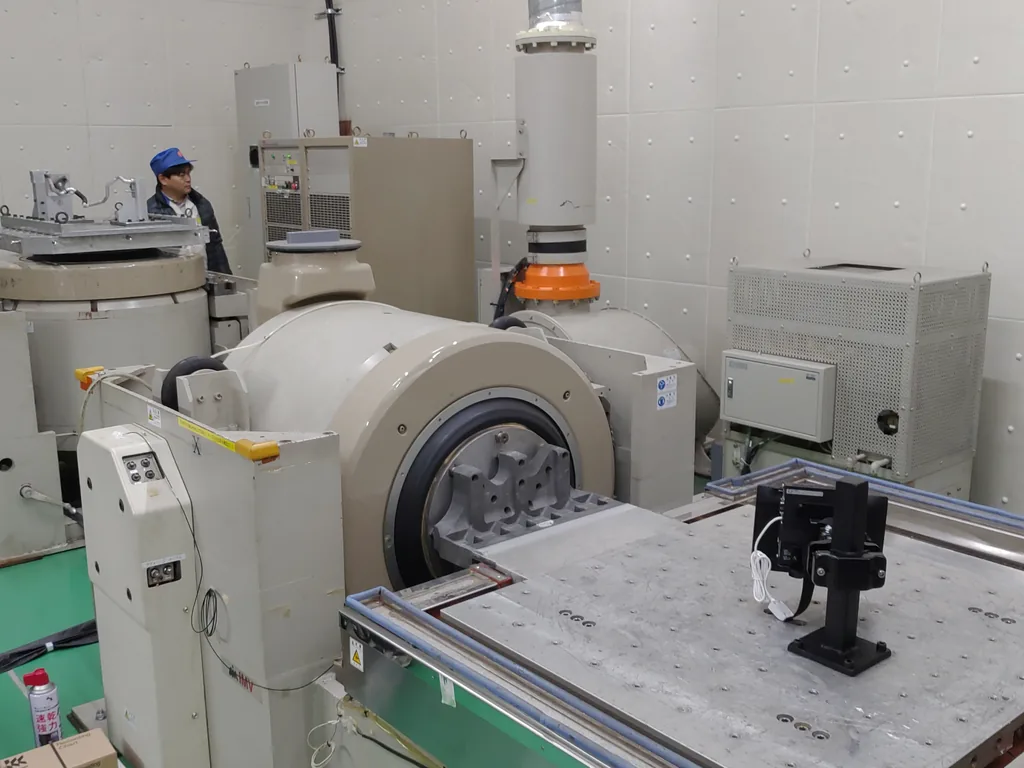
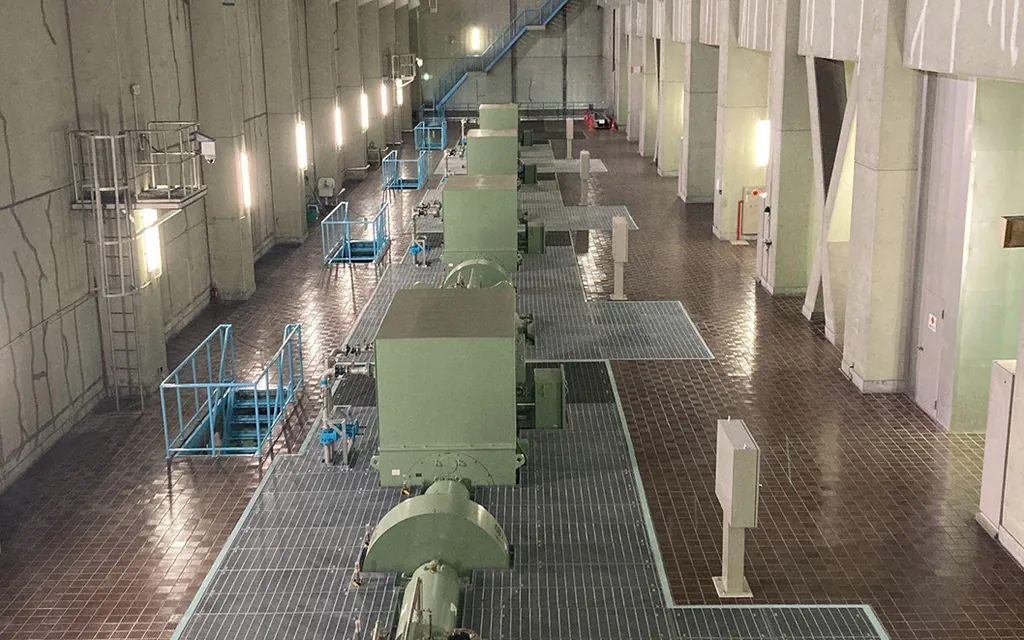
Half of fan vibration problems come from dust build-up on the impeller upsetting the balance, and half from the bearings. Both have straightforward daily care routines — the point is not to wait until the vibration is already bad.
Air compressors are among the biggest electricity users in a plant; power usually accounts for over seventy per cent of their whole-life cost. Good care saves energy as a by-product. Without it you get high-temperature trips first, then higher consumption.
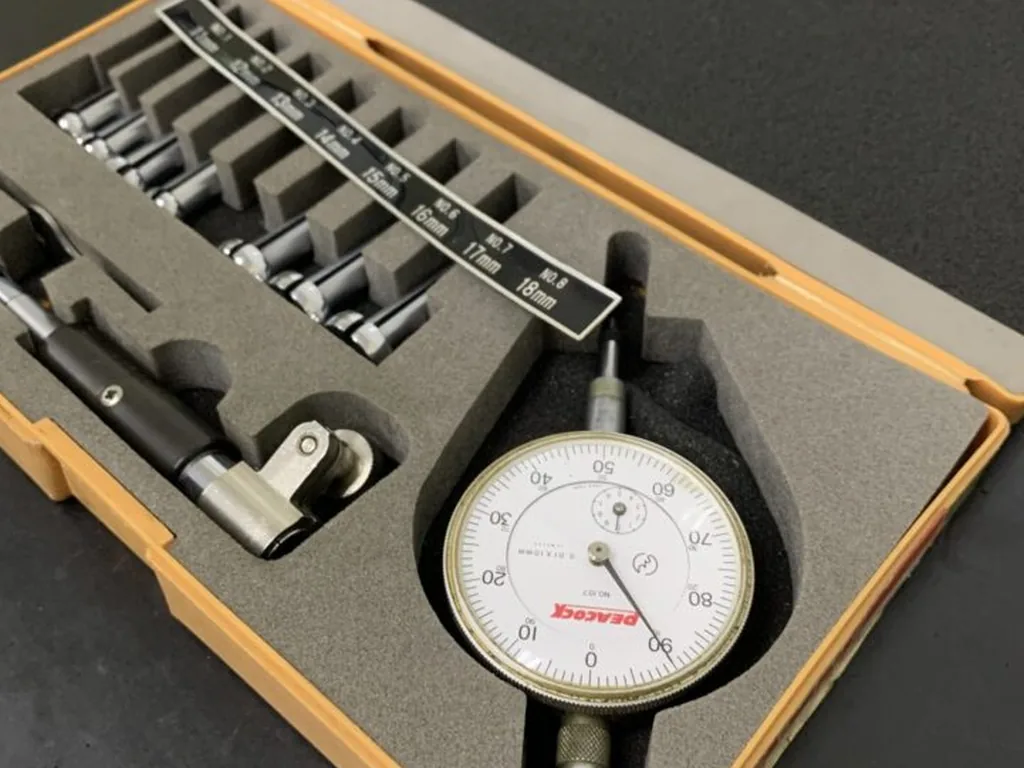
Misalignment has a familiar set of consequences: early bearing failure, shattered coupling elements, loose holding-down bolts, rising vibration, leaking mechanical seals. Alignment itself costs very little; most people simply do not do it.
Pumps, fans and compressors are the most numerous rotating machines in a plant and the class with the clearest fault patterns: unbalance, misalignment, bearing degradation and lubrication failure - these four causes account for the overwhelming majority of rotating-machinery faults, and each has a signature in vibration and temperature data. That makes rotating machinery the best-suited equipment for condition-based maintenance - the data can give warning weeks to months ahead.
The care logic for this category is "alignment as the foundation, lubrication as the lifeline, monitoring as the early warning": get alignment right at installation and overhaul, keep the oil grade and level right in operation, and run periodic vibration testing on critical machines. The four articles cover centrifugal pumps, fans, air compressors and coupling alignment, giving executable criteria from daily inspection to professional testing.
 FIELD · SCHH-2026
 FIELD · SCHH-2026
 FIELD · SCHH-2026
It depends on the equipment class: class-A critical machines (those whose stoppage halts production) are worth on-line monitoring or weekly rounds; for class-B/C machines a portable vibration meter once a month is enough, and even a phone vibration app to screen trends is a workable low-budget option. An on-line system is not the necessity - trend data is. Getting comparable data by the cheapest means matters more than piling on hardware.
Work it out as "downtime loss versus spares capital": consumables such as mechanical seals and bearings are kept stocked through their life cycles; complete spare machines are configured only for critical positions that cannot stop (such as a duty-standby sewage lift pump); long-lead items (imported pump shafts, special impellers) are stocked even if unbroken, because waiting for procurement costs more than the spare.
The value-for-money champions of rotating-machinery care are three small things: re-measuring alignment (mandatory after every overhaul - one alignment job's labour costs less than a tenth of a bearing), visual oil samples (a monthly sample checked for discolouration, emulsification and contamination - zero-cost condition monitoring), and temperature and vibration trend records (same points, same method, so the data is comparable). In many plants pumps and fans fail fast not because the equipment is poor but because nobody does these three things. One more lesson: rotating-machinery faults rarely strike suddenly - the vast majority give days to weeks of warning in noise, temperature rise and vibration. Writing "any abnormal sound must be recorded and reported" into the crew's rules works before any on-line monitoring system does.
This section was written in-house by the Industrial Equipment Services Division. Thresholds and intervals are field-experience values; in practice follow the equipment manufacturer's technical documents and current national standards.
Send us your equipment list and we will specify inspection items, intervals and acceptance criteria for your operating conditions.
 Scan to add Engineer Man on WeChat
 Guangzhou Yujihang Computer Technology Co., Ltd. · www.accpc.com.cn
 Guangzhou Henghuan Technology Co., Ltd. · www.hhrobotics.cn
 Nanchong Henghuan Robotics Co., Ltd. · www.hhrobots.cn