Crane maintenance has to be coordinated with production for downtime windows. Monthly work can fit into shift-change gaps; annual overhaul needs a proper shutdown. Knowing what can be done live and what cannot is the key to scheduling.
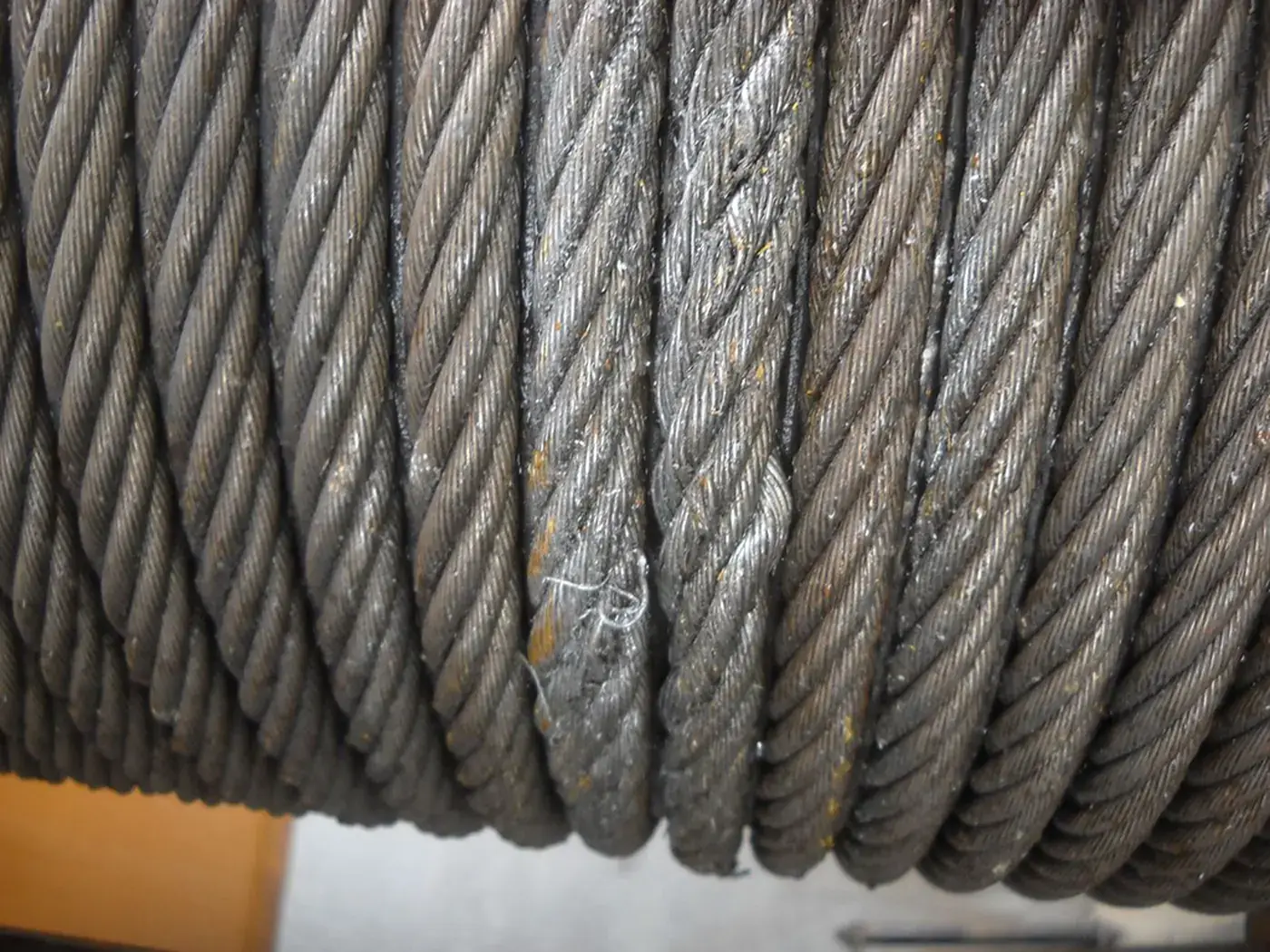
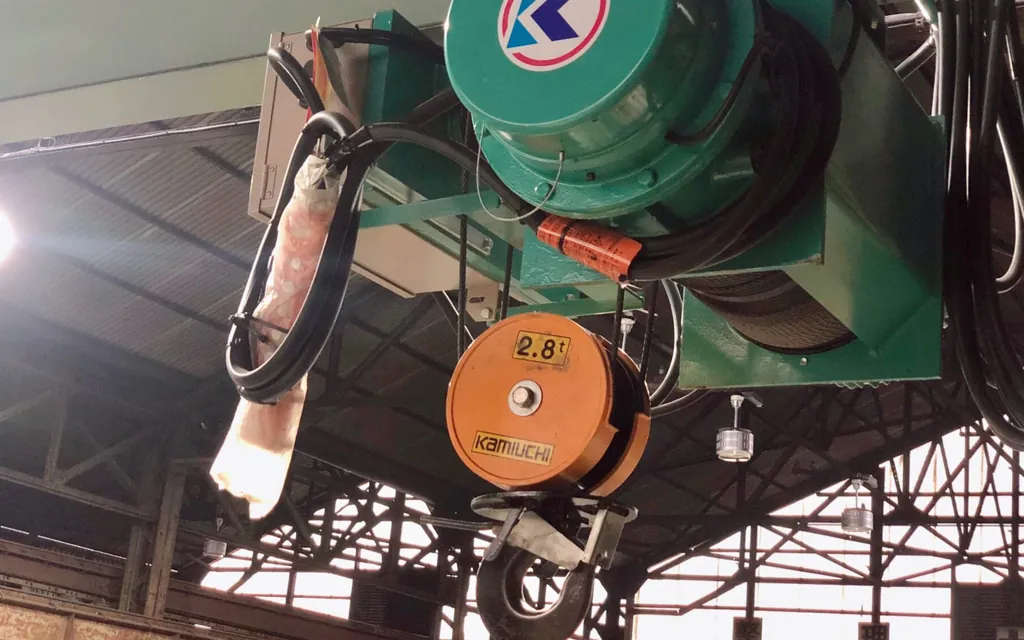
Mechanical: wire rope lubrication and wear check; every brake's clearance and wear; coupling bolts and flexible elements; gearbox and open-gear lubrication; wheel and rail wear; regreasing at every point.
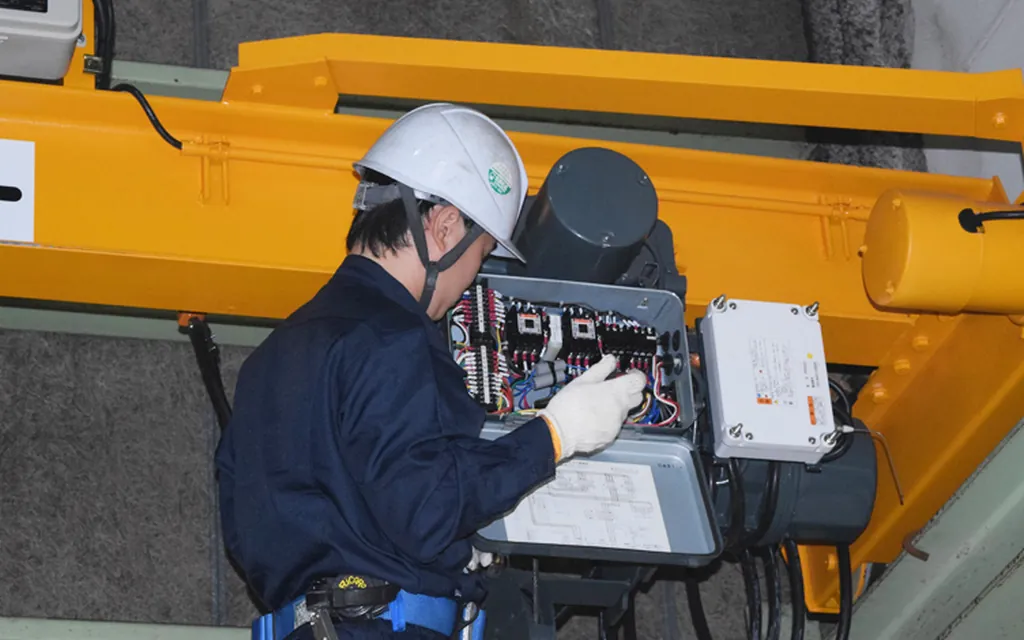
Electrical: terminal tightening; carbon brushes and collectors; function test of every limit switch; motor temperature rise and abnormal noise; control cabinet cleaning.
Structural: girder-to-end-carriage connection bolts; handrails and walkways; visual weld inspection (focus on signs of cracking at stress concentrations).
The heart of monthly maintenance is watching trends: record every check and compare with last month. Wear, clearance, vibration, temperature — the trend matters more than any single reading.
 FIELD · SCHH-2026
The annual overhaul covers what monthly maintenance cannot: whole wire-rope replacement (by wear condition); brake strip-down; wheel-tread measurement and replacement assessment; gearbox opened for inspection; girder camber and lateral bow measurement; weld flaw detection at critical points; and full electrical testing with protection calibration.
Timing: fit it into a production lull or a planned shutdown, generally 3–7 days depending on condition and workload. Fix the work list, gather spares and assign the crew a month ahead.
Pre-overhaul accuracy measurement matters: girder camber (a bridge crane girder should camber up, generally about 1/1000 of the span), lateral bow, wheel-span deviation, and rail level and span. These figures decide whether the overhaul needs structural correction.
A load test is mandatory after the overhaul: no-load, rated load, static (1.25× rated) and dynamic (1.1× rated), carried out and recorded per procedure. It is a required part of overhaul acceptance.
 FIELD · SCHH-2026
A crane has many lubrication points: wheel bearings, drum bearings, sheave bearings, each gearbox, open gears, brake pivot points, the wire rope. Keep a lubrication chart showing lubricant type, quantity, interval and owner for every point.
Open-gear lubrication is easily overlooked. Open gears need a dedicated open-gear grease (good adhesion), applied regularly; running dry sharply increases tooth-flank wear.
Grade spares by criticality: keep a standing stock of the wear items that affect safety — wire rope, brake rings, carbon brushes, limit switches, contactors; order the big items (wheels, drums, gearboxes) ahead based on condition assessment, since their lead times are long.
For wire-rope spares, note: same specification, same length, same lay direction, and order ahead (cut-to-length rope can take weeks to deliver). Ordering after it breaks is too late.
A crane is special equipment requiring periodic inspection by law (bridge and gantry cranes generally every 2 years; follow local rules). Best to dovetail the annual overhaul with statutory inspection: apply for inspection after the overhaul, and return to service once it passes — avoiding two separate shutdowns.
Self-inspect before the official inspection: go through what the inspection body will check (safety devices, wire rope, brakes, structure, electrics, documentation) and fold any problems into the overhaul.
Keep the technical file complete: factory documents, installation records, past inspection reports, overhaul and modification records, and daily inspection logs. Missing documents hurt the inspection and signal weak management.
Operators must be certified (crane operator certificate) with a valid, in-date certificate. This is not a technical matter but a legal baseline, and it is always checked.
| Maintenance item | Interval | Method | Acceptance criteria |
|---|---|---|---|
| Monthly maintenance | Monthly (using gaps) | Full mechanical / electrical / structural check | Record data and compare trends |
| Lubrication chart execution | Per the chart interval | Grease each point; log and sign | Every point in position |
| Annual overhaul | Yearly (in the lull) | Strip-down, replacement, accuracy measurement, flaw detection | Whole work list completed |
| Post-overhaul load test | After the overhaul | No-load / rated / static 1.25× / dynamic 1.1× | Passes per procedure and is recorded |
| Statutory periodic inspection | Per rules (generally 2 years) | Carried out by a qualified body | Passes; report obtained |
| Wire rope condition assessment | Detailed monthly inspection | Broken wires, wear, deformation | Below discard limit; plan replacement at it |
| Critical spares stock review | Quarterly | Wire rope, brake rings, carbon brushes, limit switches | Standing stock in hand; big items ordered ahead |
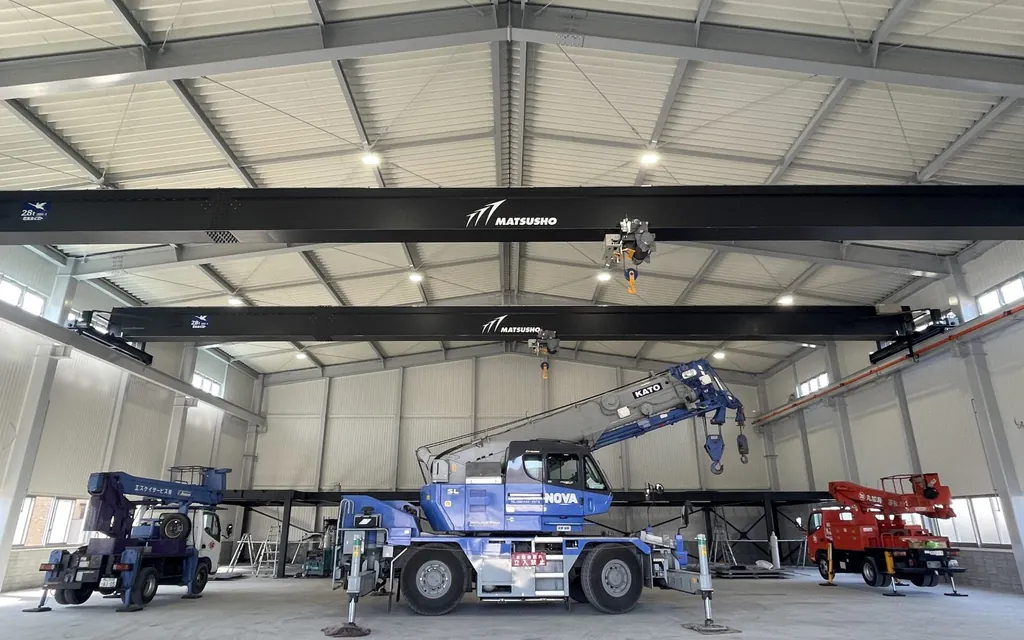
Overhaul scheduling for cranes is more complex than for general equipment, because it directly affects shop logistics and production: with one overhead crane down for overhaul, lifting inside the bay has to fall back on other equipment or manual handling. So the first step of scheduling is not listing work items but assessing the impact: how will production be organised while this machine is down, is there a fallback, and can the work fit a shutdown window or holiday? Most plants schedule major overhauls in the annual shutdown period, and monthly checks and routine maintenance in gaps between shifts or at weekends.
The scope is set from three groups of data: the statutory inspection requirements and the findings list from inspection reports (compliance items are mandatory and top priority); the abnormality trends in daily and monthly inspection records (repair where the data points, rather than spreading effort evenly); and the equipment's running hours and duty class (following the manufacturer's recommended overhaul intervals and items, adjusted for actual duty). Put the three together and the work list has a basis - it is targeted overhaul, not 'strip everything and have a look'. This data-driven scheduling shortens the overhaul period and also avoids over-maintenance: opening up components in good condition introduces risk rather than removing it.
There are four keys to organising the overhaul: first, order spares and tooling ahead - long lead items (wire rope, brakes, wheels, gearbox spares) ordered a full cycle in advance and received and checked before the work window opens; second, safety isolation first - lockout/tagout, warning barriers and anti-drift measures for the work area confirmed before any work starts; third, specialist division of labour - mechanical, electrical and rope replacement work done by experienced teams, because dismantling and reassembly of lifting equipment follows specific techniques; fourth, acceptance testing - after the overhaul, function tests and load tests (as specified) are mandatory, data recorded and filed, and the crane returns to service only when it passes. An overhaul that skips testing to beat the schedule simply hands the risk over to production.
Monthly maintenance is condition upkeep: inspection, cleaning, lubrication, tightening and adjustment, plus necessary wearing part replacement (brake linings, carbon brushes, rope dressing) - typically half a day to a day per overhead crane, fitted into gaps so production is unaffected. The annual inspection is more comprehensive: insulation and earthing tests, protective device calibration, structural checks and load testing where required - one to two days. Overhaul duration depends on scope: rope replacement one to two days; brake overhaul one day; gearbox strip-down three to five days; a full crane overhaul (including structural work) one to several weeks, normally placed in a shutdown window. These are the usual orders of magnitude; the exact figures are worked out from equipment condition and the work list - when we prepare an overhaul plan we provide a duration schedule by work item and the shutdown requirement, so you can plan production ahead.
 FIELD · SCHH-2026
Five preparations: first, complete documentation - the safety technical file (use registration certificate, last inspection report and rectification reply, daily and monthly inspection records, overhaul and replacement records, operator certificates) organised and ready for review; second, self-inspection and rectification - go through the items of the inspection code yourself first and fix what you find ahead of time, and in particular the safety devices (limits, overload limiter, emergency stop, hook latch) must all work; third, cleanliness and access - the inspector must reach every inspection point, so walkways, handrails and lighting must be sound and equipment surfaces clean; fourth, support staff and test conditions - inspection includes no-load and load tests, so prepare a test load (or metrologically verified weights) and operators; fifth, downtime planning - the equipment is out of service during inspection, so coordinate with production in advance. Our service includes a pre-inspection survey: we check every item against the inspection code and issue a survey report and rectification list, resolving problems before the formal inspection and markedly raising the first-time pass rate.
Overhaul scoping falls into two opposite traps: 'do everything' - stripping and replacing every component, doubling both budget and duration; and 'fix only what broke' - dealing with the immediate fault and leaving hidden defects in the system. The correct method is to decide from condition assessment and sort components into three groups. Group one must be replaced: items at discard criteria (wire rope, hook, brake linings, wheels worn beyond limits), aged or failed items (cables, limit switches, electrical components past their service life), and cracked structural members and shafts. Group two is repaired and kept: gearboxes with light tooth wear (repair or adjustment), rails with local damage (local treatment), and structural members repairable to a qualified procedure. Group three is left untouched: components in good condition with normal test data, where opening them up only adds risk.
The classification rests on inspection data: dimensional measurement (wear and deformation), NDT (flaw detection of critical welds and shafts), electrical testing (insulation, earthing, protection functions) and performance tests (brake slip, mechanism running condition). With complete data the classification has a basis; without it you can only guess from experience. That is why we insist on a full condition survey before overhaul - survey cost is a small fraction of overhaul cost, yet it avoids both kinds of waste: replacing what did not need replacing (money thrown away) and keeping what should have been replaced (defects left in).
The overhaul plan should also consider upgrade items: completing the safety devices (retrofitting an overload limiter or hook latch), drive system conversion (contactor control to VFD, improving shock and speed control), and protection upgrades (checking walkway handrails, lighting and warning signs against current standards). Upgrades are not mandatory, but the overhaul window is the best moment for them - the machine is down anyway, and doing them in one pass saves a separate shutdown. We list upgrade items separately with an investment-versus-benefit note so you can decide; we do not bundle them into the quoted price.
 FIELD · SCHH-2026
This article was written in-house by the Industrial Equipment Services Division. The thresholds, intervals and scrap criteria are field-experience values; in practice follow the equipment manufacturer's technical documents, current national standards and special-equipment safety regulations. Inspection and testing of special equipment (cranes, pressure vessels, etc.) must be carried out by a qualified body.
Send us your equipment list and operating conditions, and we will give you a workable inspection and maintenance standard.
 Scan to add Engineer Man on WeChat
 Guangzhou Yujihang Computer Technology Co., Ltd. · www.accpc.com.cn
 Guangzhou Henghuan Technology Co., Ltd. · www.hhrobotics.cn
 Nanchong Henghuan Robotics Co., Ltd. · www.hhrobots.cn