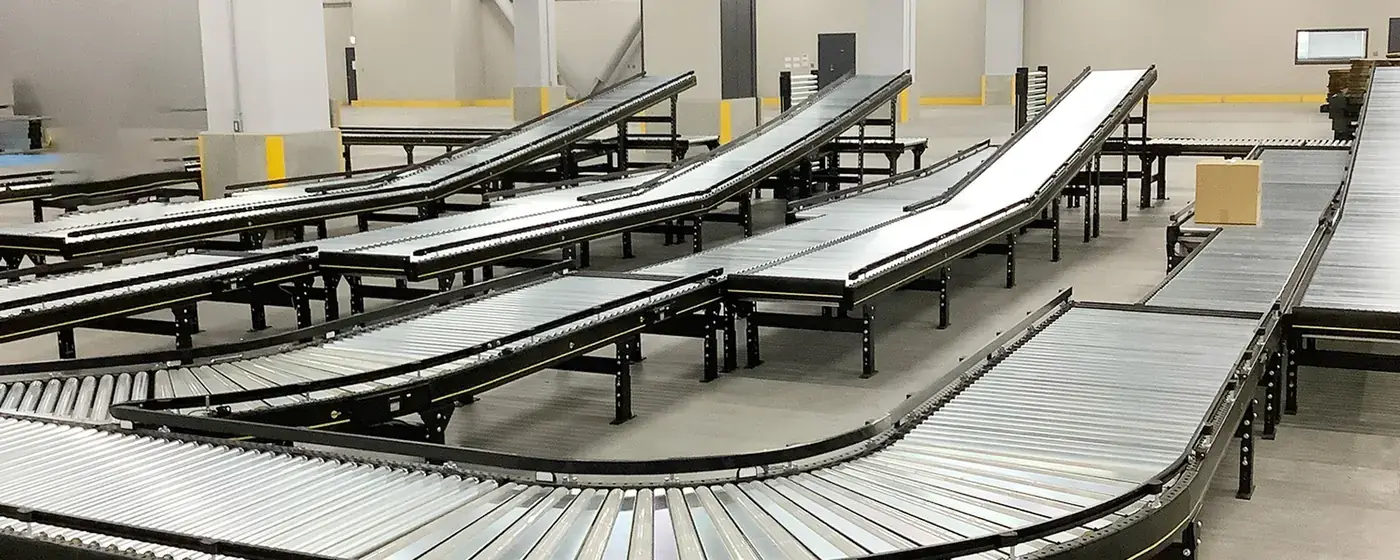
Lifting equipment involves personal safety, so care standards are stricter than for ordinary plant. Wire rope, brake and limit switches: none of the three can be allowed to slide.
Each guide is organised in three parts — daily care points, periodic maintenance table, common mistakes — so you can put it to use as is.
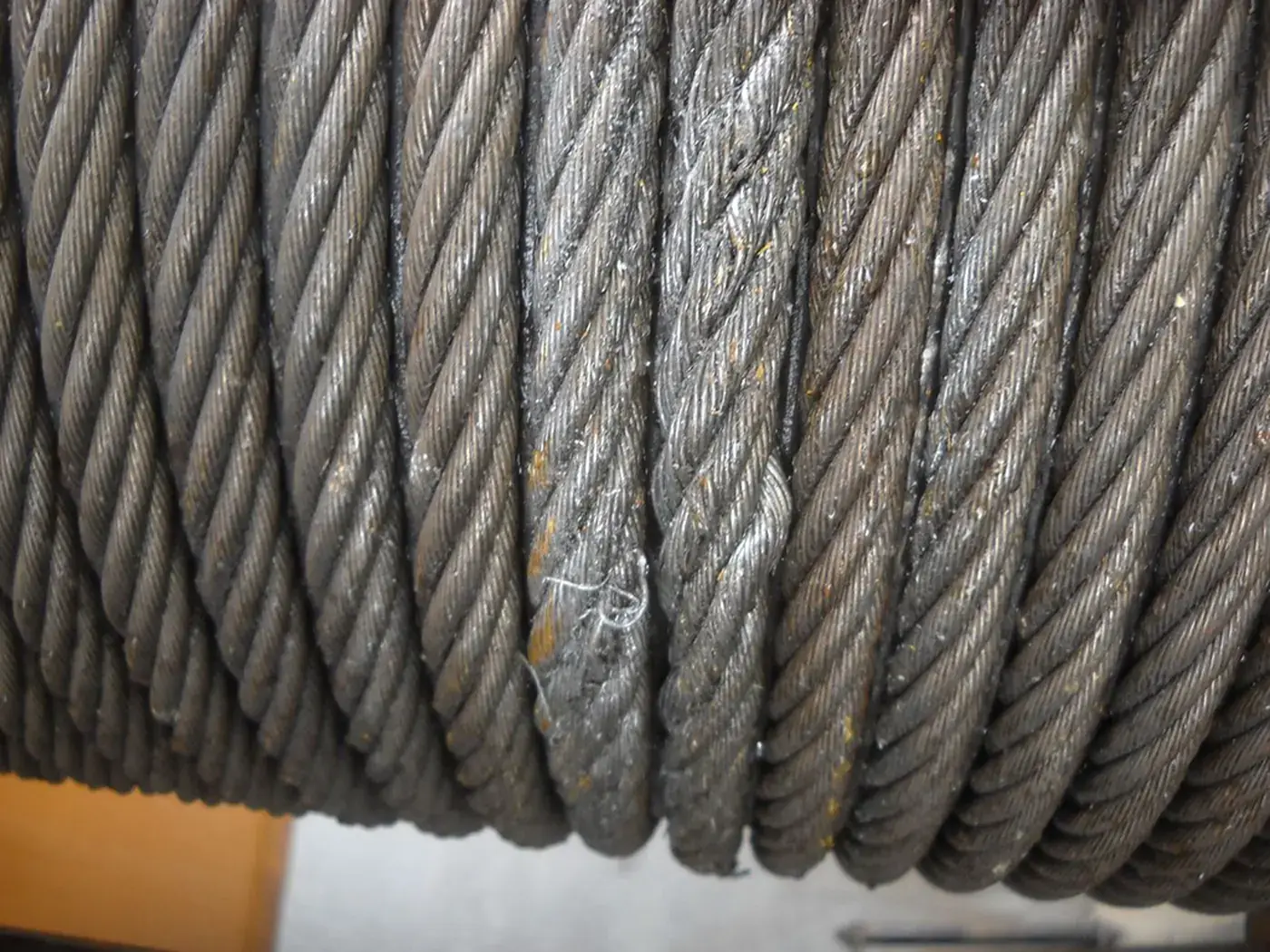
Crane inspection has both regulatory requirements and technical essentials. The regulations are the floor (periodic statutory inspection, certified operators); the technical essentials mean finding the hazards before the inspection does.
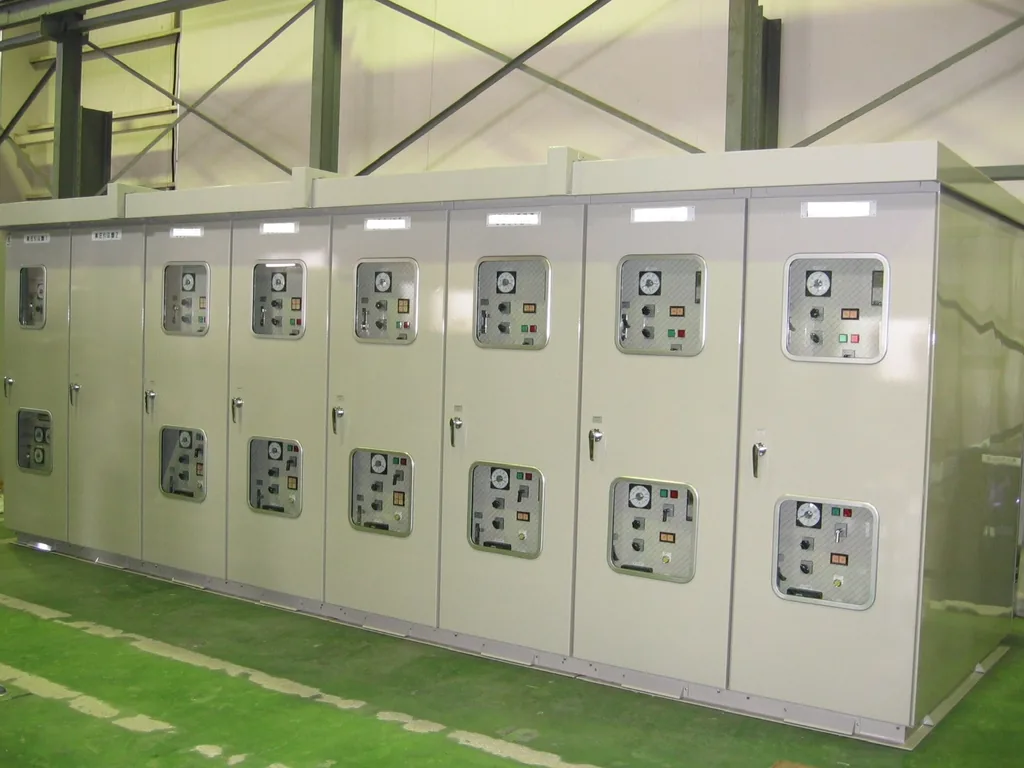
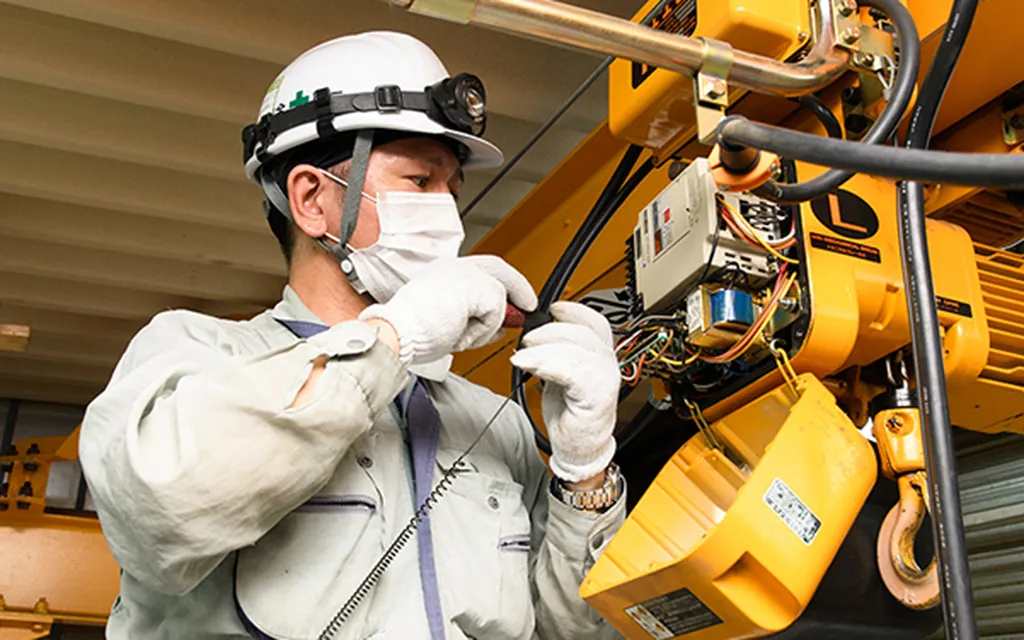
Crane electrics differ from ordinary plant: heavy vibration, frequent start-stop duty and energy regeneration. Those features set the care priorities — fastenings, conductor rails, braking resistors and protection functions.
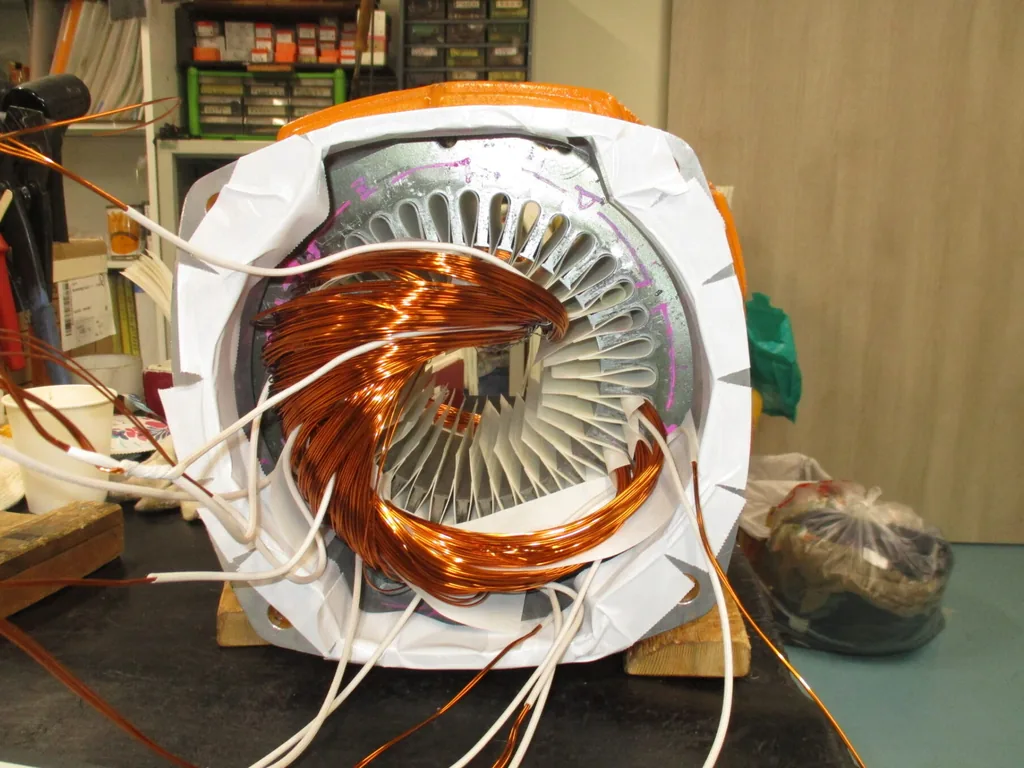
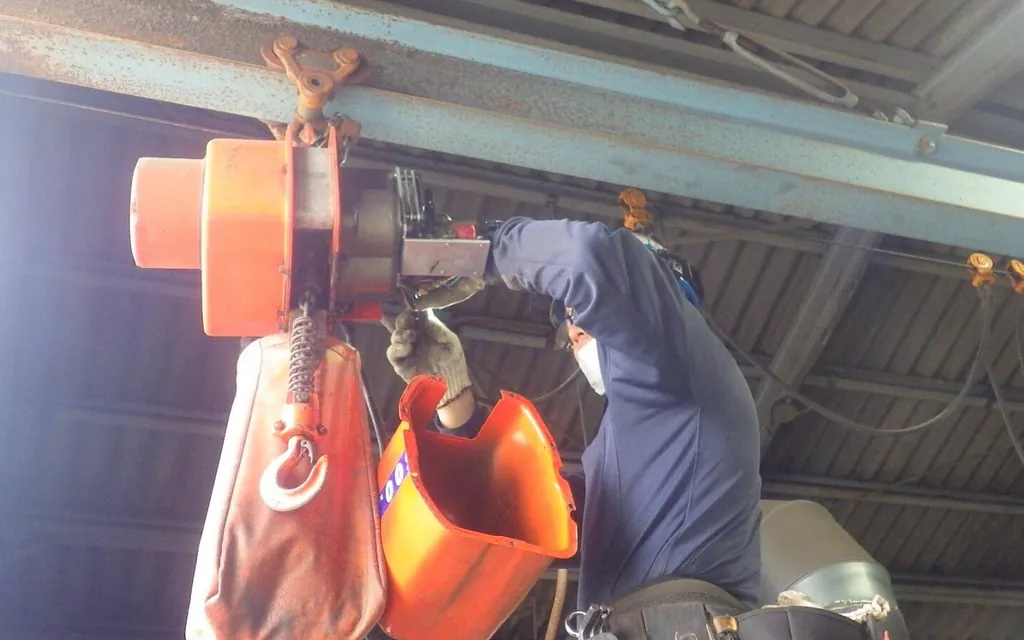
Electric hoists are the most numerous and most used lifting equipment in a plant, and usually the least looked after. Many are only remembered once the wire rope is a bird's nest and the brake is slipping — by then the cost has doubled.

Crane maintenance has to be coordinated with production for downtime windows. Monthly work can fit into shift-change gaps; annual overhaul needs a proper shutdown. Knowing what can be done live and what cannot is the key to scheduling.
Lifting equipment carries the heaviest safety weight in any plant: it moves heavy loads over people's heads year-round, and broken wire rope strands, brake failure or limit-switch failure - any one of them - means an accident, not just a stoppage. Maintenance of lifting equipment is therefore first a compliance matter: periodic statutory inspection is a legal requirement, and daily checks are the safety baseline.
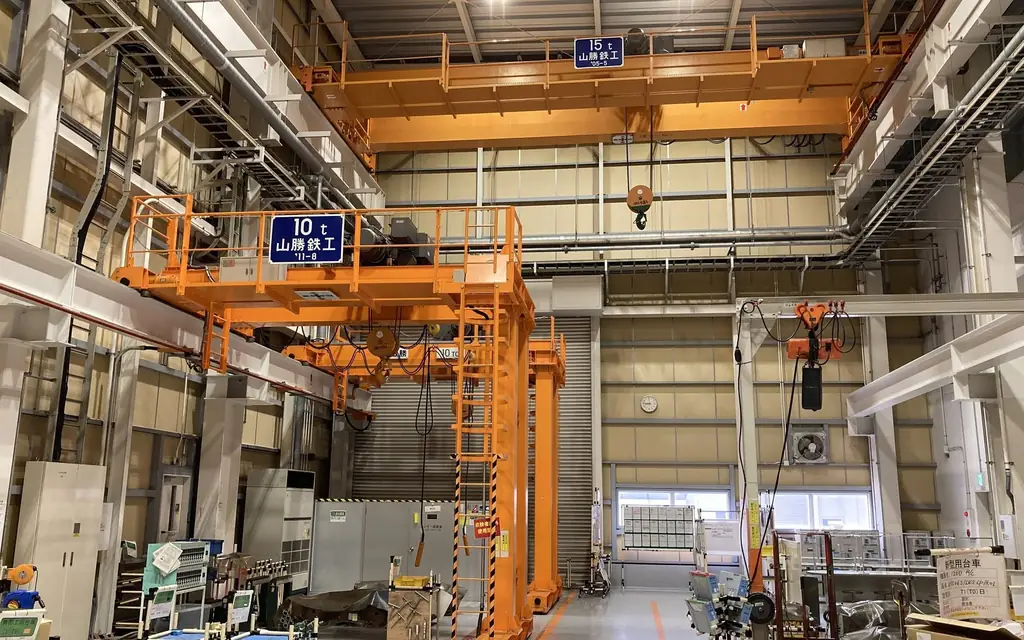
The maintenance logic for this category is "safety parts checked daily, structural parts inspected monthly, statutory inspection cycles kept": someone looks at the wire rope, hook and brakes every day; runway structure and electrics are recorded monthly; and statutory inspection is booked proactively before the due date. The four articles in this category cover periodic inspection of bridge cranes, electrics and VFD drives, electric hoists, and monthly/annual overhaul scheduling.
 FIELD · SCHH-2026
 FIELD · SCHH-2026
 FIELD · SCHH-2026
On two levels: the operator does a pre-shift check (brakes, limits, wire-rope appearance, unusual noises) within ten minutes; the professional monthly inspection - measurements, flaw detection, electrical tests - is handled by your equipment management staff or by us. The pre-shift checklist is designed as part of our system delivery, with acceptance criteria written in language the operator understands.
It depends on the condition of the structure and mechanisms: where the girder shows no out-of-limit deformation and no crack propagation in the welds, a mechanical overhaul plus electrical retrofit can keep the crane in service at far less cost than replacement. Where fatigue damage to structural members is clear, it should be scrapped - the safety margin of lifting equipment is not negotiable. We have performed many old-crane assessments, and every conclusion rests on inspection data: if it can be repaired we save you money, and if it must be replaced we say so plainly.
There is no elasticity in lifting-equipment maintenance - the discard criteria for safety parts are hard lines. When broken wire strands reach the limit or brake slip exceeds spec, there is no room for "let's use it a while longer". That is not conservatism; it is the nature of this equipment. Only three points are stressed here. First, the quality of pre-shift checks depends on checklist design: write the criteria so the operator understands them (strand counts you can see at a glance, slip measured against scribed reference lines), or the check degenerates into signing. Second, statutory inspection is not a burden but a free third-party physical - the issue list in the inspection report is the best rectification priority table there is. Third, decide an old crane's fate with inspection data; where the girder and welds are in good shape, overhaul-and-continue is entirely viable. Don't let the equipment's age speak in place of the data.
This section was written in-house by the Industrial Equipment Services Division. Thresholds and intervals are field-experience values; in practice follow the equipment manufacturer's technical documents and current national standards.
Send us your equipment list and we will specify inspection items, intervals and acceptance criteria for your operating conditions.
 Scan to add Engineer Man on WeChat
 Guangzhou Yujihang Computer Technology Co., Ltd. · www.accpc.com.cn
 Guangzhou Henghuan Technology Co., Ltd. · www.hhrobotics.cn
 Nanchong Henghuan Robotics Co., Ltd. · www.hhrobots.cn