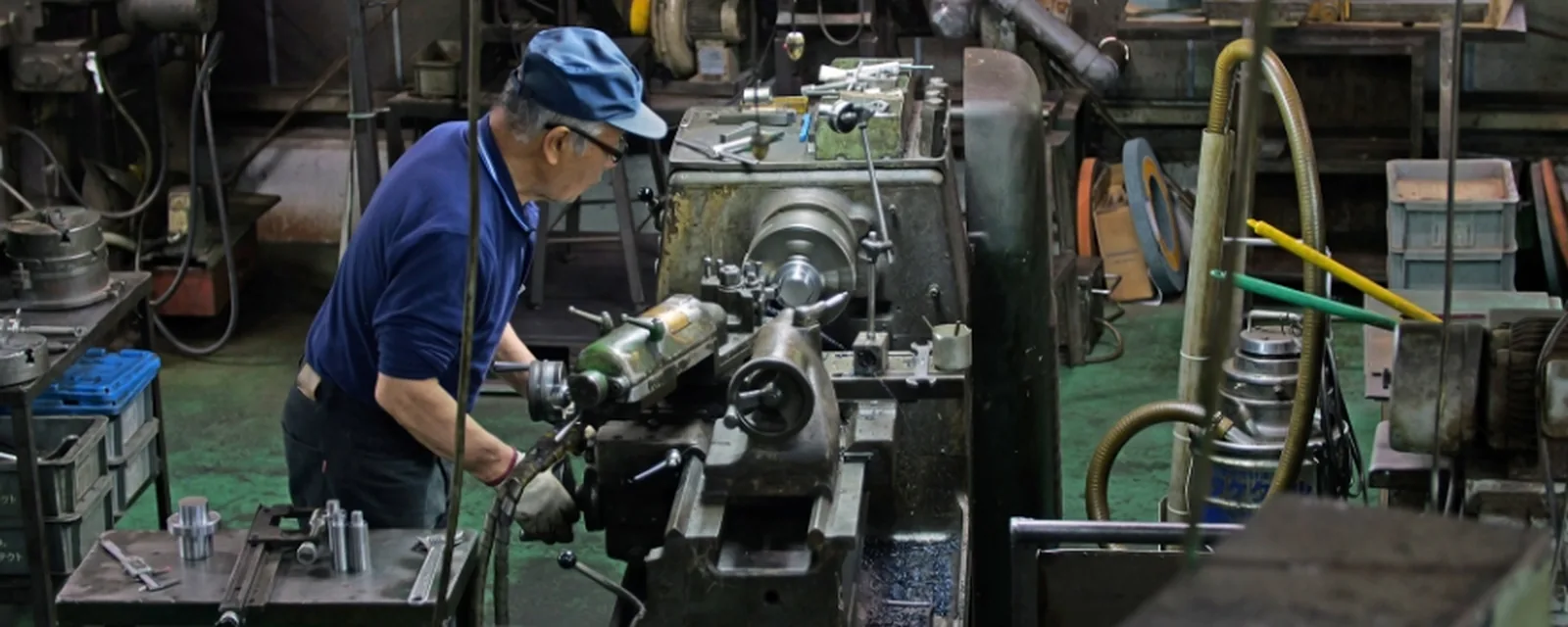
Seventy per cent of hydraulic faults come from oil contamination; eighty per cent of pneumatic faults come from water and particulates. Get the medium right and you have got most of it.
Each guide is organised in three parts — daily care points, periodic maintenance table, common mistakes — so you can put it to use as is.
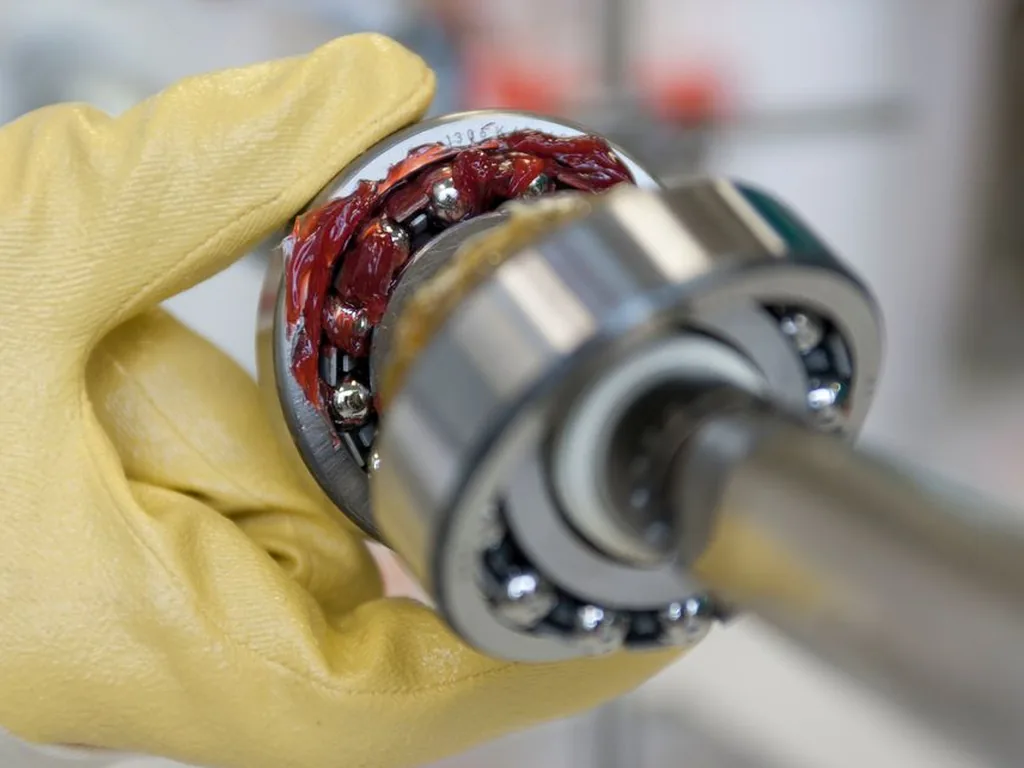
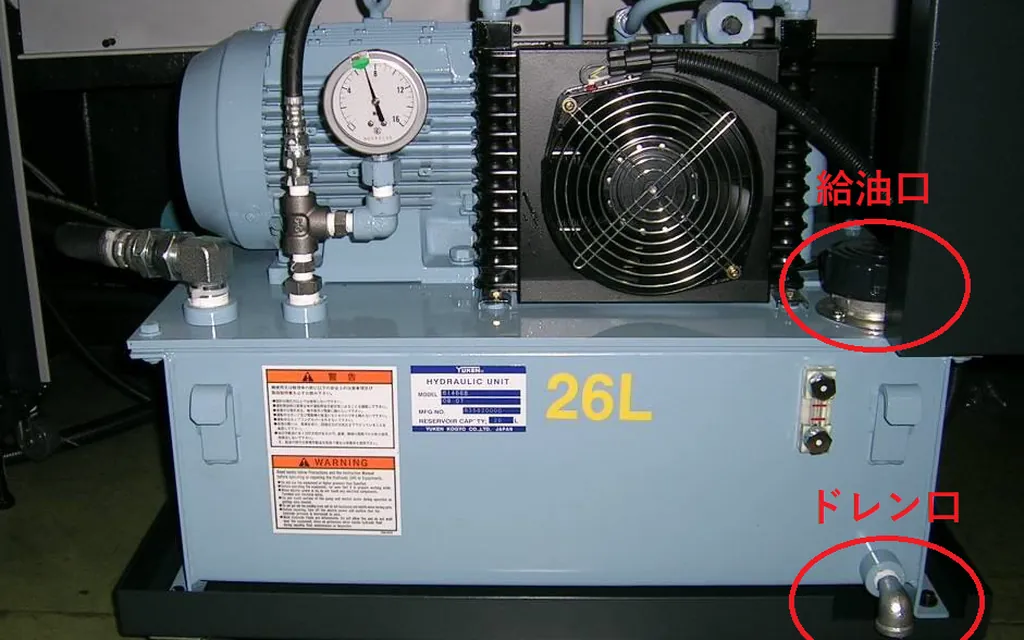
When a hydraulic system misbehaves, check the oil first. Dirty oil, water in the oil and high oil temperature explain seventy per cent of hydraulic faults, and all three are preventable.
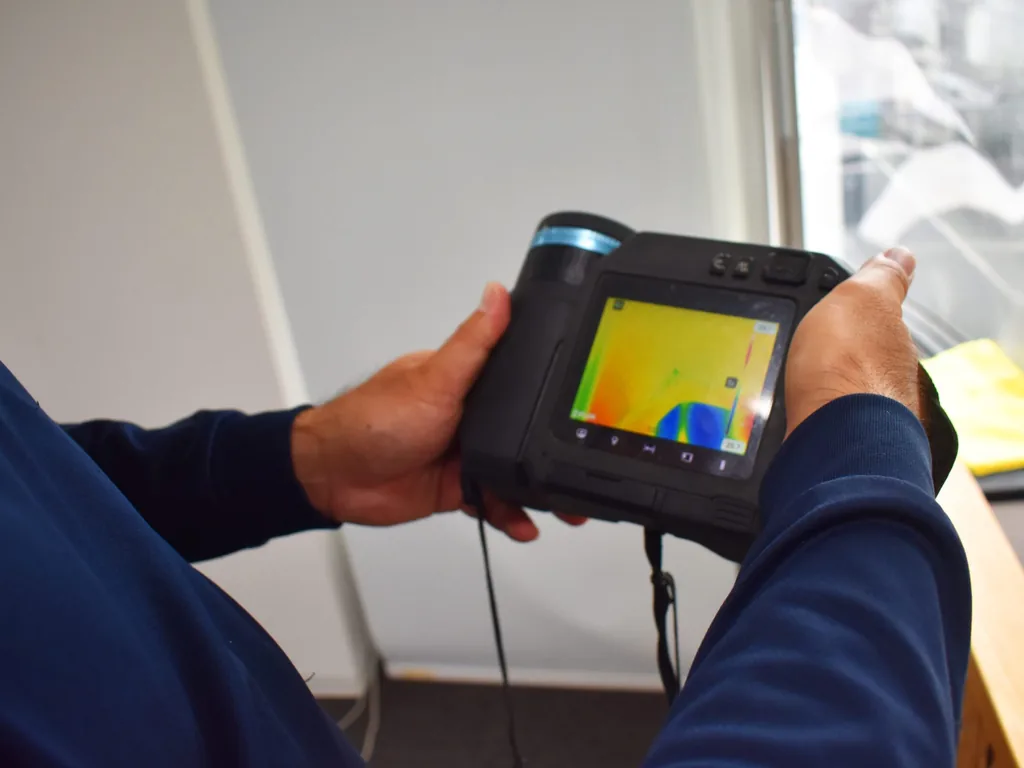
A hydraulic system that feels weak and runs hot usually has one cause: wrong pressure settings or excessive internal leakage. Diagnosis has to follow a sequence, otherwise you replace a round of parts and nothing changes.
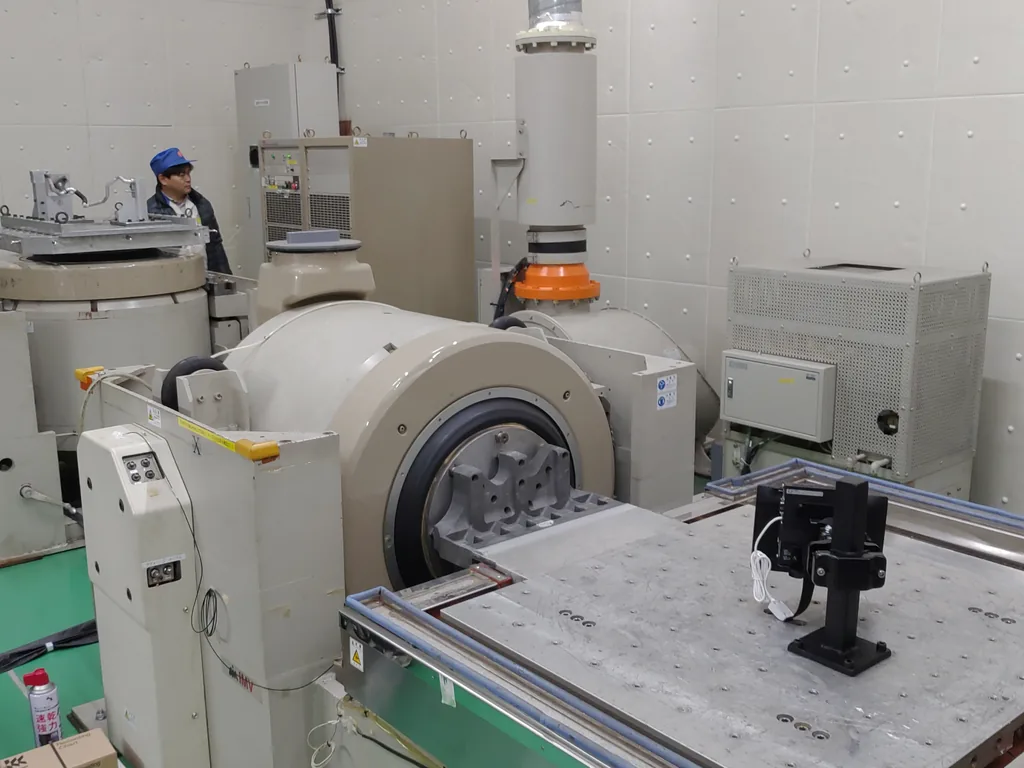
Pneumatic systems are cheap and convenient, and are easily treated as maintenance-free. In reality the water and contaminants in compressed air will have cylinders and solenoid valves failing within months.
Injection moulding machine hydraulics run in unusual conditions: long high-pressure hold times, strongly cyclic motion and large oil temperature swings. The care priorities differ from ordinary hydraulic plant, and the two most common complaints are leaks and unstable hold pressure.
Seventy percent of hydraulic failures come from oil contamination and overheating, and the number-one enemy of pneumatic systems is water and particulates in the compressed air - the root causes of both system types concentrate heavily on "medium management". That makes maintenance here extremely cost-effective: manage the oil and the air well and the failure rate drops by more than half; ignore the medium, and no amount of valve and pump replacement touches the root cause.
The maintenance logic for this category is "medium first, temperature control second, seals and leak hunting third": test oil cleanliness and water content on schedule, keep system temperature within the design range, and find and fix external and internal leaks at regular intervals. The four articles in this category cover hydraulic oil and filters, diagnosing overheating and pressure anomalies, pneumatic component care, and a hydraulics special for injection molding machines.
 FIELD · SCHH-2026
 FIELD · SCHH-2026
 FIELD · SCHH-2026
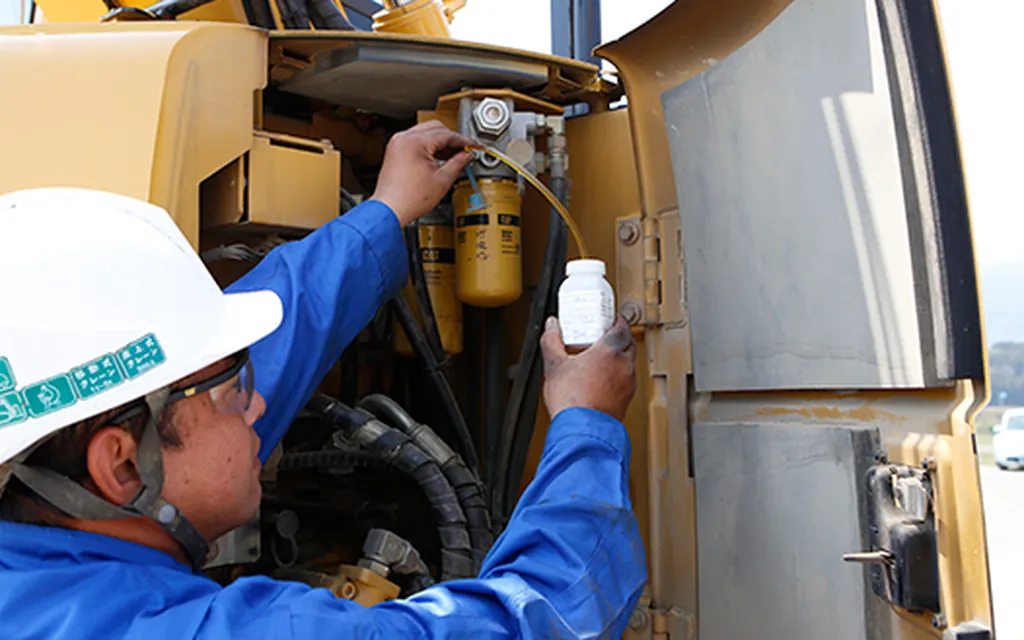
By condition, not by calendar: for mineral oil under normal duty, take a sample once a year - change it when viscosity shifts more than 10%, water content exceeds the limit, or cleanliness degrades to the limit; under severe duty (high temperature, dust, continuous running) halve the sampling interval. Changing oil blindly on schedule wastes money, and running it past its life gambles with the pump and valves - oil analysis data is what makes the change-out decision evidence-based.
In order of probability: first internal leakage (worn cylinder or valve-bank seals, showing up as slow motion plus a hot system), then a blocked filter element (differential-pressure alarm or bypass valve open), then the pump's volumetric efficiency (pressure failing to build while flow drops). These three steps pin down more than ninety percent of "slow actuation" cases - don't jump straight to suspecting the pump.
The economics of hydraulic and pneumatic care go like this: a drum of good oil costs far less than a pump, and one filter change costs far less than a valve bank. Money saved on medium management gets paid back several times over in repair bills. Start with what matters most. First, what hydraulic oil fears is not age but dirt - oil must be filtered when filling and the tank breather must be checked, because a great deal of contamination enters during filling. Second, every summer that oil temperature stays above 60°C takes a bite out of seal life, so cleaning the cooler fins is a must-do before summer. Third, water is the root of all evil in pneumatic systems - draining the air receiver and the FRL units looks trivial, yet nine times out of ten, plants with batches of prematurely failed cylinder seals come undone right here.
This section was written in-house by the Industrial Equipment Services Division. Thresholds and intervals are field-experience values; in practice follow the equipment manufacturer's technical documents and current national standards.
Send us your equipment list and we will specify inspection items, intervals and acceptance criteria for your operating conditions.
 Scan to add Engineer Man on WeChat
 Guangzhou Yujihang Computer Technology Co., Ltd. · www.accpc.com.cn
 Guangzhou Henghuan Technology Co., Ltd. · www.hhrobotics.cn
 Nanchong Henghuan Robotics Co., Ltd. · www.hhrobots.cn