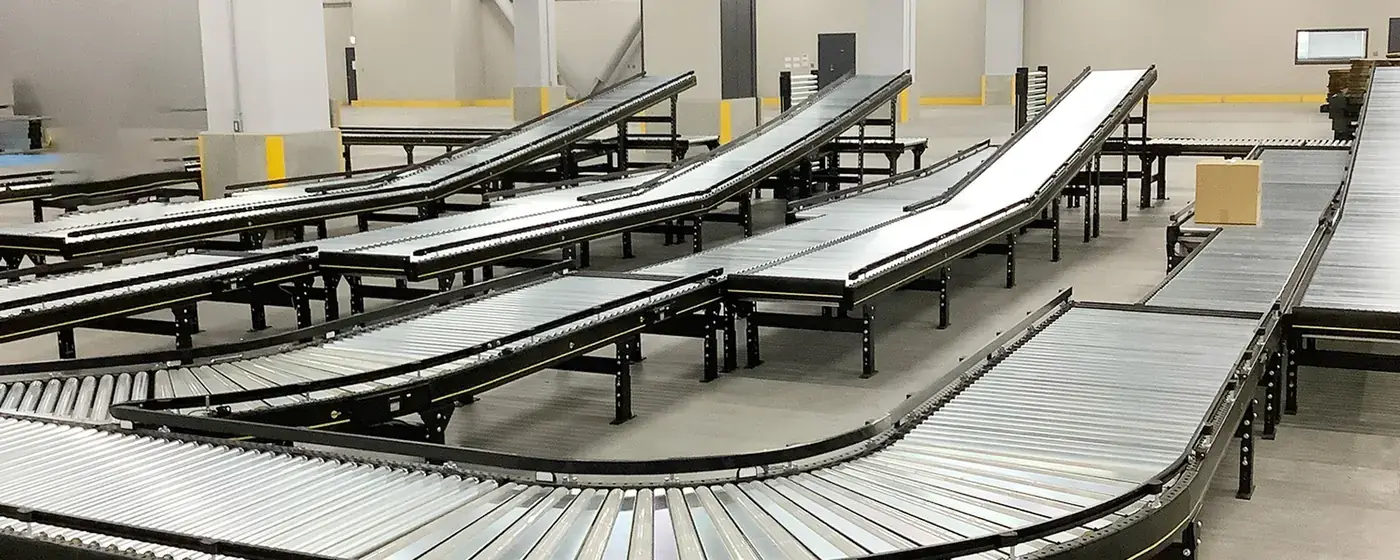
When a continuous line stops, everything stops. Care is about spending the shutdown window where it counts and keeping the degradation trends of chains, belts and drives under control.
Each guide is organised in three parts — daily care points, periodic maintenance table, common mistakes — so you can put it to use as is.
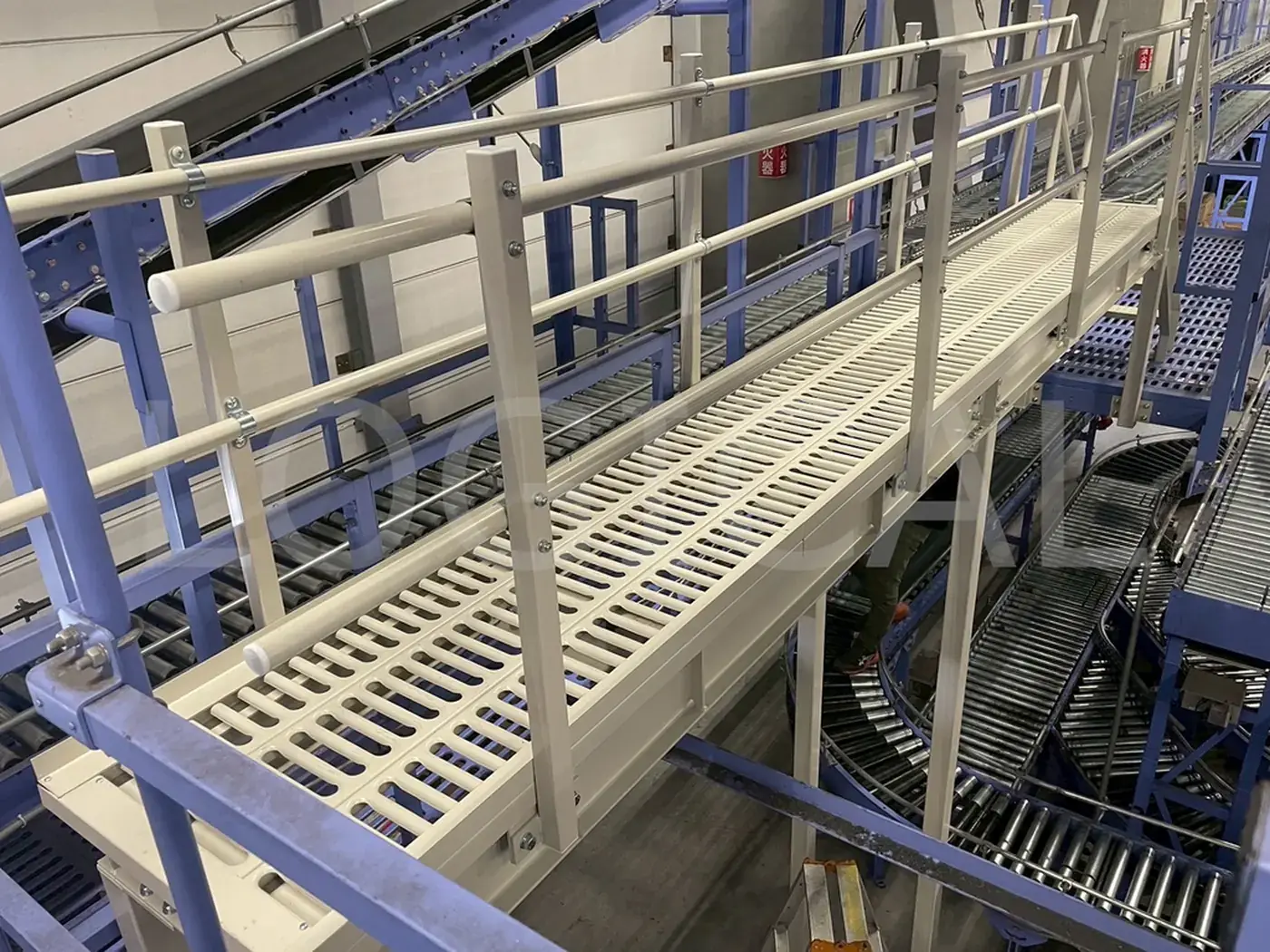
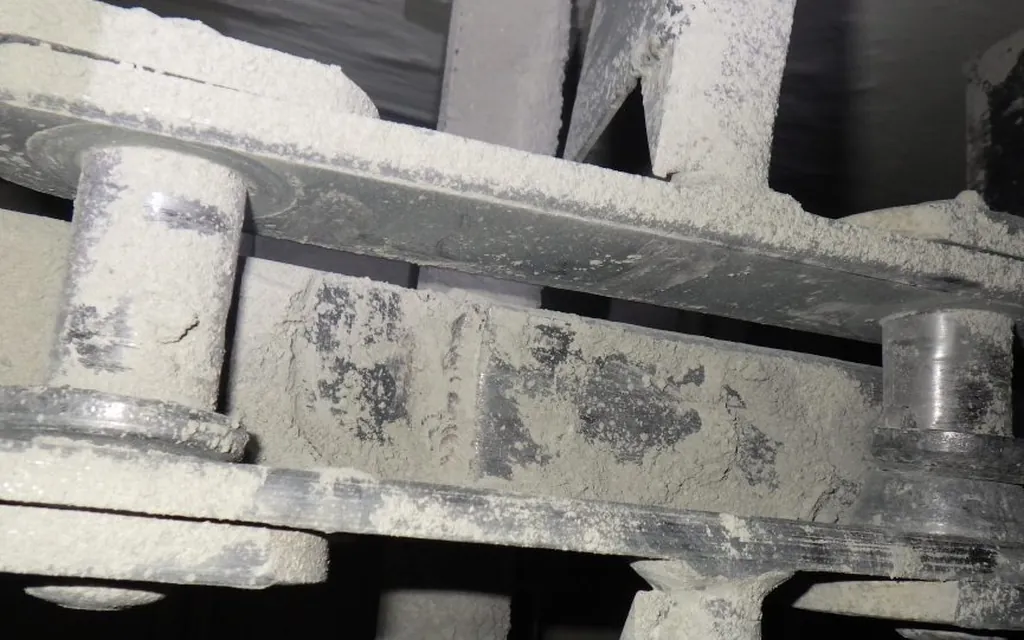
A broken chain is the most hated fault on a continuous line: the whole line stops, the repair is slow, and other equipment may get smashed as well. Chain care boils down to two things: don't let it get too loose, and don't let it run dry.
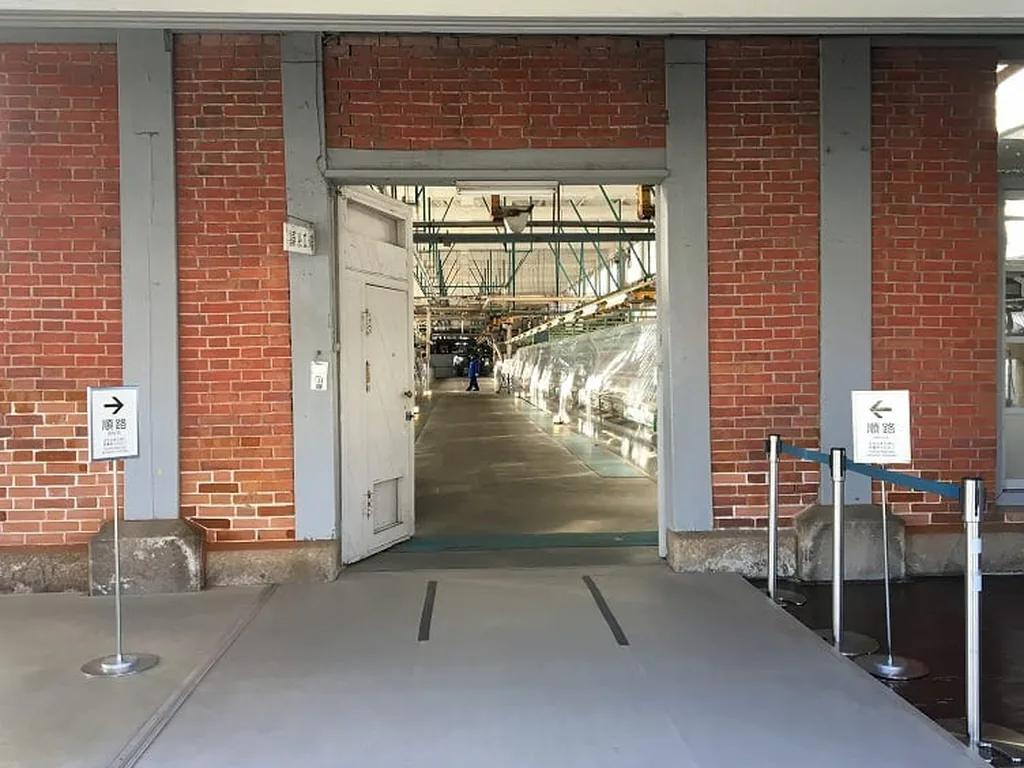
Eighty per cent of belt conveyor faults sit in four places: the loading point, the idlers, the scraper and the splice. Get the care right and one belt lasts five years; get it wrong and you go through three a year.
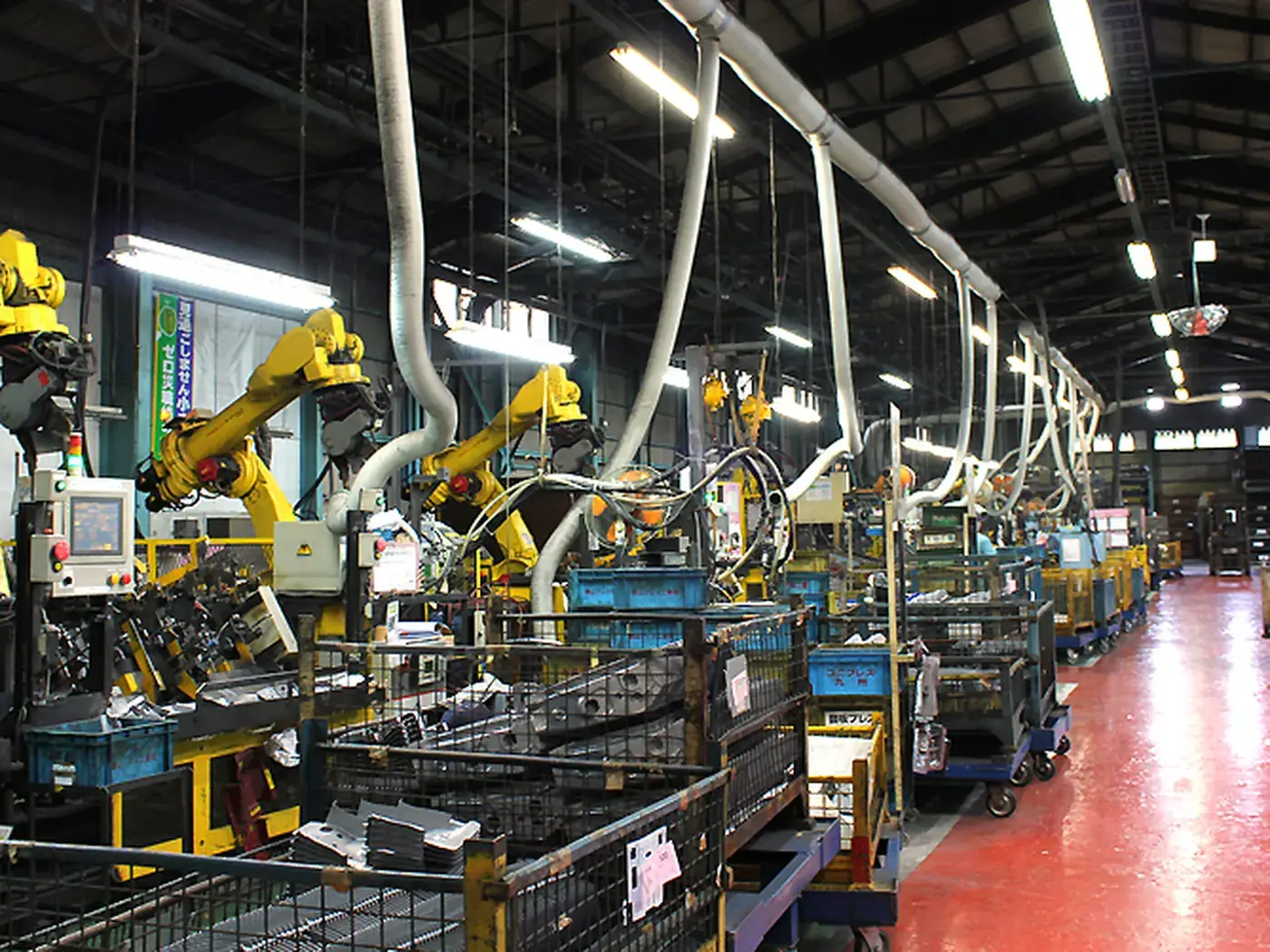
A continuous line only gets a few planned shutdowns a year. What to do in that window, and in what order, comes from the degradation data collected all year — not from a discussion on site that morning.
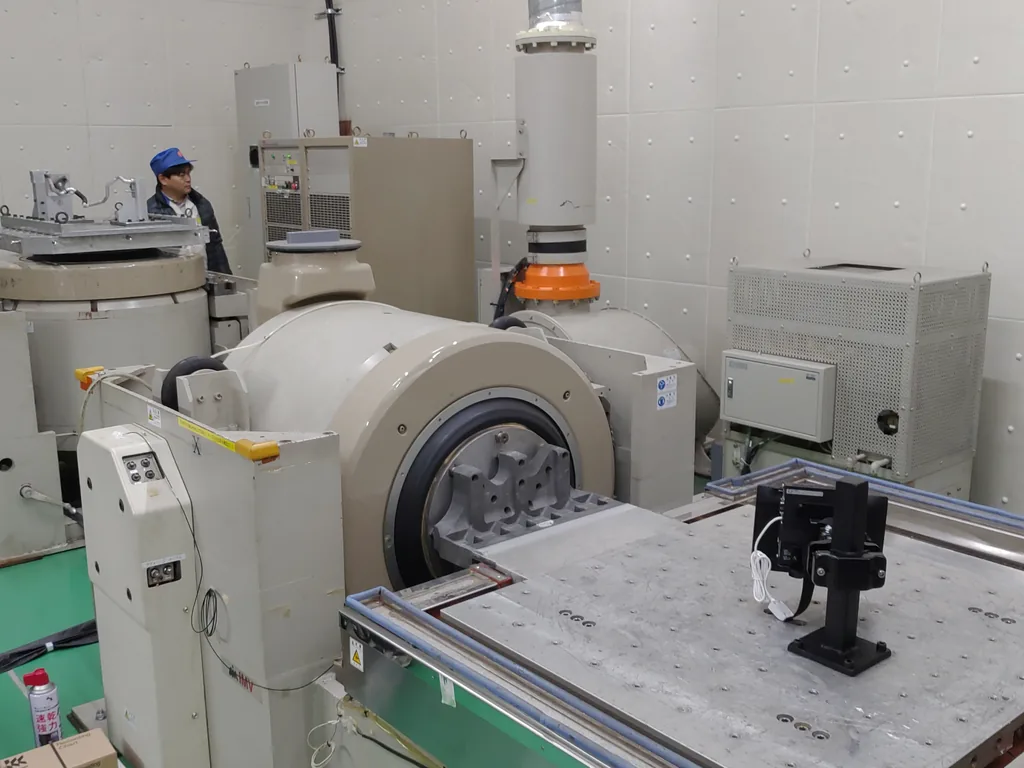
Drive failures are usually gradual, not sudden. Gradual means there are signs, and signs can be measured. You do not need an expensive online monitoring system — an infrared thermometer and a simple vibration pen catch most of them.
Conveyor lines are a plant's blood vessels: individually low in value, but when any section stops, every process upstream and downstream stops with it. The fault profile of continuous lines is equally clear: chain stretch, belt mistracking and seized idlers are all gradual degradation with long warning periods - yet what most plants lack is not the warning signs but a system for recording them.
The care logic for this category is "trend management plus window maintenance": during operation, inspections and monitoring catch degradation trends, while overhauls are concentrated into planned downtime windows. The four articles cover chains, belts, shutdown-maintenance organisation and drive-unit monitoring, spelling out both "the cheap methods" and "the critical sequence."
 FIELD · SCHH-2026
 FIELD · SCHH-2026
 FIELD · SCHH-2026
It depends on line length and conditions: for ordinary lines, one daily listening round takes about half an hour to an hour, with a weekly dedicated inspection of key points (drives, take-ups, loading points). The labour is modest - what matters is recording and thresholds: a round with no decision criteria is just a walk, while one with thresholds and records is real inspection.
Two methods: first, grade the items - do only what truly requires a stoppage inside the window, and move what can be done on-line (monitoring, tightening, lubrication) to running periods; second, prepare before the window - spares, tooling and people for the teardown all staged in advance, with parallel work inside the window. We have run projects compressing three days of maintenance into a day-and-a-half window, purely through scheduling and pre-assembly.
The best-value investment in conveyor care is not monitoring equipment but two plain methods: first, keep an elongation-and-wear ledger for chains and belts, measured and recorded monthly, so the replacement moment changes from "we knew when it broke" to "we knew a month ahead"; second, set the loading point, drive station and take-up as priority inspection points - eighty percent of the line's accident warning signs come from these three places. The maintenance window is a conveyor line's vital point: what is done inside the window, what is staged before it, and who works in parallel with whom must all be on a schedule drawn up a month ahead. Plants that improvise on the day of the window never finish their maintenance.
This section was written in-house by the Industrial Equipment Services Division. Thresholds and intervals are field-experience values; in practice follow the equipment manufacturer's technical documents and current national standards.
Send us your equipment list and we will specify inspection items, intervals and acceptance criteria for your operating conditions.
 Scan to add Engineer Man on WeChat
 Guangzhou Yujihang Computer Technology Co., Ltd. · www.accpc.com.cn
 Guangzhou Henghuan Technology Co., Ltd. · www.hhrobotics.cn
 Nanchong Henghuan Robotics Co., Ltd. · www.hhrobots.cn