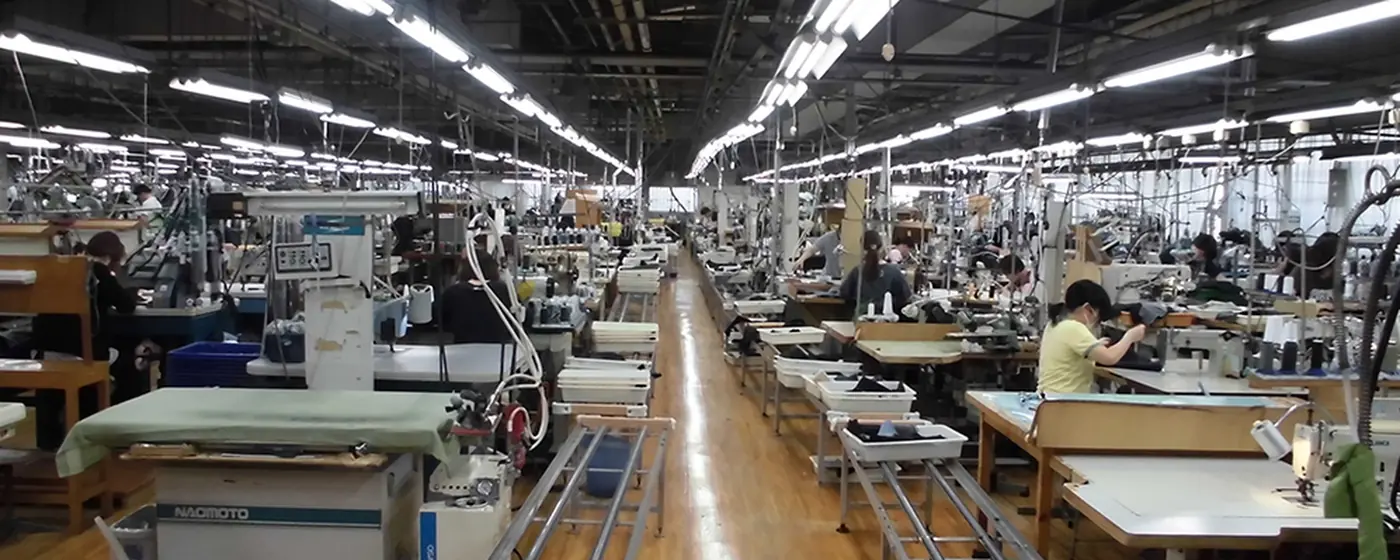
Wastewater plant equipment sits in corrosive media year round, so maintenance intervals have to be recalculated for the environment. The aeration, mixing and dewatering sections hold the most equipment and fail most often.
Each guide is organised in three parts — daily care points, periodic maintenance table, common mistakes — so you can put it to use as is.
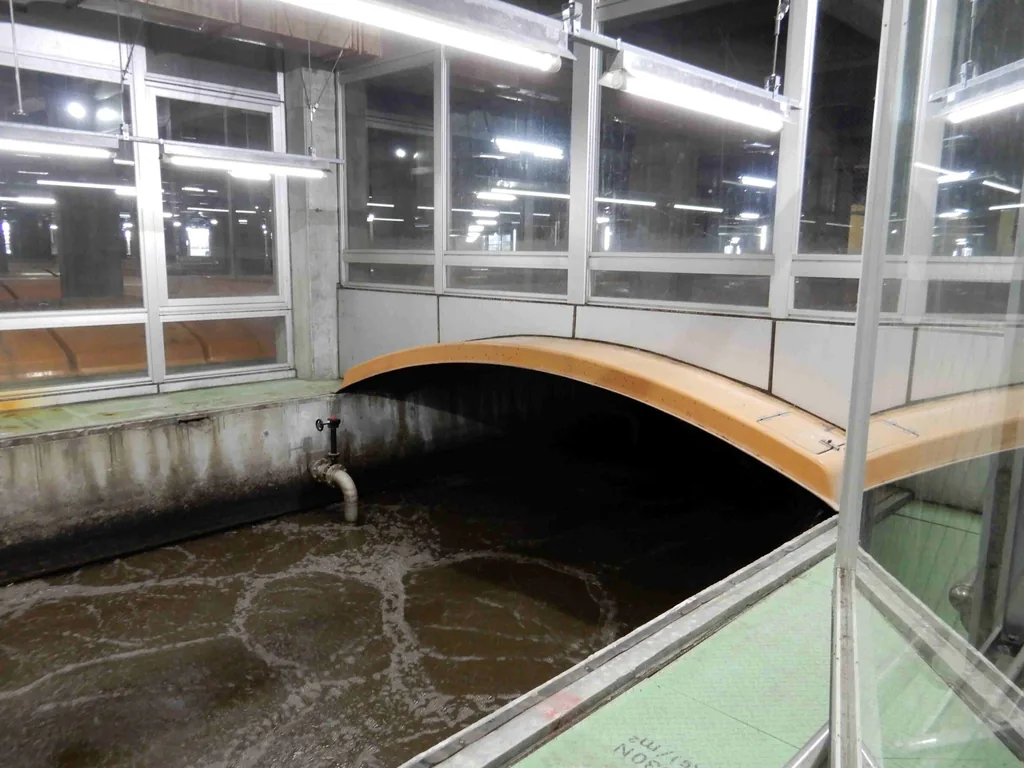
Aeration is the largest energy consumer in a wastewater treatment plant (usually over half the total) and the system that degrades fastest. Blocked or leaking diffusers cut oxygen transfer efficiency, push blower power up, and can put the effluent out of specification.
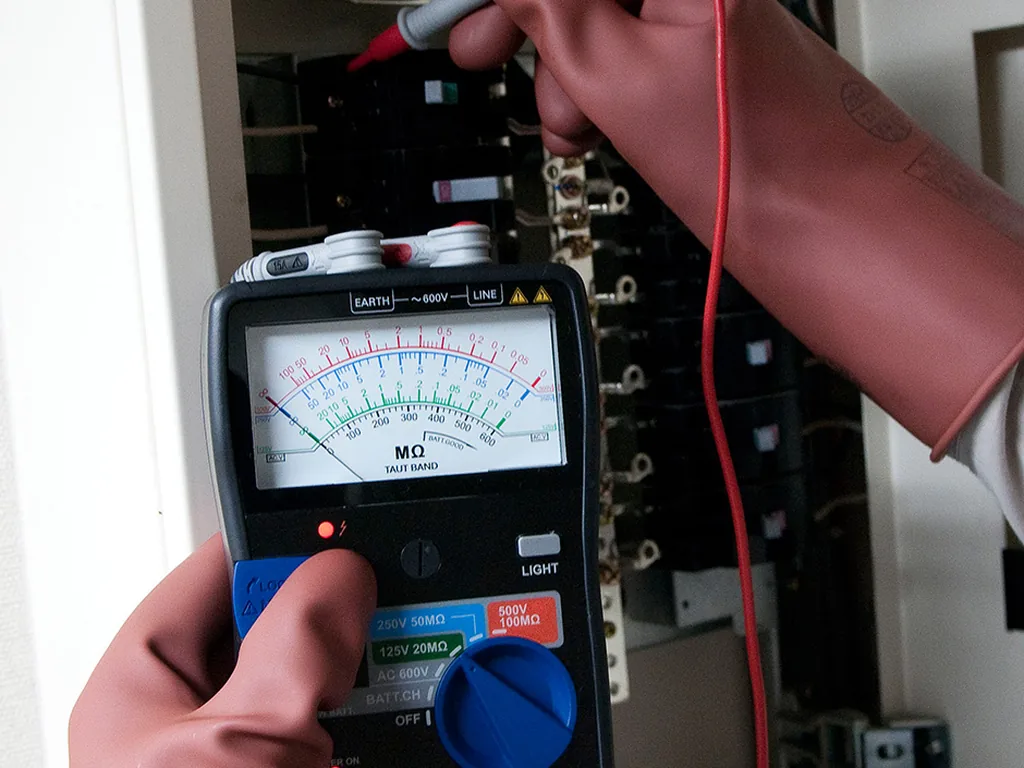
Submersible equipment sits in sewage year round and is harder to maintain than surface plant: out of sight and out of reach, and lifting it out for inspection is expensive. That makes routine monitoring and preventive maintenance more important — do not wait for a failure before pulling the pump.
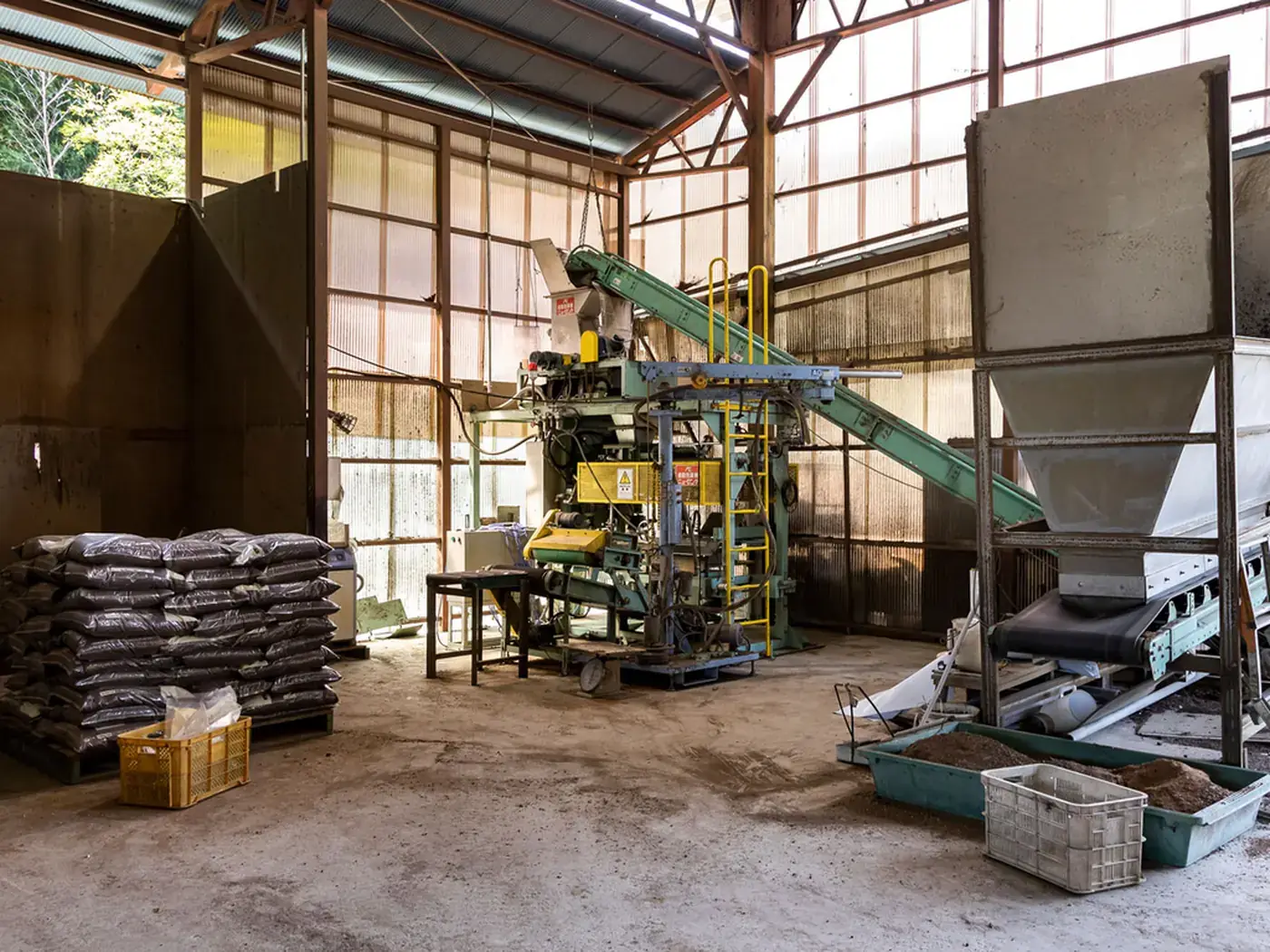
Dewatering machines carry some of the heaviest maintenance workloads in a plant: the sludge is corrosive, filter cloths and screens blind easily, and there are many wear parts. The key is disciplined washing and wear-part management — do not wait until they are completely blinded.
Corrosion is the biggest enemy of wastewater plant equipment: hydrogen sulphide, moisture and microorganisms working together accelerate the degradation of steelwork, electrical components and fasteners. Corrosion protection is not just a coat of paint — it has to be managed systematically.
Wastewater plant equipment has a dual specificity. First, it runs 24 hours and is directly tied to compliant discharge - equipment failure may mean not just a stoppage but an environmental penalty. Second, it lives year-round in a damp, corrosive-gas atmosphere where electrical insulation degradation, metal corrosion and grease emulsification all proceed far faster than under normal duty, so generic maintenance intervals here are systematically too long.
The maintenance logic for this category is "redundancy as the safety net, corrosion and moisture protection, and a two-factor cycle of condition plus season": assess redundancy and emergency plans for critical equipment, run dedicated moisture- and corrosion-protection programs on electrics, and adjust maintenance cycles dynamically by wet/dry season and measured condition. The four articles in this category cover aeration systems, submersible pumps and mixers, sludge dewatering equipment, and long-cycle corrosion protection management.
 FIELD · SCHH-2026
 FIELD · SCHH-2026
 FIELD · SCHH-2026
Run the numbers unit by unit: where wall thinning is still within limits, anti-corrosion repair plus drivetrain maintenance keeps it running at far less cost than replacement; where the load-bearing section is clearly weakened, replace it - and we will specify a corrosion-upgraded selection. The key to equipment management in corrosive environments is building thickness measurement into the inspection cycle: once the thinning rate is measured, replacement timing can be planned instead of arriving as a sudden perforation.
Layered collaboration is the mature approach: your operations crews keep their daily rounds and first-level upkeep, while we take on vibration testing, oil analysis, insulation testing, overhauls and tough failures - and we teach the test methods to your key staff. The interfaces are written into the plan: who collects the data, who judges anomalies, who authorizes repairs. Clear responsibilities keep nothing falling between the two sides.
What is special about wastewater plant maintenance is that the environment does a lot of "subtraction" for you: insulation life discounted, metal members thinning, grease emulsifying - every interval must be shorter than for normal duty, and copying the manual simply leaves the risk for the wet season. These three points are worth the most. First, standby equipment must genuinely be put into service on schedule - cases of long-idle standby pumps failing to start at the critical moment are legion, and switching them into operation once a month is the baseline. Second, moisture-protection money is cheapest spent on prevention: sealed junction boxes, cabinet heaters and dehumidifiers, sealed cable entries - all together they cost little, while replacing water-damaged motors and cabinets costs ten times as much. Third, the month before the wet season is the golden window - schedule all corrosion- and moisture-protection work, insulation testing and seal replacements into it, so the wet season itself is only monitoring and emergency response. Get that rhythm right and reactive repairs over the year drop by more than half.
This section was written in-house by the Industrial Equipment Services Division. Thresholds and intervals are field-experience values; in practice follow the equipment manufacturer's technical documents and current national standards.
Send us your equipment list and we will specify inspection items, intervals and acceptance criteria for your operating conditions.
 Scan to add Engineer Man on WeChat
 Guangzhou Yujihang Computer Technology Co., Ltd. · www.accpc.com.cn
 Guangzhou Henghuan Technology Co., Ltd. · www.hhrobotics.cn
 Nanchong Henghuan Robotics Co., Ltd. · www.hhrobots.cn