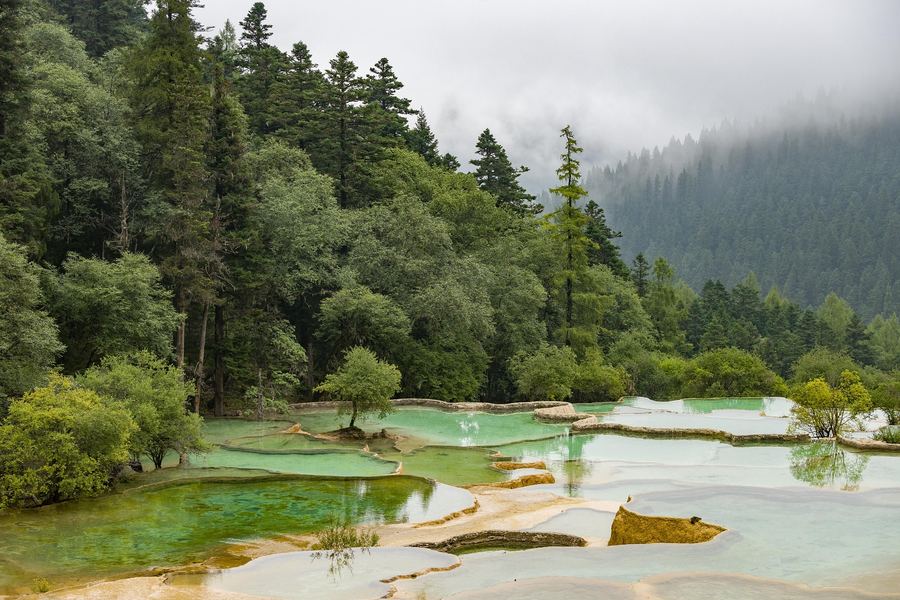
A western-Sichuan plateau prefecture of eco-tourism and clean energy: 2025 GDP of CNY 60.119 billion. Hydropower (the upper Min and Dadu rivers), green energy-carrier industry and tourism (Jiuzhaigou, Huanglong) make up the economic main body.
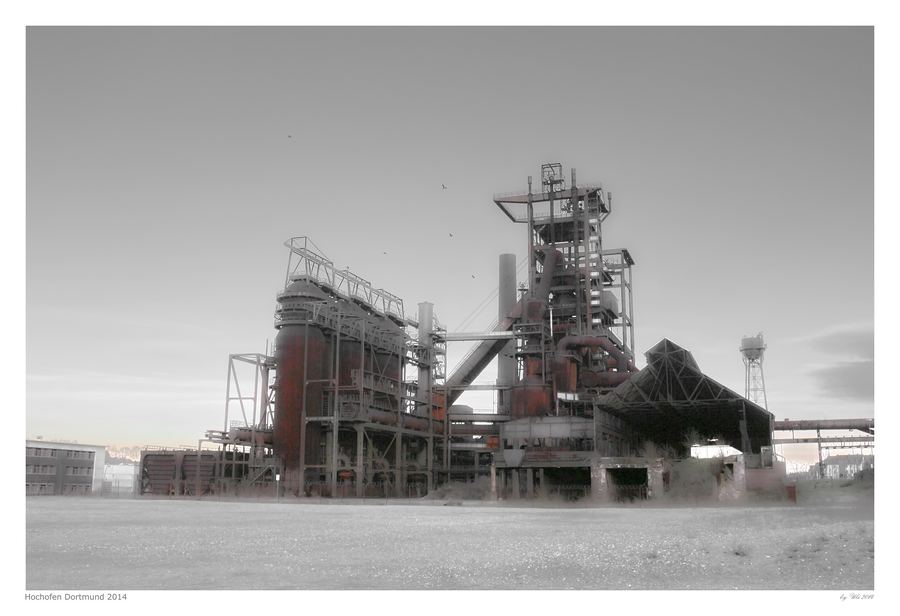
Aba was established as a prefecture in 1953 (the Sichuan Tibetan Autonomous Region, renamed the Aba Tibetan Autonomous Prefecture in 1955 and later the Qiang-Tibetan Joint Autonomous Prefecture); its traditional economy rested on farming, herding and forestry. The main thread of industrialisation is hydro and minerals: hydro development on the upper Min River (Taipingyi, Zipingpu and others) and the upper Dadu River (the Pubugou reservoir area touches the Hanyuan-Aba boundary) has advanced since the 1990s, making Aba an important source point for Sichuan's outbound hydropower; mining and beneficiation of lithium, gold, silicon and other minerals were developed at scale for a period (geological work on the Ke'eryin lithium belt began in the 1960s). The 2008 Wenchuan mega-earthquake badly damaged the prefecture's industry and infrastructure, and post-disaster rebuilding reshaped its industrial and urban layout; tourism facilities were upgraded again after the 2017 Jiuzhaigou earthquake.
In 2025 Aba's above-scale industrial value added grew steadily, with clean energy the first pillar: the upper-Min hydro cascade generates steadily, and development of the Maerkang-Jinchuan Ke'eryin lithium belt (spodumene mining and beneficiation projects) advances in orderly fashion — seen as Aba's biggest industrial increment; green energy-carrier industry (industrial silicon and others) holds its scale on the hydro resource; tourism (Jiuzhaigou, Huanglong, Mount Siguniang, Dagu Glacier) is the pillar of the tertiary sector, with steady O&M demand for scenic facilities (cableways, eco-buses, smart-scenic-area systems). Under the constraints of ecological protection red lines, industrial project admission is strict.
Operators of the upper-Min hydro project group, the owners of mining and beneficiation projects in the Ke'eryin lithium belt (Maerkang / Jinchuan / Songpan districts), green energy-carrier firms (industrial silicon and others), and the Jiuzhaigou / Huanglong scenic-area operators.
Aba's market structure is similar to Ganzi's, mostly field service on energy and mining projects: hydro station M&E overhauls and preventive testing (in plateau winter windows) are highly specialised; new-build commissioning orders for crushing, grinding-flotation, conveying and drying equipment at lithium mining and beneficiation projects scale up with the Ke'eryin development; upkeep and mandatory annual-inspection rectification of scenic special equipment (passenger cableways, sightseeing vehicles, sewage treatment and smart-scenic-area facilities) is a speciality line; and under ecological red-line constraints, environmental compliance requirements on equipment O&M are high. Our focus: commissioning and upkeep at lithium concentrators, scheduled hydro station M&E inspections, and upkeep of scenic cableways and environmental facilities.
Every administrative division under Sichuan is inside our service range. Click through for each area's industrial history and maintenance market analysis:
The industrial history, 2025 industry update, leading enterprises and market analysis on this page are written in-house by the Industrial Equipment Services Division. Data sources: the Sichuan Provincial Bureau of Statistics' "2025 Statistical Bulletin on National Economic and Social Development of Sichuan" together with 2025 statistical bulletins or economic performance releases from the city or prefecture concerned, public material from the Sichuan Provincial Department of Economy and Information Technology, and the Sichuan Enterprise Confederation's Top 100 Sichuan Enterprises list; Third Front history follows published material from the Sichuan Provincial Local Chronicles Office and the Panzhihua China Third Front Construction Museum. For image use and disclaimers see the site-wide "Image Use & Disclaimer" page.
One call to confirm the schedule and you deal directly with Engineer Man: 18002209253 (same number on WeChat).
 Scan to add Engineer Man on WeChat
 Guangzhou Yujihang Computer Technology Co., Ltd. · www.accpc.com.cn
 Guangzhou Henghuan Technology Co., Ltd. · www.hhrobotics.cn
 Nanchong Henghuan Robotics Co., Ltd. · www.hhrobots.cn