
A plateau ecology and energy prefecture of western Sichuan: 2025 GDP of CNY 61.311 billion. Hydropower (the upper Yalong and Dadu cascades), solar PV and mineral-resource development make up the industrial main body, with tourism (Daocheng Yading) as the calling card.
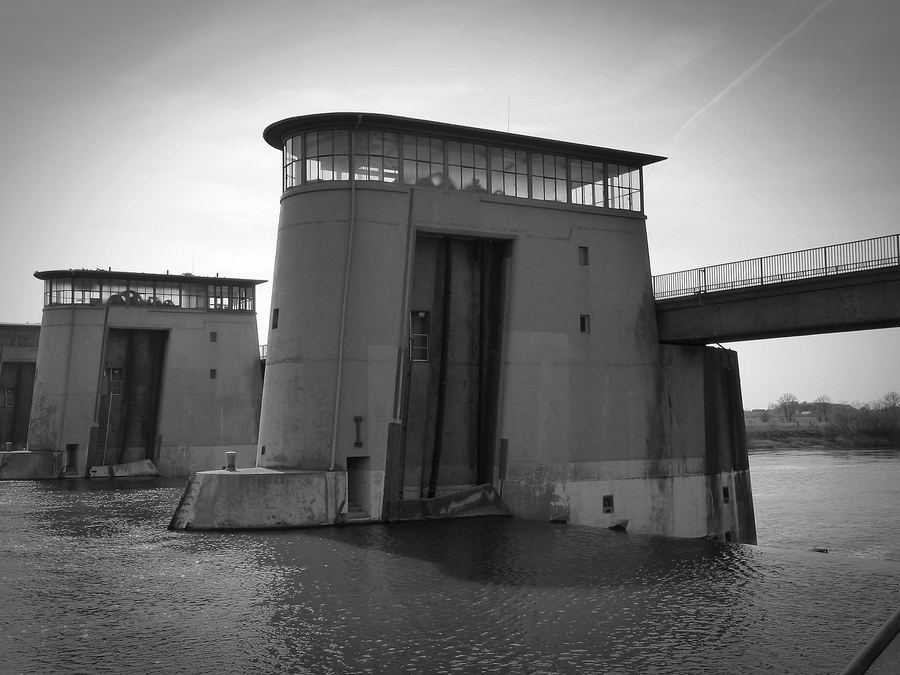
Ganzi was established as a prefecture in 1950 (the Tibetan Autonomous Region of Xikang Province, later transferred to Sichuan); its traditional economy rested on farming and herding, with modern industry virtually blank. The main thread of industrialisation is energy and minerals: hydro development on the Dadu River (Changheba, Huangjinping and others) and the Yalong River (Lianghekou fully built in 2022, the mid-Yalong "hydro-wind-solar complementarity" base) has advanced continuously since the 1990s; lithium (Jiajika, one of Asia's largest spodumene deposits) saw geological work from the 1960s and, as the new-energy industry heats up, has entered the preparation stage for large-scale development. Cold, oxygen-thin conditions make Ganzi one of the hardest regions in the country for hydro and new-energy construction.
In 2025 Ganzi's above-scale industrial value added grew steadily, with clean energy the absolute pillar: giant stations such as Lianghekou on the mid-Yalong run at full output, and integrated "hydro-wind-solar-storage" demonstration bases (Kela Phase I and others — the world's largest hydro-solar complementary projects) are advancing; lithium resource development (mining and beneficiation projects in the Jiajika-Yuanyangba districts) is being launched in orderly fashion; mining and beneficiation of gold, silver and copper polymetals hold their scale; tourism (Daocheng Yading, Kangding) drives services. The industrial structure depends heavily on energy projects, with a thin local supply-manufacturing base.
The Yalong basin hydro developer (Lianghekou, Kela PV and others), the upper-Dadu hydro project group (Changheba, Huangjinping and others), the owners of the Jiajika lithium mining and beneficiation projects, and Ganzi Prefecture's mining and farm-product processing firms.
Ganzi's market is mostly field service on energy projects. Overhauls of hydro station M&E equipment (in plateau conditions, with winter windows) and preventive testing are highly specialised; O&M demand at PV plants (the world's largest hydro-solar complementary project group) is expanding fast, with high altitude testing both equipment and crews; installation and upkeep of crushing, flotation and conveying equipment at lithium mining and beneficiation projects scale up as projects advance; resident service on plateau projects commands a high premium and strong stickiness. Our focus: outsourced O&M for plateau PV plants, commissioning and upkeep at lithium concentrators, and scheduled hydro station M&E inspections.
Every administrative division under Sichuan is inside our service range. Click through for each area's industrial history and maintenance market analysis:
The industrial history, 2025 industry update, leading enterprises and market analysis on this page are written in-house by the Industrial Equipment Services Division. Data sources: the Sichuan Provincial Bureau of Statistics' "2025 Statistical Bulletin on National Economic and Social Development of Sichuan" together with 2025 statistical bulletins or economic performance releases from the city or prefecture concerned, public material from the Sichuan Provincial Department of Economy and Information Technology, and the Sichuan Enterprise Confederation's Top 100 Sichuan Enterprises list; Third Front history follows published material from the Sichuan Provincial Local Chronicles Office and the Panzhihua China Third Front Construction Museum. For image use and disclaimers see the site-wide "Image Use & Disclaimer" page.
One call to confirm the schedule and you deal directly with Engineer Man: 18002209253 (same number on WeChat).
 Scan to add Engineer Man on WeChat
 Guangzhou Yujihang Computer Technology Co., Ltd. · www.accpc.com.cn
 Guangzhou Henghuan Technology Co., Ltd. · www.hhrobotics.cn
 Nanchong Henghuan Robotics Co., Ltd. · www.hhrobots.cn