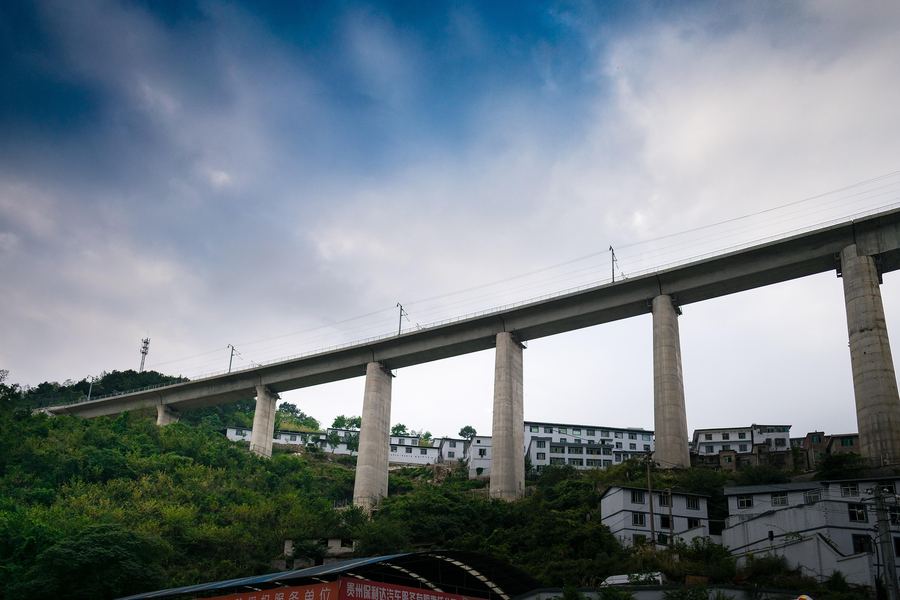
An ethnic autonomous county of south-east Chongqing, a tourism-ecology county of the Wu River basin: 2025 GDP in the middle range of south-east Chongqing. Tourism (Ayihe, Chiyou Jiuli City), speciality agriculture (sweet potatoes, flue-cured tobacco, camellia oil) and clean energy lead.
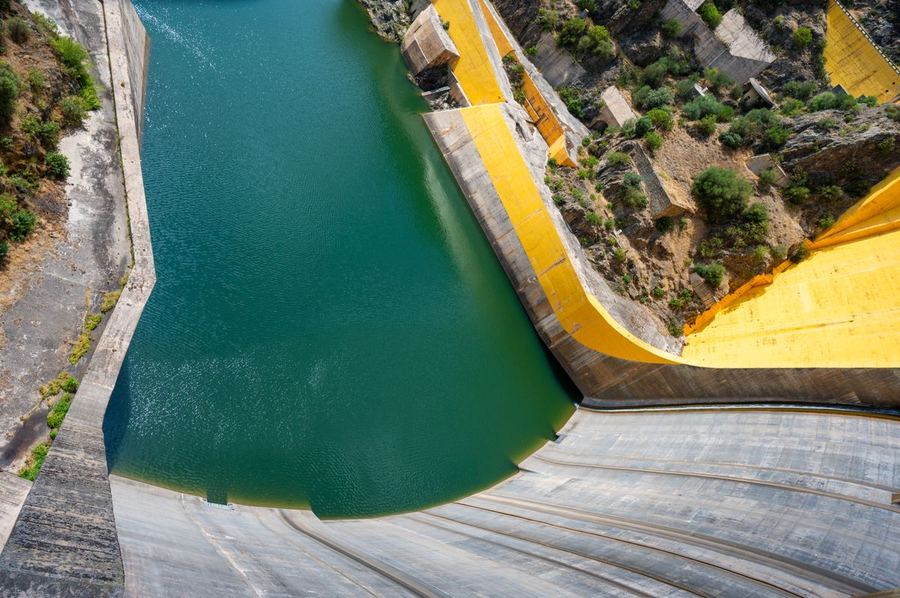
Pengshui is a Miao-Tujia homeland; the Pengshui Miao-Tujia Autonomous County was established in 1983. Historically its economic threads were salt, tung oil and Wu River shipping (the salt-cinnabar culture of Yushan Old Town is long, with over two thousand years of salt-spring development). The modern industrial base was thin, with a few Third Front supply points. In recent years industries have been cultivated on ethnic culture and ecological resources: tourism development at Chiyou Jiuli City (the nation's largest Miao cultural scenic area), Ayihe (5A rafting and gorges) and the Wu River Gallery; scaled planting and processing of sweet potatoes (the raw material of "Pengshui crystal noodles"), flue-cured tobacco, camellia oil and herbal medicines; and hydro development on the Wu River (the Yinpan, Gaogu cascade) has made Pengshui an important power source for Chongqing.
In 2025 Pengshui County's economy was led by tourism and speciality agriculture. Chiyou Jiuli City and the Ayihe scenic area rank among the top of south-east Chongqing for annual visitors, with Miao cultural festivals (the Caihuashan festival) driving visitor flows; the full sweet-potato chain (growing, starch, noodle processing) and deep processing of flue-cured tobacco, camellia oil and herbal medicines have scaled up; the Wu River cascade generates steadily, with clean energy contributing prominently; farm-product processing (starch, noodles, decoction pieces) is the main industrial form; and the Pengshui Industrial Park carries light-industry and food firms. The county is building into a strong Wuling county of ethnic tourism and eco-industry.
The operators of Chiyou Jiuli City and the Ayihe scenic area, the sweet-potato starch and noodle processing group (the crystal-noodle brand), the Wu River cascade hydro operator (Yinpan / Gaogu and others), flue-cured-tobacco and camellia-oil processors, and the light-industry and food cluster of the Pengshui Industrial Park.
Pengshui's maintenance demand centres on hydro and food processing. Overhauls and preventive testing of M&E equipment (turbines, governors, excitation, gate hoists, station service power) at the Wu River cascade stations follow defined cycles at a high professional bar — core business; sweet-potato starch and noodle processing (washing, milling, sedimentation, drying, forming) involves large equipment counts with concentrated seasonal upkeep; upkeep of scenic facilities (cableways, rafting M&E, hotels and sewage treatment) is important work; and upkeep of flue-cured-tobacco and camellia-oil processing equipment is steady. Our focus: scheduled hydro M&E inspections and overhauls, seasonal upkeep on farm-processing lines, and scenic facility O&M.
Every administrative division under Chongqing is inside our service range. Click through for each area's industrial history and maintenance market analysis:
The industrial history, 2025 industry update, leading enterprises and market analysis on this page are written in-house by the Industrial Equipment Services Division. Data sources: the Chongqing Municipal Bureau of Statistics' 2025 releases on the city's economic performance and statistical bulletins from each district and county, plus public material from the Chongqing Municipal Commission of Economy and Information Technology on the "33618" modern manufacturing cluster system; wartime relocation and Third Front history follows published local gazetteers and Chongqing municipal gazetteer material. For image use and disclaimers see the site-wide "Image Use & Disclaimer" page.
One call to confirm the schedule and you deal directly with Engineer Man: 18002209253 (same number on WeChat).
 Scan to add Engineer Man on WeChat
 Guangzhou Yujihang Computer Technology Co., Ltd. · www.accpc.com.cn
 Guangzhou Henghuan Technology Co., Ltd. · www.hhrobotics.cn
 Nanchong Henghuan Robotics Co., Ltd. · www.hhrobots.cn