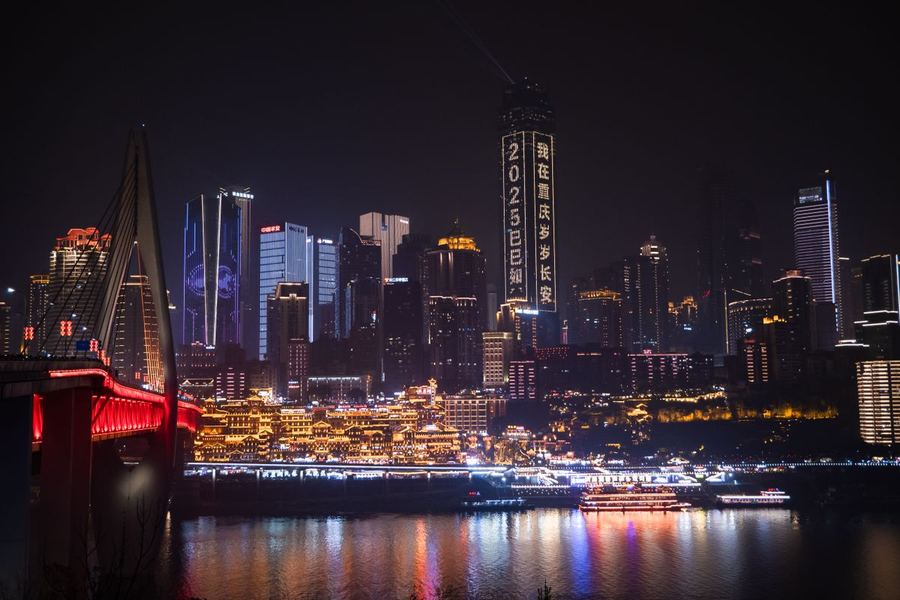
An old Chongqing industrial base and a stronghold of coal-power and aluminium materials: 2025 GDP of about CNY 80 billion. Aluminium-copper materials (electrolytic aluminium — deep processing), gear transmission (Qijiang Gear) and energy (coal-fired power) are the traditional pillars.
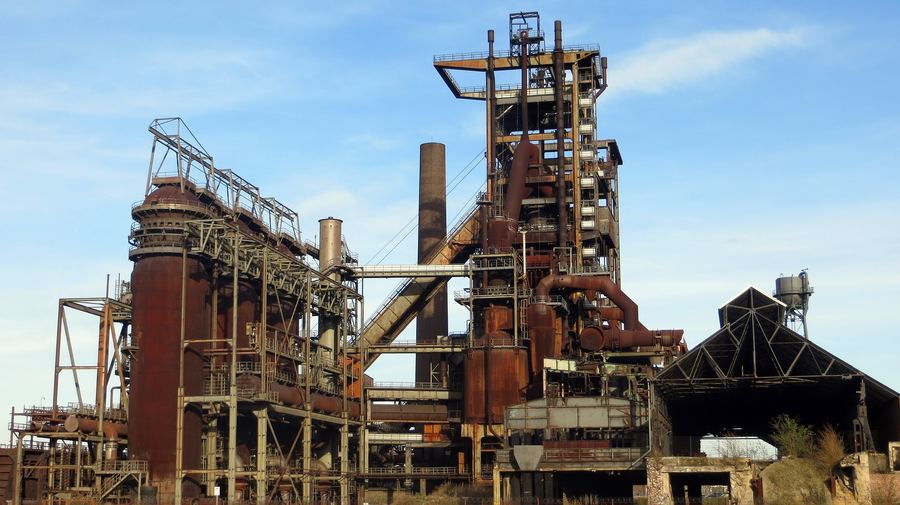
Qijiang is a vivid chapter in Chongqing's industrial history. During the war of resistance the Qijiang iron mine (the Qijiang Mine Office of the Steel Plant Relocation Committee, supplying Chongqing's steelworks) and the Sanxi-Dongxi coal mines provided energy and materials to the wartime capital's industry, and the National Resources Commission set up an electric smelter in Qijiang — one of China's earliest sites of electric-furnace steelmaking. Under the Third Front programme the Qijiang Gear Works ("Qichi", a leader in heavy-truck gearboxes) and the Chongqing Smelter (electrolytic copper) grew strong, forming a "gears + non-ferrous + coal-power" industrial structure. The Qijiang Hongqiao collapse of 1999 became a cautionary case in China's engineering-quality management. In 2011 Qijiang merged with Wansheng to form Qijiang District, with industry turning towards aluminium-copper new materials and equipment.
In 2025 Qijiang's above-scale industry ran steadily. The aluminium-copper materials chain (the Qineng Electric Aluminium family: electrolytic aluminium — sheet, strip and foil — recycled aluminium, plus copper processing) is the first pillar; gears and transmission equipment (Qichi gearboxes, transitioning to NEV drive axles) hold their industry standing; coal power and chemicals (coal gasification) continue; and equipment manufacturing (mining machinery, environmental-protection equipment) moves with the consumer-goods industry. Qijiang-Wansheng integration is advancing, building an important industrial base of southern Chongqing and northern Guizhou and a node of the New Western Land-Sea Corridor.
Qineng Electric Aluminium (electrolytic aluminium and deep processing), the Qijiang Gear Works (Qichi, heavy-truck gearboxes), the Chongqing Smelter family (copper processing), Qijiang's coal-power players, and the mining-machinery and environmental-equipment cluster.
Qijiang's maintenance demand centres on metallurgy and heavy equipment. In the potrooms, overhead cranes (multi-function units), anode assembly and casting equipment run in hot, dusty conditions, with continuous upkeep and retrofit demand; hydraulic and CNC system retrofits on aluminium-copper rolling and extrusion units are a traditional strength; accuracy upkeep of large machine tools (hobbing, shaving, gear grinding) and heat-treatment lines at the gear works is highly specialised; and auxiliary overhauls on coal-power and coal-gasification plant are high-volume. Our focus: smelter crane and unit overhauls, hydraulic-CNC retrofits on aluminium-copper rolling lines, and machine-tool accuracy maintenance at the gear works.
Every administrative division under Chongqing is inside our service range. Click through for each area's industrial history and maintenance market analysis:
The industrial history, 2025 industry update, leading enterprises and market analysis on this page are written in-house by the Industrial Equipment Services Division. Data sources: the Chongqing Municipal Bureau of Statistics' 2025 releases on the city's economic performance and statistical bulletins from each district and county, plus public material from the Chongqing Municipal Commission of Economy and Information Technology on the "33618" modern manufacturing cluster system; wartime relocation and Third Front history follows published local gazetteers and Chongqing municipal gazetteer material. For image use and disclaimers see the site-wide "Image Use & Disclaimer" page.
One call to confirm the schedule and you deal directly with Engineer Man: 18002209253 (same number on WeChat).
 Scan to add Engineer Man on WeChat
 Guangzhou Yujihang Computer Technology Co., Ltd. · www.accpc.com.cn
 Guangzhou Henghuan Technology Co., Ltd. · www.hhrobotics.cn
 Nanchong Henghuan Robotics Co., Ltd. · www.hhrobots.cn